Year: 1971
Runtime: 128 min
Language: English
Director: Charles Jarrott
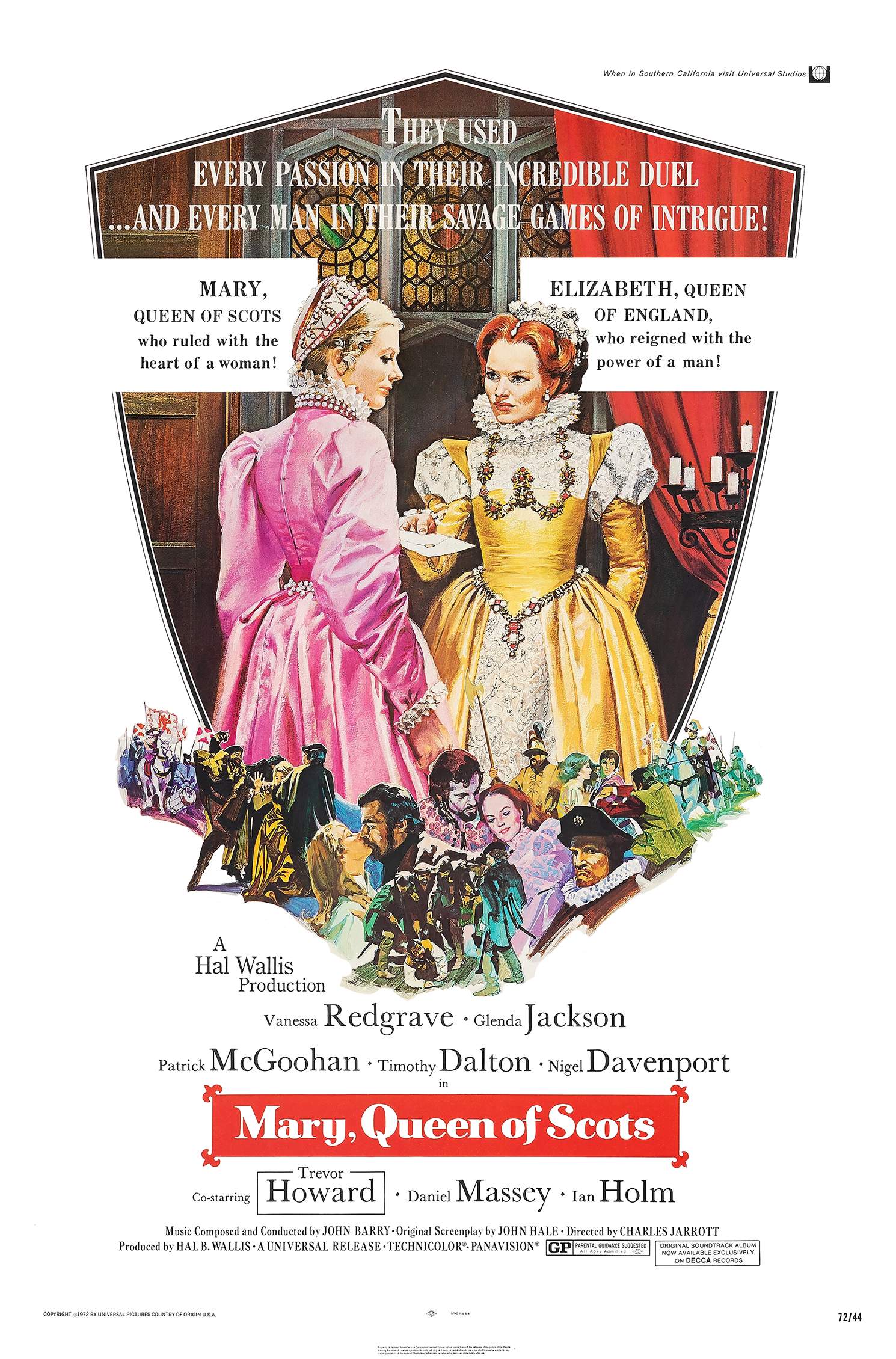
This biographical drama tells the story of Mary Stuart, who became Queen of Scotland at just six days old. Facing imprisonment by her rival, Elizabeth Tudor, Mary’s life becomes entangled with that of the English monarch. As years pass, their differing personalities and ambitions lead to conflict and a complex power struggle. The narrative explores themes of loyalty, ambition, and the weight of responsibility as their fates become intertwined, ultimately leading to a tragic climax.
Find where to stream, rent, or buy Mary, Queen of Scots (1971) in the US with current JustWatch availability, up-to-date pricing, and platform listings for subscription, rental, and digital purchase options.
Warning: spoilers below!
Haven’t seen Mary, Queen of Scots yet? This summary contains major spoilers. Bookmark the page, watch the movie, and come back for the full breakdown. If you're ready, scroll on and relive the story!
Read the complete plot breakdown of Mary, Queen of Scots (1971), including all key story events, major twists, and the ending explained in detail. Discover what really happened, and what it all means.
In 1561, after her husband’s demise, Mary, Queen of Scotland makes her way back to her half-brother’s estate, carrying with her a palpable sense of vulnerability and uncertainty. As she adjusts to her new life, Elizabeth, the Queen of England, grows increasingly apprehensive about the possibility of Mary’s claim to the English throne, especially given her own struggles with producing an heir. John Knox, a fervent Protestant cleric and a member of Mary’s council, becomes a significant source of friction, prompting Mary to take steps to dismiss him from his influential position.
In the shadows, Elizabeth hatches a scheme to exert control over Mary by proposing a marriage to an Englishman, specifically targeting her own beloved, Robert Dudley. However, when Mary declines Dudley due to his lack of royal heritage, the plan begins to deteriorate.
Elizabeth’s situation takes a drastic turn when she falls gravely ill with smallpox. In her desperation to secure her legacy, she proposes that Mary marry Dudley once he becomes her successor. Sensing a chance to solidify her own claim, Mary accepts. Just then, Lord Darnley, a suave and compelling nobleman, enters the scene. Claiming to seek religious freedom in Scotland, Darnley raises Mary’s suspicions regarding his true intentions, subtly hinting he may be acting on behalf of England.
As their relationship intensifies, Darnley proposes marriage, alarming Elizabeth’s advisors, who fear that his alliance will only bolster Mary’s claim to the throne. They urge Elizabeth to intervene, advocating for Dudley’s return to England. In a parallel development, Mary’s council becomes equally wary of Darnley, convinced he aims to undermine their queen in favor of England’s interests. Despite their pleas, Mary refuses to comply with demands for Darnley’s return, asserting her loyalty to Elizabeth by marrying an Englishman, much to the dismay of her half-brother, Moray.
As tensions escalate, Mary’s choice to marry Darnley ignites a violent chain of events impacting both Scotland and England. As England lends support to Moray’s uprising against her, Mary faces her own personal turmoil. Her marriage to Darnley initially appears to be one of love, yet she is soon devastated to find him in bed with her favorite, David Rizzio. Although hurt, Mary chooses to forgive Rizzio, acknowledging they both fell victim to Darnley’s charisma. As they navigate their web of intertwining relationships, the stakes grow higher.
Mary manages to quash the rebellion, sparing Moray’s life, but her actions come at a cost. Determined to secure her legacy, she announces to Darnley that their impending child will be the legitimate ruler of both Scotland and England, igniting panic among the English populace over the prospect of a Catholic monarch uniting the realms.
Tensions simmer as Moray conspires with Darnley’s father, sparking rumors that David Rizzio is the actual father of Mary’s child, thus framing her as an adulteress and providing John Knox ample fuel for his fiery sermons. Under pressure, Darnley reluctantly agrees to sign a bond that would ultimately lead to Rizzio’s downfall, fearing the impact of public perception on his reputation.
As Mary shares lighthearted moments with her ladies and Rizzio, the atmosphere shatters as assassins storm in to execute Rizzio. Heartbroken and horrified, Mary is powerless to stop the brutal act as he is brutally stabbed multiple times. Matthew, Darnley’s father, presses for Darnley to deliver the final strike, thrusting the royal family into chaos.
With the rebels clamoring for pardons, Mary finds herself caught in a conspiracy of deception. Curiosity drives her to uncover Darnley’s involvement in Rizzio’s death, discovering he had signed the bond. Armed with this information, Mary seeks a compromise with Moray, aiming to secure pardons while exposing Darnley’s treachery. She offers Moray a renewed position of trust and sends an invitation for Elizabeth to be the godmother of her child.
Yet, this brief sense of peace fractures as Mary confronts Darnley with the evidence of his betrayal, ultimately banishing him. Darnley’s desperation intensifies as he begs for access to their child, but Mary stands firm, reminding him he is fortunate to have avoided dire consequences.
As Mary’s advisors urge her to consider a divorce from Darnley due to his potential plotting against her, she resolutely resists the notion of allowing herself to be defined by constant marriage and divorce. Meanwhile, Bothwell, her devoted protector and advisor, takes steps to ensure Darnley’s downfalls.
With Darnley out of the picture, Mary is forced to flee for her life, even as Bothwell presents her with an ultimatum. Reluctantly, she agrees to marry a Scotsman but faces backlash from Knox, who accuses her of being a harlot for orchestrating Darnley’s demise.
As pressure mounts from Moray and others for Mary to abdicate due to dwindling public confidence, Bothwell becomes enraged. However, Mary reveals their actions were simply part of a larger scheme to eliminate her as a threat. With her child held hostage, she defiantly maintains her claim to the throne against forces seeking to dismantle her.
As Elizabeth’s burden with grief deepens, she holds a clandestine meeting with Mary, cautioning her about the need for secrecy. Mary implores Elizabeth for assistance in reclaiming her throne, but Elizabeth is steadfast, refusing to take arms for a Catholic rival. In a bid for peace, Mary offers to kneel in submission, yet Elizabeth remains unmoved, ensuring that as long as Mary does not support Elizabeth’s enemies, she will remain safe.
Mary delivers a poignant ultimatum: any perceived betrayal will result in her murder—a true fratricide. Reluctantly, Elizabeth orders Mary’s confinement within England.
Later, confronted with damning evidence indicating that Mary conspired against her, Elizabeth feels compelled to act. With a heavy heart, she authorizes Mary’s execution. As the tragic events unfold, Elizabeth, overwhelmed with emotion, watches as Mary meets her end dressed in striking crimson. In her last moments, Mary expresses a sincere wish for peace and prosperity to reign during the time of their shared son, James.
In a posthumous twist, James ultimately ascends to the throne after Elizabeth’s passing, marking the first unification of England and Scotland under one ruler.
Last updated: November 17, 2024 at 13:27
Explore frequently asked questions about Mary, Queen of Scots (1971) with spoiler-rich answers covering the full plot summary, major story beats, character motivations, hidden details, and ending meaning. This movie summary FAQ helps explain confusing scenes, plot twists, and narrative decisions in clear, searchable detail.
Elizabeth proposes Mary marry Robert Dudley, her own beloved, as a scheme to control Mary and prevent her from strengthening her claim to the English throne. When Mary refuses Dudley due to his lack of royal heritage, Elizabeth's plan falls apart. Later, after Elizabeth falls dangerously ill with smallpox, she revives the proposal, hoping to secure her legacy through this marriage.
Elizabeth's initial scheme to control Mary through Dudley establishes the pattern of political marriages throughout the film.
Mary marries Darnley because she believes marrying an Englishman will demonstrate her loyalty to Elizabeth and strengthen her position. Despite warnings from her own council and Elizabeth's advisors who fear Darnley will bolster Mary's claim to the English throne, Mary chooses to proceed. Darnley, charming and seemingly seeking religious freedom, wins her over, though Mary harbors suspicions that he may actually act on England's behalf.
Darnley's entrance raises immediate suspicions about his true intentions, foreshadowing his eventual betrayal.
David Rizzio is murdered because Darnley signs a bond agreeing to his elimination, fearing that rumors of Rizzio being the actual father of Mary's child would ruin his reputation. Mary's council spreads rumors that Rizzio is the father, providing John Knox with ammunition for his sermons against Mary. Under pressure from his father Matthew and the rebels, Darnley reluctantly agrees to the assassination, though Mary helplessly witnesses Rizzio being stabbed to death.
The rumors about Rizzio's paternity and Knox's sermons create the political atmosphere that enables the assassination.
Mary banishes Darnley after discovering he signed the bond that led to Rizzio's assassination. She uncovers Darnley's involvement through her investigation and confronts him with the evidence of his betrayal. Despite Darnley's desperate pleas to see their child, Mary refuses, reminding him he is fortunate to have escaped more severe consequences for his treachery.
Mary's discovery of Darnley's involvement sets the stage for his complete downfall and her subsequent marriage to Bothwell.
Elizabeth confines Mary in England rather than supporting her because she refuses to take arms for a Catholic rival. Despite Mary's impassioned plea to help reclaim her throne and her offer to kneel in submission, Elizabeth remains unmoved. Elizabeth only promises that Mary will remain safe as long as she does not support Elizabeth's enemies. This confinement effectively traps Mary in England under the guise of protection.
Elizabeth's refusal to aid Mary directly plants the seeds for Mary's eventual execution.
Mary is executed after damning evidence emerges indicating she conspired against Elizabeth. Although the specific details of the conspiracy are not detailed in the summary, the evidence is sufficient for Elizabeth to feel compelled to authorize Mary's death. Elizabeth acts with a heavy heart, and Mary meets her fate dressed in striking crimson, expressing a final wish for peace and prosperity during her son James's future reign.
The conspiracy evidence represents the culmination of years of political tension and religious conflict between the two queens.
After Elizabeth's death, Mary's son James ascends to the throne, marking the first unification of England and Scotland under one ruler. This occurs as a posthumous twist, Mary is executed years earlier, but her lineage ultimately prevails. James's ascension fulfills the prophecy that Mary's child would rule both realms, though Mary does not live to see this unification.
Mary's earlier declaration that her child would be the legitimate ruler of both Scotland and England creates the political panic that drives much of the conflict.
Mary agrees to marry Bothwell after Darnley is removed from the picture and she is forced to flee for her life. Bothwell, her devoted protector and advisor, presents her with an ultimatum. Although she reluctantly agrees to marry a Scotsman, this decision sparks backlash, with John Knox accusing her of being a harlot for orchestrating Darnley's demise. The marriage further weakens her political position and fuels the demands for her abdication.
Bothwell's earlier steps to ensure Darnley's downfall set the stage for his eventual marriage to Mary.
Mary's announcement that her unborn child will be the legitimate ruler of both Scotland and England instills panic across England because the populace fears a Catholic monarch uniting the two realms. This declaration threatens the Protestant succession and represents the realization of Elizabeth's worst fears about Mary's claim to the English throne. The political implications amplify the existing tensions between the two countries.
This declaration directly leads to increased political scheming against Mary and strengthens Elizabeth's resolve to contain her.
John Knox, a fervent Protestant cleric and member of Mary's council, becomes a significant source of friction due to his influential sermons and opposition to Mary's Catholic rule. His presence threatens Mary's authority, prompting her to take steps to dismiss him from his influential position. Later, he uses the rumors about Rizzio's paternity as fuel for his fiery sermons against Mary, further destabilizing her reign.
Knox's religious opposition establishes the religious dimension that underlies much of the political conflict.
Discover curated groups of movies connected by mood, themes, and story style. Browse collections built around emotion, atmosphere, and narrative focus to easily find films that match what you feel like watching right now.
Historical dramas where the weight of a crown leads to a woman's downfall.If you were captivated by the tragic fate of Mary Stuart, explore more movies like Mary, Queen of Scots that focus on powerful women in history. These similar historical dramas depict queens and female rulers navigating treacherous political landscapes, often culminating in betrayal and a heavy, sorrowful ending.
Stories in this thread follow a pattern of a powerful female protagonist rising to a position of authority, only to be undermined by conspiracies, betrayal, and the constraints of her era. The narrative arc is typically a downward spiral from power to imprisonment or death, emphasizing the high personal cost of ambition in a hostile world.
Movies are grouped here for their shared focus on the tragic arcs of historical women in power, their high-stakes political settings, and their consistently dark, heavy tone. They resonate with viewers seeking emotionally weighty dramas about resilience in the face of inevitable defeat.
Stories where trust is a liability and power is a trap.For viewers who enjoyed the suspenseful and oppressive atmosphere of Mary, Queen of Scots, this list features movies with a similar feel of slow-burn political paranoia. Discover more films like this where characters are trapped in games of power, surrounded by untrustworthy allies, leading to a heavy and tense viewing experience.
The narrative pattern involves a protagonist, often of high status, becoming increasingly isolated within their own circle. The plot unfolds methodically, revealing layers of conspiracy and disloyalty. The journey is less about external action and more about the psychological erosion of safety, culminating in a moment of shocking betrayal or defeat.
These films are united by their oppressive mood, steady pacing that meticulously builds suspense, and themes of corrosive power and betrayal. They appeal to audiences who enjoy tense, character-driven stories where the primary conflict is psychological and the environment itself feels threatening.
Don't stop at just watching - explore Mary, Queen of Scots in full detail. From the complete plot summary and scene-by-scene timeline to character breakdowns, thematic analysis, and a deep dive into the ending - every page helps you truly understand what Mary, Queen of Scots is all about. Plus, discover what's next after the movie.
Track the full timeline of Mary, Queen of Scots with every major event arranged chronologically. Perfect for decoding non-linear storytelling, flashbacks, or parallel narratives with a clear scene-by-scene breakdown.
Discover the characters, locations, and core themes that shape Mary, Queen of Scots. Get insights into symbolic elements, setting significance, and deeper narrative meaning - ideal for thematic analysis and movie breakdowns.
Discover movies like Mary, Queen of Scots that share similar genres, themes, and storytelling elements. Whether you’re drawn to the atmosphere, character arcs, or plot structure, these curated recommendations will help you explore more films you’ll love.
Mary, Queen of Scots (1971) Scene-by-Scene Movie Timeline
Mary, Queen of Scots (1971) Movie Characters, Themes & Settings
Mary, Queen of Scots (1971) Spoiler-Free Summary & Key Flow
Movies Like Mary, Queen of Scots – Similar Titles You’ll Enjoy
Mary Magdalene (2019) Movie Recap & Themes
Mary Queen of Scots (2018) Detailed Story Recap
Elizabeth (1998) Spoiler-Packed Plot Recap
Mary Reilly (1996) Ending Explained & Film Insights
Mary (2008) Full Summary & Key Details
Lady Jane (1986) Movie Recap & Themes
Mary (2024) Film Overview & Timeline
Gunpowder, Treason & Plot (1000) Complete Plot Breakdown
Miss Mary (1986) Ending Explained & Film Insights
The Sword and the Rose (1953) Ending Explained & Film Insights
Queen of the Seas (1961) Movie Recap & Themes
Mary of Nazareth (1995) Spoiler-Packed Plot Recap
Tudor Rose (1936) Complete Plot Breakdown
The Heart of a Queen (1940) Full Movie Breakdown
Mary of Scotland (1936) Story Summary & Characters