







Plot Explained Spoilers guaranteed!
Plot Explained

Browse by genre

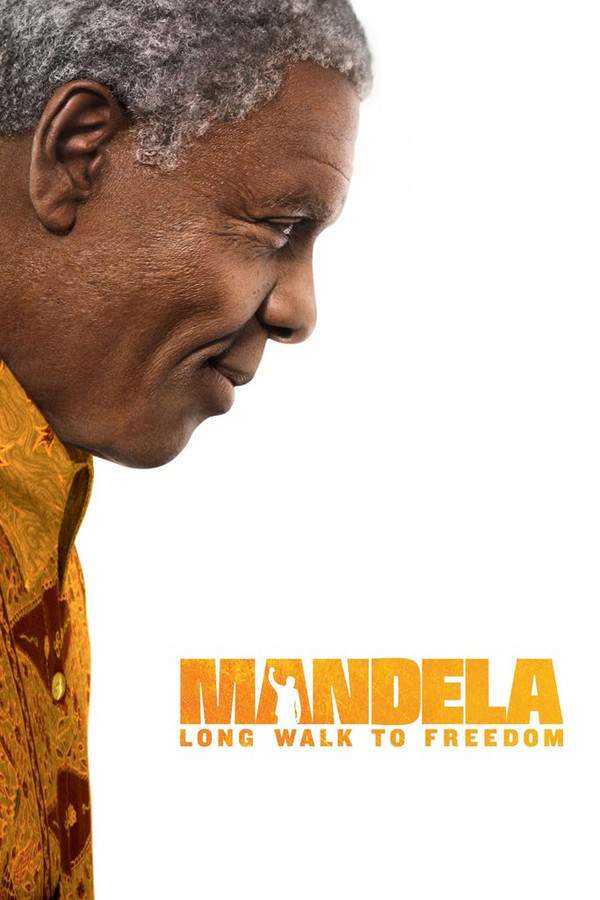
Mandela: Long Walk to Freedom (2013) movie poster

Characters & Themes

Mandela: Long Walk to Freedom (2013) Characters, Setting & Themes Explained

Release, runtime and language
2013 · 141 min · English
JustWatch #14,704 1
Directed by
Justin Chadwick
Starring
Idris Elba, Naomie Harris, Robert Hobbs, Mark Elderkin, Garth Breytenbach, Grant Swanby

Growing up in rural South Africa, Nelson Mandela's life took a transformative turn as he joined the fight against apartheid. Rising to prominence within the African National Congress Youth League, he became a symbol of hope and resistance, leading to his imprisonment for 26 years on Robben Island. Despite enduring harsh conditions, his resolve remained unbroken, and in 1994, his unwavering spirit ultimately led to his release and the dawn of a new, democratic era for his nation as its first president.

On this page (9)
  1. 1 Where to watch
  2. 2 Characters explained (3)
  3. 3 Where & when it takes place
  4. 4 Themes & meaning (3)
  5. 5 Character & meaning questions
  6. 6 The book behind the movie
  7. 7 Movie threads
  8. 8 Movies like Mandela: Long Walk to Freedom
  9. 9 Every angle

Where to watch

Where to Watch Mandela: Long Walk to Freedom (2013)

Where can you watch Mandela: Long Walk to Freedom? Stream, rent or buy it in the US, including on Lionsgate+ Amazon Channels, Philo and Kanopy: current JustWatch availability with up-to-date prices.

Streaming availability powered by JustWatch

3 main characters · contains spoilers

Mandela: Long Walk to Freedom Characters Explained: Who Is Who

The main characters of Mandela: Long Walk to Freedom (2013), heroes and villains: what drives them, how they change over the course of the story and what each of them reveals about the film's bigger ideas.

  • Nelson Mandela

    played by Idris Elba

    Nelson Mandela is depicted as a determined and principled leader, unwavering in his fight against apartheid. His journey from a humble background to becoming a national icon reflects his resilience and commitment to justice. Despite facing immense personal and political challenges, he remains focused on his vision for a free South Africa.

    • 👨‍⚖️ Leader
    • ✊ Activist
    • 📜 Icon
  • Evelyn Mase

    played by Terry Pheto

    Evelyn Mase is portrayed as a supportive yet conflicted partner, urging Mandela to engage in political activism. Her character embodies the struggles faced by families of activists, showcasing the personal toll of political engagement. Evelyn's departure from Mandela also highlights the tension between personal and public life.

    • ❤️ Supporter
    • 👩‍👦 Mother
    • 💔 Betrayal
  • Winnie Madikizela

    played by Naomie Harris

    Winnie Madikizela is depicted as a fierce and passionate activist, deeply committed to the struggle for freedom. Her relationship with Mandela evolves as they both navigate the complexities of love and activism during turbulent times. Winnie represents the strength and agency of women in the fight against apartheid.

    • 👩‍🎤 Activist
    • ❤️ Wife
    • 🔥 Passionate

Last updated: October 22, 2024 at 20:10

Was this helpful?

Setting

Where and When Does Mandela: Long Walk to Freedom Take Place?

The setting of Mandela: Long Walk to Freedom (2013): the year and time period, the places and locations, and how they shape the characters, the mood and the tension of the story.

Time period

1940s - 1990s

The film spans several decades from the 1940s to the 1990s, a period marked by apartheid in South Africa. This era witnessed extreme racial segregation and political turmoil, with many fighting for equality and justice. The eventual transition to a democratic government marked a notable turning point in the nation's history.

Location

South Africa, Johannesburg, Robben Island

South Africa is known for its rich cultural diversity and history, especially during the apartheid era. Johannesburg, a bustling metropolis, was a hub for political activism and struggle against racial injustice. Robben Island, notorious for holding political prisoners, became a symbol of resistance against the oppressive apartheid regime.

  • 🇿🇦 South Africa
  • 🏙️ Urban
  • 🏝️ Prison

Last updated: October 22, 2024 at 20:10

Was this helpful?

3 major themes

Mandela: Long Walk to Freedom Meaning: Themes & Message Explained

What is Mandela: Long Walk to Freedom (2013) really about? The emotional, social and philosophical themes the film keeps returning to, its symbolism and the message beneath the surface.

  • Resistance

    The theme of resistance is central to Mandela's journey as he defies oppressive laws and stands up for equality. His actions inspire others to join the fight against apartheid, showcasing the power of collective struggle. This theme highlights the courage and resilience of those who fought against injustice.

  • Love and Sacrifice

    Mandela's personal relationships, particularly with Evelyn and Winnie, reflect the complexities of love amidst social turmoil. His commitment to the cause often leads to personal sacrifices, illustrating the tension between personal desires and political obligations. This theme emphasizes the emotional cost of activism.

  • Democracy

    The eventual victory of the ANC and the establishment of a democratic South Africa represent the culmination of a long struggle for freedom. This theme underscores the importance of dialogue, understanding, and the need for leadership in transitioning from oppression to liberty. The film celebrates the triumph of hope and unity.

Last updated: October 22, 2024 at 20:10

Was this helpful?

Character & theme questions

Mandela: Long Walk to Freedom Characters & Meaning: Your Questions Answered

The questions people ask about Mandela: Long Walk to Freedom (2013): who the characters really are, their relationships, what the symbols mean, where it takes place and what the movie is really about. Each answer contains spoilers.

Q1

Where is the film primarily set?

The film is primarily set in South Africa, with key scenes taking place in Johannesburg, the center of political activism, and on Robben Island, where Mandela was imprisoned for 26 years. Johannesburg represents the hub of resistance against apartheid, while Robben Island serves as a symbol of the brutal oppression faced by political prisoners.

  • south africa
  • johannesburg
  • robben island
  • setting
  • locations
Q2

What time period does the movie cover?

The movie spans several decades from the 1940s through the 1990s, covering the entirety of South Africa's apartheid era. This period witnessed extreme racial segregation and political turmoil, culminating in the historic transition to a democratic government in 1994 when Mandela became president.

  • apartheid
  • 1940s
  • 1990s
  • time period
  • south africa history
Q3

What are the main themes explored in the film?

The film explores three central themes: resistance against oppression, love and sacrifice in the context of political struggle, and the triumph of democracy. The theme of resistance shows Mandela defying apartheid laws and inspiring collective action. Love and Sacrifice examines the personal cost of activism on Mandela's relationships. Democracy portrays the ultimate victory of the ANC and the establishment of a free South Africa.

  • themes
  • resistance
  • love
  • sacrifice
  • democracy
  • apartheid
  • freedom
Q4

Who plays Nelson Mandela and how is he portrayed?

Idris Elba portrays Nelson Mandela as a determined and principled leader who remains unwavering in his fight against apartheid. The film depicts his journey from humble beginnings in rural South Africa to becoming a national icon of resistance. Despite immense personal and political challenges including 26 years of imprisonment, his character remains focused on his vision for a free and democratic South Africa.

  • idris elba
  • nelson mandela
  • character
  • leader
  • portrayal
Q5

Who plays Winnie Madikizela and what is her role in the story?

Naomie Harris portrays Winnie Madikizela as a fierce and passionate activist who becomes deeply committed to the struggle for freedom. Her relationship with Mandela evolves as they both navigate the complexities of love and activism during apartheid. Winnie represents the strength and agency of women in the anti-apartheid movement, continuing the fight while Mandela was imprisoned.

  • winnie madikizela
  • naomie harris
  • activist
  • women
  • role
Q6

Who plays Evelyn Mase and what is her significance?

Terry Pheto portrays Evelyn Mase as Mandela's supportive yet conflicted partner who urges him to engage in political activism. Her character embodies the struggles faced by families of activists, showcasing the personal toll of political engagement. Evelyn's departure from Mandela highlights the tension between personal desires and political obligations that many activists faced.

  • evelyn mase
  • terry pheto
  • wife
  • relationship
  • sacrifice
Q7

What is Robben Island's significance in the film?

Robben Island is portrayed as a notorious prison facility where South Africa held political prisoners, including Mandela for 26 years. In the film, it becomes a powerful symbol of resistance against the oppressive apartheid regime. The harsh conditions Mandela endured on the island only strengthened his resolve, and the island itself became an iconic symbol of the struggle for freedom.

  • robben island
  • prison
  • imprisonment
  • symbolism
  • resistance
Q8

What role does Johannesburg play in the story?

Johannesburg serves as the bustling metropolis and hub for political activism against racial injustice in the film. It is depicted as the central location where the African National Congress Youth League gained momentum and where Mandela rose to prominence as a leader. The city represents the heart of the resistance movement against apartheid.

  • johannesburg
  • city
  • activism
  • anc
  • political hub
Q9

What was apartheid and how is it depicted in the film?

Apartheid was a system of institutionalized racial segregation and discrimination in South Africa that began in 1948. The film depicts this era as one of extreme racial segregation and political turmoil, showing the daily injustices faced by Black South Africans. The movie illustrates how Mandela and others fought against these oppressive laws, ultimately leading to the regime's downfall.

  • apartheid
  • segregation
  • racism
  • south africa
  • oppression
Q10

How does the film address the cost of activism?

The film explores how Mandela's commitment to the anti-apartheid cause required significant personal sacrifices, particularly in his relationships. His involvement in the struggle led to prolonged imprisonment and strained his marriages, illustrating the tension between personal desires and political obligations. The theme emphasizes the emotional toll that activism takes on both the individual and their family.

  • activism
  • cost
  • sacrifice
  • personal toll
  • relationships
Q11

How does the film portray the transition to democracy?

The film portrays the transition to democracy as the culmination of a long struggle for freedom, depicting the eventual victory of the ANC and the establishment of a democratic South Africa. This theme underscores the importance of dialogue, understanding, and leadership in moving from oppression to liberty. The narrative celebrates the triumph of hope and unity, showing how Mandela's unwavering spirit ultimately led to a new democratic era.

  • democracy
  • anc
  • election
  • president
  • freedom
  • transition
Q12

What is the overall emotional tone of the film?

Despite dealing with heavy themes of racism, loss, and prolonged incarceration, the film maintains a predominantly hopeful tone. The narrative arc moves from adversity to triumph, culminating in Mandela's release and election as president in 1994. While the emotional weight is heavy due to the subject matter, the overall message is one of overcoming adversity and achieving positive change through resilience and unity.

  • tone
  • hope
  • emotional
  • resilience
  • uplifting
  • message

Movie threads

More Movies Like Mandela: Long Walk to Freedom, by Mood & Story

Curated lists built around what makes Mandela: Long Walk to Freedom tick: the same mood, the same kind of story or the same emotional payoff. Each list explains why these movies belong together.

Triumphant Biographies Like Mandela: Long Walk to Freedom

True stories of resilient individuals who overcome immense state-sanctioned cruelty. Explore movies like Mandela: Long Walk to Freedom that depict true stories of resilience against systemic oppression. If you were inspired by the journey from imprisonment to triumph, you'll find similar powerful biographical dramas here. These films share a heavy emotional weight, a steady pace spanning decades, and an ultimately hopeful resolution.

  • inspiring
  • oppressive
  • resilient
  • triumphant
  • dramatic
  • somber
  • Tone: hopeful, inspiring, somber
  • Pacing: steady, epic
Why these movies?

The story pattern: The narrative follows a linear biographical arc, chronicling the subject's rise as a symbol of resistance, their profound suffering and sacrifice at the hands of an oppressive regime, and their eventual, hard-won victory that brings about significant social or political change.

Why they belong together: Movies in this thread are grouped by their shared core: a true-story protagonist, a high-stakes struggle against institutional evil, a heavy emotional journey marked by sacrifice, and a cathartic, hopeful ending. They balance intense depictions of injustice with an uplifting arc of human resilience.

Heavy Dramas of Resistance Like Mandela: Long Walk to Freedom

Stories where the fight for freedom comes at a profound personal cost. Find films similar to Mandela: Long Walk to Freedom that explore the heavy emotional cost of political resistance. If you appreciated the tense, oppressive atmosphere and themes of personal sacrifice for a greater cause, this collection is for you. These movies share high intensity, dramatic tension, and a focus on the human side of historical struggles.

  • tense
  • oppressive
  • dramatic
  • somber
  • inspiring
  • resilient
  • Tone: tense, somber, hopeful
  • Pacing: steady, deliberate
Why these movies?

The story pattern: The narrative centers on a protracted conflict between a marginalized group and a powerful oppressor. It delves into the strategies of resistance, the constant threat of violence, the psychological and physical toll on characters, and the high-stakes moral choices that define their journey, often culminating in a victory that feels earned through immense suffering.

Why they belong together: These films are connected by their intense, oppressive atmosphere, their focus on the mechanics and human cost of resistance, and their ability to balance somber, tense scenes with a underlying current of hope. They are characterized by high emotional weight and dramatic tension.

If you liked this

Movies Like Mandela: Long Walk to Freedom

Similar movies to Mandela: Long Walk to Freedom: the same genre, themes or kind of story. Each one comes with its own plot summary, timeline and ending explained.

Browse all movie summaries

Every angle

Mandela: Long Walk to Freedom (2013) Explained: Plot, Timeline & Characters

Everything about Mandela: Long Walk to Freedom in one place: what happens in the plot summary, the timeline in chronological order, the characters and meaning and a spoiler-free summary. What's After the Movie adds the cast, box office and post-credit scenes.

Coming soon on iOS and Android

The Plot Explained Movie Summary App

Plot summaries, endings explained and timelines on your phone. Catch up on any movie in minutes, save your favorites and never miss a twist again.

Be the first to know when we launch. Your email stays private, always.

Learn more about the app