Year: 2007
Runtime: 126 min
Language: English
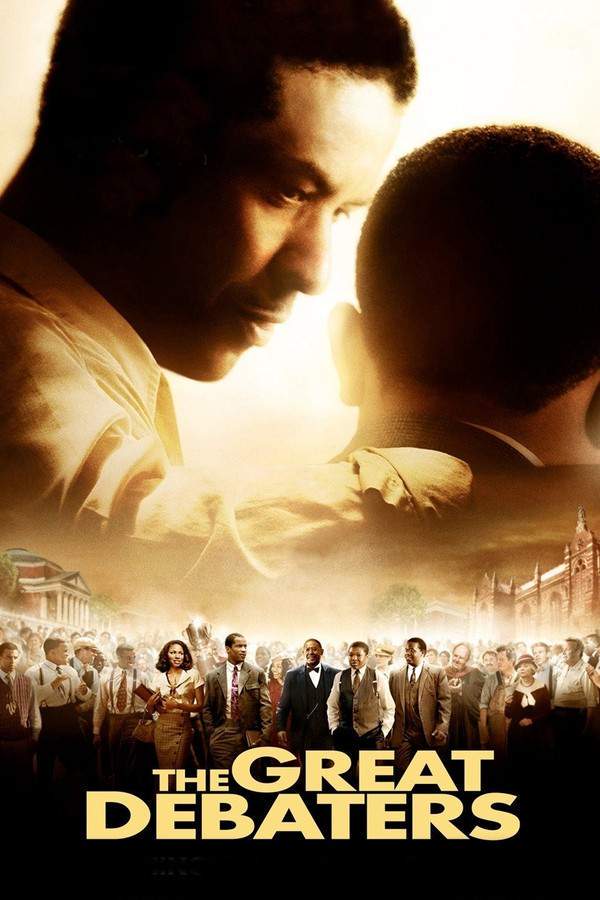
During the Jim Crow era, Professor Melvin Tolson, a brilliant but controversial instructor at Wiley College, an African-American school, challenges his students to compete in national debate competitions. He cultivates their skills through rigorous training and unconventional teaching methods, fostering a passion for words and critical thinking. The team’s journey culminates in a historic debate against the prestigious Harvard University, testing their abilities and confronting societal prejudices.
Warning: spoilers below!
Haven’t seen The Great Debaters yet? This summary contains major spoilers. Bookmark the page, watch the movie, and come back for the full breakdown. If you're ready, scroll on and relive the story!
Read the complete plot breakdown of The Great Debaters (2007), including all key story events, major twists, and the ending explained in detail. Discover what really happened—and what it all means.
Based on actual events, this compelling narrative follows the journey of debate coach Melvin B. Tolson at the historic Wiley College, a school primarily for African Americans. Set against the backdrop of the 1930s South, a time marred by Jim Crow laws and the ever-looming threat of lynching, the story highlights his relentless efforts to elevate his debate team to compete on an equal footing with white institutions. Eventually, this determined team reaches a pinnacle, culminating in a prestigious debate against Harvard University during their 47th annual competition.
The film dives deep into the societal turmoil of Texas during the Great Depression, shedding light on the daily humiliations faced by African Americans, including a harrowing scene of a lynching. Among the characters is James L. Farmer, Jr., who at just 14 years old, impressively joins the debate team after already completing high school, and who would later co-found the Congress of Racial Equality (C.O.R.E.). One significant character, Samantha Booke, draws inspiration from the real-life Henrietta Bell Wells, the only woman on the 1930 Wiley debate team and a pioneer in interracial collegiate debate in the U.S. Notably, Wells was also a minor poet, with her works preserved at the Library of Congress.
The dialogue resonates with powerful themes, encapsulated in the phrase: > “An unjust law is no law at all.” This line, reminiscent of Augustine of Hippo’s teachings, recurs throughout the film. Another crucial notion revolves around the characters emphasizing the necessity of doing what one must to achieve what one desires, articulated predominantly by the James L. Farmer Sr. and Farmer Jr. characters.
During the selection process for the debate team, Melvin carefully curates talented members, including Samantha and Henry Lowe, who navigates life as a convict. As tensions rise at home, Farmer Sr. experiences humiliation after an accident with a farmer’s pig, leading him to pay a hefty price to redeem himself. Amidst these developments, Henry and Samantha’s affection for each other blossoms, while young Farmer Jr. harbors a crush on Samantha.
One pivotal night, Farmer Jr. follows Melvin and discovers his efforts to unite white and Black farm workers to advocate for their rights. When a police raid disrupts their meeting, Melvin heroically shields Farmer Jr. from danger. As a determined coach, Melvin takes charge of the debate team, scripting their arguments and leading them on a winning streak against primarily Black colleges. However, as they gain notoriety, they seize the opportunity to challenge more established institutions such as Harvard.
Strains arise within the team when Hamilton Burges confronts Melvin about his alleged communist ties, resulting in his temporary departure from the team before their groundbreaking debate in Oklahoma. Despite mounting pressure, the Wiley team pushes forward, but misfortune strikes as Melvin is arrested for his political activities. A public outcry, spearheaded by Farmer Sr., results in his release, though it costs him prestigious debate invitations.
The team rallies through adversity, witnessing the horrors of a lynching that drives Samantha to resign. Following the tumultuous events, a surprising opportunity arises when a Harvard invitation comes their way. Upon learning about Samantha’s departure, Henry reveals that it’s due to his indiscretions, ultimately leading to her return for the important match against Harvard.
With Melvin prohibited from leaving Texas due to his bail conditions, the team faces disarray, but Henry’s newfound leadership shines through as he makes the bold decision to partner Lawrence Jr. with Samantha for the debate instead of himself. The forthcoming debate showcases the team confronting formidable odds to claim victory and honor in the topic of Civil Disobedience, symbolizing their triumph against the inequality of their era.
Historically, while the film portrays the Wiley debate team’s triumph over Harvard, it’s essential to note that such a debate did not actually occur. Instead, the narrative mirrors a real match between Wiley College and the University of Southern California, at that time the reigning champions, in which Wiley did indeed come out on top. As noted by Robert Eisele, “In that era, there was much at stake when a African American college debated any white school, particularly one with the stature of Harvard. We used Harvard to demonstrate the heights they achieved.” Despite their achievements, the film also highlights a painful reality: post-debate, the Wiley team could not claim victory in the debate community, as African Americans were excluded from formal debate societies until after World War II.
Last Updated: November 03, 2024 at 15:23
Discover curated groups of movies connected by mood, themes, and story style. Browse collections built around emotion, atmosphere, and narrative focus to easily find films that match what you feel like watching right now.
Inspiring stories of marginalized groups overcoming immense societal barriers.Find movies like The Great Debaters that feature underdogs fighting systemic injustice. These similar historical dramas and biographical stories capture the tension and triumph of overcoming immense societal barriers through determination and skill.
The narrative follows a clear underdog arc, where protagonists face overwhelming odds due to their social status, race, or background. Their success is not just a personal victory but a symbolic challenge to the unjust system itself, often involving a high-stakes competition or public test of their abilities.
Movies are grouped here for their shared focus on intellectual or moral triumph against systemic oppression. They balance heavy emotional weight from the injustices faced with a hopeful, inspiring tone centered on resilience and the power of dedicated effort.
Stories of transformative education that challenges minds and changes lives.Discover films similar to The Great Debaters about inspiring teachers and rigorous academic journeys. If you liked the mentorship and intellectual passion in this movie, you'll find other stories where education empowers characters to overcome adversity.
The plot is driven by a mentor figure who employs unconventional or intensely rigorous methods to push their students beyond their perceived limits. The central conflict often revolves around mastering a skill or field of knowledge, which serves as a metaphor for broader personal growth and confronting external challenges.
These films share a core theme of education as empowerment. They feature a steady pacing focused on skill acquisition and character development, blending the intensity of high-stakes learning with the hopeful tone of intellectual and personal discovery.
Don't stop at just watching — explore The Great Debaters in full detail. From the complete plot summary and scene-by-scene timeline to character breakdowns, thematic analysis, and a deep dive into the ending — every page helps you truly understand what The Great Debaters is all about. Plus, discover what's next after the movie.
Track the full timeline of The Great Debaters with every major event arranged chronologically. Perfect for decoding non-linear storytelling, flashbacks, or parallel narratives with a clear scene-by-scene breakdown.
Discover the characters, locations, and core themes that shape The Great Debaters. Get insights into symbolic elements, setting significance, and deeper narrative meaning — ideal for thematic analysis and movie breakdowns.
Get a quick, spoiler-free overview of The Great Debaters that covers the main plot points and key details without revealing any major twists or spoilers. Perfect for those who want to know what to expect before diving in.
Visit What's After the Movie to explore more about The Great Debaters: box office results, cast and crew info, production details, post-credit scenes, and external links — all in one place for movie fans and researchers.
Discover movies like The Great Debaters that share similar genres, themes, and storytelling elements. Whether you’re drawn to the atmosphere, character arcs, or plot structure, these curated recommendations will help you explore more films you’ll love.
The Great Debaters (2007) Scene-by-Scene Movie Timeline
The Great Debaters (2007) Movie Characters, Themes & Settings
The Great Debaters (2007) Spoiler-Free Summary & Key Flow
Movies Like The Great Debaters – Similar Titles You’ll Enjoy
Harvard Beats Yale 29-29 (2008) Film Overview & Timeline
Race (2016) Full Summary & Key Details
Dear White People (2014) Spoiler-Packed Plot Recap
Marshall (2017) Story Summary & Characters
Inherit the Wind (1960) Ending Explained & Film Insights
The Student (2017) Movie Recap & Themes
Son of the South (2021) Full Summary & Key Details
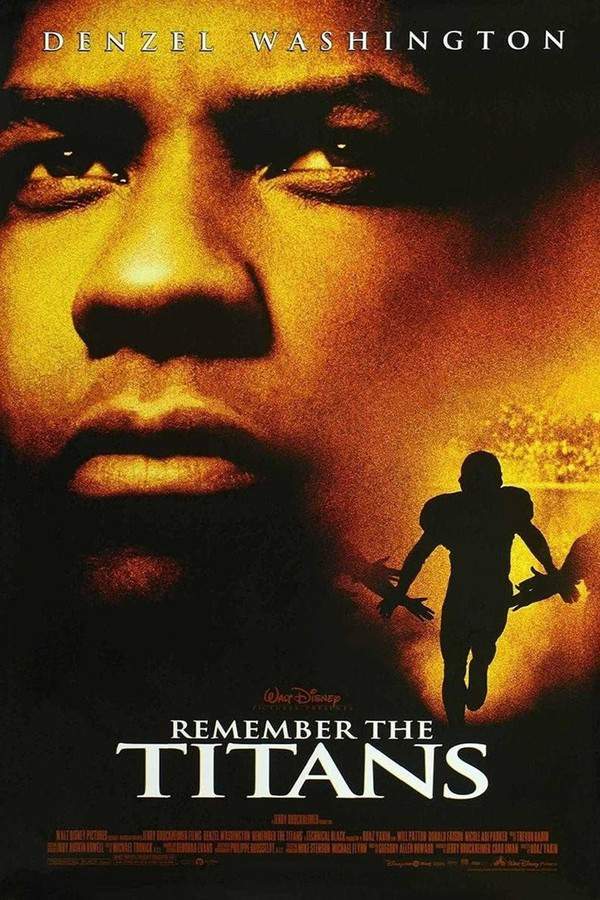
Remember the Titans (2000) Spoiler-Packed Plot Recap
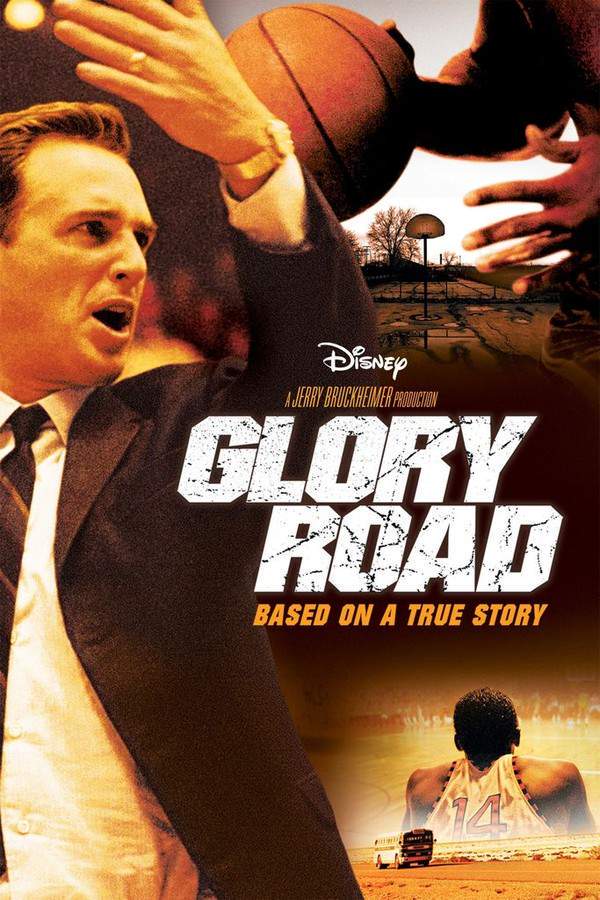
Glory Road (2006) Story Summary & Characters
The Professor (2019) Movie Recap & Themes
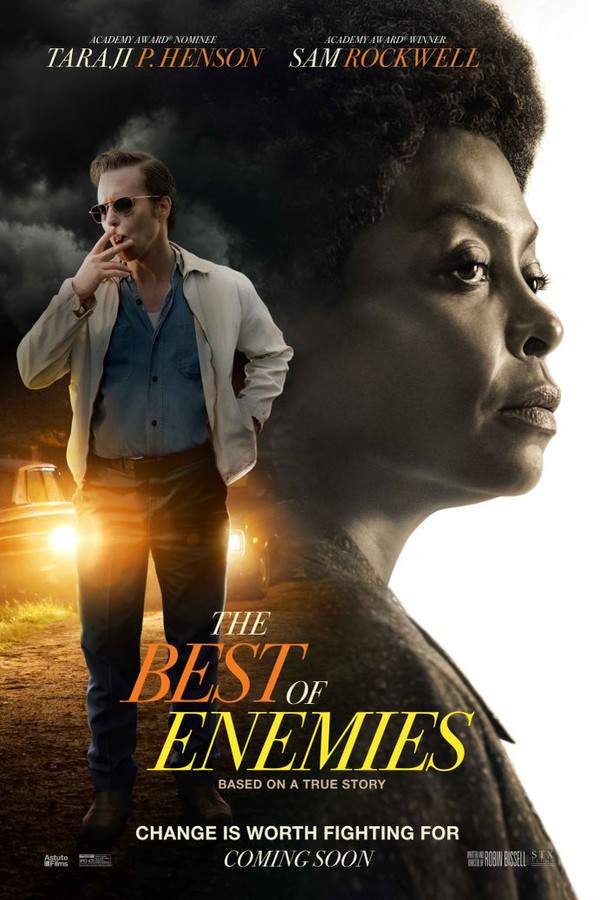
The Best of Enemies (2019) Detailed Story Recap
Woodlawn (2015) Ending Explained & Film Insights
Speech & Debate (2017) Ending Explained & Film Insights
Olympic Pride, American Prejudice (2016) Full Summary & Key Details
The Great Man Votes (1939) Complete Plot Breakdown