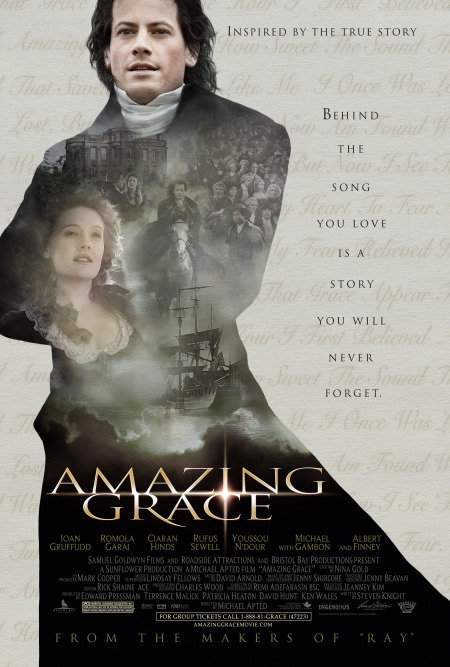
Amazing Grace

Amazing Grace

JustWatch#14,7131

Year: 2007

Runtime: 111 min

Language: English

Director: Michael Apted

biographydramahistoryromance

Filmed in 1972, this concert film captures legendary soul singer Aretha Franklin at the New Temple Missionary Baptist Church in Los Angeles. During the recording of her live album, Franklin performs a powerful selection of gospel songs, showcasing her incredible vocal talent and deeply spiritual connection to the music. The performance moves the congregation and offers a rare glimpse into a pivotal moment in both Franklin’s career and the history of gospel music.

Where to Watch Amazing Grace?

Find where to stream, rent, or buy Amazing Grace (2007) in the US with current JustWatch availability, up-to-date pricing, and platform listings for subscription, rental, and digital purchase options.

Warning: spoilers below!

Haven’t seen Amazing Grace yet? This summary contains major spoilers. Bookmark the page, watch the movie, and come back for the full breakdown. If you're ready, scroll on and relive the story!

Amazing Grace (2007) – Full Plot Summary & Ending Explained

Read the complete plot breakdown of Amazing Grace (2007), including all key story events, major twists, and the ending explained in detail. Discover what really happened, and what it all means.

The movie opens with Wilberforce, who is gravely ill, taking a respite in the tranquil setting of Bath, Somerset, accompanied by his cousin, Henry Thornton. It is here that he is introduced to his future spouse, Barbara Spooner. Initially reluctant to share his life's story, Barbara encourages him to open up about his past. The film then transitions back 15 years to 1782, where we witness William as an ambitious and popular Member of Parliament. He is rallied by close friends, such as William Pitt, Thomas Clarkson, and Hannah More, to tackle the perilous issue of the British slave trade. This pivotal decision makes him a target of unpopularity among members of the House of Commons who have vested interests in maintaining the trade, particularly from cities like London, Bristol, and Liverpool.

Over time, the relentless struggle against such deep-rooted injustices takes a toll on William, culminating in a debilitating illness that is later revealed to be colitis, now more widely recognized as Crohn's disease. This physical decline brings the narrative back to present-day, where William finds himself overwhelmed and contemplating a complete withdrawal from politics, feeling as though his efforts are in vain. However, Barbara stands firmly by his side, urging him to persevere, asserting that if he does not continue, no one else will champion this critical cause.

As days pass, William and Barbara wed, and with their union igniting renewed hope, William reenters the fray, reinvigorated and determined to continue the battle against the slave trade. Supported by loyal allies like Thornton, Clarkson, and James Stephen, William's relentless pursuit unfolds over two decades. His efforts culminate in 1807 when he successfully guides a groundbreaking bill through Parliament that forever abolishes the slave trade within the British Empire. This emotional and historical journey captures the essence of bravery, love, and perseverance in the face of insurmountable odds.

Last updated: May 13, 2025 at 20:30

Was this helpful?

Amazing Grace (2007) Plot Questions Answered – Summary FAQ

Explore frequently asked questions about Amazing Grace (2007) with spoiler-rich answers covering the full plot summary, major story beats, character motivations, hidden details, and ending meaning. This movie summary FAQ helps explain confusing scenes, plot twists, and narrative decisions in clear, searchable detail.

Q1

Why did William Wilberforce decide to fight the British slave trade?

A.

William Wilberforce was persuaded by his close friends William Pitt, Thomas Clarkson, and Hannah More to tackle the issue of the British slave trade. These allies rallied around him, recognizing his political influence and moral conviction. The decision marked a significant turning point in his career, as he chose to champion this contentious cause despite knowing it would make him unpopular among colleagues who had financial interests in maintaining the trade.

william wilberforceslave tradeabolitionparliamentmotivation
Q2

What illness did William Wilberforce suffer from?

A.

Wilberforce developed colitis, which is now more widely recognized as Crohn's disease. This illness was a direct result of the relentless physical and emotional toll that his political struggle against the slave trade took on him over many years.

colitiscrohn's diseaseillnesshealth
Q3

Why did William Wilberforce consider leaving politics?

A.

After years of facing fierce opposition in Parliament and feeling that his efforts were in vain, Wilberforce became overwhelmed and contemplated withdrawing from politics entirely. The relentless struggle against deep-rooted injustices had depleted him physically and emotionally, leading him to doubt whether his work was making any difference.

politicsdespairwithdrawalfrustration
Q4

What did Barbara Spooner say to encourage Wilberforce to continue?

A.

Barbara Spooner firmly urged Wilberforce to persevere, asserting that if he did not continue championing the cause of abolishing the slave trade, no one else would. Her unwavering support and belief in his unique ability to lead this fight reignited his determination and purpose.

barbara spoonerencouragementsupportwife
Q5

How did William Wilberforce's marriage to Barbara Spooner affect his work?

A.

Marrying Barbara Spooner marked a new chapter in Wilberforce's life and provided him with crucial emotional support. Their union ignited renewed hope and determination, allowing him to reenter the political fray with revitalized vigor to continue his two-decade fight against the slave trade.

marriagebarbara spoonersupportrenewed hope
Q6

How long did William Wilberforce fight to abolish the slave trade?

A.

Wilberforce fought tirelessly for approximately twenty years before achieving success. His relentless pursuit of legislation aimed at abolishing the slave trade spanned from his initial decision in 1782 until the groundbreaking bill finally passed in 1807.

twenty yearstimelinepersistence1807
Q7

What did the 1807 abolition bill accomplish?

A.

In 1807, Wilberforce successfully guided a groundbreaking bill through Parliament that forever abolished the slave trade within the British Empire. This historic victory marked the culmination of his decades-long struggle and represented a major triumph in the fight against slavery.

1807abolition billslave trade actbritish empirevictory
Q8

Why did William Wilberforce become unpopular in Parliament?

A.

Wilberforce became unpopular among his parliamentary colleagues because he directly tackled the profitable British slave trade, which many MPs from major trading cities like London, Bristol, and Liverpool had vested interests in maintaining. His moral stance against this injustice threatened their economic interests.

oppositionparliamentslave tradelondon bristol liverpool
Q9

Who supported William Wilberforce in his fight against the slave trade?

A.

Wilberforce was supported by loyal allies including his cousin Henry Thornton, Thomas Clarkson, James Stephen, and his wife Barbara Spooner. These supporters helped sustain his efforts throughout the long political battle, providing both emotional encouragement and practical assistance.

alliesthomas clarksonhenry thorntonjames stephensupport
Q10

Why does the film open with William Wilberforce in Bath?

A.

The film opens in Bath, Somerset, where Wilberforce was taking a respite while gravely ill. This present-day setting introduces viewers to his meeting with Barbara Spooner and provides the frame for his recounting of the past 15 years of his political struggle against the slave trade.

bathopeningframe narrativebarbara spooner
Mobile App Preview

Coming soon on iOS and Android

The Plot Explained Mobile App

From blockbusters to hidden gems - dive into movie stories anytime, anywhere. Save your favorites, discover plots faster, and never miss a twist again.

Sign up to be the first to know when we launch. Your email stays private, always.

Explore Movie Threads

Discover curated groups of movies connected by mood, themes, and story style. Browse collections built around emotion, atmosphere, and narrative focus to easily find films that match what you feel like watching right now.

Historical Justice Dramas like Amazing Grace

Stories of persistent advocacy that eventually overcome systemic injustice.For viewers who liked the determined, hopeful fight in 'Amazing Grace,' this list features movies about long-slog victories and moral crusades. Discover similar biographical and historical dramas where persistent individuals fight systemic injustice, offering inspiring stories of hard-won social change.

inspiringperseverantuphill-battledeterminedhistoricalpolitical-strugglehopefulmoral-courage

Narrative Summary

Narratives in this thread follow a protagonist or group dedicated to a just cause, facing bureaucratic inertia, powerful opposition, and personal sacrifice over many years. The story structure is often a steady chronological march toward a pivotal historical achievement, emphasizing perseverance over dramatic action.

Why These Movies?

These movies are grouped by their shared focus on a morally unambiguous struggle against a large-scale injustice, their hopeful tone despite heavy subject matter, and their rewarding culmination in a significant, real-world victory achieved through unwavering dedication.


Conviction-Driven Biopics similar to Amazing Grace

Character-driven stories where personal belief propels a monumental life's work.If you liked the portrayal of William Wilberforce's driven life in 'Amazing Grace,' explore these movies about famous figures whose powerful convictions defined their legacy. Find similar biographical dramas focusing on the personal costs and triumphs of a life dedicated to a cause.

biographicaldeterminedsomberinspiringperseveranthistoricalhopefuldriven

Narrative Summary

The narrative pattern centers on a real-life figure whose unwavering belief system guides their actions across a significant portion of their life. The film often balances their public achievements with private struggles, showing how their health and personal relationships are impacted by their all-consuming dedication.

Why These Movies?

These films share a focus on a biographical subject's internal drive and moral compass as the core of the story. They blend heavy emotional weight with a hopeful tone, creating a compelling portrait of how individual conviction can catalyze historic change.

Unlock the Full Story of Amazing Grace

Don't stop at just watching - explore Amazing Grace in full detail. From the complete plot summary and scene-by-scene timeline to character breakdowns, thematic analysis, and a deep dive into the ending - every page helps you truly understand what Amazing Grace is all about. Plus, discover what's next after the movie.

Amazing Grace Timeline

Track the full timeline of Amazing Grace with every major event arranged chronologically. Perfect for decoding non-linear storytelling, flashbacks, or parallel narratives with a clear scene-by-scene breakdown.

Amazing Grace Timeline

Characters, Settings & Themes in Amazing Grace

Discover the characters, locations, and core themes that shape Amazing Grace. Get insights into symbolic elements, setting significance, and deeper narrative meaning - ideal for thematic analysis and movie breakdowns.

Characters, Settings & Themes in Amazing Grace

Amazing Grace Spoiler-Free Summary

Get a quick, spoiler-free overview of Amazing Grace that covers the main plot points and key details without revealing any major twists or spoilers. Perfect for those who want to know what to expect before diving in.

Amazing Grace Spoiler-Free Summary

More About Amazing Grace

Visit What's After the Movie to explore more about Amazing Grace: box office results, cast and crew info, production details, post-credit scenes, and external links - all in one place for movie fans and researchers.

More About Amazing Grace