Plot Explained Spoilers guaranteed!
Plot Explained

Browse by genre

Man on Fire (1957) movie poster

Timeline

Man on Fire (1957) Timeline Explained – Every Event in Order

Release, runtime and language
1957 · 95 mins · English
Loading streaming availability…
Directed by
Ranald MacDougall
Starring
Bing Crosby, William Schallert, Inger Stevens, E.G. Marshall, Richard Eastham, Anne Seymour

Bitter over their divorce, a wealthy businessman deliberately blocks his ex‑wife from seeing their child. Determined to gain custody, she files a case, and a judge must weigh the parents’ conflict and decide what arrangement will truly serve the child’s best interests.

On this page (6)
  1. 1 Where to watch
  2. 2 Events in order (15)
  3. 3 Timeline questions answered
  4. 4 Movie threads
  5. 5 Movies like Man on Fire
  6. 6 Every angle
Loading streaming availability…

15 events in order · contains spoilers

Man on Fire Timeline: Events in Chronological Order

Every key event of Man on Fire (1957) in order, scene by scene, with when and where it takes place. Use it to untangle flashbacks, time jumps and parallel storylines, to refresh your memory before the sequel or to find the exact scene you are thinking of.

  1. Gwen petitions to reopen custody

    Two years after the divorce, Gwen files to reopen the custody case and pursue partial custody of Ted. Ted remains devoted to his father, while Earl struggles with the possibility of losing him.

    When
    Two years after divorce
    Where
    Courtroom
  2. Hearing is reopened by Seward

    Bryan Seward uses his influence to reopen the custody hearing, arguing that Gwen signed the agreement under emotional duress. The move signals a new battle over Ted's future. The courtroom atmosphere grows tense as the legal fight resumes.

    When
    Before the hearing
    Where
    Courtroom
  3. Earl warns Seward

    Earl privately warns Seward that he will do all he can to harm his career if the custody pursuit continues. He makes it clear that he resents the threat to his control over Ted. The warning foreshadows a sharp personal clash ahead.

    When
    Before the hearing
    Where
    Earl's residence
  4. Sam prepares; Nina's interest

    Sam Dunstock gears up for the upcoming hearing, gathering strategy and documents. In contrast, Nina Wylie, his new assistant, begins to reveal a personal interest in Earl that complicates the professional dynamic.

    When
    Before the hearing
    Where
    Dunstock's office
  5. Ted privately pleads to Judge Rudolph

    Ted speaks privately to Judge Rudolph, expressing his preference to live with his father. He probes for a deeper motive behind his mother's push for custody and shows signs of misgivings about Gwen.

    When
    During custody hearing
    Where
    Judge Rudolph's chambers
  6. Judge awards Gwen full custody

    Judge Rudolph rules in Gwen's favor, granting full custody rather than a shared arrangement. The decision shocks Earl and leaves Gwen feeling vindicated but uneasy about Ted's happiness.

    When
    During hearing
    Where
    Courtroom
  7. Earl's alcoholic binge

    Overcome by the decision, Earl sinks into an alcoholic binge that shakes his business and personal life. The fall from grace increases the strain on all sides of the custody dispute.

    When
    Immediately after ruling
    Where
    Earl's estate
  8. Nina helps Earl; notes neglect

    Nina informs Earl that his neglect is harming his business and steps in to care for him when he passes out. She begins to reveal her deeper feelings, which complicate her professional role.

    When
    After binge
    Where
    Earl's residence
  9. Ted visits Earl to express unhappiness

    Ted visits Earl's home to express his unhappiness with the situation and stubborn loyalty to his father. The younger man's honesty exposes the emotional cost of the custody battle.

    When
    Following the binge
    Where
    Earl's home
  10. Earl signs over POA; plans Europe

    In a impulsive move, Earl signs over power of attorney to Sam and announces plans to travel to Europe for peace of mind. The decision alarms those who fear Ted could be taken out of reach of the court.

    When
    Shortly after visit
    Where
    Earl's home
  11. Nina warns of the plan; calls for action

    Nina realizes Earl's plan to remove Ted from court oversight and urges Sam to call Seward. The warning catalyzes the effort to stop the potential flight.

    When
    Before departure
    Where
    Sam's office
  12. Seward intercepts at the airport; fight

    Seward arrives in time to pull Ted off the plane, triggering a confrontation between him and Earl. The airport confrontation becomes a pivotal clash over Ted's fate.

    When
    During attempted departure
    Where
    Airport
  13. Gwen confesses motive to Nina

    Gwen reveals to Nina that she wanted Ted back because she and Seward cannot have a child of their own. Her confession deepens Nina's conflicted feelings and guilt.

    When
    After intercept
    Where
    Nina's location
  14. Earl recognizes Gwen's love; Ted's future

    Earl comes to realize how much Gwen loves Ted and that the custody battle has hurt him most of all. He convinces Ted that a change in custody would be best for all involved.

    When
    Ending confrontation
    Where
    Earl's home
  15. Earl starts anew with Nina; the dime

    Earl begins a new life with Nina, signified by him handing her the dime as a symbol of moving on. The film closes on a note of hope and a fresh start.

    When
    Ending
    Where
    Earl's home

Last updated: October 09, 2025 at 11:05

Was this helpful?

Timeline questions answered

Man on Fire Timeline Explained: Your Questions Answered

When does it happen, and why in that order? The questions people ask about the chronology of Man on Fire (1957): time jumps, flashbacks, cause and effect between scenes and the correct order of events, each answered with spoilers.

Q1

Why did Gwen want custody of Ted when she already remarried?

Gwen wanted Ted back because she and her new husband Bryan Seward cannot have children of their own. She confessed to Nina that her push for custody was driven by this missed opportunity to be a mother, which explains why she was willing to fight the legal battle despite already having a new family.

Foreshadowing: Earlier in the film, Gwen appears more determined than emotionally connected to Ted, hinting at a deeper personal motivation.

  • Gwen custody motive
  • infertility
  • Bryan Seward
  • childless
Q2

Why did the judge give Gwen full custody when Ted clearly wanted to live with his father?

Judge Randolph was troubled by what he saw as a lack of genuine maternal bond between Gwen and Ted. However, he still awarded Gwen full custody rather than the shared arrangement she initially sought. The judge seemed to prioritize the legal technicality that Gwen was the mother and had rights, despite the child's expressed preference for his father.

Foreshadowing: Ted's private testimony revealed his suspicion of his mother's motives, which troubled the judge.

  • Judge Randolph ruling
  • custody decision
  • Ted's preference
  • family court
Q3

What caused Earl's breakdown after losing custody?

Earl's alcoholic binge was triggered by losing custody of Ted, but the deeper cause was his inability to control his son. Throughout the film, Earl's identity is tied to owning and controlling people around him, especially Ted. When the judge awarded custody to Gwen, Earl lost the only person he felt he still possessed, sending him into a self-destructive spiral.

Foreshadowing: Earl warned Seward that he would fight to maintain control over Ted, showing how central the boy was to his sense of power.

  • Earl Carleton breakdown
  • alcoholism
  • loss of control
  • Ted
Q4

Why did Earl plan to take Ted to Europe?

Earl planned to take Ted to Europe to remove the boy beyond the reach of the American court system. After losing custody and signing over power of attorney to Sam, Earl decided to flee with Ted, effectively kidnapping his own son to prevent Gwen and Seward from ever having legal access to him again.

Foreshadowing: Nina realized Earl's true intent when he announced his plans for Europe, understanding he meant to make Ted unreachable.

  • Europe escape
  • court jurisdiction
  • kidnapping
  • Sam Dunstock warning
Q5

What was the significance of the dime in the movie?

The dime became a symbolic gesture between Earl and Nina. When Earl cynically dismissed women like Nina as "a dime a dozen," she literally handed him a dime, throwing his words back at him. At the film's end, Earl returns the dime to Nina as a symbol of his changed attitude and their new beginning together.

Foreshadowing: The entire confrontation where Earl dismisses Nina sets up the later reconciliation through the same coin.

  • dime symbolism
  • Nina and Earl relationship
  • redemption gesture
Q6

Why did Gwen decide to return Ted to Earl after fighting for custody?

Gwen decided to return Ted to Earl after confessing to Nina that she and Bryan cannot have children. This confession, combined with seeing how unhappy the custody battle had made Ted, overwhelmed her with guilt. She realized her desire to be a mother was harming her actual child, leading her to voluntarily give him back to his father.

Foreshadowing: Gwen's guilt over her infertility was hinted at earlier when she pushed for custody so aggressively despite Ted's clear unhappiness.

  • Gwen guilt
  • Ted's happiness
  • custody compromise
  • infertility
Q7

Why was Earl bitter about introducing Gwen to the man she left him for?

Earl introduced Gwen to Bryan Seward, the man who would become her second husband. This self-inflicted wound haunts Earl throughout the movie and fuels his bitterness about the divorce. His resentment is compounded by the fact that he played a role in losing her, making his anger at both Gwen and Seward more intense and personal.

Foreshadowing: The divorce happened two years before the film begins, but Earl's wound from being the one who introduced his replacement is still fresh.

  • Bryan Seward
  • divorce
  • Earl betrayal
  • revenge
Q8

What was Nina's motivation for helping Earl throughout the custody battle?

Nina Wylie, Sam Dunstock's assistant, was in love with Earl Carleton. Despite working for Earl's legal team, her personal feelings drove her to care for him during his alcoholic binge and ultimately warn Sam about Earl's plan to flee with Ted. Her love for Earl persisted even when he was at his lowest and most cynical.

Foreshadowing: Nina's "quiet sense of purpose" and interest in Earl's affairs was noted early in the timeline.

  • Nina Wylie love
  • Sam's assistant
  • Earl relationship
  • loyalty
Q9

Why did Earl claim he never loved Gwen?

After collapsing from his alcoholic binge, Earl told Nina that he never loved Gwen and only married her for the control it would give him over Ted. This reveals Earl's transactional view of relationships, he saw marriage to Gwen as a means to possess his son, not as a genuine partnership.

Foreshadowing: Earl's need for control over others was evident in his business dealings and his insistence on keeping Ted.

  • Earl true feelings
  • marriage control
  • Ted possession
Q10

How did Seward stop Earl from taking Ted out of the country?

Seward arrived at the airport in time to pull Ted off the plane before departure. This triggered a heated confrontation between Seward and Earl. The scene represented the climax of the custody conflict, with both men fighting physically and verbally over the boy's future.

Foreshadowing: Nina warned Sam to contact Seward immediately, knowing the flight was imminent.

  • airport confrontation
  • Seward Earl fight
  • custody resolution

Movie threads

More Movies Like Man on Fire, by Mood & Story

Curated lists built around what makes Man on Fire tick: the same mood, the same kind of story or the same emotional payoff. Each list explains why these movies belong together.

Custody battle dramas with emotional compromise like Man on Fire

Emotional legal battles where parents must put their child's needs above their own bitterness. If you liked the tense, character-driven custody battle in Man on Fire, you'll appreciate these movies. They explore similar themes of post-divorce conflict, parental love, and the difficult legal and emotional compromises required for a child's best interests.

  • tense
  • anxious
  • melancholic
  • sympathetic
  • domestic
  • contemplative
  • Tone: bittersweet, tense, sympathetic
  • Pacing: steady, procedural
Why these movies?

The story pattern: The narrative typically follows a bitter separation that escalates into a legal custody fight. Through court proceedings and personal revelations, the parents' selfishness is challenged, forcing them to grow emotionally. The climax is seldom a clear win but a nuanced arrangement that sacrifices parental pride for the child's stability, resulting in a bittersweet but hopeful ending.

Why they belong together: These films are grouped together because they share a specific thematic core: the intersection of family law and raw human emotion. They balance legal tension with deep character study, creating a similarly anxious, melancholic, yet ultimately sympathetic viewing experience focused on domestic conflict and personal growth.

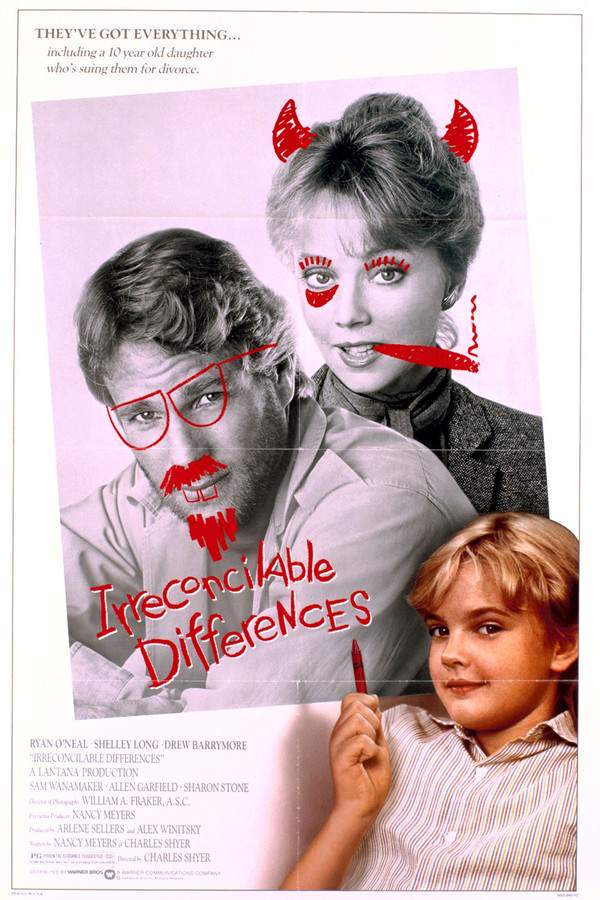
Movies with domestic tension and moral conflict like Man on Fire

Stories where personal flaws and relationship breakdowns create a steady, anxious mood. For viewers who enjoyed the anxious, character-focused drama of Man on Fire, this list features similar stories. These films share a steady pace and medium intensity, exploring how personal weaknesses and broken relationships create sympathetic yet tense narratives within a domestic setting.

  • anxious
  • melancholic
  • tense
  • domestic
  • contemplative
  • character-driven
  • Tone: bittersweet, melancholic, tense
  • Pacing: steady, character-driven
Why these movies?

The story pattern: The story unfolds at a steady pace, focusing on the psychological and emotional decay within a family or close relationship. A central conflict, often stemming from a character's flaw like alcoholism or bitterness, forces a painful but necessary reckoning. The journey is less about external events and more about internal moral and emotional compromises, culminating in a resolution that is realistic rather than perfectly happy.

Why they belong together: These movies are united by their shared mood and pacing. They create a specific vibe of anxious melancholy through a steady, character-driven narrative that explores moral conflicts in domestic settings. The emotional weight is medium, avoiding extreme trauma but seriously engaging with the consequences of human failings.

If you liked this

Movies Like Man on Fire

Similar movies to Man on Fire: the same genre, themes or kind of story. Each one comes with its own plot summary, timeline and ending explained.

Browse all movie summaries

Every angle

Man on Fire (1957) Explained: Plot, Timeline & Characters

Everything about Man on Fire in one place: what happens in the plot summary, the timeline in chronological order, the characters and meaning and a spoiler-free summary. What's After the Movie adds the cast, box office and post-credit scenes.

Coming soon on iOS and Android

The Plot Explained Movie Summary App

Plot summaries, endings explained and timelines on your phone. Catch up on any movie in minutes, save your favorites and never miss a twist again.

Be the first to know when we launch. Your email stays private, always.

Learn more about the app