Man on Fire

Man on Fire

Year: 1957

Runtime: 95 mins

Language: English

Director: Ranald MacDougall

Drama

Bitter over their divorce, a wealthy businessman deliberately blocks his ex‑wife from seeing their child. Determined to gain custody, she files a case, and a judge must weigh the parents’ conflict and decide what arrangement will truly serve the child’s best interests.

Warning: spoilers below!

Haven’t seen Man on Fire yet? This summary contains major spoilers. Bookmark the page, watch the movie, and come back for the full breakdown. If you're ready, scroll on and relive the story!

Timeline & Setting – Man on Fire (1957)

Explore the full timeline and setting of Man on Fire (1957). Follow every major event in chronological order and see how the environment shapes the story, characters, and dramatic tension.

Time period

Location

Earl Carleton's estate and business offices, courtroom, airport, Europe

The story moves through the opulent home of a powerful industrialist and his business spaces, illustrating how wealth shapes family power dynamics. Key courtroom scenes anchor the custody dispute, highlighting legal maneuvering and the weight of what is best for the child. The plot escalates with travel plans to Europe, underscoring the international reach of the characters' ambitions and the stakes of losing control. Overall, the settings emphasize a world of privilege grappling with family loyalties.

🏛️ Courtroom 🏡 Residence ✈️ Airport 🌍 Europe

Last Updated: October 04, 2025 at 16:32

Main Characters – Man on Fire (1957)

Meet the key characters of Man on Fire (1957), with detailed profiles, motivations, and roles in the plot. Understand their emotional journeys and what they reveal about the film’s deeper themes.

Earl Carleton (Bing Crosby)

Wealthy industrialist and Gwen's ex-husband, Earl is consumed by pride and the need to control Ted. After the divorce, he spirals into alcoholism and lashes out to protect his hold on the boy. His arc shifts from self-centered obstruction to reluctant acceptance of Ted's best interests.

💼 Wealth 🥃 Alcoholism 😡 Pride

Gwen Seward (Mary Fickett)

Earl's ex-wife who seeks partial custody but struggles with Ted's emotional needs. Her guilt grows as she realizes the hurt caused by the custody battle and the boy's unhappiness. She seeks a resolution that honors love and family over convenience.

🤝 Custody ❤️ Maternal love 😔 Guilt

Bryan Seward (Richard Eastham)

Gwen's new husband and a sharp attorney working for the State Department. He uses his influence to reopen the custody hearing, balancing professional duty with the personal stakes involved. His actions highlight the intersection of public power and private family matters.

⚖️ Legal influence 💼 State Department 🤝 Professional

Sam Dunstock (E.G. Marshall)

Earl's personal and business lawyer who handles the custody proceedings and serves as a counterweight to Earl's excesses. He grows disillusioned with Earl's self-pity and navigates the growing tension when Nina reveals her feelings for Earl.

💼 Lawyer 🧭 Strategy 🗂️ Authority

Nina Wylie (Inger Stevens)

Sam's new assistant who becomes entangled with Earl emotionally. Her loyalty is tested as she tries to protect Ted and support Sam, eventually confessing her love for Earl and complicating the case further.

💘 Love interest 💼 Assistant 😌 Tension

Judge Randolph (Anne Seymour)

The presiding judge at the custody hearing who privately weighs Ted's happiness. She ultimately awards Gwen full custody, reflecting a careful balance between legal principles and the boy's welfare.

⚖️ Justice 🧭 Impartial 🏛️ Authority

Ted Carleton (Malcolm Brodrick)

The son at the center of the dispute, loyal to Earl yet perceptive of Gwen's actions. His private statements to the judge reveal his attachment to his father and his suspicion of changes in the family dynamics.

👦 Child 💔 Loyalty 🧭 Innocence

Last Updated: October 04, 2025 at 16:32

Major Themes – Man on Fire (1957)

Explore the central themes of Man on Fire (1957), from psychological, social, and emotional dimensions to philosophical messages. Understand what the film is really saying beneath the surface.

⚖️ Custody conflict

The central tension centers on Ted's custody, exposing how parental love, money, and legal strategy intersect. The hearing reveals conflicting motives and the precarious balance between what parents want and what is truly best for the child. The narrative shows how power can override affection, at least temporarily, in high-stakes family disputes. The resolution turns on recognizing Ted's needs and the responsibilities of both parents.

❤️ Love vs duty

Gwen's desire to reclaim a bond with Ted clashes with Earl's possessive protectiveness and fear of losing control. Nina's unrequited love for Earl adds a layer of personal conflict that tests loyalties and professional boundaries. The story suggests that genuine care for a child must supersede adult desires and conveniences. Ultimately, the characters must choose mercy and the child's welfare over rivalry.

🕊️ Redemption

Earl confronts the consequences of his selfish behavior and emotional volatility, leading to a potential shift in his outlook. The narrative threads—Gwen's guilt, Nina's devotion, and Ted's needs—converge toward a more compassionate end. The ending emphasizes forgiveness and rebuilding family ties on a foundation of trust. Redemption is shown not as erasing past mistakes, but choosing the child's well-being moving forward.

Last Updated: October 04, 2025 at 16:32

Mobile App Preview

Coming soon on iOS and Android

The Plot Explained Mobile App

From blockbusters to hidden gems — dive into movie stories anytime, anywhere. Save your favorites, discover plots faster, and never miss a twist again.

Sign up to be the first to know when we launch. Your email stays private — always.

Explore Movie Threads

Discover curated groups of movies connected by mood, themes, and story style. Browse collections built around emotion, atmosphere, and narrative focus to easily find films that match what you feel like watching right now.

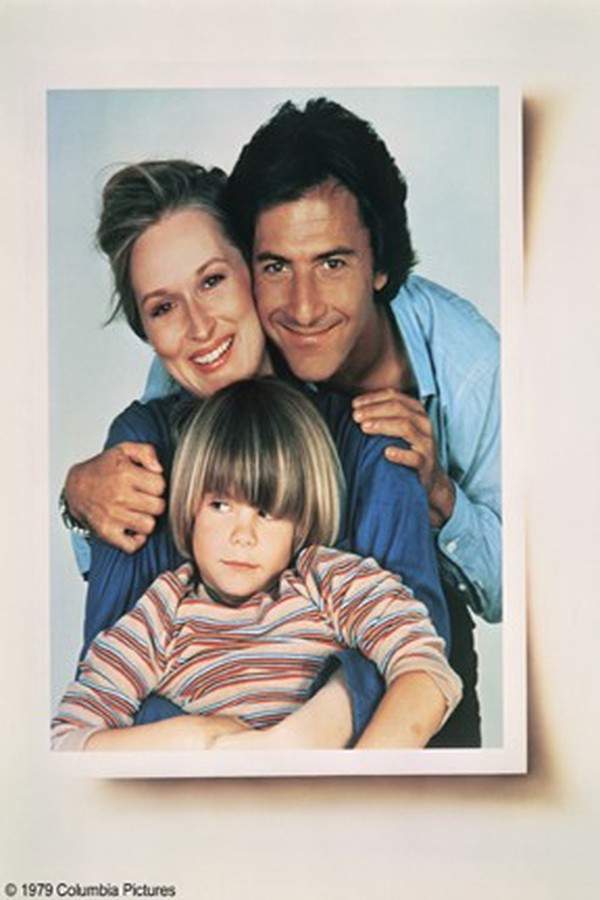
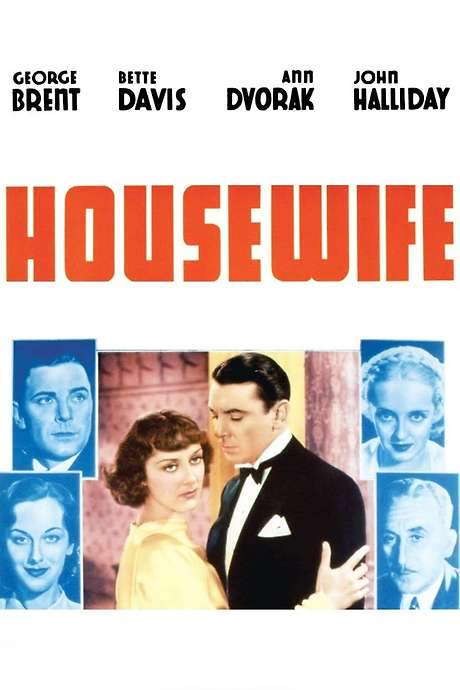
Custody battle dramas with emotional compromise like Man on Fire

Emotional legal battles where parents must put their child's needs above their own bitterness.If you liked the tense, character-driven custody battle in Man on Fire, you'll appreciate these movies. They explore similar themes of post-divorce conflict, parental love, and the difficult legal and emotional compromises required for a child's best interests.

tenseanxiousmelancholicsympatheticdomesticcontemplativeemotional

Narrative Summary

The narrative typically follows a bitter separation that escalates into a legal custody fight. Through court proceedings and personal revelations, the parents' selfishness is challenged, forcing them to grow emotionally. The climax is seldom a clear win but a nuanced arrangement that sacrifices parental pride for the child's stability, resulting in a bittersweet but hopeful ending.

Why These Movies?

These films are grouped together because they share a specific thematic core: the intersection of family law and raw human emotion. They balance legal tension with deep character study, creating a similarly anxious, melancholic, yet ultimately sympathetic viewing experience focused on domestic conflict and personal growth.

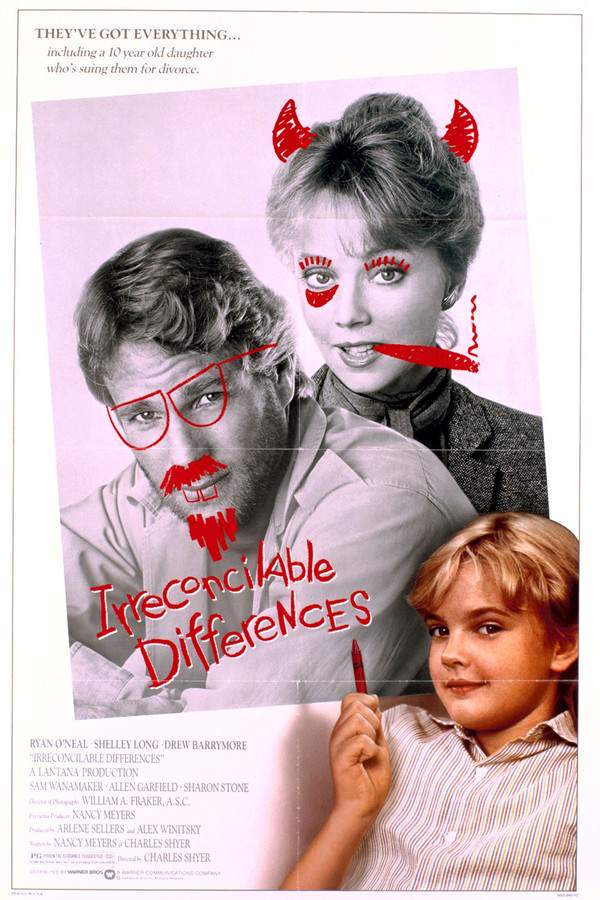
Movies with domestic tension and moral conflict like Man on Fire

Stories where personal flaws and relationship breakdowns create a steady, anxious mood.For viewers who enjoyed the anxious, character-focused drama of Man on Fire, this list features similar stories. These films share a steady pace and medium intensity, exploring how personal weaknesses and broken relationships create sympathetic yet tense narratives within a domestic setting.

anxiousmelancholictensedomesticcontemplativecharacter-drivensympatheticmoral

Narrative Summary

The story unfolds at a steady pace, focusing on the psychological and emotional decay within a family or close relationship. A central conflict, often stemming from a character's flaw like alcoholism or bitterness, forces a painful but necessary reckoning. The journey is less about external events and more about internal moral and emotional compromises, culminating in a resolution that is realistic rather than perfectly happy.

Why These Movies?

These movies are united by their shared mood and pacing. They create a specific vibe of anxious melancholy through a steady, character-driven narrative that explores moral conflicts in domestic settings. The emotional weight is medium, avoiding extreme trauma but seriously engaging with the consequences of human failings.

Unlock the Full Story of Man on Fire

Don't stop at just watching — explore Man on Fire in full detail. From the complete plot summary and scene-by-scene timeline to character breakdowns, thematic analysis, and a deep dive into the ending — every page helps you truly understand what Man on Fire is all about. Plus, discover what's next after the movie.

Man on Fire Summary

Read a complete plot summary of Man on Fire, including all key story points, character arcs, and turning points. This in-depth recap is ideal for understanding the narrative structure or reviewing what happened in the movie.

Man on Fire Summary

Man on Fire Timeline

Track the full timeline of Man on Fire with every major event arranged chronologically. Perfect for decoding non-linear storytelling, flashbacks, or parallel narratives with a clear scene-by-scene breakdown.

Man on Fire Timeline

Man on Fire Spoiler-Free Summary

Get a quick, spoiler-free overview of Man on Fire that covers the main plot points and key details without revealing any major twists or spoilers. Perfect for those who want to know what to expect before diving in.

Man on Fire Spoiler-Free Summary

More About Man on Fire

Visit What's After the Movie to explore more about Man on Fire: box office results, cast and crew info, production details, post-credit scenes, and external links — all in one place for movie fans and researchers.

More About Man on Fire

Similar Movies to Man on Fire

Discover movies like Man on Fire that share similar genres, themes, and storytelling elements. Whether you’re drawn to the atmosphere, character arcs, or plot structure, these curated recommendations will help you explore more films you’ll love.