Plot Explained Spoilers guaranteed!
Plot Explained

Browse by genre

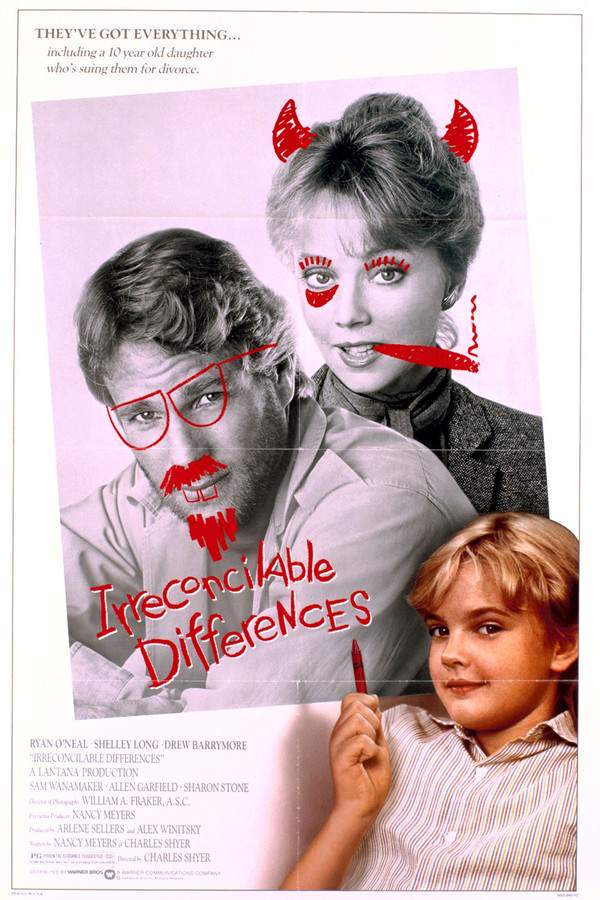
Irreconcilable Differences (1984) movie poster

Plot Summary

Irreconcilable Differences (1984) Plot Summary Explained

Release, runtime and language
1984 · 113 min · English
Loading streaming availability…
Directed by
Charles Shyer
Starring
Drew Barrymore, Ryan O'Neal, Shelley Long, Sharon Stone, Sam Wanamaker, Allen Garfield

A successful filmmaker and his writer wife find their marriage strained by the pressures of their demanding careers, impacting their young daughter. When Casey initiates divorce proceedings, the couple is forced to confront the fallout of their choices and the impact on their family. They must navigate the complexities of separation while re-evaluating their relationship and the well-being of their child.

On this page (6)
  1. 1 Where to watch
  2. 2 What happens: full plot
  3. 3 Plot questions answered
  4. 4 Movie threads
  5. 5 Movies like Irreconcilable Differences
  6. 6 Every angle
Loading streaming availability…

Full plot summary · contains spoilers

What Happens in Irreconcilable Differences: Full Plot Summary

The whole story of Irreconcilable Differences (1984) explained, from the opening scene to the final frame: every key event, every twist and what it all adds up to. Read it as a quick recap before the sequel, to check a scene you missed, or to finally understand what really happened.

As the chaotic decision to appoint Maria Hernandez as her guardian unfolds, Casey Brodsky finds herself at the center of a media storm that forces her parents, Albert and Lucy Brodsky, to confront the complexities of their own lives. This frenzy reveals the self-absorbed nature of this couple, whose private ambitions have long been cloaked in secrecy. The driving force behind this upheaval is Casey, who is wearied by the strife stemming from her parents' troubled marriage.

Albert Brodsky's journey takes a pivotal turn one fateful January night in 1973, when he scores a ride from Lucy van Patten, an aspiring children’s author caught in the web of her upcoming wedding to the gruff Navy man, “Bink.” As they navigate the scenic routes of Indiana, Lucy begins to shed her reservations, finding comfort in Albert’s engaging spirit. Eventually, they get married, united by a shared love for storytelling.

After relocating to California, Albert is presented with a chance to collaborate with a well-known Hollywood producer, tasked with reviving a script that had gathered dust. Lucy's gifted writing skills become crucial in helping him overcome his creative stagnation, enabling them to co-create a cinematic gem that ultimately earns Academy Award acclaim for Best Director. However, behind this success, their marriage begins to fray.

As Albert dives deeper into his career, Lucy's resentment grows stronger, feeling neglected and unrecognized for her influence on the screenplay. This unacknowledged partnership leads to her decision to divorce him, intensifying the challenges that Casey faces as Maria becomes her main caregiver during their tumultuous parenting situation.

It's during this time that Albert becomes infatuated with Blake Chandler, a charming young woman he spots working at a hot dog stand. She lands a role in his next film, which achieves modest success, but their budding collaboration only serves to deepen the rift with Lucy. In a decisive move, she files for divorce, compelling Albert to reflect on the repercussions of his choices and the fragility of his once-happy marriage.

Following the separation, Albert guarantees that Lucy retains custody of Casey, while he retreats to a lavish Hollywood abode where Blake plays a significant role in his life. With this new arrangement, it's evident that the most significant cost of the divorce is not merely their own happiness but also Casey's emotional stability.

As Lucy's suppressed frustrations boil over, she embraces the chance to pen a revealing tell-all novel, pouring her heart into the work and capturing her tumultuous journey. Meanwhile, Albert’s high standards lead him astray, culminating in the disastrous production of a musical adaptation of Gone with the Wind, titled Atlanta, which further isolates him in Hollywood, compounded by Blake's demanding behavior on set.

In a surprising twist, Lucy’s book becomes an overnight success, propelling her to literary acclaim and allowing her to reclaim the luxurious mansion once owned by Albert. As she settles into her new reality, Lucy starts mirroring some qualities she had once criticized in Albert, gradually transforming into a persona evocative of a diva.

In a climactic showdown, Albert and Lucy’s clash over Casey's custody culminates in an emotional tug-of-war, leaving their daughter devastated. This turmoil drives Casey to make the heart-wrenching decision to distance herself from both parents, seeking comfort with Maria and her family.

In court, Casey delivers a heartfelt testimony underscoring the significance of parental responsibility amid the fallout from her parents’ divorce. Witnessing the weight of their actions, both Albert and Lucy find themselves moved to tears. Ultimately, the court grants Maria legal custody over Casey, offering a semblance of resolution to this chaotic chapter.

Months roll by, and Albert slowly begins to restore his career, participating in lower-profile work, such as TV commercials and sitcoms, as a potential B-movie directing project lies ahead. Lucy, too, nurtures a return to her more grounded self. When fate brings both parents to Maria’s house for visitation, they decide to momentarily set aside their differences and share a meal at a family restaurant – a touching reminder that even amidst sadness, there remains a flicker of hope and healing.
Last updated: November 17, 2024 at 22:12

Was this helpful?

Plot questions answered

Irreconcilable Differences Plot Explained: Your Questions Answered

The questions people ask most about Irreconcilable Differences (1984): what happens in the confusing scenes, why the characters do what they do, the twists, hidden details and what the ending means. Each answer contains spoilers.

Q1

Why did Lucy agree to marry Albert so quickly after they first met?

Lucy was an aspiring children's author on the verge of marrying a man she didn't love, "Bink" the gruff Navy man. During the ride through Indiana, she found Albert's engaging spirit refreshing and began shedding her reservations. The shared love for storytelling created an instant connection that led to their marriage shortly after meeting.

Foreshadowing: Early in their meeting, Lucy already expresses doubts about her impending wedding to Bink, hinting at her willingness to abandon her plans.

  • lucy van patten
  • albert brodsky
  • marriage
  • indiana
  • love at first sight
Q2

How did Lucy's writing contribute to Albert's Academy Award success?

Albert received an opportunity to work with a renowned Hollywood producer to revive a long-forgotten script, but he was experiencing creative stagnation. Lucy's gifted writing skills became crucial in helping him overcome this block, enabling them to co-create a cinematic gem that earned an Academy Award for Best Director, though Lucy's contributions went largely unacknowledged.

  • lucy writing
  • albert brodsky
  • academy award
  • screenplay
  • hollywood success
Q3

Why did Lucy decide to file for divorce from Albert?

Lucy filed for divorce because she felt neglected and unappreciated for her influence on Albert's successful screenplay. As Albert dove deeper into his career, her resentment grew stronger. The discovery of Albert's infatuation with Blake Chandler, whom he met at a hot dog stand and cast in his next film, further deepened the rift and prompted her decisive move.

Foreshadowing: The marriage begins to fray as Albert becomes increasingly focused on career success, leaving Lucy's contributions unrecognized.

  • lucy divorce
  • albert affair
  • blake chandler
  • marriage breakdown
  • resentment
Q4

What was Albert's Atlanta movie and why did it fail?

Atlanta was Albert's musical adaptation of Gone with the Wind, a project driven by his high standards and pursuit of commercial success. The production became disastrous and was poorly received, further isolating him in Hollywood. The failure was compounded by Blake's demanding behavior on set, which created additional tension during filming.

  • atlanta movie
  • albert brodsky
  • gone with the wind
  • box office failure
  • hollywood
Q5

Why did Lucy start acting like Albert after her book became successful?

After Lucy's tell-all novel became an overnight success, granting her literary acclaim and allowing her to reclaim Albert's luxurious mansion, she began mirroring the self-absorbed qualities she had once criticized in him. This transformation showed how the very traits she despised in Albert had seeped into her own personality as she gained success and power.

  • lucy transformation
  • tell-all book
  • success
  • personality change
  • irony
Q6

Why did Casey choose Maria Hernandez as her guardian instead of her parents?

Casey was wearied by the constant strife stemming from her parents' troubled marriage. The media storm surrounding her guardians' appointment forced Albert and Lucy to confront their self-absorbed nature. In the custody battle, Casey made the heart-wrenching decision to distance herself from both parents, seeking stability and comfort with Maria and her family.

Foreshadowing: The chaotic media frenzy over Casey's guardian appointment reveals how the couple's private ambitions have long been cloaked in secrecy, directly impacting their daughter.

  • casey brodsky
  • maria hernandez
  • guardian
  • custody
  • parental neglect
Q7

Why did the court award custody of Casey to Maria instead of her parents?

During the custody battle, Casey delivered a heartfelt court testimony emphasizing the importance of parental responsibility amid the fallout from her parents' divorce. Her words profoundly affected both Albert and Lucy, leaving them in tears. Witnessing the weight of their actions on their daughter, the court granted legal custody to Maria, recognizing that she could provide the stability Casey desperately needed.

  • court custody
  • maria hernigan
  • casey testimony
  • judge decision
  • family court
Q8

Why did Albert and Lucy cry during Casey's testimony in court?

Both Albert and Lucy were deeply moved to tears by Casey's heartfelt testimony about the importance of parental responsibility. The moment forced them to confront the devastating impact their divorce and years of neglect had on their daughter. It was a turning point that revealed to them the emotional damage their choices had caused.

  • casey testimony
  • parents crying
  • emotional breakdown
  • court scene
  • regret
Q9

What was the root cause of Albert and Lucy's marriage breaking down?

The marriage unraveled primarily due to Albert's obsessive focus on his career at the expense of recognizing Lucy's contributions. While Lucy's writing helped Albert achieve Academy Award success, her influence went unacknowledged, fueling her resentment. The subsequent infatuation with Blake Chandler further escalated the tension, leading Lucy to file for divorce.

  • marriage breakdown
  • career vs family
  • neglect
  • divorce cause
  • relationship failure
Q10

Why did Lucy write a tell-all novel about her marriage?

Lucy wrote the tell-all novel because her suppressed frustrations from years of feeling neglected and unappreciated had boiled over. Seeking a voice and a way to process her experiences, she poured her heart into detailing her tumultuous journey within the marriage. The book resonated with readers and became an overnight success, propelling her to literary acclaim.

  • lucy book
  • tell-all novel
  • bestselling
  • marriage story
  • author success
Q11

Why did Albert move to a lavish Hollywood home after the divorce?

After the separation, Albert guaranteed that Lucy would retain custody of Casey, while he retreated to a luxurious Hollywood abode. This retreat was largely driven by his relationship with Blake, who played a significant role in his life during this period. The move symbolized his continued prioritization of his career and new romantic interests over family responsibilities.

  • albert hollywood house
  • blake chandler
  • luxury lifestyle
  • divorce aftermath
Q12

What does the final family meal scene signify in the movie?

The final shared meal at a family restaurant represents a bittersweet reminder that even amidst sadness, there remains a flicker of hope and healing. When Albert and Lucy momentarily set aside their differences to meet at Maria's house for visitation, they decided to share this meal together. It signals a fragile step toward possible reconciliation, showing that despite their failures, the bonds between them have not been completely severed.

Foreshadowing: The earlier court testimony and custody decision planted the seeds for this moment of reflection and potential healing.

  • final scene
  • family meal
  • hope
  • reconciliation
  • healing
  • closure

Movie threads

More Movies Like Irreconcilable Differences, by Mood & Story

Curated lists built around what makes Irreconcilable Differences tick: the same mood, the same kind of story or the same emotional payoff. Each list explains why these movies belong together.

Movies about fame and family like Irreconcilable Differences

Stories exploring the corrosive effects of ambition and success on personal relationships. If you liked Irreconcilable Differences, you'll appreciate these films that explore the tension between professional ambition and personal life. Discover similar movies about creative partnerships, the price of fame, and the impact of career demands on marriages and children.

  • introspective
  • critical
  • nostalgic
  • melancholic
  • resigned
  • hopeful
  • Tone: bittersweet, critical, melancholic
  • Pacing: steady, reflective
Why these movies?

The story pattern: These narratives often follow ambitious, successful couples or individuals whose professional lives begin to consume their personal ones. The central conflict arises from the clash between public achievement and private failure, frequently using flashbacks to contrast early hope with later disillusionment, culminating in a reckoning with the choices made.

Why they belong together: They are grouped by their shared focus on the thematic conflict between ambition and intimacy. They share a bittersweet, introspective mood and a steady, reflective pacing that allows for a deep examination of character and consequence, rather than a sensationalized one.

Movies about divorce from a child's perspective like Irreconcilable Differences

Emotional stories centered on a child's experience of their parents' separation. Find movies similar to Irreconcilable Differences that explore divorce and family dysfunction through the eyes of a child. These dramas capture the sadness and complexity of parental separation, focusing on themes of neglect, resilience, and the search for stability.

  • melancholic
  • sad
  • hopeful
  • nostalgic
  • resigned
  • introspective
  • Tone: bittersweet, sad, hopeful
  • Pacing: steady, character-driven
Why these movies?

The story pattern: The narrative pattern often involves a child protagonist who, feeling neglected or caught in the crossfire of their parents' conflict, takes an action that forces the adults to confront the consequences of their behavior. The story structure may blend present-day crisis with nostalgic flashbacks to happier times, highlighting the journey from a stable family unit to its dissolution.

Why they belong together: These films share a specific emotional core: a medium to high sadness score stemming from a child's vulnerability, combined with a bittersweet tone that acknowledges the pain while leaving room for hope and healing. The pacing is character-driven and steady, allowing the emotional impact to resonate.

If you liked this

Movies Like Irreconcilable Differences

Similar movies to Irreconcilable Differences: the same genre, themes or kind of story. Each one comes with its own plot summary, timeline and ending explained.

Browse all movie summaries

Every angle

Irreconcilable Differences (1984) Explained: Plot, Timeline & Characters

Everything about Irreconcilable Differences in one place: what happens in the plot summary, the timeline in chronological order, the characters and meaning and a spoiler-free summary. What's After the Movie adds the cast, box office and post-credit scenes.

Coming soon on iOS and Android

The Plot Explained Movie Summary App

Plot summaries, endings explained and timelines on your phone. Catch up on any movie in minutes, save your favorites and never miss a twist again.

Be the first to know when we launch. Your email stays private, always.

Learn more about the app