Plot Explained Spoilers guaranteed!
Plot Explained

Browse by genre

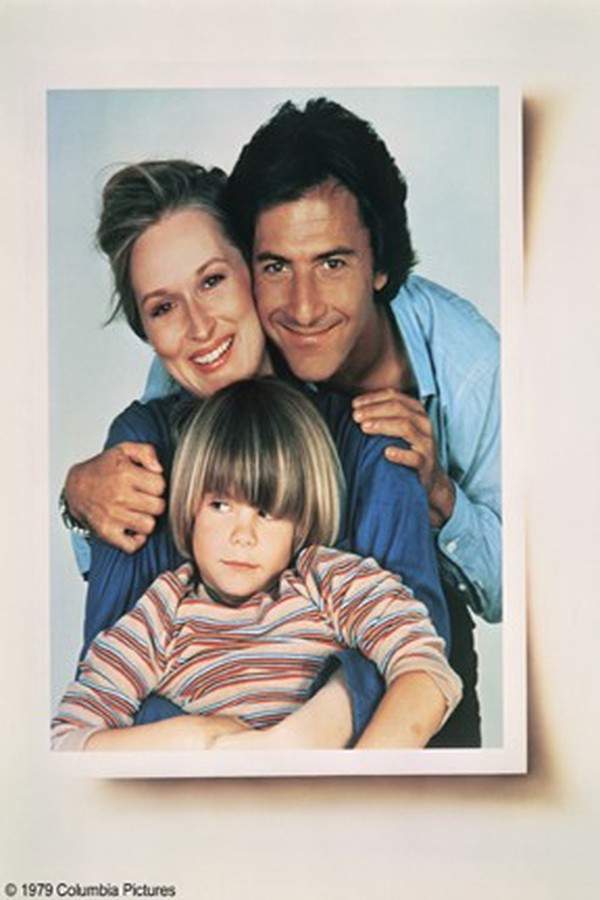
Kramer vs. Kramer (1979) movie poster

Plot Summary

Kramer vs. Kramer (1979) Plot Summary Explained

Release, runtime and language
1979 · 105 min · English
Loading streaming availability…
Directed by
Robert Benton
Starring
Meryl Streep, Dustin Hoffman

After his wife unexpectedly leaves, advertising executive Ted Kramer finds himself a single parent, navigating the challenges of raising their young son, Billy. He develops a close relationship with Billy as they adjust to their new life, but the unexpected return of Joanna throws everything into turmoil. A difficult custody battle ensues, forcing Ted and Joanna to confront their feelings and examine the complexities of love, sacrifice, and what truly defines a family.

On this page (6)
  1. 1 Where to watch
  2. 2 What happens: full plot
  3. 3 Plot questions answered
  4. 4 Movie threads
  5. 5 Movies like Kramer vs. Kramer
  6. 6 Every angle
Loading streaming availability…

Full plot summary · contains spoilers

What Happens in Kramer vs. Kramer: Full Plot Summary

The whole story of Kramer vs. Kramer (1979) explained, from the opening scene to the final frame: every key event, every twist and what it all adds up to. Read it as a quick recap before the sequel, to check a scene you missed, or to finally understand what really happened.

Ted Kramer, played by Dustin Hoffman, is a dedicated advertising executive who is delighted to share his recent promotion as the creative director with his wife, Meryl Streep. However, his world turns upside down when she announces her decision to leave him and their young son, Billy. Joanna takes $2000 from their savings, the amount she brought into the marriage, demonstrating her resolve to leave. Despite Ted's desperate attempts to persuade her to stay, Joanna is unwavering.

As the days unfold, both Ted and Billy struggle with their new reality. Ted, absorbed in his heavy workload, finds it increasingly difficult to connect with Billy, who longs for his mother's affection. The father-son duo is initially at odds, as Ted attempts to juggle his job responsibilities while Billy copes with the absence of his mother. Ted's inexperience in managing household routines becomes evident when he makes a mess while trying to prepare breakfast for Billy, resulting in burnt hands and a chaotic morning.

In the workplace, Ted's boss, Jim O'Connor, expresses concern over Ted's distractions but insists he remain focused on his demanding new account. Ted promises to manage both his work and parenting, but challenges arise, particularly when Billy unintentionally ruins his work with a spilled drink. As they venture out for groceries, Ted starts dismantling the family pictures that remind him of Joanna, leaving only one for Billy's room which he reluctantly keeps.

Despite the initial turmoil, the bond between Ted and Billy gradually strengthens. Ted implements rules about screen time and healthy eating, asserting his role as a responsible father while learning to navigate the challenges of single parenthood. Ted’s attendance at Billy's school events reflects his commitment, even as he finds himself entangled in a relationship with a co-worker, Phyllis Bernard.

His friendship with neighbor Margaret, a fellow single parent, blossoms as they share their challenges and support one another through their new lives. Tragedy strikes when Billy suffers an injury at the park, prompting Ted to rush him to the hospital, deepening their connection through shared experiences.

The situation escalates when Joanna returns from California, seeking custody of Billy, igniting a fierce legal battle that tests both parents. Ted's financial strain grows as he hires a lawyer, who urges him to secure employment to bolster his case. During the contentious custody hearing, both Ted and Joanna face intense scrutiny from their legal representatives. Joanna's past and present are laid bare, and damaging evidence regarding Ted’s job loss due to his parenting commitments emerges.

The court ultimately awards custody to Joanna, citing the tender years doctrine, leaving Ted heartbroken but aware that contesting the decision could put Billy through emotional turmoil. In a poignant final morning together, Ted prepares breakfast with Billy, a bittersweet echo of their earlier struggles. When Joanna arrives to take Billy, she reveals her true feelings for him, ultimately deciding not to take custody, acknowledging that his true home is with Ted. As she steps into the elevator, there's a moment of painful nostalgia, where Ted reassures her with a simple affirmation, “Terrific.”
Last updated: November 08, 2024 at 00:17

Was this helpful?

Plot questions answered

Kramer vs. Kramer Plot Explained: Your Questions Answered

The questions people ask most about Kramer vs. Kramer (1979): what happens in the confusing scenes, why the characters do what they do, the twists, hidden details and what the ending means. Each answer contains spoilers.

Q1

Why did Joanna leave Ted and Billy?

Joanna felt trapped in her role as a wife and mother with no identity of her own. She had given up her own aspirations and felt invisible to Ted, who was entirely absorbed in his career. Her departure was about reclaiming her sense of self, not about lacking love for Billy.

Foreshadowing: Earlier scenes show Joanna's quiet resignation during Ted's celebration of his promotion, hinting at her deeper unhappiness.

  • joanna kramer
  • divorce
  • marriage breakdown
  • self-identity
Q2

How did Ted adapt to single parenthood?

Ted struggled initially, failing at basic tasks like making breakfast and balancing work with childcare. Over time, he learned by implementing routines, attending Billy's school events, and prioritizing his son's needs. His growth as a father came through practical experience and genuine commitment.

Foreshadowing: The chaotic morning scene where Ted burns his hands preparing breakfast establishes his inexperience, which later makes his eventual competence more meaningful.

  • ted kramer
  • single father
  • parenting growth
  • character development
Q3

Why did Joanna return to fight for custody after leaving?

After establishing herself in California and gaining financial stability, Joanna realized she couldn't live without Billy. Her return wasn't about winning against Ted, but about being present in her son's life after having abandoned him. She wanted to make amends for her decision to leave.

Foreshadowing: Joanna's initial departure involved taking only the $2000 she brought into the marriage, suggesting she planned to start fresh, but her love for Billy drew her back.

  • joanna return
  • custody fight
  • california
  • motherhood
Q4

What was the tender years doctrine and why did it favor Joanna?

The tender years doctrine was a legal presumption that young children belonged with their mothers. The court applied this outdated standard in 1979, awarding custody to Joanna despite Ted's demonstrated commitment to Billy. The ruling reflected era-specific gender biases in family law.

Foreshadowing: The custody hearing explicitly references this doctrine, showing how legal standards of the time superseded what might have been a more equitable assessment of Ted's parenting.

  • tender years doctrine
  • court ruling
  • legal precedent
  • 1979
Q5

Why did Ted lose his job and how did it affect his custody case?

Ted was distracted by his parenting responsibilities and missed important work commitments. His boss Jim O'Connor had warned him to focus on the account, but Ted's priorities shifted to Billy. When he lost his job, his lawyer warned that unemployment would damage his custody prospects, as it appeared he couldn't provide for his son.

Foreshadowing: Earlier workplace scenes show Ted missing deadlines and being distracted, establishing the pattern that led to his termination.

  • ted job loss
  • work
  • custody case
  • attorney
Q6

What happened when Billy got injured at the park?

Billy fell from a piece of playground equipment and was seriously hurt. Ted rushed him to the hospital, where the stress of the situation forced Ted to confront how much Billy meant to him. This crisis deepened their bond significantly, showing Ted that his role as a father was more important than any career achievement.

Foreshadowing: Earlier scenes show Ted and Billy frequently at odds, making this shared trauma a turning point in their relationship.

  • billy injury
  • hospital
  • park
  • father son bond
Q7

Why did Joanna decide not to take Billy at the end?

Joanna realized that Billy's true home was with Ted. Having witnessed the strong bond between father and son, she understood that removing Billy from that environment would cause him harm. Her decision was selfless, she chose her son's stability over her own desire to be with him.

Foreshadowing: The final morning scene mirrors the earlier chaotic breakfast, showing how far Ted and Billy have come, which Joanna observes before making her decision.

  • joanna decision
  • custody ending
  • selfless act
  • family
Q8

What was the significance of the $2000 Joanna took?

The $2000 represented money Joanna had brought into the marriage. By taking only this amount, she was legally and symbolically claiming only what was originally hers, not any of Ted's earnings or assets. This act demonstrated her resolve to start completely fresh and not rely on Ted financially.

Foreshadowing: This early detail establishes Joanna's independence and deliberate separation from Ted's life.

  • money
  • savings
  • marriage
  • financial independence
Q9

How did Ted and Billy's relationship evolve throughout the movie?

They started as strangers struggling to connect, Ted overwhelmed by parenting duties, Billy grieving his mother. Through shared hardships like the chaotic mornings, grocery trips, and Billy's injury, they developed a genuine father-son bond. Ted learned to prioritize Billy, and Billy learned to trust his father's love.

Foreshadowing: The progression from Ted's failed breakfast attempt to his competent cooking in the final scene tracks their entire emotional journey.

  • father son relationship
  • bonding
  • growth
  • Billy
Q10

What did Ted mean when he said "Terrific" at the end?

When Joanna asks if he'll be okay and Ted replies "Terrific," it's a bitter callback to his excited announcement about his promotion at the movie's start. The word now carries immense irony, he's lost his wife but gained his son, making the statement both hopeful and heartbreaking.

Foreshadowing: The opening scene of Ted celebrating his promotion establishes "terrific" as his word for success and happiness, making its final use deeply poignant.

  • terrific
  • ending
  • irony
  • callback

Movie threads

More Movies Like Kramer vs. Kramer, by Mood & Story

Curated lists built around what makes Kramer vs. Kramer tick: the same mood, the same kind of story or the same emotional payoff. Each list explains why these movies belong together.

Intimate family crisis dramas like Kramer vs. Kramer

Stories where the fabric of a family unravels, forcing individuals to confront their roles. If you were moved by the raw emotional conflict in Kramer vs. Kramer, these movies explore similar themes of marital breakdown, custody battles, and personal growth under stress. Find other dramas that capture the quietly devastating feel of a family in crisis.

  • relational
  • stressful
  • emotionally raw
  • introspective
  • melancholic
  • tender
  • Tone: emotionally raw, stressful, bittersweet
  • Pacing: steady, character-driven
Why these movies?

The story pattern: These narratives typically focus on a pivotal event—like a divorce, death, or revelation—that shatters a family's equilibrium. The story then follows the painful process of adaptation, legal or emotional battles, and the reconfiguration of parent-child bonds, often ending with a bittersweet acceptance of a new reality.

Why they belong together: They are grouped by their shared focus on domestic turmoil, their emotionally raw and stressful tone, and their examination of complex moral and familial duties. The viewing experience is characterized by high relational stakes and a grounded, realistic feel.

Bittersweet transformation stories like Kramer vs. Kramer

Character arcs where profound personal change comes at a significant emotional cost. For viewers who admired Ted Kramer's journey in Kramer vs. Kramer, this collection features movies about characters who undergo major personal growth through hardship. Discover stories where transformative change is earned, but the ending feels realistically bittersweet.

  • bittersweet
  • tender
  • introspective
  • hopeful
  • melancholic
  • emotional growth
  • Tone: bittersweet, tender, melancholic
  • Pacing: steady, methodical
Why these movies?

The story pattern: The protagonist starts with a flaw or emotional distance, often related to family or responsibility. A forced change of circumstances—like becoming a single parent—acts as a crucible. The narrative focuses on the daily struggles and small victories of adaptation, culminating in a new, better self, though the victory is tempered by what was lost along the way.

Why they belong together: They share a core narrative pattern of a reluctant hero rising to a challenge, resulting in strong character development. The tone balances tender, hopeful moments with painful realities, and the pacing is steady, allowing the audience to feel the weight and reward of the transformation.

If you liked this

Movies Like Kramer vs. Kramer

Similar movies to Kramer vs. Kramer: the same genre, themes or kind of story. Each one comes with its own plot summary, timeline and ending explained.

Browse all movie summaries

Every angle

Kramer vs. Kramer (1979) Explained: Plot, Timeline & Characters

Everything about Kramer vs. Kramer in one place: what happens in the plot summary, the timeline in chronological order, the characters and meaning and a spoiler-free summary. What's After the Movie adds the cast, box office and post-credit scenes.

Coming soon on iOS and Android

The Plot Explained Movie Summary App

Plot summaries, endings explained and timelines on your phone. Catch up on any movie in minutes, save your favorites and never miss a twist again.

Be the first to know when we launch. Your email stays private, always.

Learn more about the app