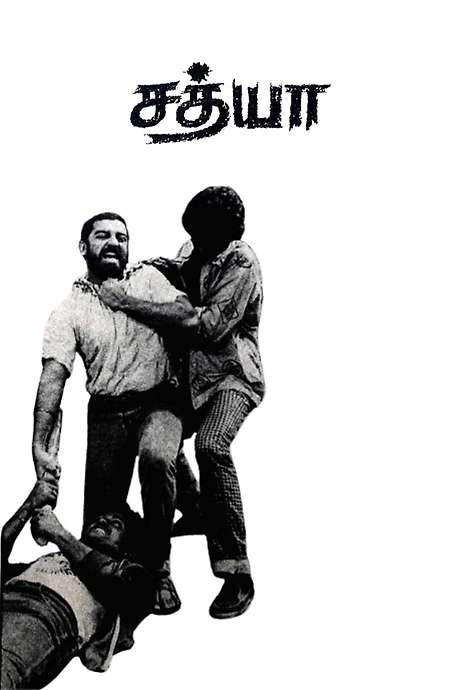
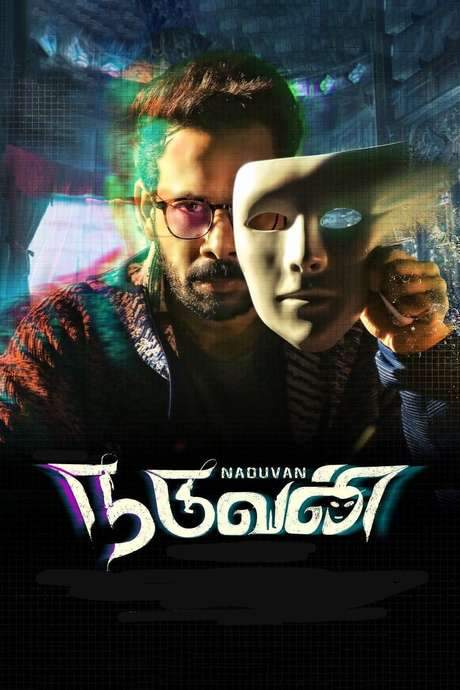
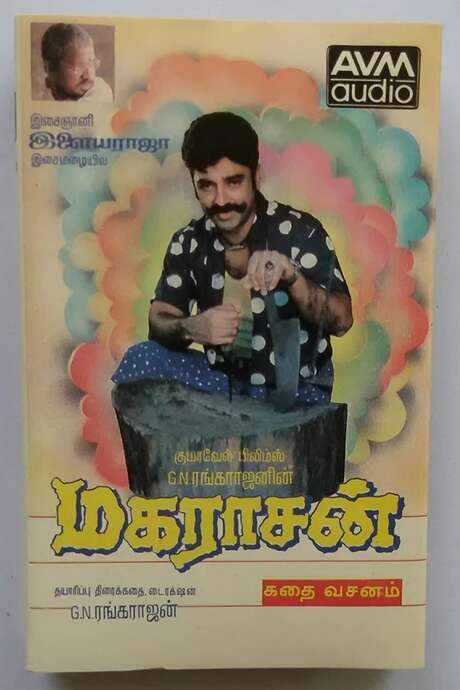
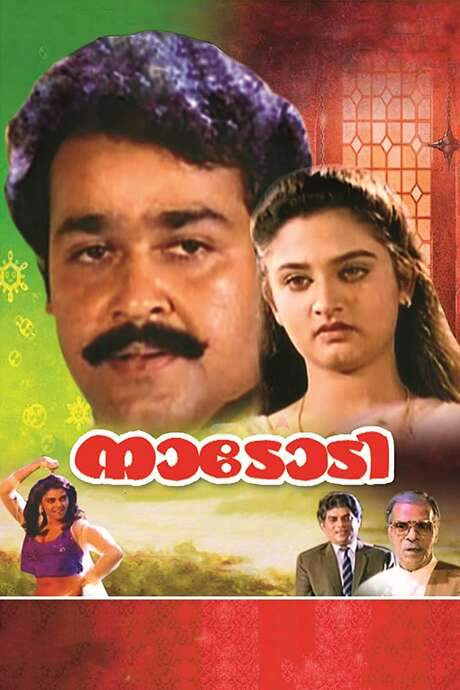
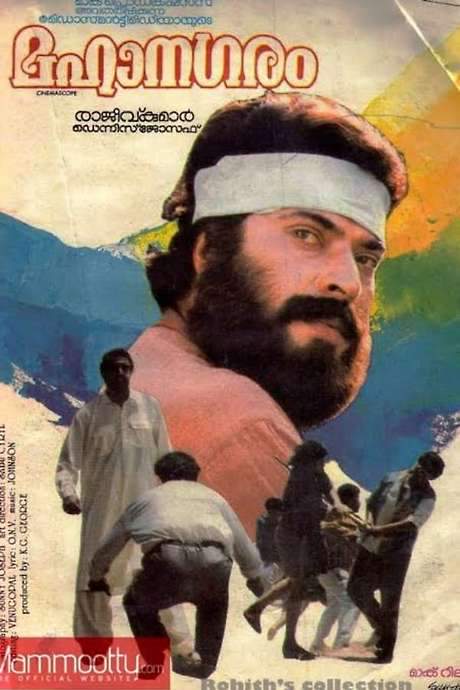
Sathya, a sharp but opportunistic junior artiste, grabs a golden chance to act as a hero and quickly twists that break into genuine superstardom. As his fame swells, a powerful force behind the scenes—the corrupt politician and party chief Arivanandham—spots an opening and nudges Sathya toward politics, seeing him as the perfect vehicle to capture the public imagination. Sathya agrees, and his meteoric rise is enough to earn him a place on the political stage as the Chief Minister candidate for a party riding high on his name alone.
When the party wins a brute majority, Sathya ascends to the office of Chief Minister, his popularity giving him immense leverage. Yet power brings a heavy burden. He begins a sweeping crackdown on corruption, jailing ministers—including Arivanandham—and launching aggressive raids on their residences. The political chessboard grows murky, and the narrative shifts, moving into a flashback that reveals the real root of Sathya’s transformation.
In that backstory, Muthu—a diehard fan of Sathya—suffers a brutal blow when a clash between rival actor fans costs him his right hand. The incident leaves a deep mark on Sathya, who discovers the brutal extent of his fans’ devotion and how power can affect those who worship him. This tragedy changes Sathya’s approach to leadership, and he begins to care more personally for the people who stand by him. The bond between Sathya and Muthu grows, grounding Sathya’s later decisions in a sense of responsibility to those who support him.
As the oath-taking ceremony looms, the threat from Arivanandham intensifies. The scheming politician plots to eliminate Sathya by planting bombs in the wedding hall of Muthu’s wedding, an act designed to cripple Sathya’s ascent. Sathya narrowly escapes the blast, but Muthu does not survive. The heartbreak becomes a catalyst for Sathya’s resolve to enact reform and deliver justice in a harsher, more uncompromising way.
Back in the present, Sathya unleashes a program of reform across the government. He dismisses many corrupt ministers and elevates a new generation of leaders who are eager to serve with a cleaner, more dynamic approach. In a symbolic handover, he resigns and names Devika, an IAS officer who has demonstrated extraordinary service, as the Chief Minister. Devika steps into the role, embodying the new direction Sathya set in motion, and walks away as the film closes, leaving the audience with a nuanced meditation on power, loyalty, and reform.