Year: 1977
Runtime: 160 mins
Language: Kannada
Director: Hunsur Krishnamurthy
Babhruvahana, like Arjuna at the start of the Kurukshetra war, faces a moral dilemma: can he strike his own parents? Chitarangada urges Arjuna to exploit Babhruvahana’s brief devotion, recalling Arjuna’s clash with Karna, while Uluci, a Naga princess and another abandoned wife of Arjuna, warns that battlefield duty permits no parental feelings. He must protect his mother’s honor to preserve his character, a conflict the film portrays with striking intensity and reverent homage to the Mahabharata’s themes of duty and filial righteousness.
Find where to stream, rent, or buy Babruvahana (1977) in the US with current JustWatch availability, up-to-date pricing, and platform listings for subscription, rental, and digital purchase options.
Warning: spoilers below!
Haven’t seen Babruvahana yet? This summary contains major spoilers. Bookmark the page, watch the movie, and come back for the full breakdown. If you're ready, scroll on and relive the story!
Read the complete plot breakdown of Babruvahana (1977), including all key story events, major twists, and the ending explained in detail. Discover what really happened, and what it all means.
Last updated: October 09, 2025 at 10:48
Explore frequently asked questions about Babruvahana (1977) with spoiler-rich answers covering the full plot summary, major story beats, character motivations, hidden details, and ending meaning. This movie summary FAQ helps explain confusing scenes, plot twists, and narrative decisions in clear, searchable detail.
Arjuna goes into exile as a form of atonement after breaching the privacy of Yudhishtira and Draupadi. Filled with remorse, he decides to leave his brothers to govern Indraprasta and embarks on a period of exile, which sets the stage for his adventures in Manipura and Nagaloka.
Earlier, the breach of privacy is presented as a serious transgression that requires external purification.
Babruvahana is the son of Arjuna and Chitrangada, born during Arjuna's exile in Manipura. He grows up to become the ruler of Manipura and surpasses his father in archery. Arjuna is unaware of his existence because Krishna wiped Arjuna's memory of Chitrangada after their marriage.
Krishna's memory wipe sets up the dramatic unaware confrontation between father and son.
The Ashwamedha Yaga is a Vedic horse sacrifice ritual performed by ancient Indian kings to claim sovereignty over neighboring kingdoms. After winning the Mahabharata war, the Pandavas organize this ritual with Arjuna leading the campaign across the subcontinent. When the Ashwamedha horse enters Manipura, Babruvahana faces the choice of accepting Pandava overlordship or defeating Arjuna in battle.
A scorned queen invokes Ganga's curse on Arjuna as revenge for killing Bhishma's son during the war. Ganga curses Arjuna that he will die at the hands of his own son, a prophecy that becomes central to the confrontation in Manipura.
The curse establishes the fatalistic framework that drives the father-son conflict.
Babruvahana faces a moral dilemma: as the ruler of Manipura, he must either accept Pandava overlordship or defend his kingdom through combat. Chitrangada urges him to exploit Arjuna's brief devotion to him, recalling Arjuna's own clash with Karna, while Uluchi advises that battlefield duty permits no parental feelings. He must protect his mother's honor to preserve his character, creating the film's central conflict between duty and family.
On the battlefield's third day in Manipura, Arjuna and Babruvahana meet face to face with Chitrangada acting as Arjuna's charioteer and Uluchi serving as Babruvahana's. Babruvahana mortally wounds Arjuna, fulfilling Ganga's prophecy that he would die at the hands of his own son. The Ashwamedha ends with Arjuna's death and sorrowful cries from Chitrangada.
After Arjuna's death, Takshak (a Naga) decapitates Arjuna's corpse and takes his head to Nagaloka. Krishna uses his Sudharshan Chakra to defeat Takshak's henchmen and retrieves the severed head. Using the Sanjeevani-mani (a magical jewel) from Nagaloka, Arjuna is revived. Krishna then revives all fallen soldiers, and Arjuna reconciles with Chitrangada while acknowledging Babruvahana as his son.
Chitrangada is the princess of Manipura whom Arjuna marries during his exile, and they have a son named Babruvahana. Uluchi is the princess of Nagaloka (Naga kingdom) who abducts and marries Arjuna while he is bathing in a river. Both women serve as charioteers during the father-son battle - Chitrangada for Arjuna and Uluchi for Babruvahana - highlighting the complex web of Arjuna's relationships.
Krishna, aided by Ghatotkacha, erases Arjuna's memory of both Chitrangada and Uluchi to set him back on his path toward marrying Subhadra, which was part of Krishna's broader plan for the Pandavas. This memory wipe is why Arjuna is unaware of Babruvahana's existence when he arrives in Manipura during the Ashwamedha campaign.
Like Arjuna at the start of the Kurukshetra war, Babruvahana must confront whether he can strike his own parents. He must choose between protecting his kingdom and mother's honor through battle, or yielding to his father. The film portrays this conflict with striking intensity, exploring Mahabharata themes of duty versus filial righteousness.
Discover curated groups of movies connected by mood, themes, and story style. Browse collections built around emotion, atmosphere, and narrative focus to easily find films that match what you feel like watching right now.
Stories where duty and love clash in high-stakes wartime decisions.If you liked the intense conflict between duty and family in Babruvahana, explore other movies like it. These films feature characters grappling with heavy moral choices on the battlefield, creating tense and dramatic stories about honor, sacrifice, and the cost of war.
Narratives typically thrust a central character into a crucible of war where a core personal value—such as familial love or a code of honor—is directly challenged by a demand of duty. The plot revolves around the agonizing deliberation and the consequential, often tragic, fallout of their ultimate decision.
These films are grouped together because they share a high-tension, dramatic tone fueled by a central ethical conflict. The pacing is often urgent and intense, mirroring the life-or-death stakes of the battlefield, and they consistently deliver a heavy emotional weight by exploring the human cost of war beyond physical violence.
Ancient tales where gods and heroes confront deep family betrayals.For viewers who enjoyed the mythological scale and parent-child conflict in Babruvahana, this section highlights similar epic dramas. Discover movies like Babruvahana that adapt ancient stories, focusing on heavy themes of honor, duty, and the tragic consequences of familial strife set against a grand backdrop.
The narrative pattern involves a hero or central figure from myth or ancient history whose journey is defined by a rift with their family—be it a parent, child, or sibling. The conflict is monumental, questioning the very foundations of duty and righteousness, and is resolved with dramatic, often somber, consequences that resonate with the story's epic scope.
These movies share a cohesive vibe through their reverent treatment of mythological sources combined with a tense, dramatic tone. They feature high-stakes conflicts centered on family, a fast or steady pacing suited to epic storytelling, and a heavy emotional weight derived from the tragic grandeur of their themes.
Don't stop at just watching - explore Babruvahana in full detail. From the complete plot summary and scene-by-scene timeline to character breakdowns, thematic analysis, and a deep dive into the ending - every page helps you truly understand what Babruvahana is all about. Plus, discover what's next after the movie.
Track the full timeline of Babruvahana with every major event arranged chronologically. Perfect for decoding non-linear storytelling, flashbacks, or parallel narratives with a clear scene-by-scene breakdown.
Discover movies like Babruvahana that share similar genres, themes, and storytelling elements. Whether you’re drawn to the atmosphere, character arcs, or plot structure, these curated recommendations will help you explore more films you’ll love.
Babruvahana (1977) Scene-by-Scene Movie Timeline
Babruvahana (1977) Movie Characters, Themes & Settings
Babruvahana (1977) Spoiler-Free Summary & Key Flow
Movies Like Babruvahana – Similar Titles You’ll Enjoy
Kurukshetra (2019) Complete Plot Breakdown
Asuran (2019) Complete Plot Breakdown
Indra (2002) Story Summary & Characters
Diksha (1991) Film Overview & Timeline
Bhakta Prahlada (1983) Plot Summary & Ending Explained
Batwara (1989) Full Summary & Key Details
The Mahabharata (1989) Full Movie Breakdown
Narappa (2021) Spoiler-Packed Plot Recap
Karnan (1964) Detailed Story Recap
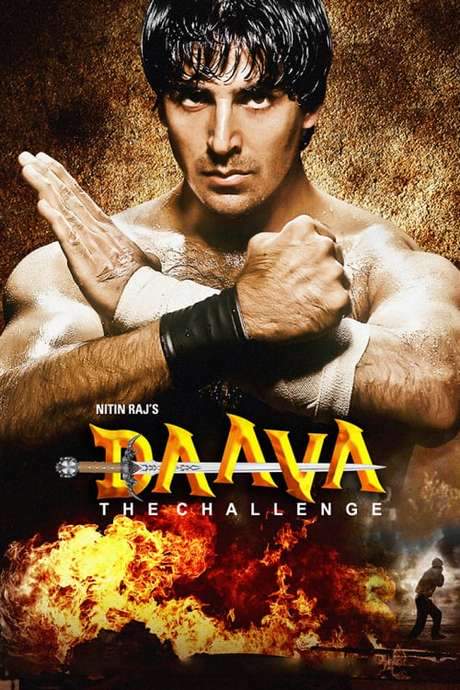
Daava (1997) Spoiler-Packed Plot Recap
Bhaktha Prahlada (1967) Film Overview & Timeline
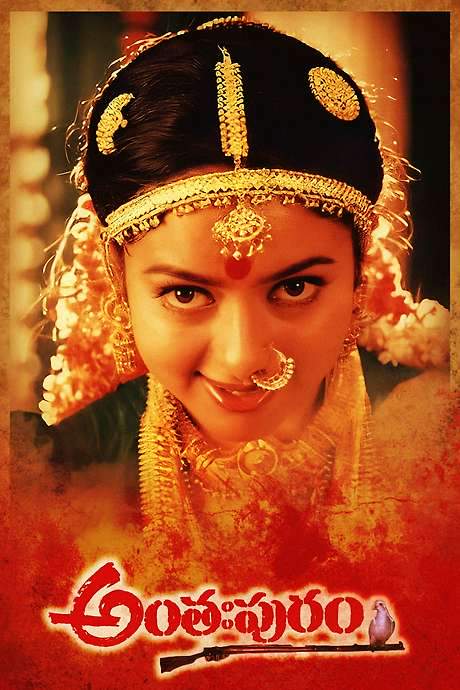
Anthahpuram (1998) Detailed Story Recap
Daana Veera Soora Karna (1977) Spoiler-Packed Plot Recap
Mahabharat (1965) Complete Plot Breakdown
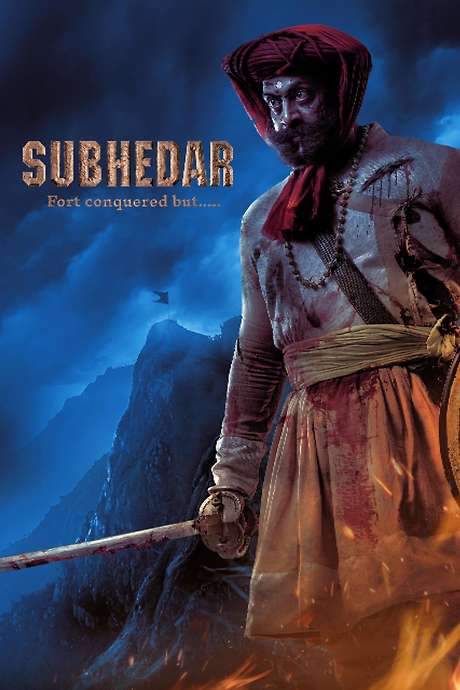
Subhedar (2023) Film Overview & Timeline