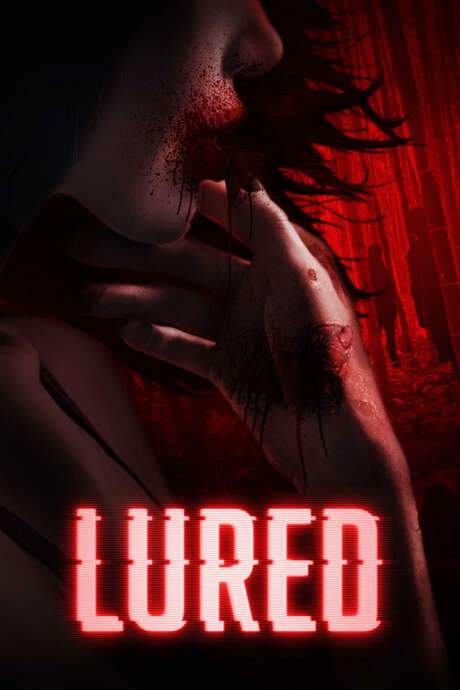
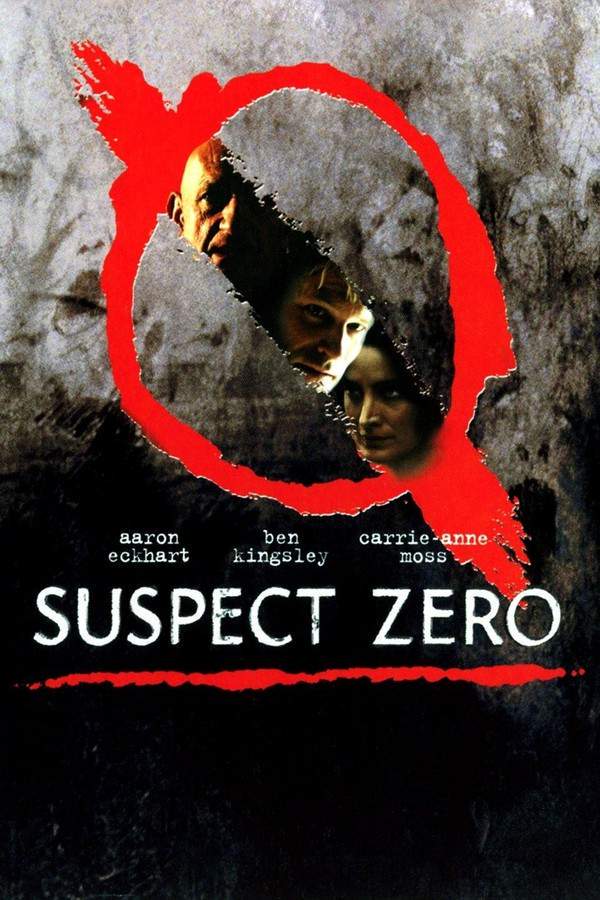
Sandra Carpenter, an American who travels to London to perform on stage but ends up working as a taxi dancer, faces a chilling setback when her friend and fellow dancer Lucy Barnard disappears. The case unsettles the city, and the press, as the notorious “Poet Killer” taunts the police by placing personal ads in newspapers and then sending poems to them. Inspector Harley Temple of Scotland Yard believes the killer draws inspiration from the 19th‑century French poet Charles Baudelaire, and he proposes a risky plan: Sandra should go undercover to help locate Lucy and unmask the killer. With a temporary police identification and a gun for protection, she is asked to respond to personal ads while being guarded by a police bodyguard, H.R. Barrett, who monitors her every move.
By chance, Sandra encounters the dashing Robert Fleming, a nightclub revue producer who moves in the city’s stylish circles. Her investigation leads her to answer an ad placed by Charles van Druten, a former fashion designer who has slipped into a troubled, disordered state of mind. Barrett intervenes to keep Sandra safe from van Druten’s manipulations. Soon after, she needs protection again when a shadowy figure named Mr. Moryani uses the lure of opportunity to trap young women into forced labor in South America. Fleming steps in to rescue Sandra from that danger, and the two form a complicated bond as the danger surrounding her work intensifies.
Fleming introduces Sandra to his world—his stately home, his business partner Julian Wilde, and the life of a man who can charm crowds as easily as he can worry a security detail. As their association deepens, Sandra and Fleming's relationship evolves into romance, culminating in an engagement. Temple attends their engagement party and, in a moment of tense truth, Sandra discovers incriminating evidence in Fleming’s desk, including a distinctive bracelet once worn by Lucy. Fleming learns that Sandra is an undercover officer when he is temporarily placed under arrest. The typewriter used to craft the killer’s poems is traced to Fleming, though he vehemently denies any involvement. Sandra believes him, but the Scotland Yard team remains unconvinced.
The investigation takes another dark turn when Lucy’s body is recovered from the River Thames. Julian Wilde reassures Fleming that he will do everything in his power to clear his name. Temple begins to suspect that Wilde—who is known for his fascination with poetry—is more likely to be the killer. He confronts Wilde, but there is no concrete proof to seal the case, and the revelation shakes the couple as Fleming’s own confession to the murders is brought into question. Fleming’s admission appears to seal his fate in the eyes of the investigators, and he is determined to prove his innocence.
As Wilde plans to flee the country to escape suspicion, Sandra confronts him, and Wilde’s obsession with her quickly turns dangerous. He approaches her with a disturbing mix of desire and menace, removing his scarf to reveal a threatening intent. In the nick of time, Barrett and the Yard men intervene to rescue Sandra, halting Wilde’s violent impulse. In a twist that shifts the entire case, it becomes clear that Fleming’s supposed confession was a calculated fabrication—part of a scheme devised by Sandra and Temple to trap Wilde. With the plan exposed, Fleming is set free, and he and Sandra repair their relationship, raising a toast to a future that promises better days ahead. The story closes on a note of reconciliation and renewed hope, even as the detective work behind the drama reveals the deeper complexities of trust, love, and redemption.