Plot Explained Spoilers guaranteed!
Plot Explained

Browse by genre

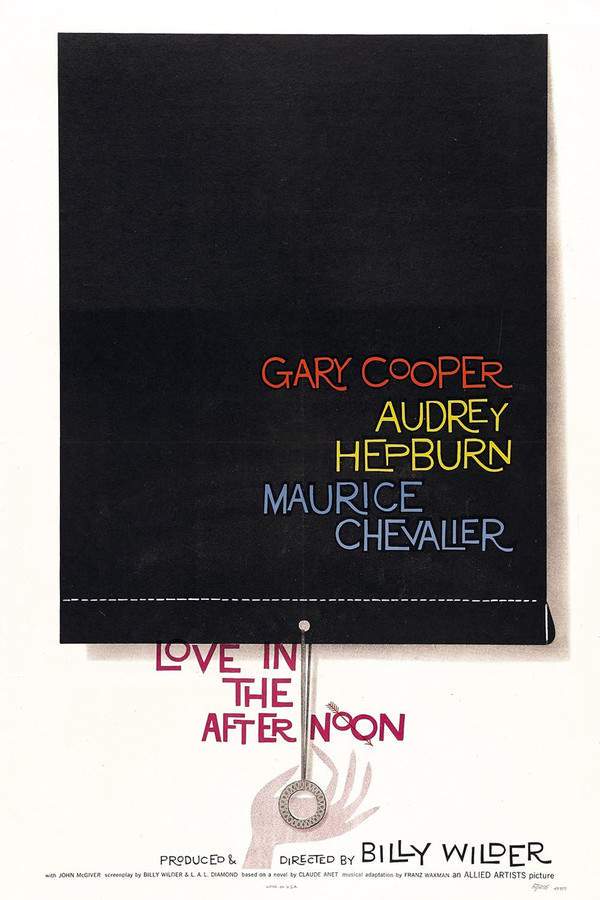
Love in the Afternoon (1972) movie poster

Characters & Themes

Love in the Afternoon (1972) Characters, Setting & Themes Explained

Release, runtime and language
1972 · 97 mins · French
Directed by
Éric Rohmer
Starring
Béatrice Romand, Françoise Fabian, Bernard Verley, Marie-Christine Barrault, Haydée Politoff, Daniel Ceccaldi

Frederic leads a life as a partner in a Paris office and is happily married to Helene, a teacher expecting their second child. He daydreams about other women in the afternoons but never acts. When Chloe, an old friend’s lover, begins visiting his office, their afternoons become intimate and she tries to seduce him, forcing Frederic a moral dilemma.

On this page (7)
  1. 1 Characters explained (10)
  2. 2 Where & when it takes place
  3. 3 Themes & meaning (3)
  4. 4 Character & meaning questions
  5. 5 Movie threads
  6. 6 Movies like Love in the Afternoon
  7. 7 Every angle

10 main characters · contains spoilers

Love in the Afternoon Characters Explained: Who Is Who

The main characters of Love in the Afternoon (1972), heroes and villains: what drives them, how they change over the course of the story and what each of them reveals about the film's bigger ideas.

  • Frédéric

    played by Bernard Verley

    A young, successful partner in a Paris business firm; outwardly content in a comfortable marriage, he nevertheless rehearses past involvements and the thrill of potential affairs. He rationalizes his wandering thoughts as proof of his love for Hélène, yet inside he wrestles with desire and restraint. His charm and self-control mask an inner conflict between freedom and stability.

    • 💼 Businessman
    • 💘 Temptation
    • 🧭 Moral conflict
  • Hélène

    played by Françoise Verley

    An English teacher and Frédéric’s wife, she embodies warmth and vulnerability within a stable family life. Her emotional reserve gives way to tears as she confronts the fissures in their relationship. She seeks closeness and honesty but frequently encounters miscommunication and distance.

    • 💬 Teacher
    • 🏠 Wife
    • 💔 Relationship strain
  • Chloé

    played by Zouzou

    A woman from Frédéric’s past who becomes his intimate companion for afternoons of conversation and companionship without a formal commitment. She embodies independence and fluid needs, using the relationship to give focus to her search for stability. Her presence disrupts Frédéric’s routine and forces him to confront his own boundaries.

    • 🌬️ Free spirit
    • 🕴️ Past lover
    • 🔗 Complication
  • Gérard

    played by Daniel Ceccaldi

    An old friend of Frédéric, whose past relationship with someone in Frédéric’s circle becomes a catalyst for the present temptation. He is a peripheral, social touchpoint that activates the moral stakes of Frédéric’s decisions.

    • 🧔 Old friend
    • 🗣️ Catalyst
  • Dream Sequence (Béatrice Romand)

    A segment of the narrative’s dream sequence featuring Béatrice Romand, representing one facet of the fantasy where desire rules over reason. This appearance is part of Rohmer’s nod to the ensemble from the Six Moral Tales.

    • 🎭 Fantasy
    • 🌟 Cameo
  • Dream Sequence (Françoise Fabian)

    A second dream-turned-vision featuring Françoise Fabian, contributing to the amulet fantasy’s chorus of seductive possibilities.

    • 🌟 Cameo
  • Dream Sequence (Marie-Christine Barrault)

    Part of the dream sequence ensemble representing desire’s multiple expressions, fleeting and alluring.

    • ✨ Fantasy
    • 🎬 Cameo
  • Dream Sequence (Haydée Politoff)

    Another dream sequence figure that adds to the collage of imagined encounters and the allure of forbidden possibilities.

    • 🎆 Fantasy
    • 🌈 Cameo
  • Dream Sequence (Aurora Cornu)

    A further dream sequence presence who embodies the breadth of feminine imagination within the fantasy.

    • 🌈 Fantasy
    • 🎨 Cameo
  • Dream Sequence (Laurence de Monaghan)

    Yet another dream sequence figure reflecting the movie’s playful, existential riff on desire and memory.

    • 🎬 Fantasy
    • 🖼️ Cameo

Last updated: October 04, 2025 at 17:41

Was this helpful?

Setting

Where and When Does Love in the Afternoon Take Place?

The setting of Love in the Afternoon (1972): the year and time period, the places and locations, and how they shape the characters, the mood and the tension of the story.

Time period

Location

Paris, France

Set in modern-day Paris, the story unfolds across sleek offices, classy apartments, and intimate corners of the city. The film contrasts the city's polished corporate world with the private tensions of a married couple. The Parisian atmosphere emphasizes refinement, social nuance, and a liberal, sophisticated mood.

  • 🏙️ Paris
  • 🗼 Romance capital
  • 🌆 Urban life

Last updated: October 04, 2025 at 17:41

Was this helpful?

3 major themes

Love in the Afternoon Meaning: Themes & Message Explained

What is Love in the Afternoon (1972) really about? The emotional, social and philosophical themes the film keeps returning to, its symbolism and the message beneath the surface.

  • Temptation

    Frédéric’s fantasy life and his ongoing flirtation with past loves reveal how desire can persist beneath a stable marriage. The amulet fantasy sequence shows how power over others can seem liberating, yet it ultimately tests his commitment to Hélène. The film uses these impulses to question whether true love requires restraint or surrender.

  • Marriage

    The couple's dialogue is indirect and strained, with unspoken fears about aging, responsibility, and longing. Hélène’s vulnerability peaks when she breaks down in tears, exposing emotional gaps between them. She seeks closeness and honesty but frequently encounters miscommunication and distance.

  • Fantasy vs Reality

    The dream sequence presents a seductive alternate reality where Frédéric could govern desire, highlighting how fantasy distorts perception. The real world, represented by conversations and daily routines, pulls him back to the obligations of spouse and father. The juxtaposition questions whether dreams can coexist with genuine affection.

Last updated: October 04, 2025 at 17:41

Was this helpful?

Character & theme questions

Love in the Afternoon Characters & Meaning: Your Questions Answered

The questions people ask about Love in the Afternoon (1972): who the characters really are, their relationships, what the symbols mean, where it takes place and what the movie is really about. Each answer contains spoilers.

Q1

Where is the movie set?

Love in the Afternoon is set in modern-day Paris, France. The story unfolds across sleek offices, classy apartments, and intimate corners of the city. The Parisian atmosphere emphasizes refinement, social nuance, and a liberal, sophisticated mood, contrasting the city's polished corporate world with the private tensions of a married couple.

  • paris setting
  • modern paris
  • french romance
  • movie location
Q2

What role does Paris play in the story?

Paris functions as more than just a backdrop, it embodies the film's themes of sophistication and desire. The city's romantic reputation amplifies Frédéric's temptation, while its corporate world represents his stable adult life. The contrast between public elegance and private emotional unrest mirrors the internal conflict between his marriage and his fantasies.

  • paris romance
  • urban paris
  • city setting
  • french atmosphere
Q3

What are the main themes of the film?

The film explores three interconnected themes: Temptation, examining how desire persists beneath a stable marriage; Marriage, focusing on the emotional gaps, unspoken fears, and longing within a committed relationship; and Fantasy vs Reality, questioning whether dreams can coexist with genuine affection or whether they distort perception of real obligations.

  • temptation theme
  • marriage theme
  • fantasy vs reality
  • eric rohmer themes
Q4

What does the film say about temptation?

The amulet fantasy sequence shows how power over others can seem liberating, yet it ultimately tests Frédéric's commitment to Hélène. The film uses these impulses to question whether true love requires restraint or surrender. Frédéric's fantasy life reveals how desire can persist beneath stability, and his rationalization of wandering thoughts as proof of love is central to his moral dilemma.

  • temptation desire
  • moral dilemma
  • marital temptation
  • desire and commitment
Q5

How does the film explore marriage?

The couple's dialogue is indirect and strained, with unspoken fears about aging, responsibility, and longing. Hélène's vulnerability peaks when she breaks down in tears, exposing emotional gaps between them. She seeks closeness and honesty but frequently encounters miscommunication and distance, portraying marriage as both comforting and emotionally isolating.

  • marriage struggles
  • emotional distance
  • marital relationship
  • communication in marriage
Q6

What is the fantasy vs reality theme about?

The dream sequence presents a seductive alternate reality where Frédéric could govern desire, highlighting how fantasy distorts perception. The real world, represented by conversations and daily routines, pulls him back to the obligations of spouse and father. The juxtaposition questions whether dreams can coexist with genuine affection or if they ultimately undermine real relationships.

  • fantasy sequence
  • dream vs reality
  • desire and reason
  • reality distortion
Q7

Who is Frédéric and what defines him?

Frédéric is a young, successful partner in a Paris business firm who appears outwardly content in a comfortable marriage to Hélène. He rehearses past involvements and the thrill of potential affairs, rationalizing his wandering thoughts as proof of his love. His charm and self-control mask an inner conflict between freedom and stability, desire and commitment.

  • frederic main character
  • protagonist profile
  • married man temptation
  • paris businessman
Q8

Who is Hélène and what is her role in the story?

Hélène is an English teacher and Frédéric's wife, embodying warmth and vulnerability within a stable family life. She represents the emotional core of the marriage, seeking closeness and honesty but frequently encountering miscommunication and distance. Her emotional reserve gives way to tears as she confronts the fissures in their relationship, making her the emotional anchor against Frédéric's fantasies.

  • helene wife
  • married woman
  • female protagonist
  • emotional vulnerability
Q9

Who is Chloé and what does she represent?

Chloé is a woman from Frédéric's past who becomes his intimate companion for afternoons of conversation without formal commitment. She embodies independence and fluid needs, using the relationship to give focus to her search for stability. Her presence disrupts Frédéric's routine and forces him to confront his own boundaries, representing the embodiment of temptation itself.

  • chloe character
  • temptress figure
  • other woman
  • romantic rival
Q10

What is the purpose of the dream sequences?

The dream sequences feature various women from Eric Rohmer's previous films in the Six Moral Tales series, representing one facet of fantasy where desire rules over reason. These sequences form an amulet fantasy that presents seductive alternate possibilities, highlighting how fantasy distorts perception and tests Frédéric's commitment to his actual life.

  • dream sequence
  • fantasy visualization
  • six moral tales
  • eric rohmer ensemble
Q11

What kind of film is this in tone and style?

Love in the Afternoon is a slow-paced, character-driven study with a bittersweet tone. It captures the comfort of marriage alongside the pang of longing for lost freedom. The intensity is medium, stemming from internal psychological conflict rather than high-stakes drama. The ending is ambiguous, offering intimate connection but no clear resolution to underlying restlessness, leaving characters in a fragile, hopeful-yet-sad equilibrium.

  • bittersweet tone
  • character driven
  • eric rohmer style
  • romantic drama mood
Q12

Is this movie part of a series?

Love in the Afternoon is the fifth film in Eric Rohmer's Six Moral Tales (Comedies and Proverbs), following Claire's Knee, Full Moon in Paris, The Green Ray, and A Tale of Autumn. The film nods to this ensemble through its dream sequence featuring actresses from previous entries, creating a shared universe of characters exploring moral dilemmas in love and relationships.

  • six moral tales
  • eric rohmer series
  • film franchise
  • french new wave

Movie threads

More Movies Like Love in the Afternoon, by Mood & Story

Curated lists built around what makes Love in the Afternoon tick: the same mood, the same kind of story or the same emotional payoff. Each list explains why these movies belong together.

Movies about marital restlessness like Love in the Afternoon

Quiet stories exploring the temptations and comforts within a stable marriage. If you liked the subtle emotional tensions in Love in the Afternoon, explore these similar movies about quiet domestic dramas and moral dilemmas within marriage. Discover other introspective stories that capture the bittersweet feeling of comfort versus longing.

  • introspective
  • melancholic
  • intimate
  • quiet
  • reflective
  • tentative
  • Tone: bittersweet, introspective
  • Pacing: slow, character-driven
Why these movies?

The story pattern: Narratives in this thread typically follow a character, often at a mid-life point, as they grapple with the safety of their domestic life against fantasies of freedom or passion. The conflict is primarily internal, unfolding through small gestures and conversations rather than major plot twists, often leading to an ambiguous resolution.

Why they belong together: These movies are grouped together for their shared focus on the emotional landscape of marriage, their slow, deliberate pacing that allows for character introspection, and their bittersweet tone that honestly portrays both the comforts and constraints of commitment.

Movies with ambiguous moral dilemmas like Love in the Afternoon

Character-driven stories where personal choices lead to complex, unresolved conclusions. Find movies similar to Love in the Afternoon that explore complex moral choices and their emotional repercussions. These films feature nuanced character studies and often conclude with bittersweet, ambiguous endings that invite reflection.

  • morally complex
  • reflective
  • melancholic
  • tentative
  • unresolved
  • emotionally heavy
  • Tone: bittersweet, melancholic
  • Pacing: slow to steady
Why these movies?

The story pattern: The narrative pattern involves a steady buildup of a moral conflict, forcing a character to weigh desire against duty or personal happiness against responsibility. The climax is often a quiet moment of decision or realization, followed by an ending that suggests a fragile new normal rather than a clear-cut resolution.

Why they belong together: Movies in this thread share a focus on ethical ambiguity, a moderate level of complexity in portraying human behavior, and an ending feel that is thought-provoking rather than neatly conclusive. They prioritize emotional realism over narrative closure.

If you liked this

Movies Like Love in the Afternoon

Similar movies to Love in the Afternoon: the same genre, themes or kind of story. Each one comes with its own plot summary, timeline and ending explained.

Browse all movie summaries

Every angle

Love in the Afternoon (1972) Explained: Plot, Timeline & Characters

Everything about Love in the Afternoon in one place: what happens in the plot summary, the timeline in chronological order, the characters and meaning and a spoiler-free summary. What's After the Movie adds the cast, box office and post-credit scenes.

Coming soon on iOS and Android

The Plot Explained Movie Summary App

Plot summaries, endings explained and timelines on your phone. Catch up on any movie in minutes, save your favorites and never miss a twist again.

Be the first to know when we launch. Your email stays private, always.

Learn more about the app