Plot Explained Spoilers guaranteed!
Plot Explained

Browse by genre

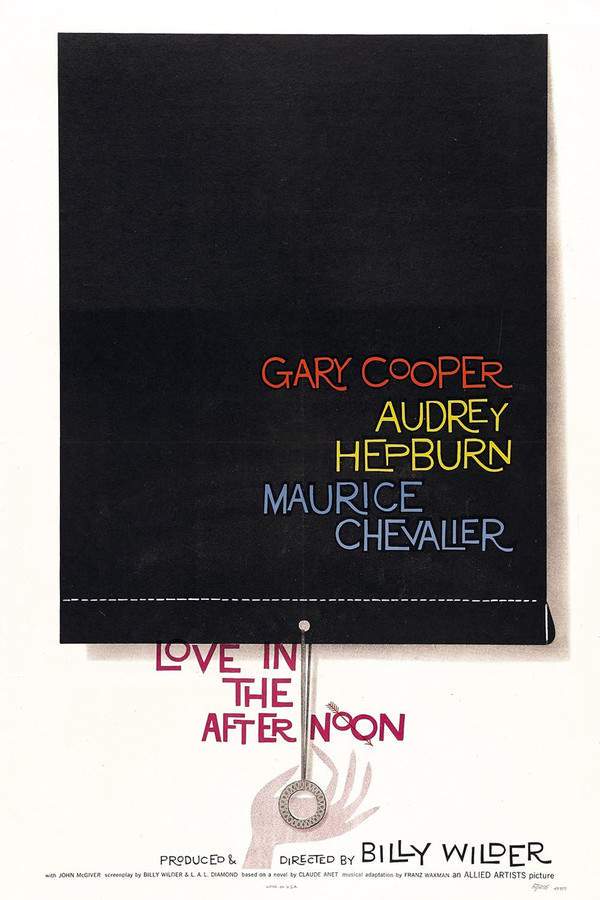
Love in the Afternoon (1972) movie poster

Timeline

Love in the Afternoon (1972) Timeline Explained – Every Event in Order

Release, runtime and language
1972 · 97 mins · French
Directed by
Éric Rohmer
Starring
Béatrice Romand, Françoise Fabian, Bernard Verley, Marie-Christine Barrault, Haydée Politoff, Daniel Ceccaldi

Frederic leads a life as a partner in a Paris office and is happily married to Helene, a teacher expecting their second child. He daydreams about other women in the afternoons but never acts. When Chloe, an old friend’s lover, begins visiting his office, their afternoons become intimate and she tries to seduce him, forcing Frederic a moral dilemma.

On this page (5)
  1. 1 Events in order (10)
  2. 2 Timeline questions answered
  3. 3 Movie threads
  4. 4 Movies like Love in the Afternoon
  5. 5 Every angle

10 events in order · contains spoilers

Love in the Afternoon Timeline: Events in Chronological Order

Every key event of Love in the Afternoon (1972) in order, scene by scene, with when and where it takes place. Use it to untangle flashbacks, time jumps and parallel storylines, to refresh your memory before the sequel or to find the exact scene you are thinking of.

  1. Frédéric's nostalgic fantasies

    Frédéric, a young and successful partner in a Paris firm, finds his contentment unsettled by memories of his single days. He fantasizes about freedom and the thrill of pursuit, including an elaborate dream in which a magical amulet makes all women bow to him. He doesn’t feel distressed by these thoughts; he reads these thoughts as a curious reflection of his love for Hélène.

    When
    Daytime
    Where
    Paris (office and home)
  2. Chloé arrives at the office

    Chloé, a woman from Frédéric's past, stops by his office. At first he suspects she only wants cash and companionship, but she lingers and the two begin spending afternoons together. He discovers there are topics he cannot discuss with Hélène that he can share with her.

    When
    Afternoon
    Where
    Frédéric's office
  3. A new companionship grows

    The afternoons with Chloé become routine as she searches for stability by trying different jobs. Frédéric enjoys the thrill of having a beautiful, independent mistress without the guilt of adultery. The arrangement unsettles the boundaries of his marriage, even as he maintains outward loyalty.

    When
    Afternoon
    Where
    Frédéric's office and Chloé's visits
  4. Chloé reveals she will become a mother

    After Frédéric's second child is born, Chloé declares that a child could give focus to her aimless life and tells him that he will be the father. She has no desire to marry, so Frédéric's existing commitments are left on the table. This revelation shifts the dynamic and heightens his internal conflict.

    When
    Months after birth
    Where
    Chloé's apartment
  5. Frédéric wrestles with temptation

    Despite his growing attraction, Frédéric holds back from sleeping with Chloé. He weighs the consequences of introducing another child into his family and that potential betrayal of Hélène. The tension between desire and responsibility intensifies.

    When
    Afternoon
    Where
    Chloé's apartment
  6. The shower invitation and mirror moment

    One afternoon, Chloé is in the shower and invites him to bed. When he starts to undress, he notices his reflection in a mirror—his face emerging from the neck of his turtleneck, recalling a game he once played with his daughter. He hesitates and leaves Chloé naked and waiting.

    When
    Afternoon
    Where
    Chloé's apartment
  7. Frédéric retreats to his wife

    Frédéric slips away and goes home to Hélène, where she is alone. They speak awkwardly as they try to articulate their feelings, and he offers quiet comfort. They then move toward their bedroom, seeking closeness despite lingering uncertainty.

    When
    Late afternoon to evening
    Where
    Chloé's apartment and then Frédéric & Hélène's home
  8. Hélène's emotional breakdown

    Hélène breaks down in tears, revealing the strain their marriage has endured. Frédéric consoles her with tenderness, acknowledging the pain behind the moment. This emotional crack exposes the fragility of their relationship while hinting at the possibility of reconciliation.

    When
    Evening
    Where
    Home
  9. The couple seeks closeness

    Following their awkward exchange, they move toward reconciliation and quiet closeness. They go to their bedroom together, trying to salvage their bond even as jealousy and longing flutter in the background. The scene leaves their future unresolved, underscoring Rohmer's meditation on fidelity and desire.

    When
    Night
    Where
    Bedroom
  10. The film closes with them together

    Ultimately the film closes with Frédéric and Hélène together in bed, continuing to navigate a complicated emotional landscape. The tension between desire and devotion lingers and leaves open questions about their future. The moment encapsulates Rohmer's exploration of love, fidelity, and the pull of past freedoms.

    When
    Night
    Where
    Bedroom

Last updated: October 09, 2025 at 09:34

Was this helpful?

Timeline questions answered

Love in the Afternoon Timeline Explained: Your Questions Answered

When does it happen, and why in that order? The questions people ask about the chronology of Love in the Afternoon (1972): time jumps, flashbacks, cause and effect between scenes and the correct order of events, each answered with spoilers.

Q1

Why does Chloé decide to have a child with Frédéric?

Chloé sees a child as a way to give her aimless life structure and purpose. She has no desire for marriage or traditional commitment, so she views motherhood as a way to find meaning without being tied down. She treats Frédéric's existing marriage as largely irrelevant to her plans, viewing the situation as simply providing a father for her child.

Foreshadowing: The timeline earlier establishes that Chloé has been searching for stability through various jobs, showing her underlying restlessness.

  • chloé
  • child
  • motivation
  • motherhood
  • aimless life
Q2

Why does Frédéric never actually sleep with Chloé despite their affair?

Frédéric consistently stops himself from crossing the physical line because he recognizes it would constitute genuine betrayal of Hélène. While he enjoys the emotional thrill of Chloé's company and the return to feeling desired, he maintains a moral boundary. His refusal to fully commit to Chloé also reflects his underlying commitment to his marriage, even when tempted.

Foreshadowing: His early fantasy about the magical amulet reveals his internal debate about the strength of his love for his wife.

  • frederic
  • chloé
  • temptation
  • moral boundary
  • infidelity
Q3

What does the mirror moment mean when Frédéric is about to sleep with Chloé?

When Frédéric sees his reflection, his face emerging from the neck of his turtleneck, he is reminded of a game he played with his daughter. This domestic, familial image shocks him out of the moment and makes his double life feel impossible to maintain. The reflection forces him to see himself as a father and husband rather than a potential adulterer, prompting him to leave.

Foreshadowing: The film establishes early on that Frédéric is a father, and his interactions with his daughter are shown as moments of genuine joy.

  • mirror
  • reflection
  • turtleneck
  • daughter
  • conscience
Q4

Why does Hélène break down in tears at the end of the film?

Hélène's breakdown reveals the emotional toll she has endured from sensing Frédéric's emotional distance and partial infidelity. She has likely suspected or known about his afternoons with Chloé, and the tension has been building throughout. Her tears represent the collapse of the comfortable facade their marriage maintained, exposing the vulnerability and hurt beneath.

Foreshadowing: The earlier timeline notes describe the arrangement unsettling 'the boundaries of his marriage, even as he maintains outward loyalty.'

  • hélène
  • tears
  • emotional breakdown
  • marriage strain
Q5

What is the significance of Frédéric's magical amulet fantasy?

The dream sequence, where an amulet gives Frédéric power over all women, functions as a symbolic measure of his current state. Rather than expressing genuine desire for conquest, the fantasy actually reveals how strong his love for Hélène is, by fantasizing about a magical solution, he is unconsciously testing whether his feelings have faded. The bizarre nature of the sequence connects to characters from Rohmer's Six Moral Tales series.

Foreshadowing: The fantasy appears early in the film, establishing Frédéric's internal conflict before Chloé arrives.

  • amulet
  • fantasy
  • dream
  • rohmer
  • subconscious
Q6

Why does Frédéric begin spending afternoons with Chloé?

Frédéric discovers in Chloé a companion who offers what his marriage lacks, excitement, mystery, and conversation about topics he cannot share with Hélène. He enjoys the thrill of an attractive mistress without the guilt of physical adultery, treating the emotional affair as a middle ground between fidelity and temptation.

Foreshadowing: The opening establishes his nostalgic restlessness and memories of his single days.

  • afternoons
  • emotional affair
  • companionship
  • temptation
Q7

Why doesn't Chloé want to marry Frédéric?

Chloé explicitly states she has no desire to be tied down by marriage. She values her independence and freedom too much to accept traditional commitment. This makes her relationship with Frédéric different from a typical affair, she wants a child and companionship without the obligations of a spouse.

Foreshadowing: Her earlier job-hopping demonstrates her resistance to any structured commitment.

  • chloé
  • marriage
  • independence
  • freedom
  • commitment
Q8

Is Frédéric's relationship with Chloé considered infidelity?

While Frédéric never physically sleeps with Chloé, the relationship constitutes emotional infidelity. They spend afternoons together in intimate conversation, share secrets Frédéric hides from Hélène, and there is clear romantic attraction. The film explores the blurry moral line between emotional and physical betrayal, treating Chloé's role as a mistress as equally meaningful despite the lack of sex.

Foreshadowing: The secretaries in the office notice and find amusement at Chloé's frequent visits, suggesting the inappropriate nature of the relationship is visible to others.

  • emotional infidelity
  • affair
  • moral dilemma
  • betrayal
Q9

What does the ending suggest about Frédéric and Hélène's future?

The ending shows Frédéric and Hélène together in bed, but their future remains uncertain and fragile. The film closes on a moment of attempted reconciliation rather than a confident reunion. Their closeness is described as a "tentative" and "uncertain" pause, suggesting they may work through the crisis but the underlying tension between desire and fidelity lingers unresolved.

Foreshadowing: Hélène's breakdown exposes the fragility of their relationship, making any reconciliation feel precarious.

  • ending
  • reconciliation
  • ambiguity
  • future
  • fidelity
Q10

Why is the film titled Love in the Afternoon?

The title refers to the specific time of day Frédéric and Chloé meet, the afternoons when he leaves his office to be with her. These afternoon encounters represent his departure from his married life into a space of temptation and longing, making the title both literal and symbolic of the film's focus on illicit romantic desire.

Foreshadowing: The timeline establishes that Chloé begins visiting 'in the afternoon' and their 'afternoons together' become routine.

  • title
  • afternoon
  • meaning
  • symbolism

Movie threads

More Movies Like Love in the Afternoon, by Mood & Story

Curated lists built around what makes Love in the Afternoon tick: the same mood, the same kind of story or the same emotional payoff. Each list explains why these movies belong together.

Movies about marital restlessness like Love in the Afternoon

Quiet stories exploring the temptations and comforts within a stable marriage. If you liked the subtle emotional tensions in Love in the Afternoon, explore these similar movies about quiet domestic dramas and moral dilemmas within marriage. Discover other introspective stories that capture the bittersweet feeling of comfort versus longing.

  • introspective
  • melancholic
  • intimate
  • quiet
  • reflective
  • tentative
  • Tone: bittersweet, introspective
  • Pacing: slow, character-driven
Why these movies?

The story pattern: Narratives in this thread typically follow a character, often at a mid-life point, as they grapple with the safety of their domestic life against fantasies of freedom or passion. The conflict is primarily internal, unfolding through small gestures and conversations rather than major plot twists, often leading to an ambiguous resolution.

Why they belong together: These movies are grouped together for their shared focus on the emotional landscape of marriage, their slow, deliberate pacing that allows for character introspection, and their bittersweet tone that honestly portrays both the comforts and constraints of commitment.


Movies with ambiguous moral dilemmas like Love in the Afternoon

Character-driven stories where personal choices lead to complex, unresolved conclusions. Find movies similar to Love in the Afternoon that explore complex moral choices and their emotional repercussions. These films feature nuanced character studies and often conclude with bittersweet, ambiguous endings that invite reflection.

  • morally complex
  • reflective
  • melancholic
  • tentative
  • unresolved
  • emotionally heavy
  • Tone: bittersweet, melancholic
  • Pacing: slow to steady
Why these movies?

The story pattern: The narrative pattern involves a steady buildup of a moral conflict, forcing a character to weigh desire against duty or personal happiness against responsibility. The climax is often a quiet moment of decision or realization, followed by an ending that suggests a fragile new normal rather than a clear-cut resolution.

Why they belong together: Movies in this thread share a focus on ethical ambiguity, a moderate level of complexity in portraying human behavior, and an ending feel that is thought-provoking rather than neatly conclusive. They prioritize emotional realism over narrative closure.

If you liked this

Movies Like Love in the Afternoon

Similar movies to Love in the Afternoon: the same genre, themes or kind of story. Each one comes with its own plot summary, timeline and ending explained.

Browse all movie summaries

Every angle

Love in the Afternoon (1972) Explained: Plot, Timeline & Characters

Everything about Love in the Afternoon in one place: what happens in the plot summary, the timeline in chronological order, the characters and meaning and a spoiler-free summary. What's After the Movie adds the cast, box office and post-credit scenes.

Coming soon on iOS and Android

The Plot Explained Movie Summary App

Plot summaries, endings explained and timelines on your phone. Catch up on any movie in minutes, save your favorites and never miss a twist again.

Be the first to know when we launch. Your email stays private, always.

Learn more about the app