Plot Explained Spoilers guaranteed!
Plot Explained

Browse by genre

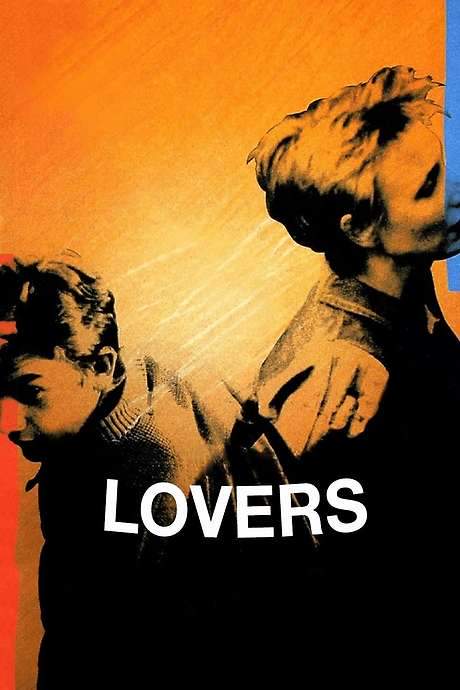
The Lovers (1958) movie poster

Plot Summary

The Lovers (1958) Plot Summary Explained

Release, runtime and language
1958 · 90 mins · French
Directed by
Louis Malle
Starring
Jeanne Moreau, Judith Magre, Gaston Modot, Alain Cuny, Jean-Claude Brialy, Lucienne Hamon

She seizes a defining moment, convinced nothing else matters. A shallow, provincial wife feels her marriage to a preoccupied husband unravel as she becomes consumed by romantic notions of love, driving her to seek escape toward Paris and the surrounding country wilderness.

On this page (5)
  1. 1 What happens: full plot
  2. 2 Plot questions answered
  3. 3 Movie threads
  4. 4 Movies like The Lovers
  5. 5 Every angle

Full plot summary · contains spoilers

What Happens in The Lovers: Full Plot Summary

The whole story of The Lovers (1958) explained, from the opening scene to the final frame: every key event, every twist and what it all adds up to. Read it as a quick recap before the sequel, to check a scene you missed, or to finally understand what really happened.

Jeanne Tournier, Jeanne Moreau lives with her husband Alain Cuny and their young daughter Catherine, Patricia Maurin, in a mansion near Dijon. Her emotionally remote husband is a busy newspaper owner who has little time for his wife, except when he calls for demands; often they sleep in separate rooms. Jeanne escapes to Paris regularly where she can spend time with her chic friend Maggy Judith Magre and the polo-playing Raoul José Luis de Vilallonga, Maggy's friend and Jeanne's lover.

Jeanne's constant talk of her two friends leads to Henri demanding that she invite them to dinner and to stay as overnight guests. Jeanne's car breaks down on the day of the dinner party. Because of this, she accepts a lift from Bernard Jean-Marc Bory and then asks him to drive her home. By the time they get back, Maggy and Raoul have already arrived at the mansion. It transpires that Bernard, an archaeologist, is the son of a friend of Jeanne's husband, and he too is added to the guest list. Jeanne spurns Raoul's advances, claiming that it is too dangerous.

Late at night, Jeanne pours herself a drink and, wearing her nightgown, walks on the gardens outside the mansion. There, she stumbles upon Bernard, who is smitten with her. At first, she wants him to leave her alone, but the two eventually start connecting. The two kiss and end up spending time in a small boat on a nearby river. They then sneak back into the mansion, where he learns of Catherine's existence and later has sex with Jeanne. In the morning, to the surprise of everyone, Jeanne leaves with Bernard, planning to never return. Initially, she has doubts, but ends up committing to spending the rest of her life with him.

Last updated: February 24, 2026 at 13:46

Was this helpful?

Plot questions answered

The Lovers Plot Explained: Your Questions Answered

The questions people ask most about The Lovers (1958): what happens in the confusing scenes, why the characters do what they do, the twists, hidden details and what the ending means. Each answer contains spoilers.

Q1

Why does Jeanne leave her husband for Bernard?

Jeanne leaves because her marriage to Henri has become emotionally hollow. Henri is a distant, preoccupied newspaper owner who treats her as an afterthought, often sleeping in separate rooms and showing little genuine affection. Bernard represents a escape from this stagnation, his youth, genuine attraction, and willingness to engage with her create a stark contrast to Henri's coldness. The affair isn't just about romance; it's Jeanne seizing a chance at a meaningful life before it's too late.

Foreshadowing: Earlier scenes establish Henri's emotional unavailability, showing how he only calls on Jeanne for demands, setting the stage for her vulnerability to Bernard's attention.

  • jeanne
  • bernard
  • henri
  • marriage
  • escape
  • affair
  • new life
Q2

Why does Jeanne reject Raoul's advances at dinner?

Jeanne rejects Raoul despite having been his lover in Paris because the setting is too dangerous. With Henri present and watching, acting on her desires would risk immediate discovery and scandal. Jeanne calculates that pursuing Raoul under her husband's roof would expose her affair and jeopardize the delicate balance of her current life. She chooses caution over passion in that moment, though her later actions with Bernard show she's willing to risk everything when the circumstances shift.

Foreshadowing: Jeanne's refusal of Raoul foreshadows her eventual departure, she's already calculating risks and seeing her current life as unsustainable.

  • raoul
  • jeanne
  • dinner
  • danger
  • rejection
  • henri
  • exposure
Q3

Why does Jeanne tell Bernard about her daughter Catherine?

By revealing Catherine's existence, Jeanne makes the affair emotionally real rather than casual. Previously, her life in Dijon felt separate from her Paris escapes, but admitting she has a child forces Bernard to see her完整的 life. This moment marks a turning point where the romance shifts from flirtation to something with weight and consequences. It also reveals Jeanne's willingness to fully involve Bernard in her life, signaling her commitment before she even decides to leave.

Foreshadowing: The mention of Catherine foreshadows Jeanne's later departure, she's already mentally moving beyond her role as wife and mother.

  • catherine
  • bernard
  • daughter
  • confession
  • commitment
  • jeanne
Q4

Why does Henri demand Jeanne invite her Paris friends to dinner?

Henri's demand is a power move to control Jeanne's social life and test her loyalty. He knows she frequently escapes to Paris and likely suspects her affairs, though he may not have proof. By forcing her to bring her friends to his home, Henri creates a situation where he can observe everyone's behavior and assert dominance over her independent life. It's both jealousy and a desire to bring Jeanne further under his control.

Foreshadowing: Henri's control sets up the tension that drives Jeanne toward Bernard, he tightens his grip just as she's seeking escape.

  • henri
  • paris
  • friends
  • control
  • demand
  • power
  • jeanne
Q5

Why does Jeanne leave with Bernard in the morning instead of at night?

Jeanne waits until morning because she needs time to process her decision and because the daylight offers a clean break rather than a secretive escape. The night was for passion and intimacy with Bernard, but the morning represents a clear, deliberate choice she makes with full consciousness. Leaving openly, surprising everyone, signals that she's not sneaking away in shame but claiming her new life openly. The timing also reflects her impulsive yet committed nature: she acts when the moment feels right, not when it's most convenient.

Foreshadowing: The progression from night garden meeting to morning departure mirrors Jeanne's journey from secret longing to public action.

  • morning
  • departure
  • jeanne
  • bernard
  • choice
  • escape
  • final
Q6

Why does Jeanne's car breaking down matter to the story?

The breakdown is the catalyst that brings Bernard into Jeanne's life. Without it, she would have arrived at the mansion on time and the guest list would have remained as Henri intended. The chance encounter with Bernard, a younger man who's the son of a family friend, creates an unexpected connection that gradually builds throughout the evening. It's a classic device of fate: the breakdown forces Jeanne into proximity with someone who will fundamentally change her life's trajectory.

Foreshadowing: The car trouble is the first domino, it introduces Bernard and sets every subsequent event in motion.

  • breakdown
  • car
  • bernard
  • fate
  • encounter
  • catalyst
Q7

Why does Jeanne walk in the garden in her nightgown?

Jeanne wanders in her nightgown seeking space to breathe in her stifling marriage. The mansion feels confining, Henri is emotionally absent, and she's restless. This vulnerable state, alone, improperly dressed, needing air, creates the opportunity for Bernard to find her. Her state of undress also signals her emotional vulnerability and openness to connection, making it natural that she'd engage with Bernard when he approaches.

Foreshadowing: The nightgown scene establishes Jeanne's emotional state, already drifting from her old life before Bernard arrives.

  • nightgown
  • garden
  • jeanne
  • vulnerability
  • alone
  • restlessness
Q8

What does the river boat scene signify in the story?

The river represents freedom and transition, a liminal space between Jeanne's old life and the new one she's beginning to imagine. In the boat, she's physically removed from the mansion's constraints and Henri's presence. The intimacy of the small boat, combined with the darkness and secrecy, allows Jeanne and Bernard to connect authentically without the weight of their respective lives. It's the moment where the affair transforms from possibility into genuine emotional connection.

Foreshadowing: The river journey foreshadows Jeanne's actual departure, she's already floating away from her old life, testing the waters of change.

  • river
  • boat
  • freedom
  • transition
  • intimacy
  • connection
  • escape
Q9

Why does Jeanne choose Bernard instead of staying with Raoul?

Jeanne chooses Bernard because he represents something Raoul doesn't: genuine innocence and a clean slate. Raoul is part of her secret Paris life, a continuation of her double existence, whereas Bernard is completely new and untainted by that world. Bernard also represents a different kind of future: he's younger, an archaeologist with a different lifestyle, and unrelated to the complications of her marriage. With Bernard, Jeanne isn't just continuing an affair; she's starting an entirely new chapter.

Foreshadowing: Jeanne's rejection of Raoul at dinner establishes she's ready for something different, not just a continuation of her clandestine affairs.

  • bernard
  • raoul
  • choice
  • comparison
  • new life
  • youth
  • innocence
Q10

Why does Jeanne accept a lift from Bernard after her car breaks down?

Jeanne accepts the lift because she's practicality outweighs caution, she needs to get home for the dinner party Henri demanded. Bernard presents himself as a polite, safe option: he's well-mannered and turns out to be the son of a friend of Henri's, making him seem trustworthy. However, her willingness to accept help from a stranger also hints at her underlying restlessness and openness to new experiences, suggesting she's already primed for the connection that follows.

Foreshadowing: Her casual acceptance of a stranger foreshadows her casual acceptance of an entirely new life later that same day.

  • breakdown
  • lift
  • bernard
  • trust
  • practicality
  • restlessness
Q11

What leads Jeanne to commit fully to Bernard after initially hesitating?

Jeanne's hesitation stems from the enormity of leaving everything, her daughter, her home, her security, and the fear of the unknown. However, her initial doubts quickly resolve into clarity because staying represents a lifetime of emotional starvation, while Bernard represents possibility. The night they spend together cements her decision; she's already mentally left Henri before morning. Her final commitment isn't impulsive so much as inevitable, the natural conclusion of years of unhappiness finally meeting an escape route.

Foreshadowing: Jeanne's Paris escapes have been building toward this moment; Bernard is simply the final catalyst she needed.

  • commitment
  • doubt
  • jeanne
  • bernard
  • choice
  • hesitation
  • final

Movie threads

More Movies Like The Lovers, by Mood & Story

Curated lists built around what makes The Lovers tick: the same mood, the same kind of story or the same emotional payoff. Each list explains why these movies belong together.

Movies about melancholic romantic escape like The Lovers

Stories of stifled lives finding passion and liberation beyond convention. Explore more movies like The Lovers that feature characters breaking free from stifling provincial lives and loveless marriages. If you enjoyed the themes of yearning, self-discovery, and sensual liberation, these similar dramas and romance films will resonate.

  • yearning
  • melancholic
  • sensual
  • escapist
  • contemplative
  • romantic
  • Tone: melancholic, romantic, contemplative
  • Pacing: steady, character-driven
Why these movies?

The story pattern: These stories typically follow a linear progression of discontent, where a protagonist feels trapped in a mundane or emotionally barren existence. A catalyst, often a passionate encounter, ignites a desire for change, leading to an impulsive but transformative escape that serves as the story's emotional climax.

Why they belong together: Movies are grouped here for their shared mood of melancholic yearning, their focus on sensuality as an outlet for self-discovery, and their depiction of a definitive break from a constricted life. They balance romantic hope with the bittersweet reality of leaving an old world behind.


Movies about midlife marital crises like The Lovers

Character-driven stories of emotional neglect and the search for passion. Discover more films similar to The Lovers that delve into the quiet desperation of marriages and midlife awakenings. If you were captivated by the story of emotional neglect and a search for passion, these character-driven dramas offer comparable explorations of love and self-discovery.

  • contemplative
  • midlife crisis
  • emotional neglect
  • secret romance
  • bourgeoisie
  • self-discovery
  • Tone: contemplative, sensual, melancholic
  • Pacing: steady, deliberate
Why these movies?

The story pattern: The narrative pattern revolves around a protagonist, often in a bourgeois setting, realizing the emotional emptiness of their long-term relationship. The story unfolds through internal conflict and subtle tensions, building towards a decisive act—an affair, a confession, or an escape—that redefines their identity and future.

Why they belong together: These films are connected by their focus on the internal drama of midlife, the sensitive portrayal of marital dissatisfaction, and the transformative power of a new romantic passion. They share a steady, contemplative pace that prioritizes character depth over plot mechanics.

If you liked this

Movies Like The Lovers

Similar movies to The Lovers: the same genre, themes or kind of story. Each one comes with its own plot summary, timeline and ending explained.

Browse all movie summaries

Every angle

The Lovers (1958) Explained: Plot, Timeline & Characters

Everything about The Lovers in one place: what happens in the plot summary, the timeline in chronological order, the characters and meaning and a spoiler-free summary. What's After the Movie adds the cast, box office and post-credit scenes.

Coming soon on iOS and Android

The Plot Explained Movie Summary App

Plot summaries, endings explained and timelines on your phone. Catch up on any movie in minutes, save your favorites and never miss a twist again.

Be the first to know when we launch. Your email stays private, always.

Learn more about the app