Plot Explained Spoilers guaranteed!
Plot Explained

Browse by genre

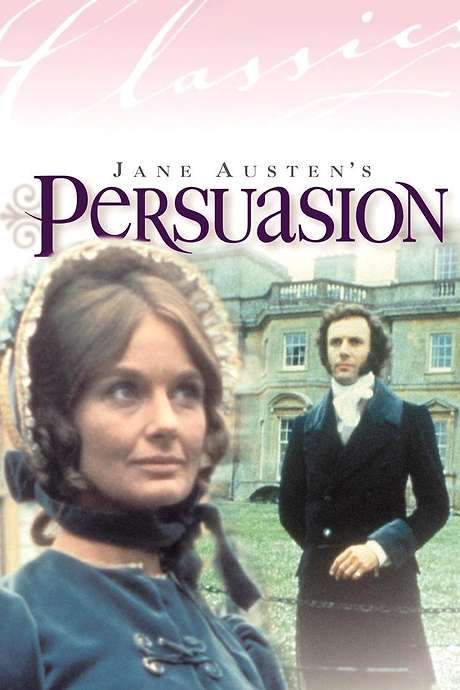
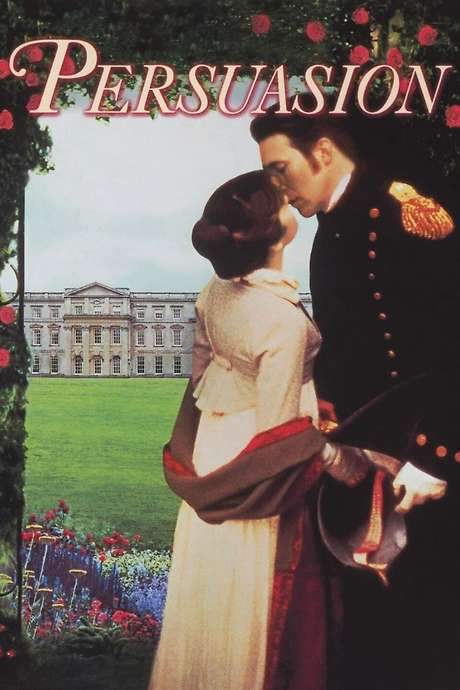
Persuasion (1995) movie poster

Plot Summary

Persuasion (1995) Plot Summary Explained

Release, runtime and language
1995 · 107 mins · English
JustWatch #21,797 9
Directed by
Roger Michell
Starring
Ciarán Hinds, Emma Roberts, Simon Russell Beale, Fiona Shaw, John Woodvine, Sally George

A love lost but never forgotten in this BBC dramatization. Anne Elliot, daughter of a financially strained aristocratic family, is persuaded to break her engagement to sea captain Frederick Wentworth. Years later, financial pressure forces her father to lease the estate to Admiral Croft, reuniting Anne with the wealthy Frederick, who may love her.

On this page (7)
  1. 1 Where to watch
  2. 2 What happens: full plot
  3. 3 Plot questions answered
  4. 4 The book behind the movie
  5. 5 Movie threads
  6. 6 Movies like Persuasion
  7. 7 Every angle

Where to watch

Where to Watch Persuasion (1995)

Where can you watch Persuasion? Stream, rent or buy it in the US, including on BritBox, Tubi TV and YouTube Free: current JustWatch availability with up-to-date prices.

Streaming availability powered by JustWatch

Full plot summary · contains spoilers

What Happens in Persuasion: Full Plot Summary

The whole story of Persuasion (1995) explained, from the opening scene to the final frame: every key event, every twist and what it all adds up to. Read it as a quick recap before the sequel, to check a scene you missed, or to finally understand what really happened.

Captain Wentworth [Ciarán Hinds] returns from the Napoleonic Wars to England, as a fresh, capable naval captain with wealth and temperament tempered by years at sea. The story opens with a contingent of people moving toward Kellynch Hall: a naval ship carries Admiral Croft [John Woodvine], while a horse and buggy bears Mr. Shepherd [David Collings] and his daughter, Mrs. Clay [Felicity Dean], both anxious about debts that threaten the estate of Sir Walter Eliot [Corin Redgrave]. The household is already watching for signs of اقتصاد decline, and the tension sits heavy as creditors circle the man who once presided over a grand hall. Meanwhile, Croft’s presence sparks a quiet undercurrent of possibility, as he is connected by marriage to Wentworth’s sister-in-law, and the navy’s end of the war conversation shades the atmosphere with both relief and caution.

Sir Walter Eliot, a vain and financially strained baronet, must decide how to weather a storm that threatens Kellynch Hall’s future. He resists the idea at first, but the practical option of letting the hall and moving Bath becomes a real possibility, one that Shepherd, the family friend, as well as Lady Russell [Susan Fleetwood] and Sir Walter’s second eldest daughter, Anne [Amanda Root], quietly push toward. Anne, intelligent and perceptive, is acutely aware of the family’s precarious position. The arrival of Admiral Croft as the new tenant adds a complicated layer: his connection to Captain Wentworth—a man whom Anne once rejected nine years earlier—casts a long shadow over the discussions of marriage, fortune, and social standing. The initial discussions reveal the break that happened years before and set up the central moral question of the tale: can pride and prudence outpace genuine affection and lasting partnership?

Anne Elliott, loyal and thoughtful, is deeply unsettled by the prospect of a future that might hinge on money rather than affection. Her heart, shaped by the memory of Wentworth’s proposal, aches as she acknowledges the distance that time and circumstance have placed between them. Wentworth’s return is bound to stir old feelings, and the narrative follows how Anne’s sense of duty to her family competes with the memory of a love she once refused. As the family heads to Bath, Anne visits her sister and the Musgrove clan at Uppercross, where a chorus of voices—Mary [Sophie Thompson], Louisa [Emma Roberts], Henrietta [Victoria Hamilton], and their parents—unfolds in turn. Each member carries worries of health, fortune, and the quiet politics of flirtation and alliance, and Anne listens with a steady, almost clinical attentiveness that tinctures the tale with a restrained, accurate realism.

Captain Wentworth [Wentworth] [Ciarán Hinds] himself becomes a regular visitor at Uppercross, bringing with him ease and charm, but keeping a respectful distance from Anne. He moves through social occasions with grace, while Louisa [Emma Roberts] and Henrietta flirt with him openly, not fully grasping the weight of his past or the depth of Anne’s enduring attachment. The presence of Wentworth unsettles Henry Hayter and the Musgrove family alike, and the tension of past choices resurfaces in conversations and glances. A pivotal moment occurs when Wentworth and Anne are briefly reunited at breakfast after years apart; he notices how she has changed, and the old ache of history returns in his perceptive silence. The narrative uses these small, telling moments to reveal the new balance of their feelings, while also showing how social expectations and family loyalties shape every decision.

The journey to Lyme brings Captain Harville [Robert Glenister] and Captain Benwick [Richard McCabe] into closer proximity with Anne. Benwick, recently bereaved—the loss of his fiancée, Phoebe Harville, casts a long shadow over his days—finds solace in poetry and in the company of thoughtful listeners like Anne. The dynamic at Lyme explores the virtue of constancy, friendship, and the healing power of conversation, even as a new figure, a handsome stranger, appears and turns out to be William Elliot [Samuel West], their estranged cousin and heir to Kellynch Hall. The tension intensifies as Anne learns more about Elliot’s ambitions and, more dangerously, about the fragility of trust when money and inheritance are at stake.

A dramatic incident changes everything: Louisa [Emma Roberts] leaps from a high staircase, hoping Wentworth will catch her. It is a moment that tests all loyalties and demands quick action; Anne remains calm and dutiful, taking charge as Louisa is rushed to the Harvilles’ home to await a surgeon. Wentworth’s instinct is to stay and nurse, but Mary’s insistence draws him away, and he escorts Henrietta and Anne to Uppercross to raise the alarm before returning to Lyme. This crisis cements Anne’s role as the steady center of the family, and it intensifies the emotional stakes as the narrative moves forward toward Bath.

Back in Bath, the Crofts—Admiral Croft [John Woodvine] and Mrs. Croft [Fiona Shaw]—arrive, and the social world of the city becomes a stage for a web of personal revelations. Sir Walter and Elizabeth [Phoebe Nicholls] reveal they have repaired relations with Mr. Elliot [Samuel West], who now seems determined to win Anne’s hand, despite questions about his character. Yet the gossip and exposure of finances push Anne to weigh who she trusts and what she values most. The arrival of the Crofts coincides with the news that Louisa has recovered and become engaged to Benwick, a turn of events that reshapes Wentworth’s own prospects and his approach to Anne.

In Bath, Wentworth’s presence is increasingly charged with possibility. He and Anne cross paths often, their conversations brief but charged with unspoken recognition. The Musgroves, along with Captain Harville [Robert Glenister], return to town in search of wedding clothes, which brings the two sooner into sustained contact. Yet the pressure mounts from Mr. Elliot [Samuel West], who continues to pursue Anne while masking his own financial vulnerability. Anne receives a painful lesson when Mrs. Smith [Helen Schlesinger] reveals Elliot’s bankruptcy and his motive to marry into the Elliott fortune in order to maintain influence over the family line and inheritance. The moral arithmetic becomes clearer: can love survive when wealth and strategy shape so many decisions?

The story heightens as a formal, almost religious debate about the constancy of love unfolds between Anne and Harville; Wentworth, quietly listening, writes a letter that becomes a turning point. He confesses that he has never stopped loving Anne and, in a moment of quiet certainty, proposes again. The moment turns electric when, outside, Wentworth awaits Anne’s answer. At a social gathering later that evening, Wentworth’s announcement that Anne has accepted his marriage proposal shatters the expectations of Mr. Elliot and the town alike. The final image is intimate and hopeful: Wentworth and Anne, now married, aboard a navy warship, united by shared history and a future they choose together. > "I have never stopped loving you," Wentworth declares, and the sea breeze seems to seal their promise.

This retelling preserves the emotional throughline of a woman navigating duty, desire, and social pressure, while tracing a careful arc of reconciliation, trust, and renewed love. The cast’s performances—[Ciarán Hinds], [Amanda Root], [John Woodvine], [Fiona Shaw], [Robert Glenister], [Richard McCabe], [Sophie Thompson], [Victoria Hamilton], [Sally George], [Corin Redgrave], [Susam Fleetwood], [Samuel West], [Phoebe Nicholls], [David Collings], [Darlene Johnson], [Judy Cornwell], [Jane Wood], [Lonnie James], and others—shape a story that is at once intimate and expansive, modest in its speech and grand in its emotional architecture.
Last updated: October 09, 2025 at 10:42

Was this helpful?

Plot questions answered

Persuasion Plot Explained: Your Questions Answered

The questions people ask most about Persuasion (1995): what happens in the confusing scenes, why the characters do what they do, the twists, hidden details and what the ending means. Each answer contains spoilers.

Q1

Why did Lady Russell persuade Anne to reject Captain Wentworth's proposal?

Lady Russell convinced Anne to break off the engagement nine years earlier because Wentworth had no fortune or steady prospects at the time. As a practical woman, Lady Russell believed Anne deserved financial security and social stability, advice that Anne unfortunately followed despite her genuine feelings for Wentworth.

Foreshadowing: Early scenes establish Lady Russell's strong influence over Anne's decisions and the family's financial precariousness.

  • lady russell
  • anne elliot
  • captain wentworth
  • engagement
  • broke off
Q2

How did Captain Wentworth become wealthy?

Wentworth accumulated his fortune through a successful naval career during the Napoleonic Wars. His service at sea transformed him from a man of limited prospects into a wealthy captain, which is why his return creates such a dramatic shift in the social dynamic between himself and the financially struggling Elliot family.

Foreshadowing: The opening arrival of Admiral Croft and references to the navy hint at Wentworth's maritime success.

  • captain wentworth
  • wealthy
  • naval
  • napoleonic wars
  • money
Q3

Why is Mr. Elliot trying to marry Anne?

Mr. Elliot's pursuit of Anne is not motivated by genuine affection. Mrs. Smith reveals that he is actually bankrupt and hopes to marry into the Elliot fortune to restore his financial standing and secure his position as heir to Kellynch Hall. He also wants to prevent Sir Walter from marrying Mrs. Clay, which would threaten his inheritance.

Foreshadowing: Mr. Elliot's sudden reappearance and the repaired relations with Sir Walter hint at underlying ulterior motives.

  • mr elliot
  • anne
  • marriage
  • money
  • inheritance
  • bankrupt
Q4

What happened to Louisa Musgrove at Lyme?

During a visit to Lyme, Louisa Musgrove dramatically jumped from a high staircase, confident that Captain Wentworth would catch her. She fell and suffered a serious head injury, requiring a surgeon. Anne remained calm during the crisis and took charge of the situation while Wentworth escorted the others to raise the alarm.

Foreshadowing: Louisa's bold personality and flirtatious behavior with Wentworth throughout the story foreshadow her reckless action.

  • louisa musgrove
  • lyme
  • accident
  • injury
  • wentworth
Q5

Why did Captain Wentworth leave Lyme after Louisa's accident?

After Louisa's fall, Wentworth's instinct was to stay and help nurse her, but Mary's insistence drew him away. He escorted Henrietta and Anne to Uppercross to raise the alarm and gather help before returning to Lyme. This departure temporarily separated him from Anne and shifted the story's focus to Bath.

Foreshadowing: The incident strains existing relationships and sets the stage for character realignments, including Louisa's subsequent engagement to Benwick.

  • captain wentworth
  • lyme
  • left
  • louisa
  • uppercross
Q6

What does Mrs. Smith reveal about Mr. Elliot's character?

Mrs. Smith, Anne's acquaintance in Bath, reveals that Mr. Elliot is completely bankrupt and has been living beyond his means. She explains that his goal in pursuing Anne is to secure the Elliot fortune and maintain his status as heir. She also uncovers his scheme to prevent Sir Walter from marrying Mrs. Clay, which would produce a male heir and disinherit him.

Foreshadowing: Mrs. Smith's earlier references to knowing painful secrets about Mr. Elliot set up this crucial revelation.

  • mrs smith
  • mr elliot
  • revealed
  • truth
  • bankrupt
  • scheme
Q7

Why does Captain Wentworth write a letter to Anne in Bath?

During a conversation between Anne and Captain Harville about the constancy of love, Wentworth silently composes a letter declaring that he has never stopped loving Anne. He hands her this letter as a proposal, finally expressing his enduring feelings after years of pent-up emotion and social restraint.

Foreshadowing: Wentworth's quiet observation of Anne throughout the story and his charged glances build toward this moment of confession.

  • captain wentworth
  • letter
  • anne
  • proposal
  • love
Q8

Why does the Elliot family need to lease Kellynch Hall?

Sir Walter Elliot faces mounting debts and financial ruin as creditors circle. To maintain his lifestyle and status, he reluctantly agrees to let Kellynch Hall to Admiral Croft and move to Bath temporarily. This financial desperation sets the entire story in motion and explains why the family's social standing is so precarious.

Foreshadowing: The opening scene establishes the economic pressures that drive the family's decisions throughout the film.

  • kellynch hall
  • sir walter
  • debts
  • lease
  • bath
  • financial
Q9

Why does Anne accept Captain Wentworth's proposal after rejecting him years before?

Anne accepts because Wentworth's letter confirms what she has secretly hoped for: that he never stopped loving her despite her rejection. The years of regret, her changed circumstances, and his continued affection give her the courage to choose love over prudence, overriding the social and financial considerations that previously influenced her decision.

Foreshadowing: Anne's earlier confession to Lady Russell about regretting her choice establishes her emotional vulnerability.

  • anne
  • captain wentworth
  • accept
  • proposal
  • marriage
  • love
Q10

Why does Captain Benwick become engaged to Louisa Musgrove?

After Louisa recovers from her accident at Lyme, she and Captain Benwick become engaged. The change in Louisa's disposition after her head injury, combined with Benwick's own history of losing his fiancée Phoebe Harville, creates a connection between them. This engagement also interestingly frees Wentworth to pursue Anne without competing with the Musgrove sisters.

Foreshadowing: Benwick's mourning and attraction to poetry, along with Louisa's bold personality, hint at their eventual pairing.

  • captain benwick
  • louisa musgrove
  • engagement
  • marriage
  • lyme

Movie threads

More Movies Like Persuasion, by Mood & Story

Curated lists built around what makes Persuasion tick: the same mood, the same kind of story or the same emotional payoff. Each list explains why these movies belong together.

Movies about quiet yearning and second chances like Persuasion

Stories where love, once lost, gets a delicate and hopeful second opportunity. If you liked the restrained romance and hopeful reunion in Persuasion, explore these movies about love lost and found. This collection features similar stories of second-chance relationships, bittersweet longing, and emotionally earned reconciliations in period and contemporary settings alike.

  • yearning
  • reflective
  • romantic
  • melancholic
  • hopeful
  • restrained
  • Tone: bittersweet, hopeful
  • Pacing: slow, deliberate
Why these movies?

The story pattern: The narrative follows characters reuniting after a significant separation, often driven by societal pressures, misunderstandings, or youthful decisions. The journey is internal, focusing on reflection, unspoken feelings, and the cautious rebuilding of trust, culminating in a deeply satisfying emotional resolution.

Why they belong together: Movies in this thread share a core focus on the bittersweet beauty of rediscovery. They prioritize emotional authenticity over dramatic flair, featuring a slow, deliberate pace, a melancholic yet hopeful tone, and a central theme of constancy and reconciliation.

Restrained period dramas with social nuance like Persuasion

Elegant stories where societal rules and unspoken tensions shape personal destinies. For viewers who appreciated the social tension and financial pressures in Persuasion, this list highlights similar films. Discover other elegant dramas where character choices are constrained by class, inheritance, and duty, all unfolding with a slow, thoughtful pace.

  • dutiful
  • quiet
  • socially tense
  • reflective
  • nostalgic
  • elegant
  • Tone: melancholic, restrained
  • Pacing: slow, character-driven
Why these movies?

The story pattern: These narratives often involve a central character, usually a woman, navigating the strict confines of their social world. The conflict arises from the clash between personal desire and public obligation, with the plot advancing through social gatherings, familial negotiations, and the quiet defiance of convention.

Why they belong together: These films are grouped by their shared atmosphere of elegant restraint. They feature a slow pace, medium complexity in social dynamics, a focus on dialogue and manners over action, and a tone that balances the melancholy of constraint with the possibility of personal victory within the system.

If you liked this

Movies Like Persuasion

Similar movies to Persuasion: the same genre, themes or kind of story. Each one comes with its own plot summary, timeline and ending explained.

Browse all movie summaries

Every angle

Persuasion (1995) Explained: Plot, Timeline & Characters

Everything about Persuasion in one place: what happens in the plot summary, the timeline in chronological order, the characters and meaning and a spoiler-free summary. What's After the Movie adds the cast, box office and post-credit scenes.

Coming soon on iOS and Android

The Plot Explained Movie Summary App

Plot summaries, endings explained and timelines on your phone. Catch up on any movie in minutes, save your favorites and never miss a twist again.

Be the first to know when we launch. Your email stays private, always.

Learn more about the app