Plot Explained Spoilers guaranteed!
Plot Explained

Browse by genre

Let It Be (1970) movie poster

Timeline

Let It Be (1970) Timeline Explained – Every Event in Order

Release, runtime and language
1970 · 81 min · Italian
Loading streaming availability…
Directed by
Michael Lindsay-Hogg
Starring
Peter Sellers, George Harrison, John Lennon, Paul McCartney, The Beatles, Geoff Emerick

This documentary offers a revealing look at The Beatles during the recording of their final album. Filmed over a period of several weeks in 1969, it captures the band’s intimate rehearsals and candid studio sessions at Abbey Road. Viewers witness their creative process firsthand, observing the tensions and triumphs that led to the creation of enduring songs like "Get Back" and "Let It Be," providing a unique and unforgettable glimpse into a pivotal moment in music history.

On this page (6)
  1. 1 Where to watch
  2. 2 Events in order (12)
  3. 3 Timeline questions answered
  4. 4 Movie threads
  5. 5 Movies like Let It Be
  6. 6 Every angle
Loading streaming availability…

12 events in order · contains spoilers

Let It Be Timeline: Events in Chronological Order

Every key event of Let It Be (1970) in order, scene by scene, with when and where it takes place. Use it to untangle flashbacks, time jumps and parallel storylines, to refresh your memory before the sequel or to find the exact scene you are thinking of.

  1. Initial Rehearsals Begin

    The documentary opens with George Harrison, John Lennon, Paul McCartney, and Ringo Starr gathering to rehearse songs for an upcoming album. The atmosphere is relaxed and informal as the band members begin to explore their musical creativity together.

    Where
    Apple Corps headquarters
  2. Songwriting Collaboration

    As the sessions progress, the band members collaborate, sharing snippets of lyrics and melodies. Each artist contributes their unique musicality through piano, guitar, and drums, revealing their collective yet individual talents in the songwriting process.

    Where
    Apple Corps headquarters
  3. Personality Clashes Emerge

    The distinct personalities of the band members become more apparent as rehearsals continue. While Paul McCartney aims to unify the group's talents, John Lennon, George Harrison, and Ringo Starr begin to assert their individuality, creating a more divided creative environment.

    Where
    Apple Corps headquarters
  4. Diverging Creative Paths

    The group's strong independent ideas lead to a divergence in their creative paths. John Lennon and Paul McCartney focus on shaping several songs, while George Harrison dedicates himself to his own compositions, illustrating the increasing separation among the members.

    Where
    Apple Corps headquarters
  5. Drumming Jam Sessions

    Ringo Starr contributes to the sessions with his drumming, participating in various jam sessions throughout the rehearsals. His rhythmic support enhances the creative atmosphere, yet highlights the growing complexity of collaboration among the members.

    Where
    Apple Corps headquarters
  6. Shift in Focus

    The band's initial excitement transforms into a struggle to innovate as they grapple with their individual desires. The rehearsal sessions that once promised a collective synergy now echo with uncertainty and a longing for the past's collaborative magic.

    Where
    Apple Corps headquarters
  7. Deciding on a Public Performance

    As the band realizes their rehearsal may not yield groundbreaking new tracks, they decide to take a different approach. They opt for a bold public performance on the rooftop of Apple Corps headquarters as a way to connect with fans and re-energize their image.

    When
    January 30, 1969
    Where
    Apple Corps headquarters rooftop
  8. Rooftop Performance Preparations

    In the lead-up to the rooftop performance, the band members prepare both mentally and musically for their unique public appearance. This decision reflects a significant moment where they choose to engage directly with their fans, breaking away from traditional concert settings.

    Where
    Apple Corps headquarters rooftop
  9. Final Public Performance

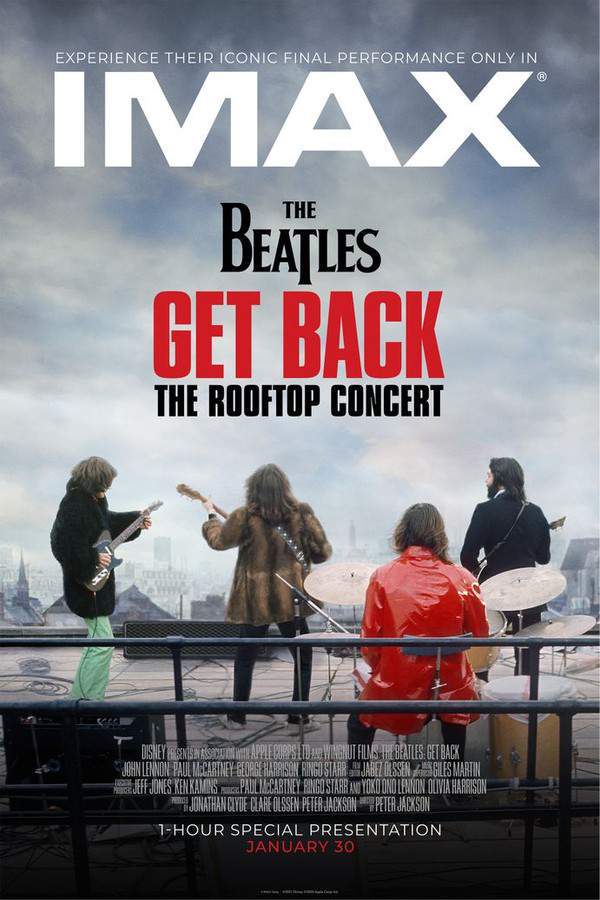
    On January 30, 1969, the Beatles perform on the rooftop of their Apple Corps headquarters. The performance draws a significant crowd below, showcasing their enduring popularity while also symbolizing a last hurrah for the iconic group.

    When
    January 30, 1969
    Where
    Apple Corps headquarters rooftop
  10. Police Intervention

    As the rooftop concert continues, the police arrive in response to noise complaints from bystanders. They eventually shut down what becomes the Beatles' final public performance, marking a historic moment for the band and the music industry.

    Where
    Apple Corps headquarters rooftop
  11. Reflections After the Performance

    Following the rooftop performance, the band members reflect on their journey and the emotional weight of the experience. This moment encapsulates the complexity of their relationships and the inevitable changes in their creative paths ahead.

    Where
    Apple Corps headquarters
  12. Legacy of the Rooftop Concert

    The rooftop performance becomes an iconic part of music history, symbolizing the Beatles' innovative approach to engaging with their audience. It is remembered as a defining moment that illustrates both their unity and the tensions that had developed within the band.

    Where
    Apple Corps headquarters rooftop

Last updated: November 16, 2024 at 14:22

Was this helpful?

Timeline questions answered

Let It Be Timeline Explained: Your Questions Answered

When does it happen, and why in that order? The questions people ask about the chronology of Let It Be (1970): time jumps, flashbacks, cause and effect between scenes and the correct order of events, each answered with spoilers.

Q1

Why did The Beatles decide to perform on the rooftop?

The Beatles chose to perform on the rooftop of Apple Corps headquarters on January 30, 1969, because they felt their rehearsal sessions were not producing groundbreaking new material. In a bold PR move, they decided to take their music directly to the public by playing live outdoors, breaking away from traditional studio recording and concert settings. This spontaneous performance became their final public appearance as a band.

Foreshadowing: Earlier scenes show the band struggling with creative disagreements and longing to recapture their earlier collaborative magic, setting the stage for this dramatic public statement.

  • rooftop concert
  • final performance
  • apple corps
  • january 30 1969
  • live performance
Q2

What caused the creative tensions shown in Let It Be?

The documentary reveals tensions arising from each band member's desire to pursue individual creative directions. While Paul McCartney tried to unify the group's talents and maintain their collaborative spirit, John Lennon, George Harrison, and Ringo Starr increasingly asserted their own musical ideas. George Harrison notably focused on his own compositions rather than contributing to group efforts, illustrating the growing separation among the members.

Foreshadowing: The relaxed early rehearsals gradually give way to more pronounced personality clashes as the sessions progress.

  • creative tension
  • george harrison
  • paul mccartney
  • john lennon
  • band dynamics
  • breakup
Q3

Why was the rooftop concert The Beatles' final public performance?

The rooftop performance on January 30, 1969, became The Beatles' final public performance because shortly after, the band officially broke up in 1970. While the rooftop concert was initially intended as a creative reinvigoration and PR stunt, it ultimately marked the end of The Beatles as a performing unit. The police shut down the concert due to noise complaints, providing a dramatic and poignant conclusion to their live performances.

Foreshadowing: The documentary's melancholic tone and the band's struggles during rehearsals foreshadow the inevitable end of their collaborative era.

  • final performance
  • beatles breakup
  • police shutdown
  • music history
  • live concert
Q4

How did police shut down The Beatles' rooftop concert?

As the band played on the rooftop of Apple Corps headquarters on Saville Row, the volume of their performance drew noise complaints from bystanders and nearby businesses. London police arrived at the scene and eventually forced the band to stop playing. The performance was forcibly shut down, marking what would become their final public appearance. The incident became legendary in music history as a dramatic end to an era.

Foreshadowing: The decision to perform outdoors in a busy London location inherently risked attracting authorities and disrupting the public space.

  • police
  • noise complaint
  • shut down
  • saville row
  • abbey road
  • final concert
Q5

What songs were The Beatles working on during the Let It Be sessions?

The Let It Be documentary captures The Beatles rehearsing and developing several songs that would appear on their final album, including the title track 'Let It Be' and 'Get Back.' The sessions show the band exploring various musical ideas through piano, guitar, and drums, with snippets of lyrics and melodies being crafted collectively. These recordings represented their last major creative work as a group.

Foreshadowing: Early rehearsal scenes establish the band's exploration of new material that would become enduring classics.

  • get back
  • let it be
  • songs
  • rehearsal
  • album
  • new songs
Q6

Why did George Harrison appear frustrated during the rehearsals?

George Harrison's frustration in the documentary stemmed from his growing desire to have his own compositions recognized and included in the band's repertoire. While John Lennon and Paul McCartney dominated the songwriting process, Harrison worked diligently on his own compositions but felt his contributions were not receiving equal consideration. This frustration reflected the broader tensions within the band regarding creative ownership and recognition.

Foreshadowing: The timeline notes Harrison's shift toward focusing on his own compositions rather than group efforts, hinting at his underlying dissatisfaction.

  • george harrison
  • frustration
  • songwriting
  • solo compositions
  • creative control
Q7

What is the significance of the Apple Corps rooftop in Beatles history?

The rooftop of Apple Corps headquarters on Saville Row became historically significant as the site of The Beatles' final public performance. The January 30, 1969 concert was a dramatic, spontaneous event that symbolized both the band's enduring popularity and their willingness to innovate. It represented a last hurrah before their eventual breakup, capturing a pivotal moment in music history when one of the world's most influential bands chose to perform publicly one final time.

Foreshadowing: The decision to use the Apple Corps rooftop reflects the band's ownership of their creative output and their desire for direct fan engagement.

  • apple corps
  • saville row
  • rooftop
  • final concert
  • location
  • history
Q8

Why does Let It Be have a melancholic tone despite showing music creation?

The documentary's melancholic tone stems from its context: it captures The Beatles during their final creative period together, knowing their eventual breakup was imminent. Even as beautiful music emerges from the sessions, there's a pervasive sense of loss and uncertainty about the band's future. The film documents the end of a cultural phenomenon, creating a bittersweet atmosphere where creative joy is undercut by the knowledge that this chapter in music history was closing.

Foreshadowing: The meta notes describe the film's intensity as medium with slow pacing, reflecting the contemplative and mournful nature of witnessing a legendary band's dissolution.

  • melancholy
  • bittersweet
  • ending
  • breakup
  • sadness
  • tone
  • documentary
Q9

What happened to The Beatles after the rooftop performance?

After the rooftop concert on January 30, 1969, The Beatles officially broke up in 1970. The Let It Be album was released in May 1970, shortly after the announcement of the band's dissolution. Each member pursued solo careers, with varying degrees of success. The rooftop performance remains iconic as the final public appearance of the four original Beatles together, marking the end of an era in popular music.

Foreshadowing: The band's reflections after the performance capture the emotional weight of their shared history and hint at the changes ahead.

  • aftermath
  • breakup
  • solo careers
  • 1970
  • end of era
  • history
Q10

How does Let It Be portray the band dynamics among The Beatles?

Let It Be provides an intimate, fly-on-the-wall look at The Beatles' interpersonal dynamics, showing how individual personalities began to overshadow their collaborative spirit. Paul McCartney emerges as someone trying to hold the group together, while John Lennon pursues his own artistic directions, George Harrison pushes for recognition of his compositions, and Ringo Starr provides rhythmic support through jam sessions. The documentary captures both the warmth and the strain in their relationships during this pivotal time.

Foreshadowing: Early scenes show a relaxed, informal atmosphere that gradually gives way to visible friction and divergence in creative paths.

  • dynamics
  • relationships
  • collaboration
  • tension
  • paul mccartney
  • john lennon
  • ringo starr
  • band members

Movie threads

More Movies Like Let It Be, by Mood & Story

Curated lists built around what makes Let It Be tick: the same mood, the same kind of story or the same emotional payoff. Each list explains why these movies belong together.

Documentaries about final performances like Let It Be

Documentaries that capture the poignant final chapter of influential artists. Explore movies like Let It Be that document the final days of legendary artists. These documentaries provide a candid look at the creative process, band dynamics, and emotional weight of a final act, perfect for fans of music history and intimate portraiture.

  • documentary
  • bittersweet
  • nostalgic
  • introspective
  • candid
  • finale
  • Tone: melancholic, bittersweet, reflective
  • Pacing: slow, observational
Why these movies?

The story pattern: The narrative follows a real-life artistic entity—a band, a performer, a director—as they navigate their last major project or performance. The tension between past glory and an impending ending creates a powerful, reflective arc.

Why they belong together: They share a focus on legacy, the emotional complexity of endings, and an observational style that prioritizes authenticity over manufactured drama.
Movies about creative tension like in Let It Be

Stories where brilliant teamwork is shadowed by friction and impending dissolution. If you liked the band dynamics in Let It Be, discover other films about creative partnerships under strain. These movies explore the friction and bittersweet collaboration within artistic groups, from music to other fields.

  • tense
  • melancholic
  • introspective
  • bittersweet
  • creative process
  • collaboration
  • Tone: melancholic, tense, bittersweet
  • Pacing: slow, character-driven
Why these movies?

The story pattern: The narrative centers on a group or partnership known for its synergy, now facing internal pressures. The plot unfolds through their creative process, highlighting how personal and artistic differences create a slow-burn tension that questions the future of the collaboration.

Why they belong together: They are united by a melancholic tone, a slow pace that allows tension to simmer, and a central theme of witnessing the end of a beautiful, productive, but ultimately fragile partnership.

If you liked this

Movies Like Let It Be

Similar movies to Let It Be: the same genre, themes or kind of story. Each one comes with its own plot summary, timeline and ending explained.

Browse all movie summaries

Every angle

Let It Be (1970) Explained: Plot, Timeline & Characters

Everything about Let It Be in one place: what happens in the plot summary, the timeline in chronological order, the characters and meaning and a spoiler-free summary. What's After the Movie adds the cast, box office and post-credit scenes.

Coming soon on iOS and Android

The Plot Explained Movie Summary App

Plot summaries, endings explained and timelines on your phone. Catch up on any movie in minutes, save your favorites and never miss a twist again.

Be the first to know when we launch. Your email stays private, always.

Learn more about the app