Year: 2002
Runtime: 224 min
Language: Hindi
Director: Ashutosh Gowariker
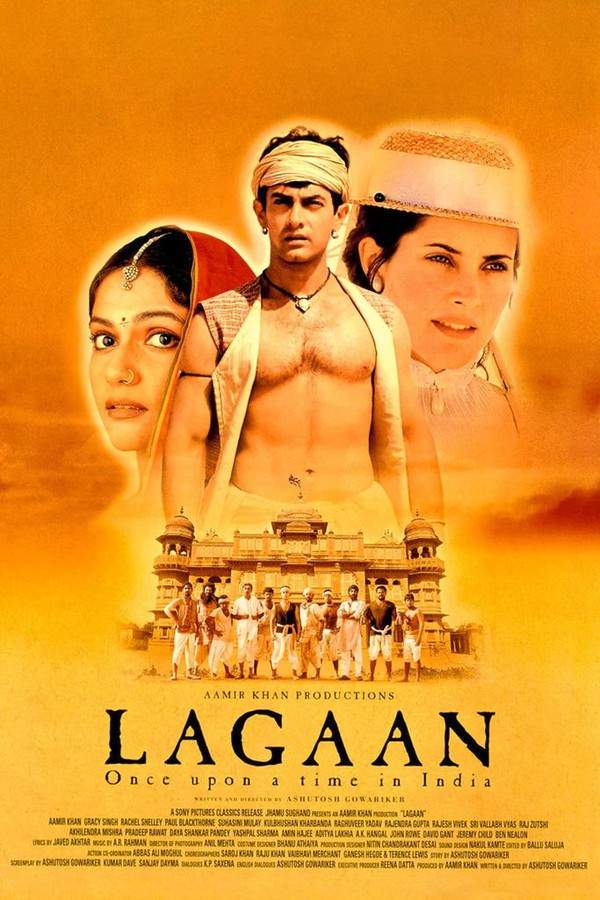
In 1893, a small Indian village struggles under the weight of an oppressive land tax imposed by British authorities. When a defiant farmer named Bhuvan challenges the tax, the ruthless Captain Russell proposes a unique solution: a cricket match. If the villagers can defeat Russell’s team, they will be spared the crippling tax. The stakes are high, and the odds are stacked against them, but the villagers find themselves united in a desperate fight for their freedom and livelihood.
Find where to stream, rent, or buy Lagaan: Once Upon a Time in India (2002) in the US with current JustWatch availability, up-to-date pricing, and platform listings for subscription, rental, and digital purchase options.
Warning: spoilers below!
Haven’t seen Lagaan: Once Upon a Time in India yet? This summary contains major spoilers. Bookmark the page, watch the movie, and come back for the full breakdown. If you're ready, scroll on and relive the story!
Read the complete plot breakdown of Lagaan: Once Upon a Time in India (2002), including all key story events, major twists, and the ending explained in detail. Discover what really happened, and what it all means.
Lagaan is set in the town of Champaner, located in the western Indian state of Gujarat, during the oppressive era of the British Empire in 1893. The local villages are suffering under the weight of exorbitant taxes known as "lagaan," enforced by Captain Andrew Russell (Paul Blackthorne), the commanding officer of the Champaner cantonment. With a severe drought making it impossible for the villagers to pay these taxes, they turn to Raja Puran Singh (Kulbhushan Kharbanda) for assistance. However, the Raja sadly informs them that he, too, is constrained by British laws and cannot offer help.
During this desperate time, the villagers come across a cricket match, a game they know little about. When Bhuvan (Aamir Khan), the leader of the villagers, derisively mocks the sport, he finds himself in conflict with one of the British officers. Angered by Bhuvan's attitude, Russell proposes a wager: if the villagers manage to defeat his team in a game of cricket, their taxes will be halted for three years. On the flip side, if they lose, they must pay three times their usual tax amount. Without consulting the villagers, Bhuvan boldly accepts this challenge, igniting a wave of anger among his people. He passionately argues that they should rise against British oppression.
Thus begins Bhuvan's arduous journey to prepare the villagers for their monumental match. Initially, he struggles to find teammates, but he is joined by Elizabeth (Rachel Shelley), Russell's sister, who disapproves of her brother's treatment of the locals. As she helps the villagers learn the game, a romantic bond grows between her and Bhuvan, complicating feelings in the village, particularly for Gauri ([Gracy Singh]), who harbors her own affections for him. Furthermore, Lakha ([Yashpal Sharma]), a woodcutter also in love with Gauri, is consumed by jealousy. In a treacherous move, he offers to act as a spy for Russell, hoping to sabotage Bhuvan’s team from within.
As Bhuvan continues to rally support, the villagers gradually realize that the game symbolizes their fight for freedom. However, when recruiting an untouchable player, Kachra ([Aditya Lakhia]), who is skilled at bowling, they initially reject him due to ingrained prejudices. Bhuvan confronts these biases, ultimately persuading them to accept Kachra and join him in the struggle.
The film then delves into the intense cricket match itself. On the first day, Russell's team wins the toss and opts to bat, securing an impressive start. Challenges arise for Bhuvan as Kachra struggles to bowl effectively, and Lakha, under Russell's influence, intentionally fails to catch the ball, putting the villagers' trust in jeopardy. In a pivotal moment, Elizabeth uncovers Lakha’s betrayal and rushes to inform Bhuvan, who shows mercy towards Lakha and allows him a chance for redemption.
As the match progresses, the villagers face mounting tensions. On the third and final day, with the spotlight on Bhuvan and Kachra, the game reaches a nail-biting climax. Despite injuries and setbacks, Bhuvan's determination sees him achieve a century, and the game leans towards a dramatic conclusion. In a twist of fate, Kachra's batting mishap results in Russell believing his team has triumphed; however, it is revealed that the ball was caught beyond the boundary line, earning six runs for Bhuvan's team and securing their victory.
As rain begins to pour down, signaling the end of the drought, the villagers celebrate their triumph over British oppression. Russell faces a humiliating defeat, resulting in his reassignment to Central Africa and the disbanding of the cantonment. Meanwhile, Elizabeth, heartbroken upon realizing Bhuvan's love for Gauri, returns to London, choosing to remain unmarried. Ultimately, Bhuvan marries Gauri, symbolizing hope and resilience in the face of adversity.
Last updated: May 21, 2025 at 07:31
Explore frequently asked questions about Lagaan: Once Upon a Time in India (2002) with spoiler-rich answers covering the full plot summary, major story beats, character motivations, hidden details, and ending meaning. This movie summary FAQ helps explain confusing scenes, plot twists, and narrative decisions in clear, searchable detail.
Bhuvan accepted the wager because he believed the villagers needed to stand up against British oppression rather than simply accepting their circumstances. Although he did not consult them first, his bold acceptance was meant to spark a sense of resistance and pride among the villagers. He argued that a life of dignity under freedom was worth the risk of tripled taxes, and his passionate speech eventually convinced the villagers to support him and prepare for the match.
Earlier, Bhuvan had mocked the cricket game, showing his initial disdain for British culture before recognizing it as an opportunity for resistance.
Captain Russell proposed the cricket match because he was confident his team would easily defeat the villagers, who knew nothing about the sport. He wanted to teach Bhuvan a lesson for mocking British culture and demonstrate British superiority. The wager offered him a chance to humiliate the villagers while also potentially Tripling their taxes if they lost, which would further enrich the British coffers.
When Bhuvan mocked the cricket game, Russell took personal offense, setting the stage for his vindictive proposal.
Kachra was an untouchable with exceptional bowling skills that the villagers initially refused to include due to caste prejudice. Bhuvan convinced the team to accept him by arguing that their fight against British oppression was meaningless if they oppressed each other. Kachra proved crucial by taking a hat-trick and bowling out several British batsmen, dramatically turning the match in the villagers' favor.
Bhuvan's speech about unity against oppression directly challenged the villagers' deep-rooted prejudices.
In the final over, Kachra faced the last ball with the villagers needing six runs to win. Russell's team believed they had won when Kachra was caught, but the umpire ruled the catch was made beyond the boundary line, awarding six runs to the batting side. This gave the villagers a one-run victory. The moment was particularly dramatic because the British team had already started celebrating, making the reversal even more humiliating for Russell.
Earlier in the match, Kachra had already demonstrated his bowling prowess with a hat-trick, establishing his importance to the team's success.
Elizabeth, Captain Russell's sister, was deeply troubled by her brother's harsh treatment of the villagers. She disagreed with the British oppression and chose to help the villagers learn cricket as a way to oppose her brother's actions. During her time helping Bhuvan's team, she fell in love with him, adding emotional complexity to her decision to assist.
Elizabeth's discomfort with her brother's treatment of locals was established early when she witnessed the oppressive tax collection.
Lakha, who was in love with Gauri and jealous of Bhuvan, agreed to spy for Captain Russell and intentionally dropped catches during the match to help the British win. When Elizabeth discovered his betrayal and informed Bhuvan, he chose to show mercy rather than expel Lakha. This act of forgiveness inspired Lakha to redeem himself by making a crucial catch later in the match, helping secure the villagers' victory.
Lakha's jealousy toward Bhuvan was evident from the beginning, making his betrayal psychologically plausible.
The villagers' victory forced Captain Russell to disband the British cantonment in Champaner. Russell was humiliated and reassigned to a remote posting in Central Africa. Additionally, Russell was ordered to pay the taxes of the entire province, significantly weakening British authority in the region and marking a symbolic end to colonial oppression in that area.
The wager had specified that a village victory would halt taxes for three years, but the actual consequences exceeded these terms.
Elizabeth returned to London because she realized Bhuvan loved Gauri, not her. Despite the romantic connection that had developed between her and Bhuvan during the cricket training, she respected his true feelings and chose not to interfere. She returned to London and remained unmarried, accepting that her time in India had changed her but that her love for Bhuvan could not be reciprocated.
The romantic tension between Elizabeth and Bhuvan was present throughout, but Gauri's unrequited love for Bhuvan was also established early.
The rain that fell after the villagers' victory marked the end of the prolonged drought that had plagued Champaner. This timing was symbolically significant, as it suggested that the villagers' triumph over British oppression had also brought spiritual and natural renewal to their land. The rain transformed the despairing, drought-stricken village into a place of hope and new beginnings.
The severe drought was established as the primary reason the villagers could not pay their taxes, making rain essential to their survival.
If the villagers had lost the cricket match, they would have been required to pay triple their original tax amount. This would have been catastrophic for the already drought-stricken village, likely forcing many families off their land and into further poverty or servitude. The British would have used this victory to reinforce their dominance and potentially increase their control over the region.
The stakes were clearly established when Russell proposed the wager, emphasizing the villagers' desperate situation.
Discover curated groups of movies connected by mood, themes, and story style. Browse collections built around emotion, atmosphere, and narrative focus to easily find films that match what you feel like watching right now.
Stories where a ragtag team must unite and triumph against a superior opponent.If you loved the thrilling cricket match in Lagaan, discover other movies like Lagaan: Once Upon a Time in India that celebrate teamwork and defiance. These films capture the spirit of underdog sports stories, where a group of unlikely heroes must learn a new game and face a formidable opponent, leading to powerful and uplifting victories.
The narrative pattern follows a clear arc: an unfair challenge is issued, a reluctant leader emerges to assemble a mismatched team, internal conflicts and training montages build their skills and unity, leading to a high-stakes final match filled with suspense that culminates in a triumphant victory against all odds.
Movies are grouped here for their shared focus on the uplifting power of sports, the nail-biting tension of competition, and the emotional payoff of seeing the underdog succeed through sheer determination and teamwork. They share a hopeful tone and a steady pacing that builds to an intense, joyful climax.
A community must unite to defy an oppressive force for their survival.Explore movies similar to Lagaan: Once Upon a Time in India that focus on communities banding together. If you liked the theme of villagers uniting against colonial rule in Lagaan, you'll enjoy these stories of unified rebellion where ordinary people overcome internal differences to challenge an oppressive authority for their freedom and dignity.
The pattern involves an external threat that initially paralyzes a community. A catalyst figure challenges the status quo, rallying people who are divided by class, caste, or internal conflict. The story unfolds as the group learns to trust one another, makes sacrifices, and engages in a direct confrontation with the oppressors, finding strength in their unity.
These movies are linked by their core theme of a community's journey from subjugation to empowered defiance. They share a dramatic and hopeful tone, a steady pacing that allows for character development within the group, and a medium-to-high intensity derived from the high stakes of the conflict.
Don't stop at just watching - explore Lagaan: Once Upon a Time in India in full detail. From the complete plot summary and scene-by-scene timeline to character breakdowns, thematic analysis, and a deep dive into the ending - every page helps you truly understand what Lagaan: Once Upon a Time in India is all about. Plus, discover what's next after the movie.
Track the full timeline of Lagaan: Once Upon a Time in India with every major event arranged chronologically. Perfect for decoding non-linear storytelling, flashbacks, or parallel narratives with a clear scene-by-scene breakdown.
Discover the characters, locations, and core themes that shape Lagaan: Once Upon a Time in India. Get insights into symbolic elements, setting significance, and deeper narrative meaning - ideal for thematic analysis and movie breakdowns.
Discover movies like Lagaan: Once Upon a Time in India that share similar genres, themes, and storytelling elements. Whether you’re drawn to the atmosphere, character arcs, or plot structure, these curated recommendations will help you explore more films you’ll love.
Lagaan: Once Upon a Time in India (2002) Scene-by-Scene Movie Timeline
Lagaan: Once Upon a Time in India (2002) Movie Characters, Themes & Settings
Lagaan: Once Upon a Time in India (2002) Spoiler-Free Summary & Key Flow
Movies Like Lagaan: Once Upon a Time in India – Similar Titles You’ll Enjoy
Rangoon (2017) Spoiler-Packed Plot Recap
A Passage to India (1985) Detailed Story Recap
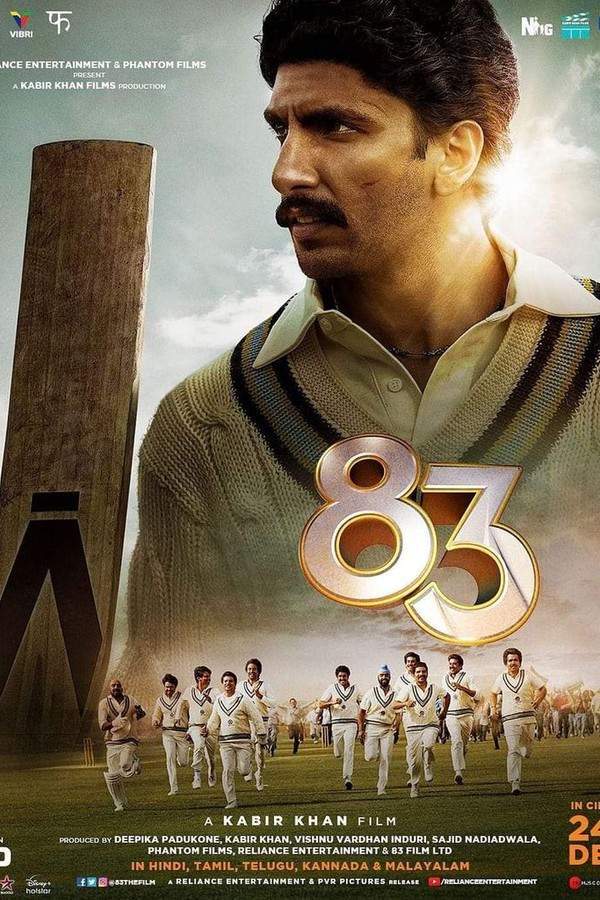
'83 (2021) Story Summary & Characters
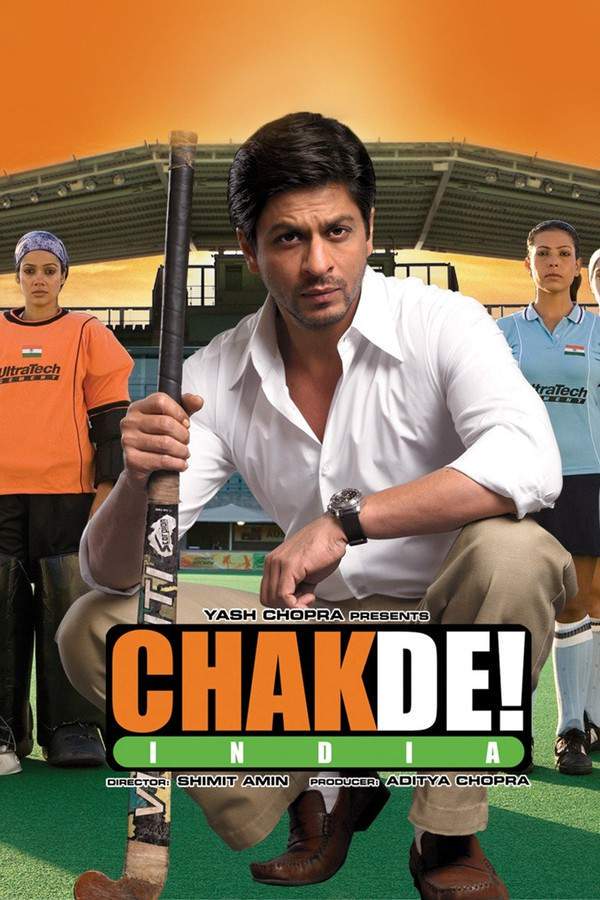
Chak De India! (2007) Plot Summary & Ending Explained
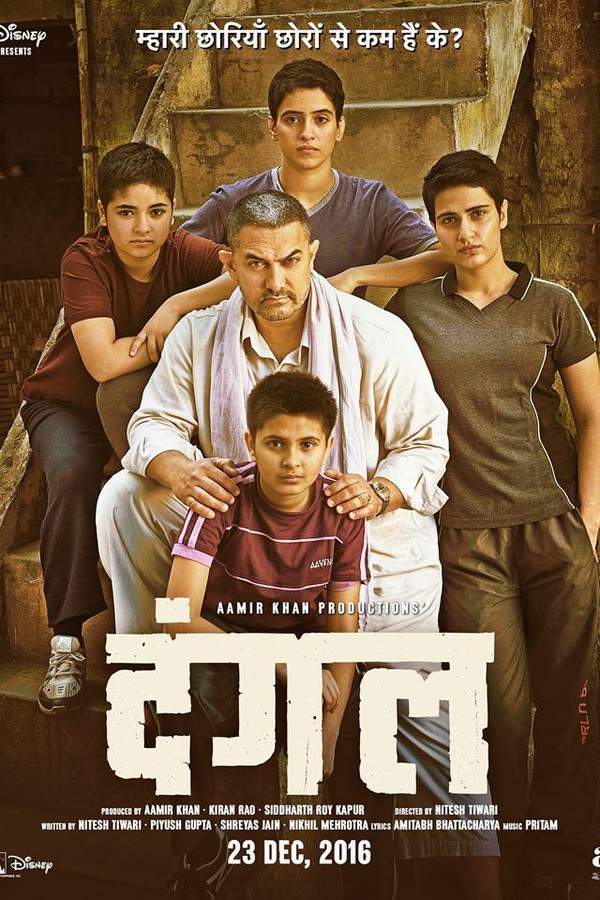
Dangal (2016) Movie Recap & Themes
Kai po che! (2013) Complete Plot Breakdown
M.S. Dhoni: The Untold Story (2016) Plot Summary & Ending Explained
Manikarnika: The Queen of Jhansi (2019) Full Movie Breakdown
Jersey (2022) Ending Explained & Film Insights
Laal Kaptaan (2019) Detailed Story Recap
Iqbal (2005) Ending Explained & Film Insights
Ghulami (1985) Detailed Story Recap
Chhalaang (2020) Full Summary & Key Details
Gunga Din (1939) Full Summary & Key Details
Mission Raniganj (2023) Spoiler-Packed Plot Recap