Plot Explained Spoilers guaranteed!
Plot Explained

Browse by genre

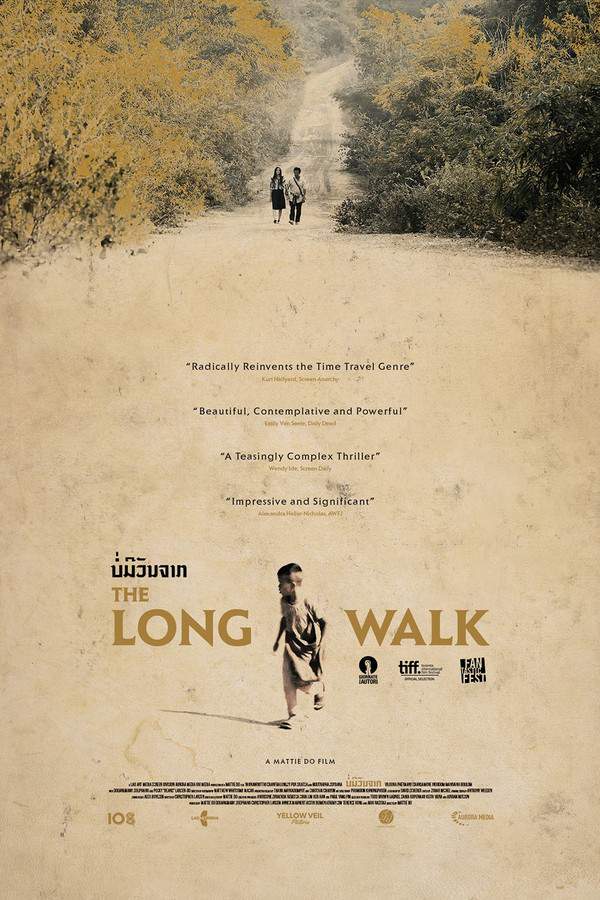
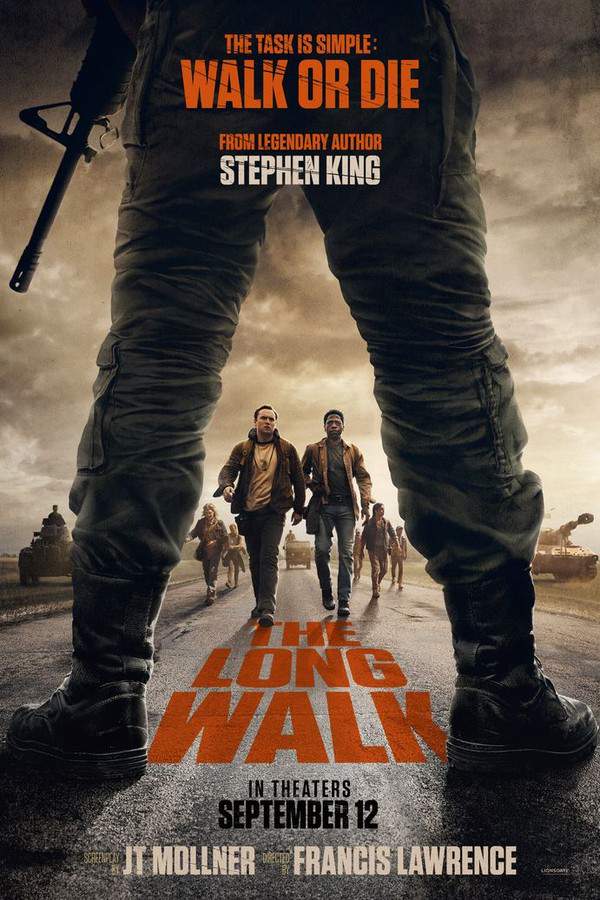
The Long Walk (2025) movie poster

Plot Summary

The Long Walk (2025) Plot Summary & Ending Explained

Release, runtime and language
2025 · 1 h 48 m · English
Echo score 85
Loading streaming availability…
Directed by
Francis Lawrence
Starring
Mark Hamill, Judy Greer, David Jonsson, Josh Hamilton, Garrett Wareing, Charlie Plummer
Budget
$20M

Adapted from Stephen King’s first‑written novel and helmed by Francis Lawrence, the visionary director of the Hunger Games films, this intense, chilling and emotionally charged thriller puts its characters — and its audience — into a relentless contest of endurance, forcing everyone to confront the unsettling question of just how far they would go when their very survival depends on continuing to walk.

On this page (8)
  1. 1 Where to watch
  2. 2 What happens: full plot
  3. 3 Plot questions answered
  4. 4 How it ends
  5. 5 The book behind the movie
  6. 6 Movie threads
  7. 7 Movies like The Long Walk
  8. 8 Every angle
Loading streaming availability…

Full plot summary · contains spoilers

What Happens in The Long Walk: Full Plot Summary

The whole story of The Long Walk (2025) explained, from the opening scene to the final frame: every key event, every twist and what it all adds up to. Read it as a quick recap before the sequel, to check a scene you missed, or to finally understand what really happened.

The film, expanded into a feature, reimagines Montgomery, Alabama in 1955 at the heart of the Montgomery bus boycott. It follows Odessa Cotter, a Black woman who works as a maid for Miriam Thompson, and together with her family, they navigate the harsh realities of poverty, racism, segregation, and the threat of violence that marked the era. The bus boycott reshapes daily life, and the Black community increasingly relies on long walks and stubborn endurance as they challenge a system designed to keep them in their place.

Miriam Thompson, moved by Odessa’s struggle, offers to give her a ride two days a week, hoping to make Odessa’s commute more reliable and less exhausting. Around the city, informal carpools begin to form and new support networks emerge, yet most residents still must walk to work, confronting fatigue and curiosity from a society watching every move. The act of sharing a ride becomes more than convenience; it signals a collective resilience growing beneath the surface.

As the boycott drags on, tensions mount in Montgomery. The bus system, heavily used by Black riders, faces financial strain as the community holds firm to its stand. Miriam’s decision to help Odessa becomes a flashpoint within her own household and among white neighbors and influential figures who want the boycott to end. She confronts a difficult choice between immediate social and personal comfort and the larger moral imperative she senses in the struggle for equal rights.

After a heated confrontation, Miriam chooses to follow her conscience and broaden her commitment. She joins a carpool network intended to assist other Black workers, turning a personal gesture into a broader act of solidarity. In the film’s closing moments, Miriam and her daughter Mary Catherine join Odessa and the other protesters in a public demonstration, a powerful image of unity against oppression.

The narrative underscores how ordinary acts—sharing rides, forming carpools, and standing together—can ripple through a community and contribute to a larger movement for dignity and equality. It emphasizes memory, intergenerational perspectives, and the courage of everyday people who push against a segregated status quo, painting a nuanced, human portrait of a pivotal moment in civil rights history.

Last updated: February 05, 2026 at 07:36

Was this helpful?

Plot questions answered

The Long Walk Plot Explained: Your Questions Answered

The questions people ask most about The Long Walk (2025): what happens in the confusing scenes, why the characters do what they do, the twists, hidden details and what the ending means. Each answer contains spoilers.

Q1

Why does Miriam start giving Odessa rides to work?

Miriam offers Odessa rides because she sees how exhausted the long walk makes her. After watching Odessa struggle with the daily commute during the boycott, Miriam decides to help by driving her to work twice a week. This gesture stems from her growing empathy for Odessa's situation as she witnesses the physical toll the boycott takes on her employee.

Foreshadowing: Earlier scenes show Odessa arriving at work visibly tired, setting up Miriam's decision to help.

  • miriam thompson
  • odessa cotter
  • rides
  • commute
  • empathy
Q2

What causes Miriam to choose the boycott over her husband's wishes?

Miriam's decision comes after a heated confrontation with her husband Norman, who pressures her to stop helping Odessa. The argument reveals the growing conflict between her private comfort and her moral conscience. Despite fear of backlash from white neighbors, Miriam chooses to follow her conscience and joins the carpool network, turning her personal kindness into broader solidarity.

Foreshadowing: The tension between Miriam and Norman builds throughout the film as she becomes more involved.

  • miriam
  • norman
  • husband
  • confrontation
  • boycott
  • conscience
Q3

How do the carpools help the boycott succeed?

The carpools replace the lost bus transportation that Black residents relied on daily. By organizing rides, the community ensures workers can still get to their jobs without using the segregated buses. This keeps the boycott economically effective while demonstrating collective resistance. The network also builds deeper solidarity among Black residents and shows white Montgomery that the community won't break.

Foreshadowing: The informal carpools begin forming after Miriam's initial gesture, showing how one act inspires broader action.

  • carpools
  • transportation
  • boycott
  • community
  • solidarity
  • economic pressure
Q4

What does the final scene with Miriam and Mary Catherine joining the protest represent?

The final scene shows Miriam and her daughter Mary Catherine standing with Odessa and other protesters, symbolizing the growth of cross-racial solidarity. It represents how Miriam's journey from passive sympathy to active participation mirrors the broader civil rights movement. The image of unity underscores that lasting change requires people from different backgrounds to stand together against injustice.

Foreshadowing: Mary Catherine narrates in flashback, indicating from the start that this story will frame her mother's transformation.

  • final scene
  • unity
  • protest
  • mary catherine
  • solidarity
  • cross-racial
Q5

Why does the financial strain on the bus system matter to the boycott?

The bus system depends heavily on Black riders, who make up the majority of passengers. When the boycott removes this ridership, the city-owned buses lose money rapidly. This economic pressure becomes the protest's most powerful tool, forcing city leaders to confront the financial cost of segregation. The strain demonstrates how collective economic action can challenge systemic racism.

Foreshadowing: Early scenes establish how Black residents rely on buses daily, making the boycott's impact clear.

  • bus system
  • finances
  • economic pressure
  • boycott
  • segregation
Q6

Why does Odessa keep walking to work despite the dangers?

Odessa continues walking because the boycott represents more than just transportation, it's a stand against a system designed to oppress Black people. She understands that staying off the buses, even when difficult, sends a powerful message. Her perseverance shows the personal cost of resistance and demonstrates the courage required to challenge segregation daily.

Foreshadowing: The opening scenes establish Odessa's routine and the hardships she faces, showing her determination from the start.

  • odessa
  • walking
  • dangers
  • perseverance
  • boycott
  • resistance
Q7

Why does Norman oppose Miriam helping Odessa?

Norman represents the white power structure that benefits from segregation. He opposes Miriam's help because it challenges the social order and invites scrutiny from other white residents. His pressure on Miriam shows how standing against racism required defying not just laws but also family ties and social expectations. The conflict between Miriam and Norman illustrates the personal costs of moral courage.

Foreshadowing: Norman's presence at gatherings with other white leaders hints at his influence and stakes in maintaining segregation.

  • norman thompson
  • husband
  • opposition
  • segregation
  • white community
Q8

How does the relationship between Odessa and Miriam change throughout the film?

Their relationship evolves from employer-employee in a segregated society to partners in resistance. What starts as a practical arrangement, rides to work, becomes a genuine friendship built on mutual respect. Miriam's willingness to risk her social standing for Odessa represents the personal transformation that the civil rights movement required from white allies.

Foreshadowing: Early scenes show the formal distance between them, which gradually dissolves as Miriam learns more about Odessa's life.

  • odessa
  • miriam
  • relationship
  • transformation
  • employer
  • friendship
Q9

What is the film saying about ordinary people and social change?

The film argues that significant social change comes from ordinary acts of courage, sharing rides, forming carpools, and standing together. It shows how individual choices, like Miriam deciding to help Odessa, can ripple through a community and become part of a larger movement. The message emphasizes that dignity and equality are worth fighting for through sustained solidarity.

Foreshadowing: The title "The Long Walk" references both the literal walking during the boycott and the broader journey toward justice.

  • message
  • social change
  • ordinary people
  • solidarity
  • dignity
  • equality

Ending explained

What Happens at the End of The Long Walk?

How The Long Walk (2025) ends, in short: the final scene, the last twist and what it means for the characters. The full ending explained, with every spoiler, lives on its own page.

Read the full ending explained

When the endless march finally narrows to two, Peter McVries and Ray Garraty become each other’s only lifeline. McVries, who has repeatedly pulled Garraty back from collapse, finally decides to give up, dropping to the ground and letting the soldiers fire. Instead of letting his friend die, Garraty drags McVries to his feet and, in a heartbreaking reversal, chooses to end his own walk. At that moment the gunfire stops and only McVries remains standing.

With the last step taken, McVries inherits the prize that the competition promises—a single wish from the authoritarian Major. The loss of Garraty shatters the fragile moral compass that had guided McVries throughout the ordeal, and in a flash of rage he uses the wish not to escape but to exact vengeance, demanding a weapon and killing the Major who embodies the ruthless regime.

Continue reading the ending (2 more paragraphs)

The film’s conclusion diverges sharply from Stephen King’s original novel, where Garraty survives, driven onward by a mysterious dark figure, and the story ends on a more existential, if still bleak, note. The cinematic version replaces that ambiguous triumph with a stark, revenge‑filled finale, placing the “winner” in a far darker place than the writer intended.

Ultimately, the ending underscores the story’s core question: can a person retain their humanity after being forced to watch friends fall one by one? McVries’s survival comes not with redemption but with a broken spirit and a thirst for retribution, suggesting that the true cost of the walk is the loss of the self‑same kindness that kept the contestants moving at all.

The Long Walk ending explained in full

Movie threads

More Movies Like The Long Walk, by Mood & Story

Curated lists built around what makes The Long Walk tick: the same mood, the same kind of story or the same emotional payoff. Each list explains why these movies belong together.

Movies about sustained tension and enduring hope like The Long Walk

Stories where characters endure oppressive pressure with quiet resilience. If you liked the determined resilience against oppressive forces in The Long Walk, explore more movies like it. These films feature a steady pace, medium emotional intensity, and a tone that balances tension with hope, perfect for viewers seeking stories of quiet courage.

  • tense
  • hopeful
  • endurance
  • oppressive
  • emotional
  • courageous
  • Tone: hopeful, tense
  • Pacing: steady, methodical
Why these movies?

The story pattern: Narratives in this thread typically follow a linear progression where characters are tested by a sustained, oppressive force. The conflict is often societal or systemic rather than personal, and the central journey is one of collective or individual endurance, leading to a climax that affirms the power of resistance.

Why they belong together: These movies are grouped together because they share a specific emotional mix: they are tense and emotionally charged yet fundamentally hopeful. The pacing is deliberate, allowing the weight of the situation to build, and the focus is on the strain and ultimate empowerment of enduring against the odds.

Movies about social protest and moral conflict like The Long Walk

Character-driven dramas about standing against injustice. Find more movies like The Long Walk that explore themes of racial injustice and civil rights. These similar drama stories focus on moral awakening, social protest, and the family dynamics strained by taking a stand, offering powerful and hopeful narratives.

  • emotional
  • courageous
  • strained
  • social drama
  • moral conflict
  • empowering
  • Tone: hopeful, emotional
  • Pacing: steady, character-driven
Why these movies?

The story pattern: The narrative pattern involves an ordinary person or group confronting a deep-seated social ill. The plot is straightforward, driven by the escalating conflict between the protesters and the oppressive system. Character arcs focus on moral growth, the cost of resistance, and the forging of solidarity.

Why they belong together: This thread unites films that tackle weighty social themes like racism and class divides through a personal lens. They share a serious emotional weight, a focus on moral courage, and a tone that, while acknowledging bleak realities, ultimately finds hope in human resilience and the fight for justice.

If you liked this

Movies Like The Long Walk

Similar movies to The Long Walk: the same genre, themes or kind of story. Each one comes with its own plot summary, timeline and ending explained.

Browse all movie summaries

Every angle

The Long Walk (2025) Explained: Plot, Ending, Timeline & Characters

Everything about The Long Walk in one place: what happens in the plot summary, the timeline in chronological order, the characters and meaning, the ending explained and a spoiler-free summary. What's After the Movie adds the cast, box office and post-credit scenes.

Coming soon on iOS and Android

The Plot Explained Movie Summary App

Plot summaries, endings explained and timelines on your phone. Catch up on any movie in minutes, save your favorites and never miss a twist again.

Be the first to know when we launch. Your email stays private, always.

Learn more about the app