







Plot Explained Spoilers guaranteed!
Plot Explained

Browse by genre

Kiss of the Spider Woman (1985) movie poster

Timeline

Kiss of the Spider Woman (1985) Timeline Explained – Every Event in Order

Release, runtime and language
1985 · 120 mins · English
JustWatch #8,528 5
Directed by
Héctor Babenco
Starring
William Hurt, Sônia Braga, Ken Kaneko, Milton Gonçalves, Miguel Falabella, Ana Maria Braga

In a remote tropical island, a mysterious woman sets a surreal tone, but the core narrative follows two starkly different prisoners in a Latin American jail. Valentin, a journalist, endures brutal torture for his political views, while Molina, a gay window‑dresser, combats the isolation by recounting romantic fantasies inspired by classic films, blurring reality and imagination.

On this page (6)
  1. 1 Where to watch
  2. 2 Events in order (15)
  3. 3 Timeline questions answered
  4. 4 Movie threads
  5. 5 Movies like Kiss of the Spider Woman
  6. 6 Every angle

Where to watch

Where to Watch Kiss of the Spider Woman (1985)

Where can you watch Kiss of the Spider Woman? Stream, rent or buy it in the US, including on HBO Max, Amazon Video and Apple TV Store: current JustWatch availability with up-to-date prices.

Streaming availability powered by JustWatch

15 events in order · contains spoilers

Kiss of the Spider Woman Timeline: Events in Chronological Order

Every key event of Kiss of the Spider Woman (1985) in order, scene by scene, with when and where it takes place. Use it to untangle flashbacks, time jumps and parallel storylines, to refresh your memory before the sequel or to find the exact scene you are thinking of.

  1. Cellmates meet under dictatorship

    Valentin Arregui, a political prisoner, shares a cramped cell with Luis Molina, a gay man imprisoned for 'corrupting an underage youth.' They begin a guarded dialogue as the prison's harsh realities frame every word. Molina starts passing the time by recounting memories from his favorite film.

    Where
    Prison cell
  2. Molina's cinematic refuge

    Molina recounts memories from his favorite wartime romantic thriller, presenting it as a Nazi propaganda film within the film. He weaves the film's characters into their conversations to comfort Valentin and distract them from torture and isolation. The motif of cinema as solace recurs throughout their talks.

    Where
    Prison cell
  3. Valentin challenges Molina's lens

    Valentin challenges Molina's shallow romance and urges him toward self-respect and political commitment. Despite friction over what makes a story engaging, a cautious friendship begins to form.

    Where
    Prison cell
  4. Hidden allegiance revealed

    It becomes clear that Molina is spying for the secret police, with promises of parole hinging on helping to break up the revolutionary group. Valentin absorbs the treachery with a mix of anger and quiet resolve.

    Where
    Prison cell
  5. Valentin poisoned to aid Molina

    As the plot thickens, Valentin is secretly poisoned by his jailers to give Molina the opening to befriend him and gain leverage. The police's reach intrudes even into their cell as manipulation tightens.

    Where
    Prison cell
  6. A dangerous confession of love

    Molina declares his love for Valentin, deepening their bond. On Molina's last night in prison, they consummate their relationship, changing the stakes of their fragile arrangements.

    When
    Last night in prison
    Where
    Prison cell
  7. Parole granted and a fragile farewell

    In a surprise move, the secret police parole Molina. Valentin gives him a telephone number and a message for his comrades, urging him to use it only if it serves the cause.

    When
    Parole night
    Where
    Prison
  8. Daring call and planned rendezvous

    After release, Molina calls the number; a meeting with the revolutionary group is arranged, though the secret police keep him under surveillance, heightening the tension.

    Where
    City streets / outside prison
  9. Ambush and Molina's death

    At the rendezvous, a gun battle erupts as revolutionaries confront Molina. He is wounded, and the police demand the number; Molina refuses to disclose it and dies.

    Where
    Rendezvous location / city streets
  10. Police cover-up

    Molina's body is dumped in a rubbish pit, and the police fabricate a story of his supposed collaboration with the revolutionary group. The deceit reinforces the regime's control over truth.

    Where
    Rubbish pit
  11. Valentin's torture and morphine

    Back in the prison infirmary, Valentin is treated after torture. A sympathetic doctor risks his job by giving morphine to help him sleep, easing the torment and offering a fleeting escape.

    Where
    Prison infirmary
  12. A dream of escape: tropical isle

    Valentin seems to die, then dreams of escaping with Marta to an idyllic tropical island, a vision of freedom beyond the prison walls. The dream contrasts with the grim reality outside the bars.

    Where
    Dream sequence / tropical island
  13. The film-within-a-film motif intensifies

    Molina's stories blur cinema and reality, keeping Valentin's hope alive while highlighting how narrative sustains resistance and memory under oppression.

    Where
    Prison cell
  14. Loyalties collide

    The tension of Molina's divided loyalties surfaces, complicating their relationship as personal affection becomes entwined with political danger and betrayal.

    Where
    Prison cell
  15. A glimmer of resolve and distant freedom

    Valentin awakens with a renewed sense of political commitment, even as he mourns Molina's death. The ending hints at a future struggle and a longing for freedom beyond the prison walls.

    Where
    Prison

Last updated: October 09, 2025 at 14:46

Was this helpful?

Timeline questions answered

Kiss of the Spider Woman Timeline Explained: Your Questions Answered

When does it happen, and why in that order? The questions people ask about the chronology of Kiss of the Spider Woman (1985): time jumps, flashbacks, cause and effect between scenes and the correct order of events, each answered with spoilers.

Q1

Why is Luis Molina in prison?

Molina is imprisoned for 'corrupting an underage youth,' a charge brought against him because of his homosexuality. The authorities use this as a pretext to jail him, reflecting the film's depiction of how the Brazilian dictatorship used moral crimes to imprison gay people.

  • molina imprisonment
  • gay prisoner
  • corrupting underage youth
Q2

Why are the jailers poisoning Valentin?

The secret police are poisoning Valentin to weaken his will and make him more pliable so Molina can befriend him and extract information about the revolutionary group. The poisoning is part of a coordinated scheme to turn Valentin into a cooperating informant.

  • valentin poisoning
  • secret police scheme
  • political prisoner torture
Q3

Why does Molina agree to spy on Valentin for the secret police?

Molina agrees to spy on Valentin because the secret police promise him parole in exchange. The police manipulate his desire for freedom by dangling release as a reward for helping dismantle the revolutionary group from within.

Foreshadowing: Earlier hints of Molina's special treatment and privileges in prison foreshadow his hidden deal with authorities.

  • molina spy
  • secret police deal
  • betrayal
Q4

What is the wartime film Molina recounts?

Molina recounts memories from a wartime romantic thriller that was originally Nazi propaganda. He transforms it into a story of true love and sacrifice, using it as a hopeful narrative to comfort himself and Valentin, blurring the line between cinema and reality as a survival mechanism.

  • film within film
  • wartime romantic thriller
  • cinema as escape
Q5

What happens after Molina is released from prison?

After Molina is paroled, Valentin gives him a telephone number and a message for his revolutionary comrades. Molina calls the number and a meeting is arranged, but the secret police are watching him. The rendezvous turns out to be a trap where a gun battle erupts.

  • molina parole
  • revolutionary meeting
  • trap
Q6

Why does Molina die at the end?

Molina dies because the revolutionary meeting is an ambush orchestrated by the secret police. He is wounded during the gun battle, captured, and when the police demand the telephone number he was given, he refuses to reveal it. He dies running, and his body is dumped in a rubbish pit.

  • molina death
  • police ambush
  • revolutionary betrayal
Q7

Why doesn't Molina reveal the telephone number to the police?

Molina refuses to give up the telephone number because despite his earlier betrayal, he ultimately chooses loyalty to Valentin and the revolutionary cause over his own survival. His refusal represents a final act of redemption and resistance against the regime.

  • telephone number
  • refusal to betray
  • moral redemption
Q8

What is Valentin's final vision of the tropical island?

Valentin's final vision of escaping with Marta to a tropical island is a morphine-induced dream or near-death experience. It represents hope, freedom, and the human need to escape the brutal reality of imprisonment. The dream contrasts sharply with the grim reality where Molina is dead and Valentin remains tortured.

  • tropical island dream
  • escape vision
  • marta
  • freedom fantasy
Q9

How do Valentin and Molina's relationship develop?

Their relationship evolves from hostility and suspicion to tentative friendship, then to mutual respect, and finally to deep romantic love. Valentin challenges Molina's shallow romance and encourages political commitment, while Molina helps Valentin maintain hope through his stories. Their bond culminates physically on Molina's last night.

  • valentin molina relationship
  • prison romance
  • emotional bond
Q10

What is the setting of the film during Brazil's dictatorship?

The film is set during Brazil's military dictatorship, a period of brutal authoritarian rule with widespread torture, political persecution, and suppression of dissent. The prison represents the regime's methods of control, while Valentin embodies political resistance and Molina represents those persecuted for both political and moral reasons.

  • brazilian military dictatorship
  • political prisoners
  • state violence
Q11

Why does Valentin maintain his political convictions despite torture?

Valentin maintains his political convictions because he believes in the revolutionary cause and refuses to let the regime break his spirit. Even when poisoned and tortured, he retains his commitment to his comrades and his political ideals, showing the film themes of resistance and moral integrity.

  • political resistance
  • revolutionary commitment
  • torture resilience

Movie threads

More Movies Like Kiss of the Spider Woman, by Mood & Story

Curated lists built around what makes Kiss of the Spider Woman tick: the same mood, the same kind of story or the same emotional payoff. Each list explains why these movies belong together.

Movies about claustrophobic bonds in brutal worlds like Kiss of the Spider Woman

Intense relationships forged under extreme pressure in confined, oppressive spaces. Explore movies like Kiss of the Spider Woman, where intense, transformative relationships are forged under extreme pressure. These films often feature characters in confined, oppressive settings—like prisons or occupied territories—finding unexpected human connection as a form of resistance and survival against a brutal backdrop.

  • claustrophobic
  • intense
  • tragic
  • passionate
  • oppressive
  • melancholic
  • Tone: dark, intense, tragic
  • Pacing: steady, character-driven
Why these movies?

The story pattern: Stories in this thread typically place two or more contrasting characters in a small, high-pressure setting such as a prison cell, a bunker, or an occupied city. The narrative unfolds through their evolving relationship, which serves as the primary vehicle for exploring themes of trust, betrayal, and the human need for connection in the face of dehumanizing circumstances.

Why they belong together: They are grouped together by their shared focus on the intensity of interpersonal dynamics within a confined, oppressive world. The similarity lies in the mood—a mix of claustrophobia, tension, and passionate human connection—that defines the viewing experience, prioritizing emotional survival over physical action.
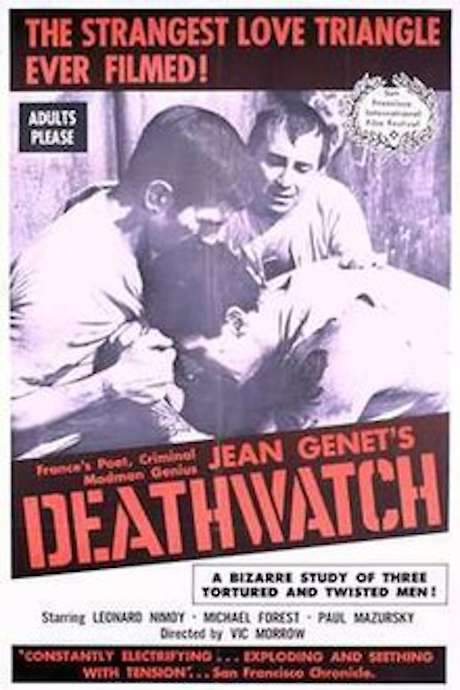
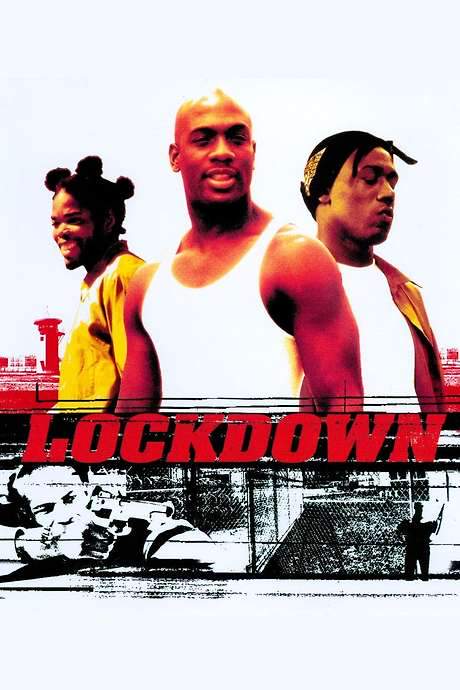
Movies where fantasy is a refuge from reality like Kiss of the Spider Woman

Characters use elaborate imagination and stories to escape a painful, oppressive reality. Find films similar to Kiss of the Spider Woman, where characters use elaborate fantasies, memories, or stories as a vital escape from a brutal reality. If you liked the narrative device of Molina's film recollections providing solace in prison, you'll appreciate these stories about the power and peril of escapism.

  • dreamlike
  • melancholic
  • tragic
  • passionate
  • escapist
  • reflective
  • Tone: melancholic, dreamlike, bleak
  • Pacing: steady, reflective
Why these movies?

The story pattern: The narrative pattern involves a stark contrast between a harsh, often violent reality and the beautiful or romantic worlds characters construct in their minds. The story oscillates between these two planes, using the fantasy sequences not just for escape but to reveal character depth, desires, and the ultimate, often bittersweet, collision between dream and reality.

Why they belong together: These movies share a specific structural and tonal approach: the interweaving of a dark, real-world narrative with sequences of vivid escapism. They are connected by the theme of imagination as a survival tool and the emotional resonance of characters fighting despair with dreams, resulting in a dreamlike, melancholic mood.

If you liked this

Movies Like Kiss of the Spider Woman

Similar movies to Kiss of the Spider Woman: the same genre, themes or kind of story. Each one comes with its own plot summary, timeline and ending explained.

Browse all movie summaries

Every angle

Kiss of the Spider Woman (1985) Explained: Plot, Timeline & Characters

Everything about Kiss of the Spider Woman in one place: what happens in the plot summary, the timeline in chronological order, the characters and meaning and a spoiler-free summary. What's After the Movie adds the cast, box office and post-credit scenes.

Coming soon on iOS and Android

The Plot Explained Movie Summary App

Plot summaries, endings explained and timelines on your phone. Catch up on any movie in minutes, save your favorites and never miss a twist again.

Be the first to know when we launch. Your email stays private, always.

Learn more about the app