




Plot Explained Spoilers guaranteed!
Plot Explained

Browse by genre

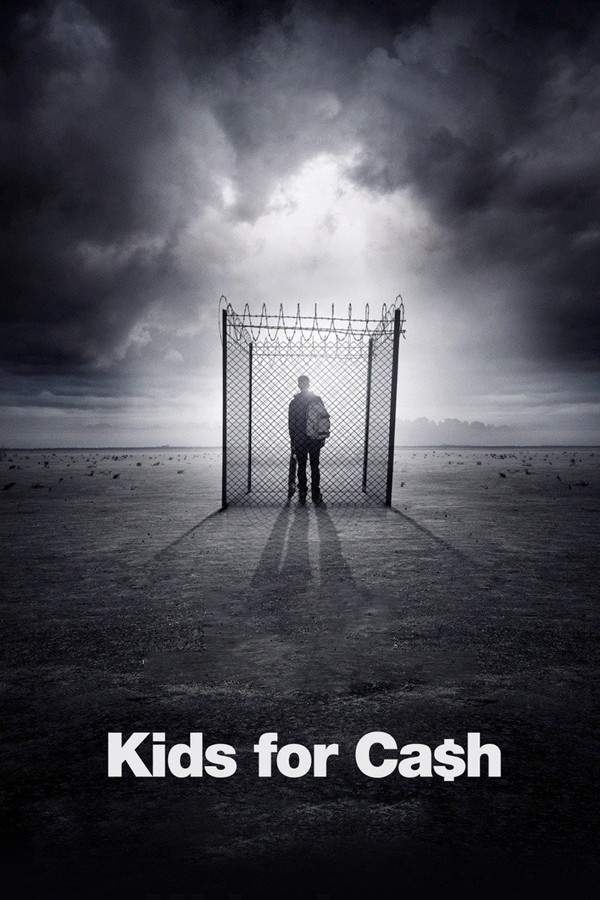
Kids for Cash (2014) movie poster

Characters & Themes

Kids for Cash (2014) Characters, Setting & Themes Explained

Release, runtime and language
2014 · 102 min · English
JustWatch #2,036 1
Directed by
Robert May

This documentary explores the disturbing "Kids for Cash" scandal, revealing how a judge’s misguided attempts to control juvenile crime led to devastating consequences. Through a pattern of questionable decisions, the judge accepted bribes from a private prison company, resulting in the unjust sentencing of countless young people. The film examines the corruption, the flawed justice system, and the profound impact on the lives of those affected by this shocking abuse of power.

On this page (8)
  1. 1 Where to watch
  2. 2 Characters explained (2)
  3. 3 Where & when it takes place
  4. 4 Themes & meaning (2)
  5. 5 Character & meaning questions
  6. 6 Movie threads
  7. 7 Movies like Kids for Cash
  8. 8 Every angle

Where to watch

Where to Watch Kids for Cash (2014)

Where can you watch Kids for Cash? Stream, rent or buy it in the US, including on Kino Film Collection, Hoopla and Amazon Video: current JustWatch availability with up-to-date prices.

Streaming availability powered by JustWatch

2 main characters · contains spoilers

Kids for Cash Characters Explained: Who Is Who

The main characters of Kids for Cash (2014), heroes and villains: what drives them, how they change over the course of the story and what each of them reveals about the film's bigger ideas.

  • Michael Conahan

    Michael Conahan is a former judge who admitted his involvement in the kids-for-cash scandal. His acceptance of a plea deal and the ramifications of his actions showcase a complex blend of remorse and self-preservation. He embodies the consequences of moral failure within the judicial system.

    • ⚖️ Judge
    • 👨‍⚖️ Corruption
  • Mark Ciavarella

    Mark Ciavarella, another former judge, vehemently denied any wrongdoing and refused to accept a plea agreement, which ultimately led to a harsher sentence. His character illustrates the denial and resistance to accountability often seen in those in power. His story prompts discussions about justice and the personal implications of corruption.

    • ⚖️ Judge
    • 🔍 Denial

Last updated: September 22, 2026 at 18:33

Was this helpful?

Setting

Where and When Does Kids for Cash Take Place?

The setting of Kids for Cash (2014): the year and time period, the places and locations, and how they shape the characters, the mood and the tension of the story.

Time period

2011, 2014-2015

The film takes place during a critical period starting with the sentencing of Michael Conahan in 2011 and spanning through the transfer of Mark Ciavarella in 2014. It captures pivotal moments in the American judicial system and the fallout from corruption in the legal profession. Events occurring in this timeframe reflect a broader social concern about legal integrity and accountability.

Location

Pekin, Illinois, Oklahoma City, Oklahoma

Pekin, Illinois, is known for its Federal correctional institution where Mark Ciavarella began serving his sentence. The city has a rich history and is a hub for various business activities. In contrast, Oklahoma City, Oklahoma, is known for its vibrant culture and serves as a major metropolitan area in the region.

  • 🏢 Jail
  • 🌆 City

Last updated: September 22, 2026 at 18:33

Was this helpful?

2 major themes

Kids for Cash Meaning: Themes & Message Explained

What is Kids for Cash (2014) really about? The emotional, social and philosophical themes the film keeps returning to, its symbolism and the message beneath the surface.

  • Justice

    The theme of justice is central to the story, showcasing the consequences faced by judges who abuse their power. It emphasizes the legal system's flaws and highlights the need for accountability and ethical governance. As the documentary explores the stark realities of crime and punishment, it raises questions about fairness in sentencing.

  • Corruption

    Corruption plays a significant role in the narrative, revealing how financial kickbacks can lead to severe abuses of power within the judicial system. The film illustrates the lengths to which individuals may go to protect their interests, often at the expense of justice. It brings to light the broader implications of corruption in society.

Last updated: September 22, 2026 at 18:33

Was this helpful?

Character & theme questions

Kids for Cash Characters & Meaning: Your Questions Answered

The questions people ask about Kids for Cash (2014): who the characters really are, their relationships, what the symbols mean, where it takes place and what the movie is really about. Each answer contains spoilers.

Q1

Where is the Kids for Cash documentary set?

Kids for Cash is set primarily in two locations: Pekin, Illinois, where Mark Ciavarella began serving his sentence at the Federal correctional institution, and Oklahoma City, Oklahoma, a major metropolitan area tied to the broader legal fallout. These contrasting settings highlight how the scandal played out across separate judicial systems. The geographic split underscores the national scope of the corruption case.

  • pekin illinois
  • oklahoma city
  • setting
  • location
  • kids for cash locations
Q2

What time period does Kids for Cash cover?

The documentary spans a critical window in the American judicial system, beginning with Michael Conahan's sentencing in 2011 and extending through Mark Ciavarella's transfer in 2014. It captures the investigative and legal aftermath of the scandal rather than the original offenses themselves. The events reflect a broader era of scrutiny around judicial accountability and the privatization of detention.

  • time period
  • 2011
  • 2014
  • judicial accountability
  • documentary timeline
Q3

What is the Kids for Cash scandal about?

The Kids for Cash scandal refers to a scheme in which two Pennsylvania judges accepted financial kickbacks from a private juvenile detention facility in exchange for sentencing young offenders to that institution. The documentary exposes how profit motives infiltrated the courtroom and led to the incarceration of thousands of children for minor infractions. It is widely regarded as one of the most egregious examples of judicial corruption in modern American history.

  • kids for cash scandal
  • judicial corruption
  • private prison
  • juvenile detention
Q4

Who are the two judges at the center of Kids for Cash?

The documentary centers on Michael Conahan and Mark Ciavarella, two former Luzerne County judges whose involvement defined the scandal. Conahan ultimately accepted a plea deal, while Ciavarella maintained his innocence and went to trial, resulting in a far longer sentence. Their contrasting responses to prosecution serve as the documentary's structural backbone, illustrating two very different ways powerful figures confront accountability.

  • michael conahan
  • mark ciavarella
  • luzerne county judges
  • kids for cash judges
Q5

Who is Michael Conahan in Kids for Cash?

Michael Conahan is a former Pennsylvania judge who admitted his role in the Kids for Cash scandal and entered a plea agreement. His decision to cooperate with federal prosecutors is presented in the documentary as a pragmatic choice shaped by self-preservation. Conahan's trajectory illustrates how cooperation offers reduced exposure but does not erase the moral weight of complicity in systemic abuse.

  • michael conahan
  • former judge
  • plea deal
  • judicial corruption
Q6

Who is Mark Ciavarella in Kids for Cash?

Mark Ciavarella is the other former judge at the heart of the documentary, infamous for running a harsh juvenile court that became nicknamed the "Kids for Cash" court. He consistently denied any wrongdoing and refused a plea agreement, which led to a harsher federal sentence. His case became a symbol of how denial and defiance in the face of overwhelming evidence can deepen the consequences for those in power.

  • mark ciavarella
  • kids for cash judge
  • juvenile court
  • federal sentence
Q7

What themes does Kids for Cash explore?

The documentary is built around two dominant themes: justice and corruption. Its exploration of justice focuses on fairness in sentencing, the consequences of abuses of power, and the urgent need for ethical governance. Its treatment of corruption reveals how financial incentives can warp institutions that are supposed to protect the public. Together, these themes frame the scandal as a cautionary tale about the fragility of legal integrity.

  • themes
  • justice
  • corruption
  • ethical governance
  • fairness in sentencing
Q8

How does Kids for Cash portray judicial corruption?

The documentary portrays judicial corruption as a systemic failure rather than an isolated crime, showing how financial kickbacks can warp decision-making at every level of the bench. It traces the pipeline from bribes paid by a private prison company to the mass sentencing of children, framing judges not just as individuals but as actors within a flawed system. The film uses this lens to ask how such abuses are allowed to flourish unchecked.

  • judicial corruption
  • financial kickbacks
  • private prison company
  • systemic failure
Q9

What role did the private detention facility play in the scandal?

The private juvenile detention facility served as the financial engine of the scandal, providing the kickbacks that incentivized judges to send children its way. Kids for Cash presents the facility not as a passive recipient of incarcerated youth but as an active participant in shaping sentencing outcomes. This relationship exposes the dangers of mixing profit motives with the custody of vulnerable minors.

  • private detention facility
  • pa juvenile detention
  • kickbacks
  • privatization
Q10

Why is the documentary called Kids for Cash?

The title Kids for Cash captures the central transaction at the heart of the scandal: children were effectively traded for money. The phrase emerged from public outrage over the discovery that judges were sending juveniles to a private facility in exchange for financial payments. As a title, it distills the moral inversion the film exposes, youth treated as commodities within a profit-driven court system.

  • title meaning
  • kids for cash name
  • commodification
  • documentary title
Q11

How does the film contrast the two judges' responses to accountability?

The documentary draws a deliberate line between Michael Conahan, who accepted a plea deal, and Mark Ciavarella, who denied wrongdoing and went to trial. Their divergent paths produced very different sentences and became the film's structural comparison. This contrast is used to examine how admission versus denial shapes legal outcomes, even when the underlying conduct is comparable.

  • conahan vs ciavarella
  • plea deal
  • accountability
  • sentencing outcomes
Q12

What is the overall tone of Kids for Cash?

Kids for Cash carries a heavy, dark tone shaped by its subject matter, the systematic exploitation of children through judicial corruption. The pacing is methodical and investigative rather than sensational, but the emotional weight is significant, driven by stories of affected youth and families. The result is a documentary that feels less like a news recap and more like a sustained examination of how power can devastate vulnerable lives.

  • tone
  • emotional weight
  • investigative documentary
  • systematic exploitation

Movie threads

More Movies Like Kids for Cash, by Mood & Story

Curated lists built around what makes Kids for Cash tick: the same mood, the same kind of story or the same emotional payoff. Each list explains why these movies belong together.

Investigative corruption documentaries like Kids for Cash

Documentaries that patiently unravel how trusted institutions betray the people they serve. If you were outraged by Kids for Cash, these documentaries and films dive deep into similar institutional abuse and white collar crime. Expect methodical pacing, heavy emotional weight, and investigations into judges, corporations, and officials who exploited their power for profit. Perfect for viewers seeking similar true crime and systemic injustice stories.

  • investigative
  • oppressive
  • unsettling
  • methodical
  • infuriating
  • heavy
  • Tone: dark, investigative, somber
  • Pacing: steady and methodical
Why these movies?

The story pattern: Stories in this thread typically follow a patient, evidence-based structure: testimonies are gathered, documents are uncovered, and the slow tightening of a noose around a corrupt institution unfolds. The emotional arc moves from curiosity to disbelief to anger, often culminating in courtroom reckonings or public accountability that still feel insufficient against the scale of the harm done.

Why they belong together: These films share an investigative rigor and a commitment to letting facts speak louder than dramatization. They balance a steady, documentary-style pace with heavy emotional weight, and they invite viewers to sit with discomfort while systems of power are dissected. The combined tone is dark, methodical, and quietly furious.
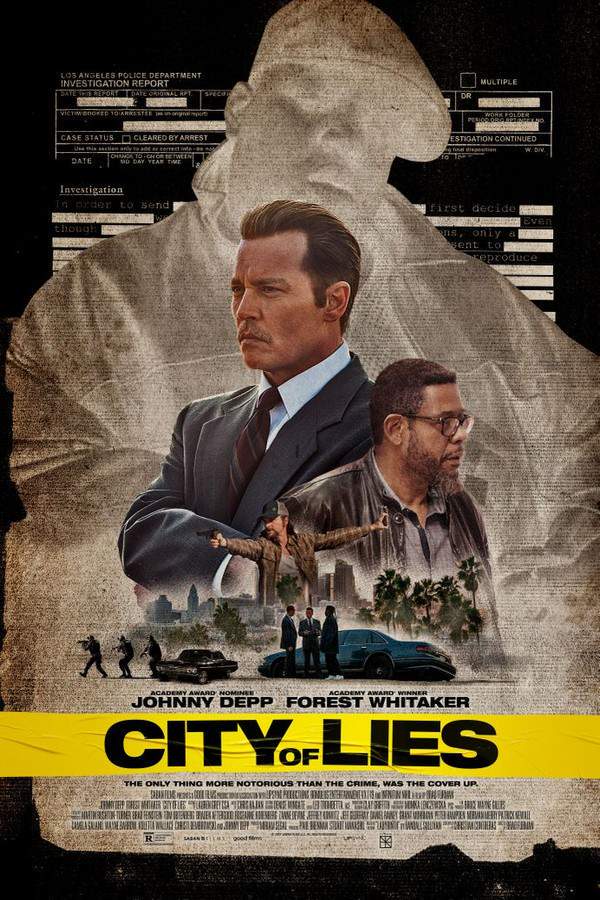
Movies like Kids for Cash about children failed by the justice system

Stories where children and young lives are crushed by the very institutions meant to protect them. Searching for movies like Kids for Cash that focus on juvenile injustice and the exploitation of young people? These powerful documentaries and dramas explore how broken legal systems, private prisons, and corrupt officials devastate children's lives. Heavy, disturbing, and emotionally charged stories that expose abuse of power against minors.

  • heavy
  • infuriating
  • somber
  • unsettling
  • oppressive
  • disturbing
  • Tone: bleak, heavy, infuriating
  • Pacing: steady character driven
Why these movies?

The story pattern: The narrative arc in these stories usually centers on innocent or vulnerable youth caught inside opaque systems that criminalize them rather than help them. We follow families, attorneys, or advocates trying to untangle a web of injustice while the clock ticks on young lives. Endings tend to be mixed or bleak: accountability may come, but the harm inflicted on childhoods is rarely undone.

Why they belong together: These films are grouped for their shared thematic focus on the exploitation of minors and the betrayal of trust by authority figures. They combine heavy emotional weight with disturbing subject matter and a tone that lingers long after viewing. Viewers who finish one of these stories often feel compelled to find the next, drawn by the same mix of grief, anger, and reluctant hope for reform.

If you liked this

Movies Like Kids for Cash

Similar movies to Kids for Cash: the same genre, themes or kind of story. Each one comes with its own plot summary, timeline and ending explained.

Browse all movie summaries

Every angle

Kids for Cash (2014) Explained: Plot, Timeline & Characters

Everything about Kids for Cash in one place: what happens in the plot summary, the timeline in chronological order, the characters and meaning and a spoiler-free summary. What's After the Movie adds the cast, box office and post-credit scenes.

Coming soon on iOS and Android

The Plot Explained Movie Summary App

Plot summaries, endings explained and timelines on your phone. Catch up on any movie in minutes, save your favorites and never miss a twist again.

Be the first to know when we launch. Your email stays private, always.

Learn more about the app