




Plot Explained Spoilers guaranteed!
Plot Explained

Browse by genre

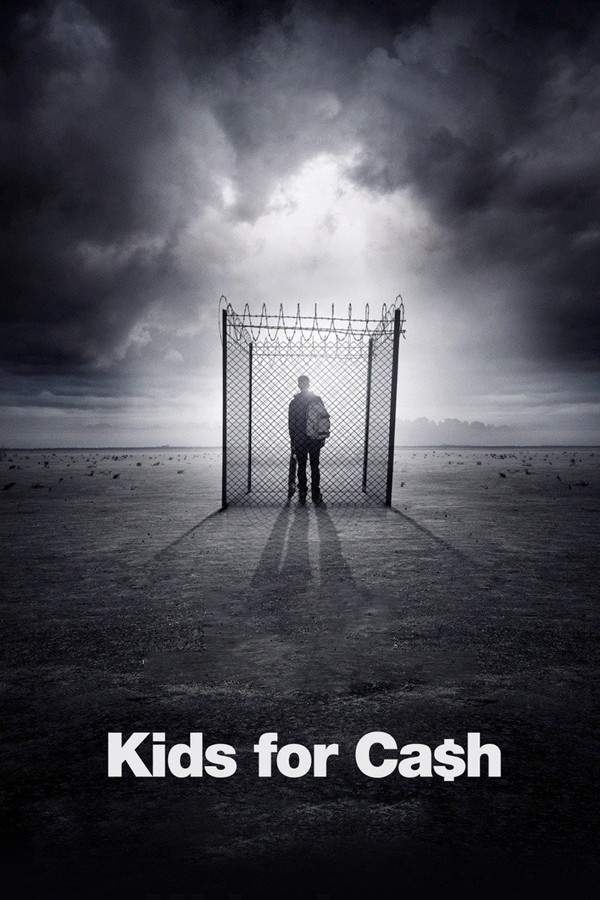
Kids for Cash (2014) movie poster

Timeline

Kids for Cash (2014) Timeline Explained – Every Event in Order

Release, runtime and language
2014 · 102 min · English
JustWatch #2,036 1
Directed by
Robert May

This documentary explores the disturbing "Kids for Cash" scandal, revealing how a judge’s misguided attempts to control juvenile crime led to devastating consequences. Through a pattern of questionable decisions, the judge accepted bribes from a private prison company, resulting in the unjust sentencing of countless young people. The film examines the corruption, the flawed justice system, and the profound impact on the lives of those affected by this shocking abuse of power.

On this page (6)
  1. 1 Where to watch
  2. 2 Events in order (10)
  3. 3 Timeline questions answered
  4. 4 Movie threads
  5. 5 Movies like Kids for Cash
  6. 6 Every angle

Where to watch

Where to Watch Kids for Cash (2014)

Where can you watch Kids for Cash? Stream, rent or buy it in the US, including on Kino Film Collection, Hoopla and Amazon Video: current JustWatch availability with up-to-date prices.

Streaming availability powered by JustWatch

10 events in order · contains spoilers

Kids for Cash Timeline: Events in Chronological Order

Every key event of Kids for Cash (2014) in order, scene by scene, with when and where it takes place. Use it to untangle flashbacks, time jumps and parallel storylines, to refresh your memory before the sequel or to find the exact scene you are thinking of.

  1. Michael Conahan Admits Guilt

    Former judge Michael Conahan admits to his involvement in the kids-for-cash scandal, taking a significant step in acknowledging his wrongdoing. He agrees to a plea deal which reveals financial kickbacks associated with his crimes.

  2. Conahan Sentenced

    On September 23, 2011, Michael Conahan is sentenced to 17.5 years in prison for his role in the scam. Additionally, he is ordered to pay $874,000 in restitution as part of the sentencing.

    When
    September 23, 2011
  3. Ciavarella Denies Allegations

    Former judge Mark Ciavarella, in stark contrast to Conahan, denies any involvement in the scandal. He claims that allegations against him are false and insists that Conahan is lying about the events.

  4. Ciavarella's Sentencing

    Despite his denials, Mark Ciavarella is found guilty of multiple charges, including racketeering and fraud. He receives a much harsher sentence of 28 years in prison, 10.5 years longer than Conahan's sentence.

  5. Details of Ciavarella's Conviction

    Ciavarella is convicted of twelve out of thirty-nine federal felonies. The jury finds him guilty of serious charges such as money laundering and filing false tax returns, highlighting the extent of his criminal involvement.

  6. Conahan's Business Endeavors

    The documentary exposes Michael Conahan's prior business activities that provided him with the necessary knowledge and experience to orchestrate the kids-for-cash scam. His involvement in these ventures is portrayed as pivotal to the unfolding scandal.

  7. Ciavarella's Prison Transfer

    After beginning his sentence at a Federal correctional institution in Pekin, Illinois, Mark Ciavarella is transferred to a Federal transfer center located in Oklahoma City, Oklahoma. This transfer occurs in October 2014 as part of standard correctional procedures.

    When
    October 2014
    Where
    Oklahoma City, Oklahoma
  8. Appeal Rejected

    In March 2015, the Supreme Court of the United States rejects Ciavarella's petition for an appeal concerning his conviction. This decision solidifies his sentence and cements his status as a convicted felon.

    When
    March 2015
  9. Future Release Eligibility

    Due to the length of his sentence, Mark Ciavarella will be eligible for release when he is 85 years old. This fact demonstrates the long-lasting consequences of his actions and the severity of his crimes.

  10. Allegations Against Conahan

    Several sources allege that Conahan demanded $129,000 from Ciavarella's in-laws during the course of the scam. However, these claims remain unverified by more reputable sources and add to the complexity of the case.

Last updated: September 22, 2026 at 18:34

Was this helpful?

Timeline questions answered

Kids for Cash Timeline Explained: Your Questions Answered

When does it happen, and why in that order? The questions people ask about the chronology of Kids for Cash (2014): time jumps, flashbacks, cause and effect between scenes and the correct order of events, each answered with spoilers.

Q1

Why did Mark Ciavarella receive a longer sentence than Michael Conahan?

Ciavarella received a 28-year sentence, 10.5 years longer than Conahan's 17.5-year term, because he refused to accept responsibility for the kids-for-cash scandal. While Conahan admitted guilt and signed a plea agreement, Ciavarella denied the allegations, claimed he was a victim of false accusations, and accused Conahan of lying. This refusal to cooperate cost Ciavarella the sentencing leniency that Conahan received.

  • ciavarella sentence
  • conahan sentence
  • kids for cash sentencing
  • plea deal difference
Q2

What federal charges was Mark Ciavarella convicted of?

Ciavarella was convicted on 12 out of 39 federal felonies in connection with the kids-for-cash scandal. The charges included racketeering, mail fraud, money laundering, conspiracy to commit fraud, and filing false tax returns, reflecting the breadth of his criminal conduct beyond just the juvenile detention kickbacks.

  • ciavarella charges
  • federal felonies
  • racketeering
  • money laundering
  • kids for cash convictions
Q3

Why did Michael Conahan get a lighter sentence in the kids-for-cash case?

Conahan received 17.5 years instead of a longer term because he admitted to receiving financial kickbacks from the scam and signed a plea agreement. His cooperation with prosecutors allowed him to avoid the harsher penalty handed down to Ciavarella, who chose to fight the charges and was convicted at trial. He was also ordered to pay $874,000 in restitution as part of his sentencing on September 23, 2011.

  • conahan plea deal
  • lighter sentence
  • kids for cash judge
  • restitution 874000
Q4

Why was Mark Ciavarella transferred from Illinois to Oklahoma?

After beginning his sentence at a Federal correctional institution in Pekin, Illinois, Ciavarella was moved in October 2014 to a Federal transfer center in Oklahoma City, Oklahoma. The documentary describes this as part of standard correctional procedures rather than a punishment-based decision, and the transfer occurred while his appeal was still pending.

  • ciavarella transfer
  • pekin illinois
  • oklahoma city
  • federal prison transfer
Q5

What happened when Ciavarella tried to appeal his conviction?

Ciavarella's attempt to overturn his conviction was denied in March 2015 when the Supreme Court of the United States dismissed his petition for appeal. With no further legal recourse available, the ruling solidified his 28-year sentence and confirmed his status as a convicted felon.

  • ciavarella appeal
  • supreme court ruling
  • kids for cash appeal denied
Q6

How old will Mark Ciavarella be when he is eligible for release?

Due to the length of his 28-year sentence, Ciavarella will be approximately 85 years old when he becomes eligible for release. The documentary highlights this as a symbol of the lasting consequences of his role in the kids-for-cash scandal, even though he will have served most of his life behind bars.

  • ciavarella release
  • 85 years old
  • prison sentence length
  • kids for cash consequences
Q7

How did Conahan's business background help him carry out the kids-for-cash scam?

The documentary reveals that Conahan's various business ventures before becoming a judge gave him the financial and organizational know-how needed to coordinate the kickback scheme with the private juvenile detention facility. His understanding of contracts, revenue streams, and backroom deals made it possible to structure the corrupt arrangement in a way that funneled money to the judges while keeping the operations appearing legitimate on paper.

  • conahan business ventures
  • kids for cash scheme
  • judicial corruption
  • financial kickbacks
Q8

What is the $129,000 allegation against Conahan involving Ciavarella's in-laws?

Several sources alleged that Conahan demanded $129,000 from Ciavarella's in-laws during the course of the scam, adding a layer of personal financial exploitation to the broader corruption case. The documentary notes, however, that these claims were never verified by more reputable sources, leaving the allegation as an unconfirmed piece of the scandal's murky background.

  • 129000 allegation
  • conahan in-laws
  • unverified claim
  • kids for cash money
Q9

Why did Ciavarella deny the kids-for-cash charges instead of accepting a plea deal?

Ciavarella maintained that he was innocent and framed, publicly claiming that the allegations were false and that Conahan was lying about the scam. By insisting on his innocence and refusing to acknowledge any wrongdoing, he forfeited the sentencing benefits that cooperation would have provided, ultimately leading to a 28-year sentence instead of a reduced term similar to Conahan's.

  • ciavarella denial
  • refused plea deal
  • claims innocence
  • kids for cash defense
Q10

What was the broader impact of the kids-for-cash scandal?

The scandal exposed how two judges in Pennsylvania accepted bribes from a private juvenile detention facility in exchange for sentencing thousands of children to that facility, often for minor offenses. Beyond the criminal convictions of Conahan and Ciavarella, the documentary frames the case as a profound systemic failure, showing how easily vulnerable youth could be exploited for profit within a broken justice system.

  • kids for cash impact
  • juvenile detention scandal
  • justice system failure
  • children exploited

Movie threads

More Movies Like Kids for Cash, by Mood & Story

Curated lists built around what makes Kids for Cash tick: the same mood, the same kind of story or the same emotional payoff. Each list explains why these movies belong together.

Investigative corruption documentaries like Kids for Cash

Documentaries that patiently unravel how trusted institutions betray the people they serve. If you were outraged by Kids for Cash, these documentaries and films dive deep into similar institutional abuse and white collar crime. Expect methodical pacing, heavy emotional weight, and investigations into judges, corporations, and officials who exploited their power for profit. Perfect for viewers seeking similar true crime and systemic injustice stories.

  • investigative
  • oppressive
  • unsettling
  • methodical
  • infuriating
  • heavy
  • Tone: dark, investigative, somber
  • Pacing: steady and methodical
Why these movies?

The story pattern: Stories in this thread typically follow a patient, evidence-based structure: testimonies are gathered, documents are uncovered, and the slow tightening of a noose around a corrupt institution unfolds. The emotional arc moves from curiosity to disbelief to anger, often culminating in courtroom reckonings or public accountability that still feel insufficient against the scale of the harm done.

Why they belong together: These films share an investigative rigor and a commitment to letting facts speak louder than dramatization. They balance a steady, documentary-style pace with heavy emotional weight, and they invite viewers to sit with discomfort while systems of power are dissected. The combined tone is dark, methodical, and quietly furious.
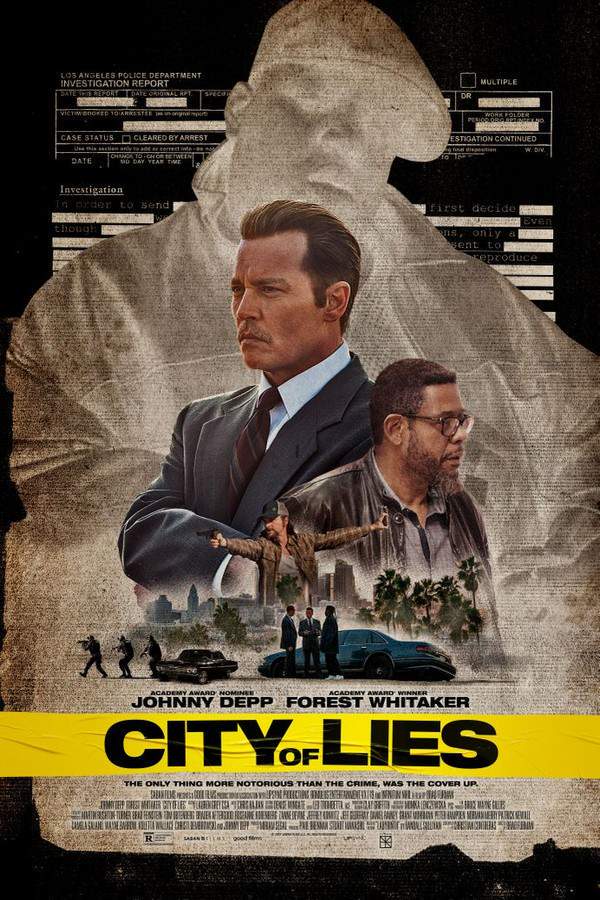
Movies like Kids for Cash about children failed by the justice system

Stories where children and young lives are crushed by the very institutions meant to protect them. Searching for movies like Kids for Cash that focus on juvenile injustice and the exploitation of young people? These powerful documentaries and dramas explore how broken legal systems, private prisons, and corrupt officials devastate children's lives. Heavy, disturbing, and emotionally charged stories that expose abuse of power against minors.

  • heavy
  • infuriating
  • somber
  • unsettling
  • oppressive
  • disturbing
  • Tone: bleak, heavy, infuriating
  • Pacing: steady character driven
Why these movies?

The story pattern: The narrative arc in these stories usually centers on innocent or vulnerable youth caught inside opaque systems that criminalize them rather than help them. We follow families, attorneys, or advocates trying to untangle a web of injustice while the clock ticks on young lives. Endings tend to be mixed or bleak: accountability may come, but the harm inflicted on childhoods is rarely undone.

Why they belong together: These films are grouped for their shared thematic focus on the exploitation of minors and the betrayal of trust by authority figures. They combine heavy emotional weight with disturbing subject matter and a tone that lingers long after viewing. Viewers who finish one of these stories often feel compelled to find the next, drawn by the same mix of grief, anger, and reluctant hope for reform.

If you liked this

Movies Like Kids for Cash

Similar movies to Kids for Cash: the same genre, themes or kind of story. Each one comes with its own plot summary, timeline and ending explained.

Browse all movie summaries

Every angle

Kids for Cash (2014) Explained: Plot, Timeline & Characters

Everything about Kids for Cash in one place: what happens in the plot summary, the timeline in chronological order, the characters and meaning and a spoiler-free summary. What's After the Movie adds the cast, box office and post-credit scenes.

Coming soon on iOS and Android

The Plot Explained Movie Summary App

Plot summaries, endings explained and timelines on your phone. Catch up on any movie in minutes, save your favorites and never miss a twist again.

Be the first to know when we launch. Your email stays private, always.

Learn more about the app