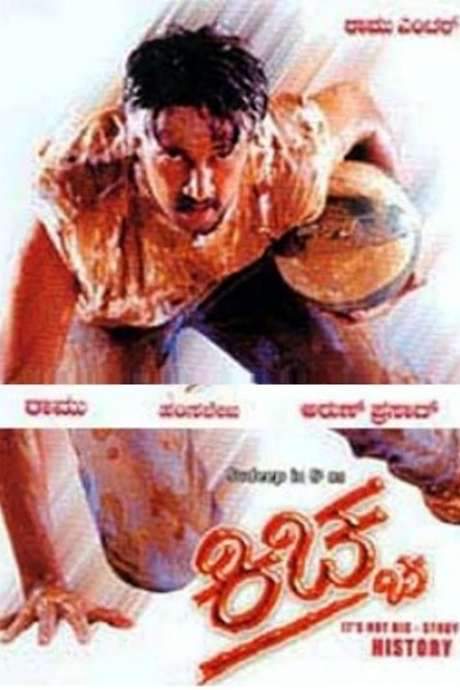
Kiccha
Year: 2003
Runtime: 154 mins
Language: Kannada
Director: P.A. Arun Prasad
Kiccha, a gold‑medal‑winning graduate left unemployed, repeatedly fails to secure a job because the hiring process is plagued by bribery. Disillusioned, he turns to politics, leveraging his intelligence to outmaneuver corrupt officials and rise within the system, ultimately using their own tactics against them.
Where to Watch Kiccha?
Find where to stream, rent, or buy Kiccha (2003) in the US with current JustWatch availability, up-to-date pricing, and platform listings for subscription, rental, and digital purchase options.

Streaming availability powered by 
Warning: spoilers below!
Haven’t seen Kiccha yet? This summary contains major spoilers. Bookmark the page, watch the movie, and come back for the full breakdown. If you're ready, scroll on and relive the story!
Timeline – Kiccha (2003)
Trace every key event in Kiccha (2003) with our detailed, chronological timeline. Perfect for unpacking nonlinear stories, spotting hidden connections, and understanding how each scene builds toward the film’s climax. Whether you're revisiting or decoding for the first time, this timeline gives you the full picture.
Last updated: October 09, 2025 at 16:49
Kiccha (2003) Timeline Questions Answered – Chronology FAQ
Find frequently asked questions about the Kiccha (2003) timeline, including chronological order, nonlinear jumps, cause-and-effect links, and scene sequence clarifications. This timeline FAQ helps explain when key events happen, how moments connect, and why the story unfolds in that specific order.
Why did Kiccha stage his own attack at the festival?
Kiccha orchestrated his own stabbing at the festival to gain public sympathy and political mileage. By appearing as a victim of political violence, he hoped to rally public support for his reformist campaign and strengthen his position in the electoral race. The self-inflicted wound was a calculated move to manipulate public perception rather than genuine harm from opponents.
Why did Kiccha accept the education portfolio after fighting corruption?
After being summoned by the Chief Minister, Kiccha accepted the education portfolio as a strategic move to work from within the system. He used the position to channel funds toward education for the illiterate and underprivileged, while also gathering evidence against corrupt politicians like Harikrishna. His mother and wife viewed this as him becoming corrupted, but Kiccha saw it as a pragmatic way to achieve meaningful reform.
Who shot Kiccha at the end?
Kiccha was shot by someone close to him during his public speech in the city square. While the exact identity isn't specified in detail, the closeness of the attacker underscores the personal betrayal and the dangerous enemies Kiccha made within the political system. He died from this assassination but not before delivering his final message about fighting corruption.
What caused Kiccha's friend's father's death?
Kiccha's friend's father died as a direct consequence of unemployment and systemic neglect. The father's death, which led to his friend's arrest, highlighted how government failures ripple through families and push desperate people to extreme actions. This event served as a turning point that motivated Kiccha to enter politics directly rather than fighting the system from outside.
Why was Kiccha suspected in the cyanide poisonings?
Kiccha emerged as a prime suspect in the cyanide poisoning crisis because the poisonings targeted vulnerable citizens who depended on tainted food, and the conspiracy involved powerful political figures. The Welfare Minister Chandrashekar was implicated in these crimes, and Kiccha's position as Mayor made him a person of interest in the broader conspiracy, though he was ultimately not responsible for the actual poisonings.
Why did Kiccha stop the violence during the interview?
Kiccha stopped the confrontation during the chaotic interview when he saw a fellow candidate, a poor kidney transplant patient, bleeding from the scuffle. Rather than continuing the violence that could further harm the vulnerable candidate, Kiccha chose mercy and restraint. This moment demonstrated his core belief in protecting the vulnerable rather than seeking revenge against the system.
Why did Kiccha physically confront Mayor Jayaraj?
Kiccha confronted Mayor Jayaraj to secure his nomination for the political race. When Jayaraj and his supporters resisted Kiccha's nomination and blocked his entry into the electoral process, Kiccha responded with a direct physical confrontation, forcing Jayaraj to withdraw his opposition. This aggressive approach marked Kiccha's shift from activist to direct political challenger.
How did Kiccha's approach to fighting corruption change over time?
Kiccha evolved from a pure reformer who publicly challenged officials to a cunning political operator who used corrupt tactics against corrupt officials. He staged his own attack for sympathy, accepted a government portfolio to channel funds, and made morally ambiguous choices. This transformation reflected the narrative's exploration of how idealism gets corroded when fighting an entrenched corrupt system.
Why did Kiccha's mother and wife disapprove of his political choices?
Kiccha's mother Sharada and wife Suma disapproved when he accepted the education portfolio because they saw it as Kiccha becoming corrupted by the very system he once fought against. They believed his acceptance of a ministerial position represented a betrayal of his reformist principles. Their disapproval highlighted the personal cost of Kiccha's political compromises on his family relationships.
What was Kiccha's final message before dying?
Before dying from his assassination, Kiccha proclaimed that no one should be corrupted or unemployed as long as people are willing to fight for a just system. His final words encapsulated his lifelong belief that systemic change requires persistent struggle against injustice, even at personal cost. His death inspired a new sincere government to form in Karnataka.
Why did Kiccha marry Suma?
Kiccha married Suma after becoming Mayor, guided by his mother Sharada's wishes. Suma was the orphaned college girl he had met earlier in the story, and their relationship had blossomed into love during Kiccha's turbulent journey. The marriage represented a consolidation of his personal and political life, with his mother's blessing marking a moment of stability in his otherwise conflicted existence.

Explore Movie Threads
Discover curated groups of movies connected by mood, themes, and story style. Browse collections built around emotion, atmosphere, and narrative focus to easily find films that match what you feel like watching right now.
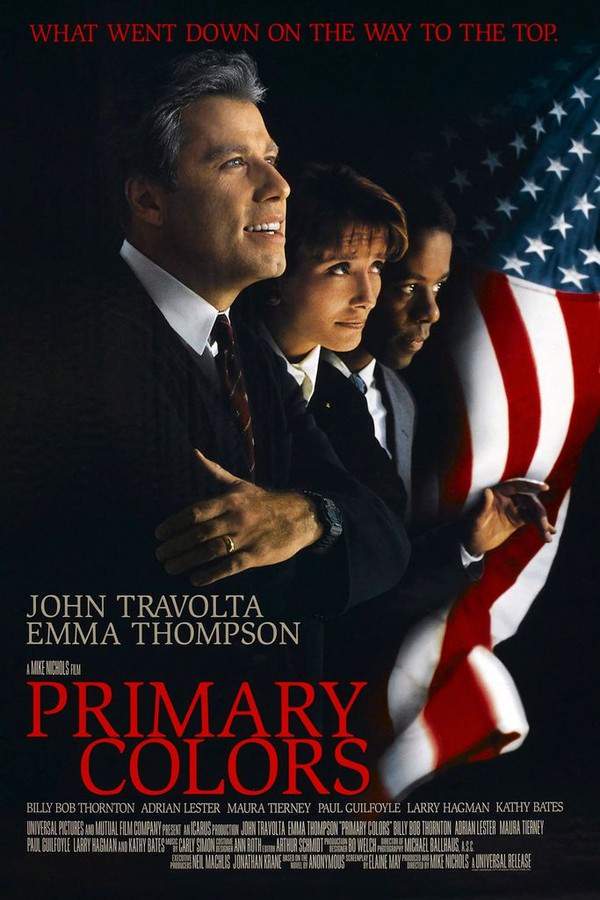
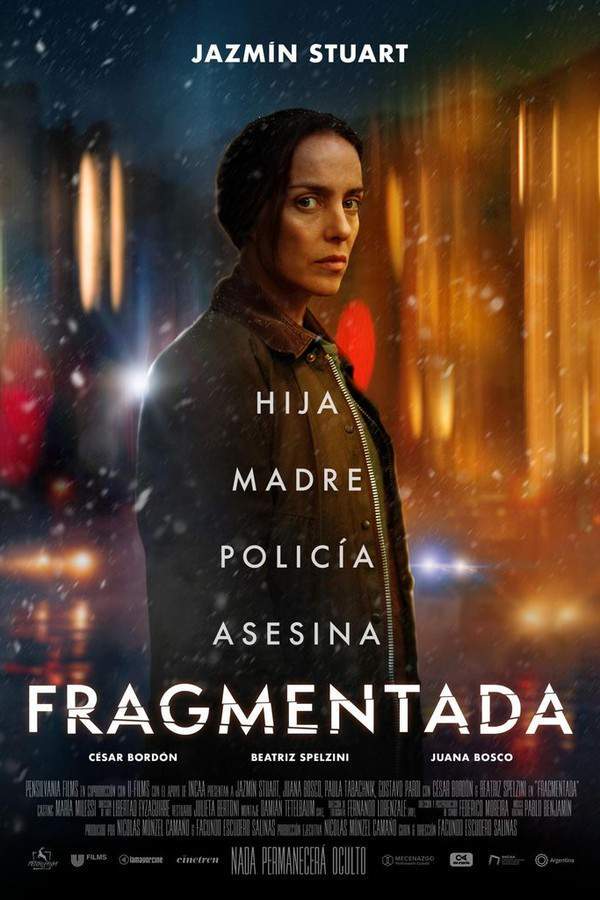
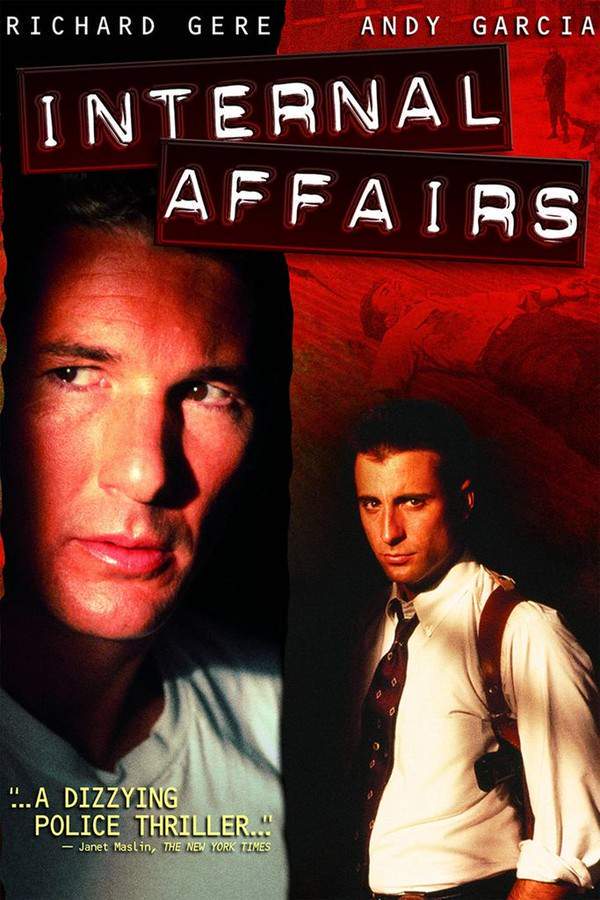
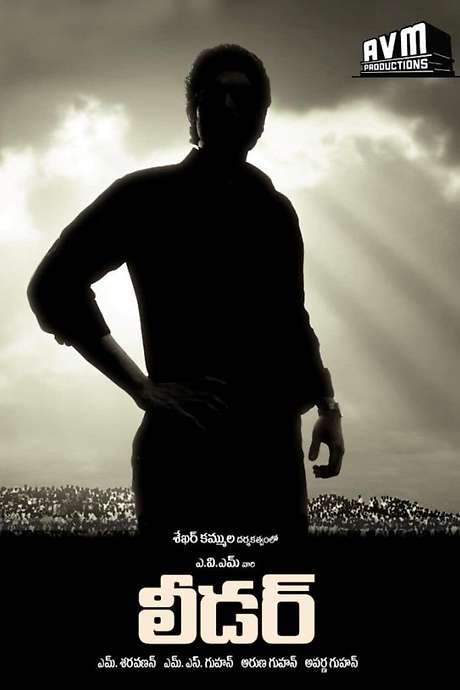
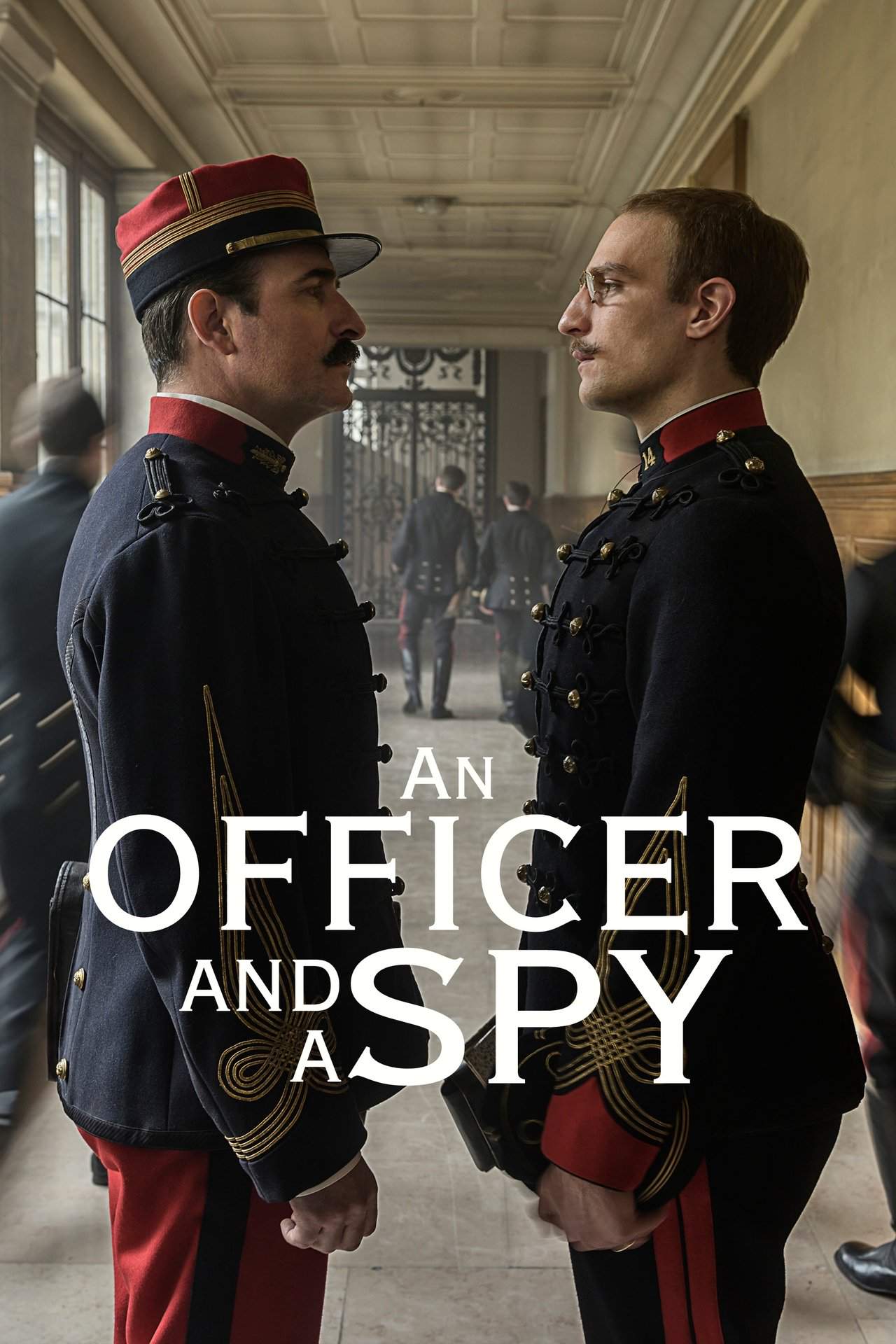
Movies about shattered ideals like Kiccha
Witness a principled hero become the very monster they sought to destroy.If you liked watching the protagonist of Kiccha navigate a corrupt system by becoming part of it, you'll find similar movies here. These films feature morally complex heroes whose fight for justice requires them to make heavy compromises, leading to a bittersweet or tragic conclusion.
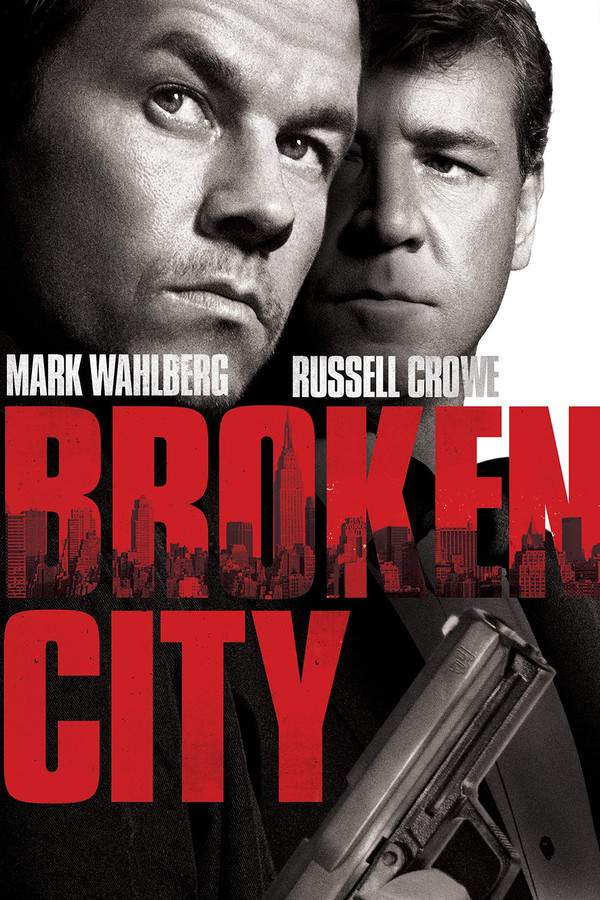
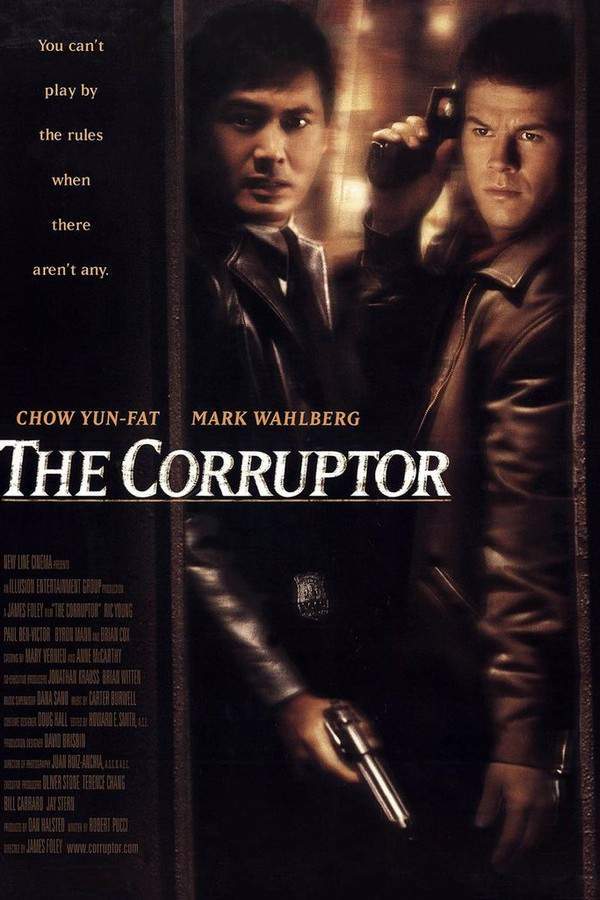
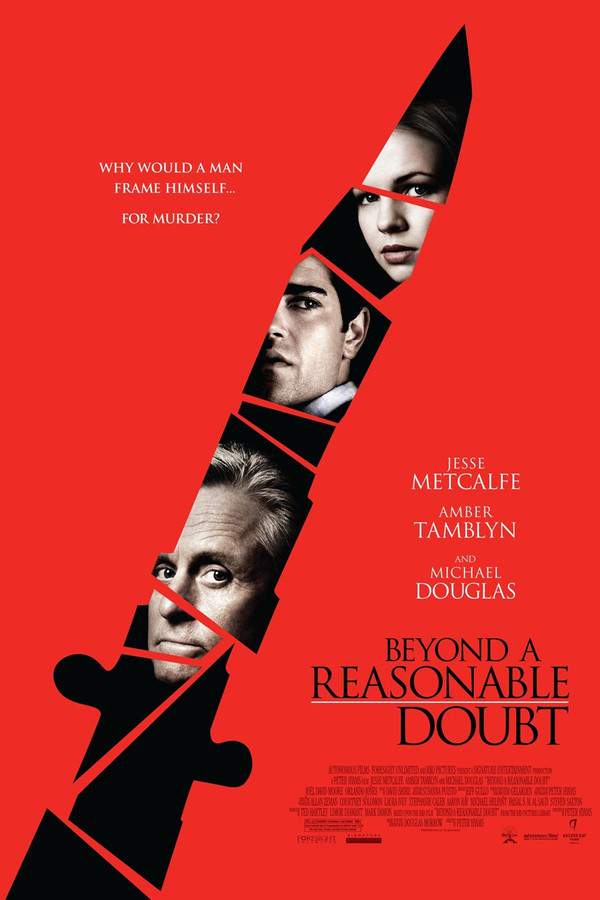

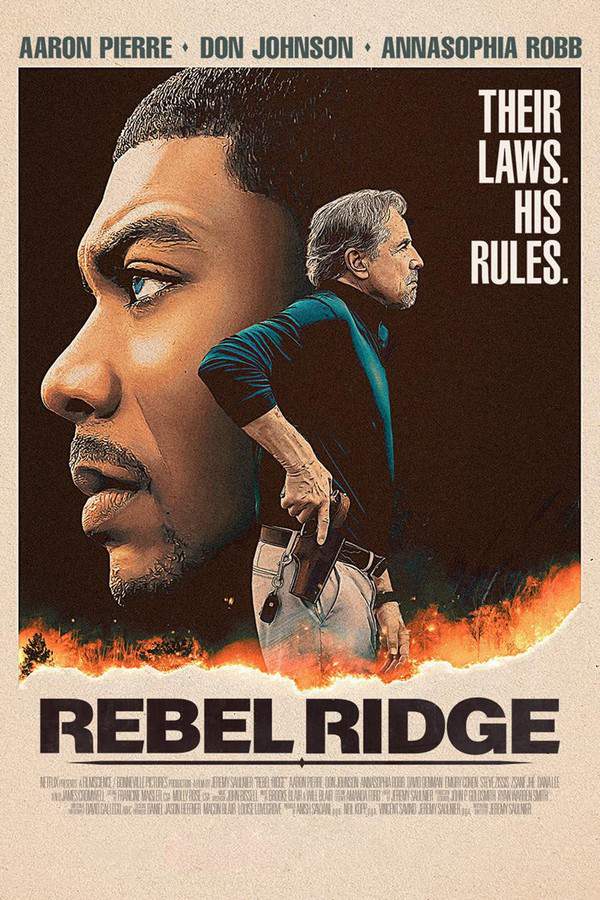


Narrative Summary
The narrative follows a character who begins with strong moral convictions, only to be worn down by a corrupt system. To win, they must adopt the very tactics they once opposed, resulting in a profound personal loss even as they achieve their objective.
Why These Movies?
These movies are grouped by their shared exploration of moral corrosion. They feature a specific type of character arc where the victory is tainted by the methods used to achieve it, creating a powerful and bittersweet emotional resonance.
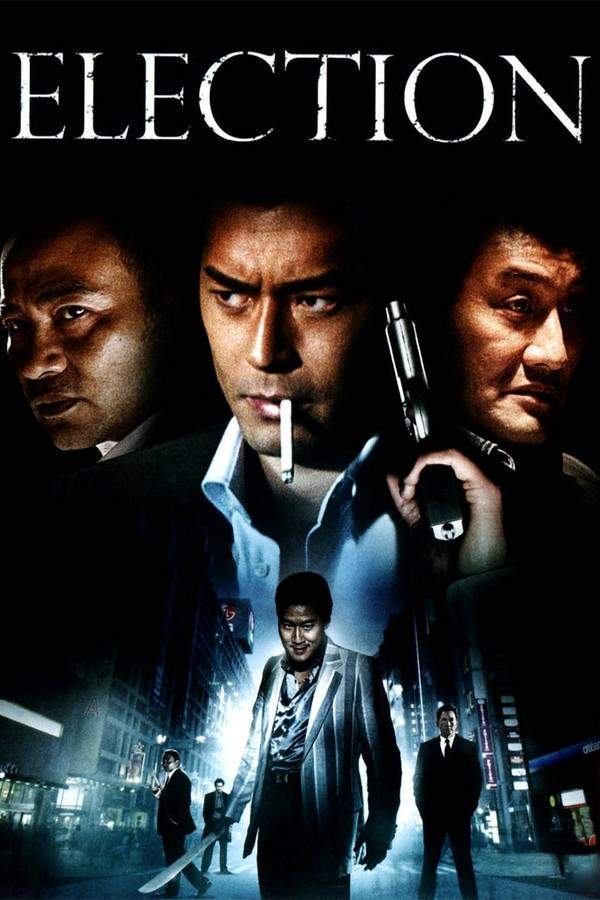
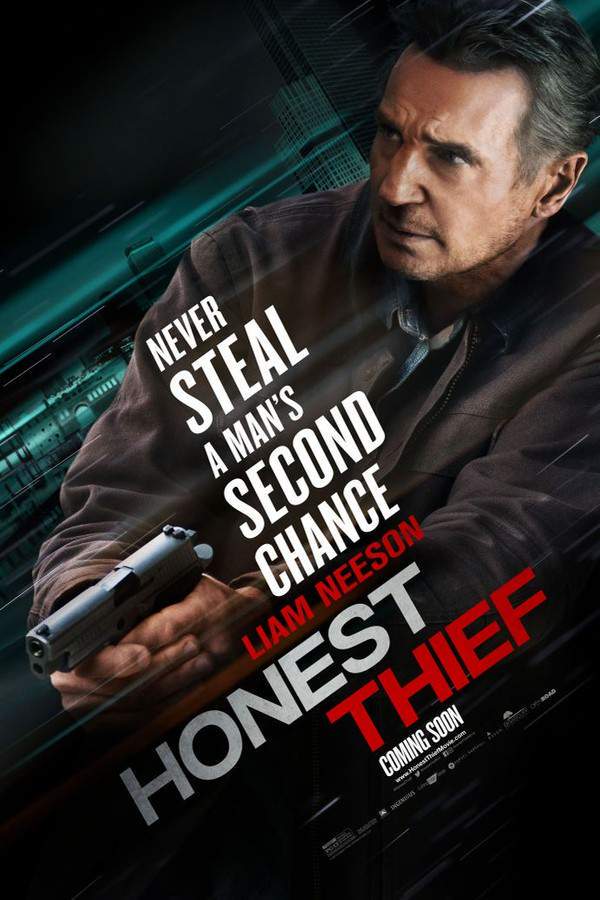
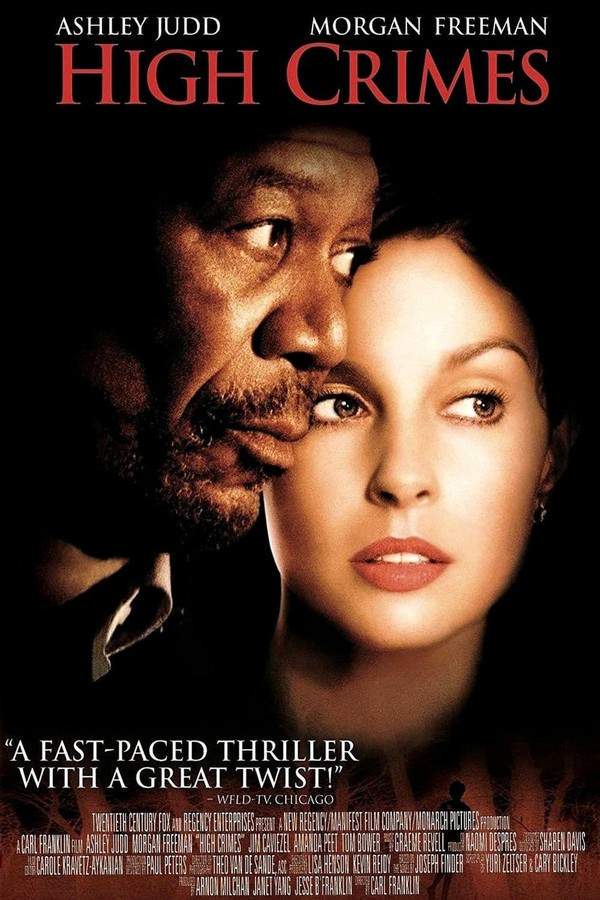
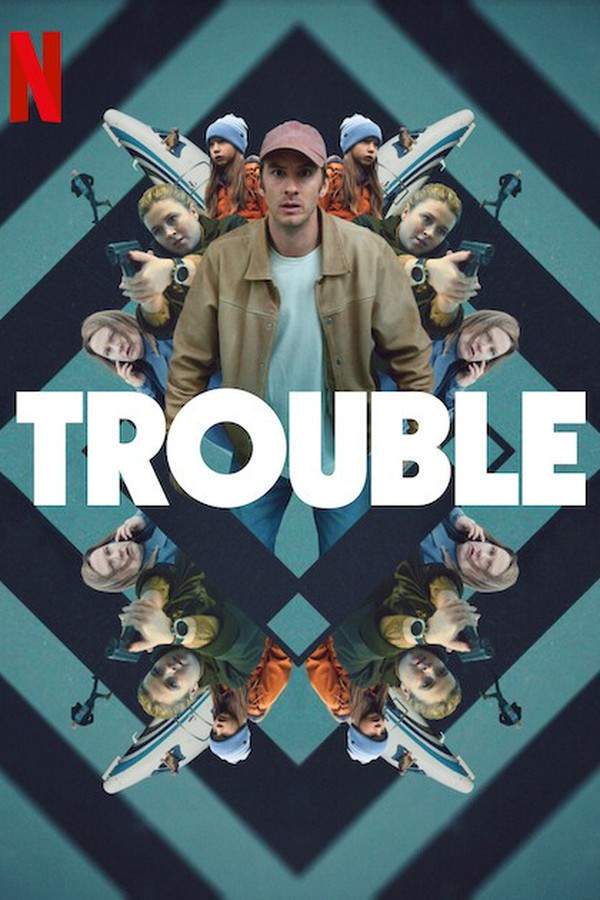
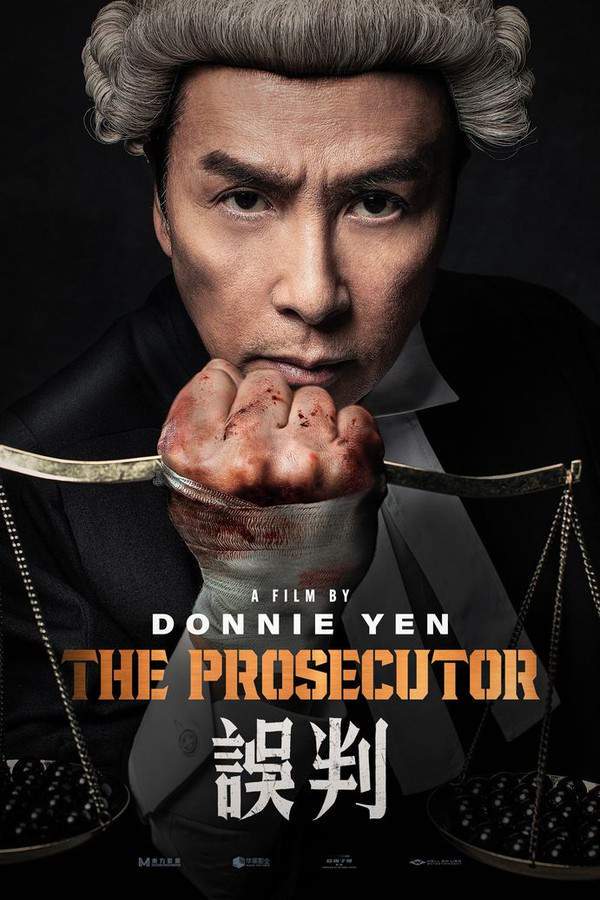
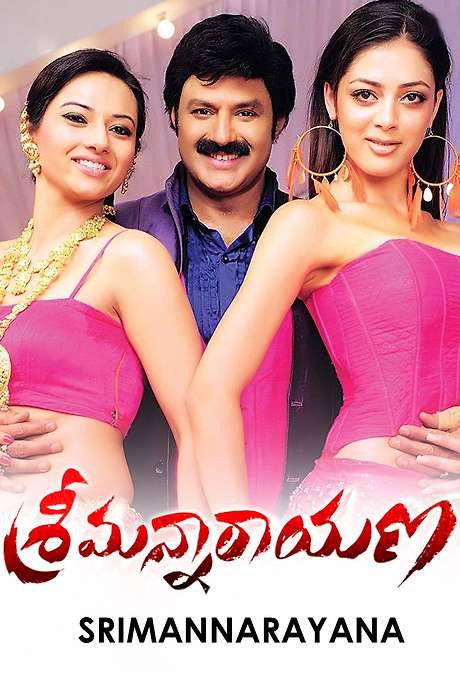
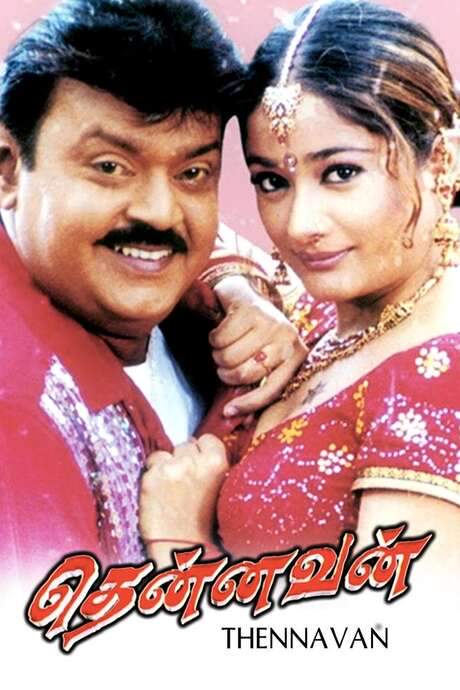
Movies about fighting corruption like Kiccha
Gripping stories of individuals taking on an entire corrupt institution.For viewers who enjoyed Kiccha's tense story of one man challenging a rigged political system, this collection offers similar films. Discover other powerful dramas about systemic injustice, revenge, and the heavy personal cost of seeking justice against overwhelming odds.



Narrative Summary
The plot structure revolves around a central conflict between an underdog and a vast, entrenched system of corruption. The story escalates through a series of calculated confrontations and setbacks, building towards a climax that exposes the system's flaws but often at a great personal sacrifice.
Why These Movies?
These films share a core conflict pattern and a specific mood. They deliver a cathartic experience of righteous anger against injustice, combined with the tension of a high-risk personal crusade and the melancholic reality that systemic change is never clean.
Unlock the Full Story of Kiccha
Don't stop at just watching - explore Kiccha in full detail. From the complete plot summary and scene-by-scene timeline to character breakdowns, thematic analysis, and a deep dive into the ending - every page helps you truly understand what Kiccha is all about. Plus, discover what's next after the movie.
Kiccha Summary
Read a complete plot summary of Kiccha, including all key story points, character arcs, and turning points. This in-depth recap is ideal for understanding the narrative structure or reviewing what happened in the movie.

Characters, Settings & Themes in Kiccha
Discover the characters, locations, and core themes that shape Kiccha. Get insights into symbolic elements, setting significance, and deeper narrative meaning - ideal for thematic analysis and movie breakdowns.


Similar Movies to Kiccha
Discover movies like Kiccha that share similar genres, themes, and storytelling elements. Whether you’re drawn to the atmosphere, character arcs, or plot structure, these curated recommendations will help you explore more films you’ll love.





Explore More About Movie Kiccha
Kiccha (2003) Plot Summary & Movie Recap
Kiccha (2003) Scene-by-Scene Movie Timeline
Kiccha (2003) Spoiler-Free Summary & Key Flow
Movies Like Kiccha – Similar Titles You’ll Enjoy
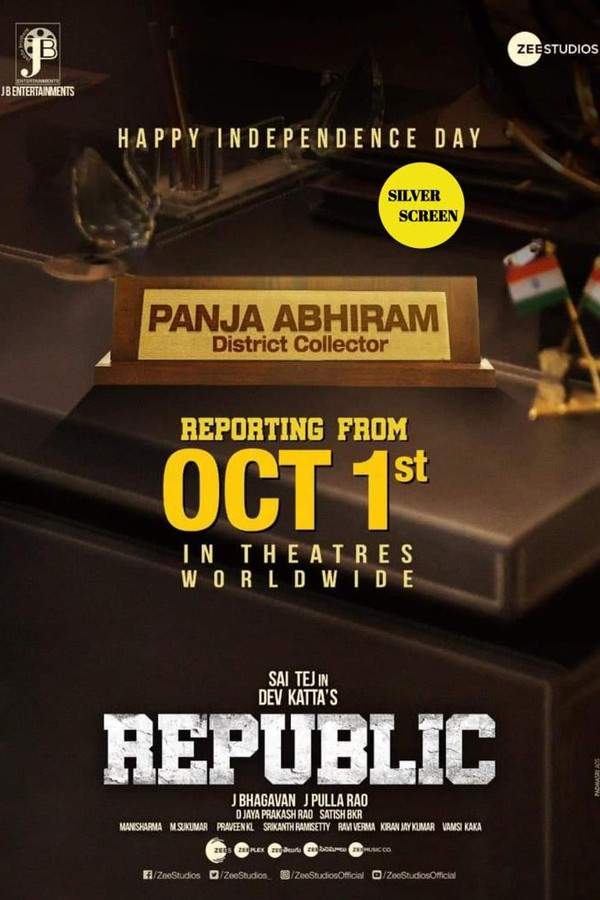
Republic (2021) Story Summary & Characters
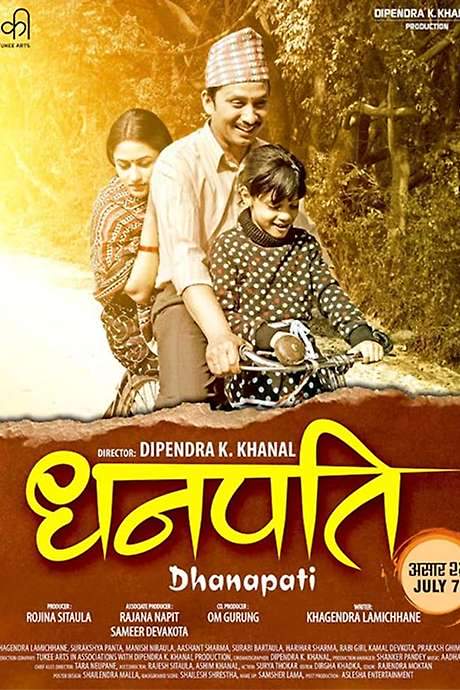
Dhanapati (2017) Complete Plot Breakdown
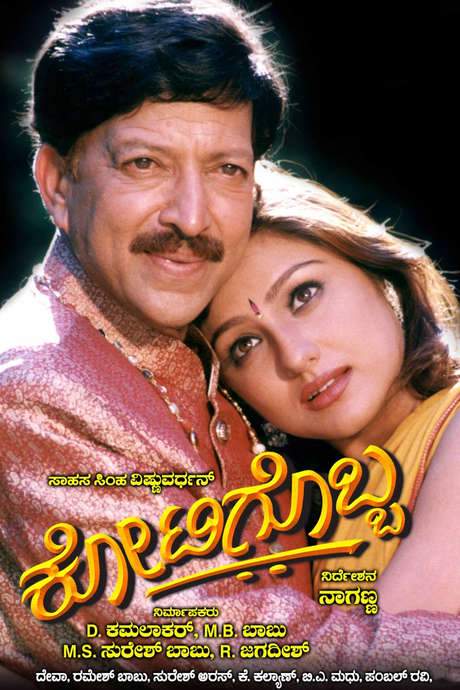
Kotigobba (2001) Story Summary & Characters
Kissebaaz (2019) Film Overview & Timeline
Kochi Rajavu (2005) Plot Summary & Ending Explained
Kaakki Sattai (1985) Complete Plot Breakdown
Katha (1982) Spoiler-Packed Plot Recap
Kottayam Kunjachan (1990) Movie Recap & Themes
Kaapa (2022) Detailed Story Recap
Kaadu (1973) Spoiler-Packed Plot Recap
Kadha, Samvidhanam Kunchacko (2009) Complete Plot Breakdown
Kunukkitta Kozhi (1992) Plot Summary & Ending Explained
Kuberaa (2025) Film Overview & Timeline
Kochaal (2022) Spoiler-Packed Plot Recap
Kalki (1996) Detailed Story Recap