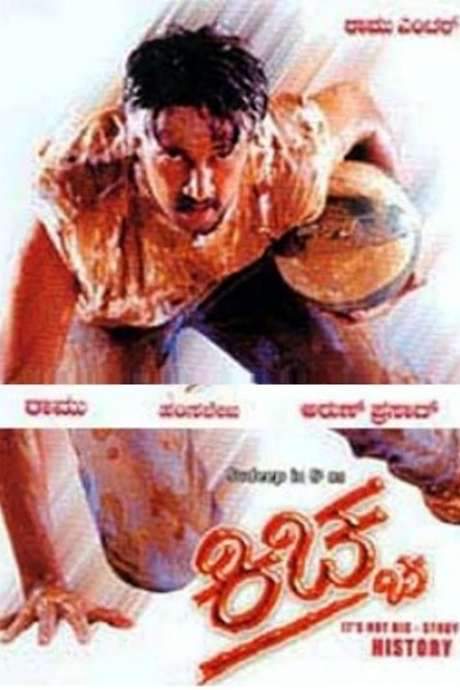
Kiccha
Year: 2003
Runtime: 154 mins
Language: Kannada
Director: P.A. Arun Prasad
Kiccha, a gold‑medal‑winning graduate left unemployed, repeatedly fails to secure a job because the hiring process is plagued by bribery. Disillusioned, he turns to politics, leveraging his intelligence to outmaneuver corrupt officials and rise within the system, ultimately using their own tactics against them.
Where to Watch Kiccha?
Find where to stream, rent, or buy Kiccha (2003) in the US with current JustWatch availability, up-to-date pricing, and platform listings for subscription, rental, and digital purchase options.

Streaming availability powered by 
Warning: spoilers below!
Haven’t seen Kiccha yet? This summary contains major spoilers. Bookmark the page, watch the movie, and come back for the full breakdown. If you're ready, scroll on and relive the story!
Timeline & Setting – Kiccha (2003)
Explore the full timeline and setting of Kiccha (2003). Follow every major event in chronological order and see how the environment shapes the story, characters, and dramatic tension.
Last updated: October 03, 2025 at 14:15
Main Characters – Kiccha (2003)
Meet the key characters of Kiccha (2003), with detailed profiles, motivations, and roles in the plot. Understand their emotional journeys and what they reveal about the film’s deeper themes.
Last updated: October 03, 2025 at 14:15
Major Themes – Kiccha (2003)
Explore the central themes of Kiccha (2003), from psychological, social, and emotional dimensions to philosophical messages. Understand what the film is really saying beneath the surface.
Last updated: October 03, 2025 at 14:15
Kiccha (2003) Character & Theme Questions Answered – Info FAQ
Browse frequently asked questions about Kiccha (2003) focused on characters, relationships, themes, symbols, setting, and story context. This movie info FAQ gives spoiler-aware explanations for character arcs, world details, and thematic interpretation so readers can better understand what the film is really about.
Where is Kiccha set?
Kiccha is set in a city in Karnataka, India, where local governance and state politics intersect. The urban backdrop serves as the stage for the protagonist's reformist ambitions and the political power plays that define the story.
When does the story take place?
The film is set in modern-day Karnataka, reflecting contemporary issues like unemployment, public neglect, and the role of media and public opinion in shaping policy. The narrative directly addresses current societal challenges.
What role does corruption play in the movie?
Corruption is the central theme, pervading education, governance, and welfare systems. Kiccha's journey exposes how political power can be manipulated for personal gain, while public trust is undermined by hidden agendas and cynical power brokers.
What does the film say about political reform?
The film explores whether genuine change can survive within the machinery of power. Kiccha aims to reshape policy from within, advocating free education, transport, and health services, but his transition from reformer to insider reveals the price of influence.
How does Kiccha address justice?
Justice drives Kiccha's actions as unemployment, poverty, and neglect push him into activism. The film questions who gets protected and who pays the cost of reform, testing the balance between personal ethics and public stewardship.
Who is Suma and what is her role?
Suma is an orphaned college girl who falls in love with Kiccha. She embodies hope and resilience, offering emotional grounding amid political turmoil. She challenges the compromises that power demands and stands by him through tragedy.
Who is the protagonist Kiccha?
Kiccha is a driven law graduate who dedicates himself to fighting injustice and corruption. He begins as an idealist taking on systemic neglect faced by the underprivileged, eventually entering politics and rising from mayor to education minister while navigating the moral costs of reform.
Who is the Chief Minister in the film?
The Chief Minister is the political heavyweight who summons Kiccha and tests his reformist resolve. He embodies the power dynamics driving bargaining, loyalty, and strategic manipulation in Karnataka's government, catalyzing Kiccha's evolution from reformer to political operator.
What is Kiccha's mother Sharada's role?
Sharada is Kiccha's mother who worries about her son's constant battles with corrupt systems and his lack of steady work. She pushes for an honest path and is distressed by how power can erode his ideals, anchoring the family throughout his transformation.
What happens to Kiccha by the end?
Kiccha is assassinated, but his death inspires a new, sincere government, resulting in a victory for his cause at the cost of his life. The ending is bittersweet, he achieves systemic change through sacrifice.

Explore Movie Threads
Discover curated groups of movies connected by mood, themes, and story style. Browse collections built around emotion, atmosphere, and narrative focus to easily find films that match what you feel like watching right now.
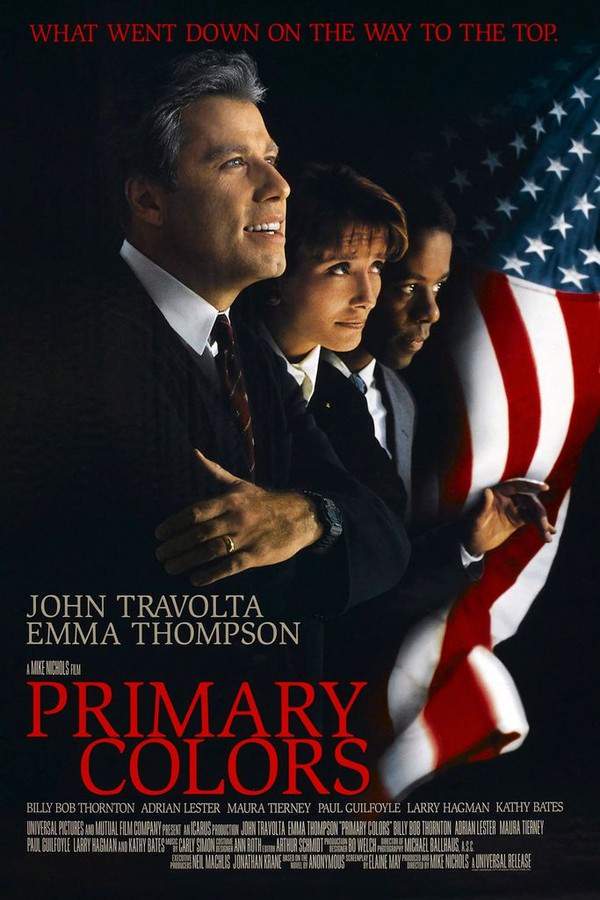
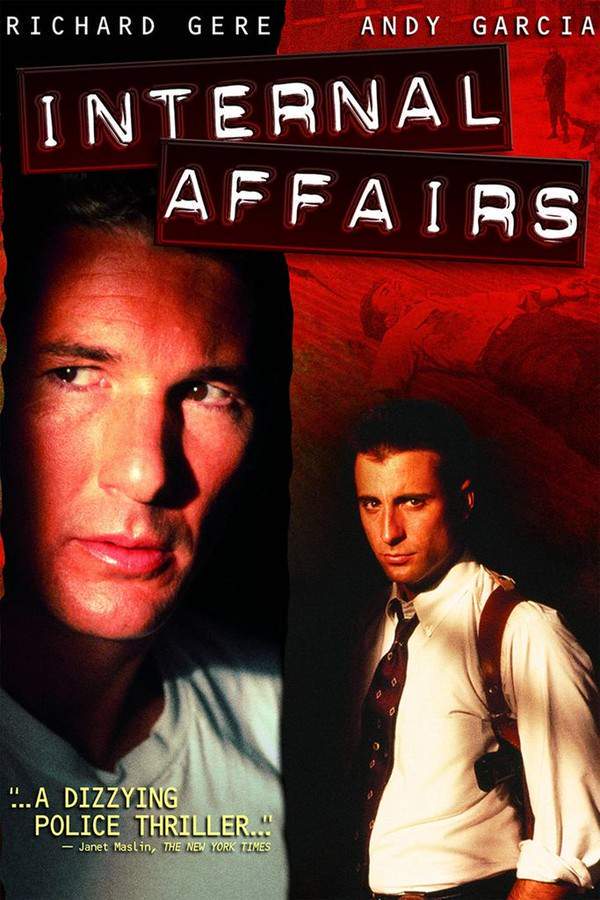
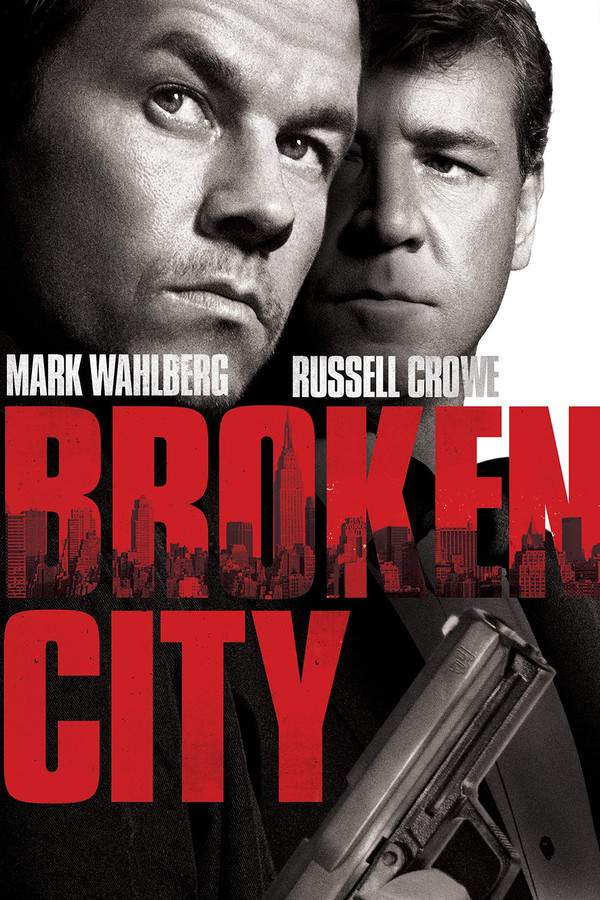
Movies about shattered ideals like Kiccha
Witness a principled hero become the very monster they sought to destroy.If you liked watching the protagonist of Kiccha navigate a corrupt system by becoming part of it, you'll find similar movies here. These films feature morally complex heroes whose fight for justice requires them to make heavy compromises, leading to a bittersweet or tragic conclusion.

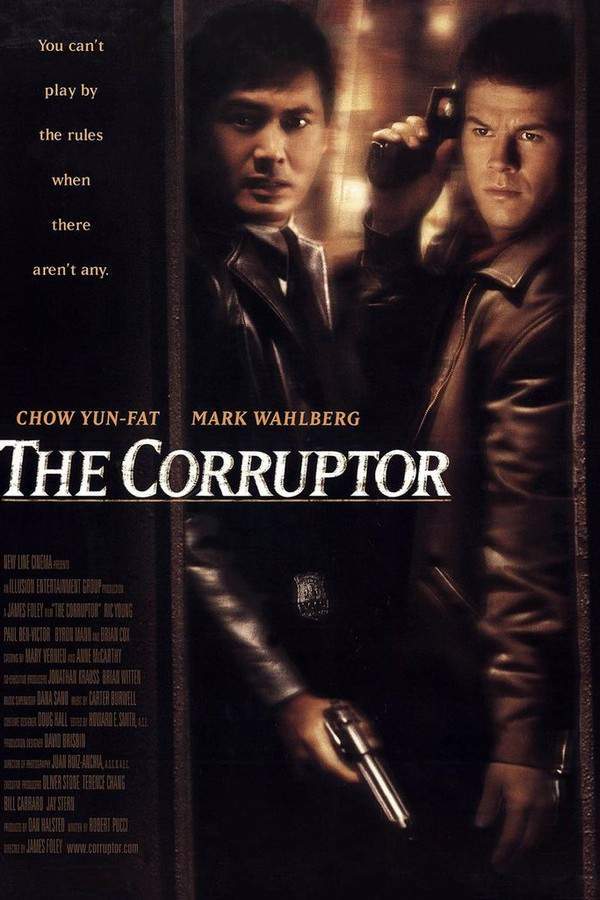


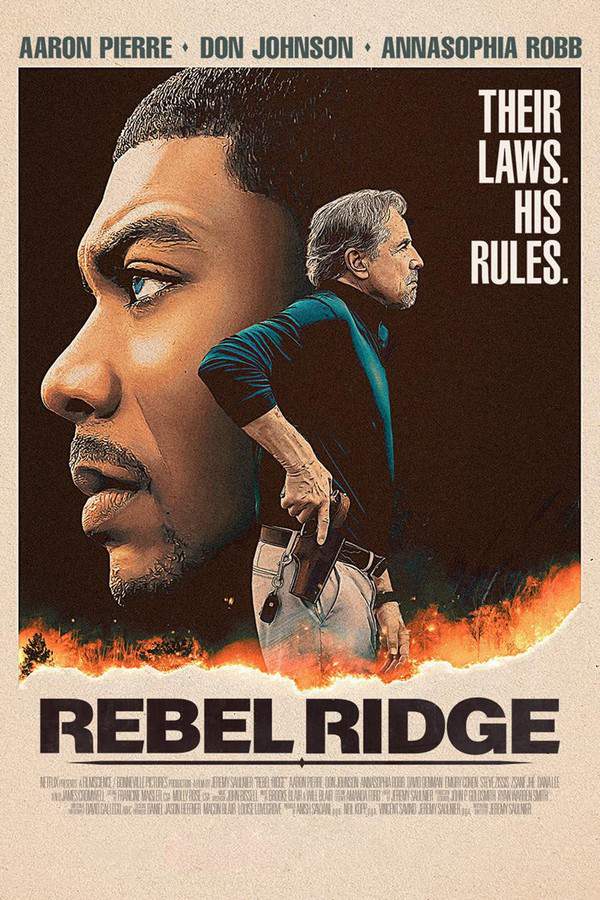
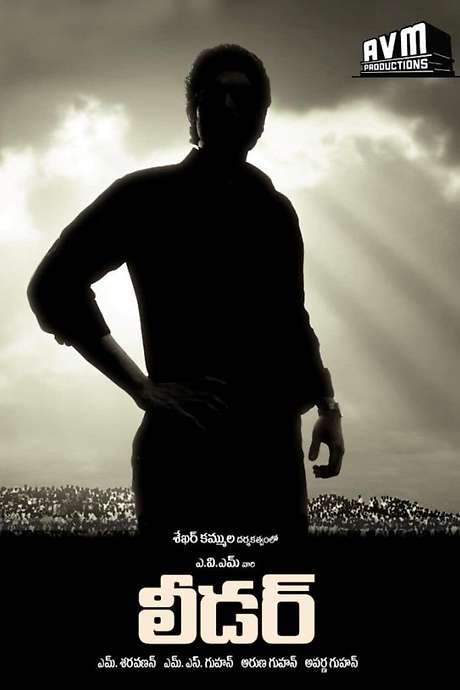



Narrative Summary
The narrative follows a character who begins with strong moral convictions, only to be worn down by a corrupt system. To win, they must adopt the very tactics they once opposed, resulting in a profound personal loss even as they achieve their objective.
Why These Movies?
These movies are grouped by their shared exploration of moral corrosion. They feature a specific type of character arc where the victory is tainted by the methods used to achieve it, creating a powerful and bittersweet emotional resonance.
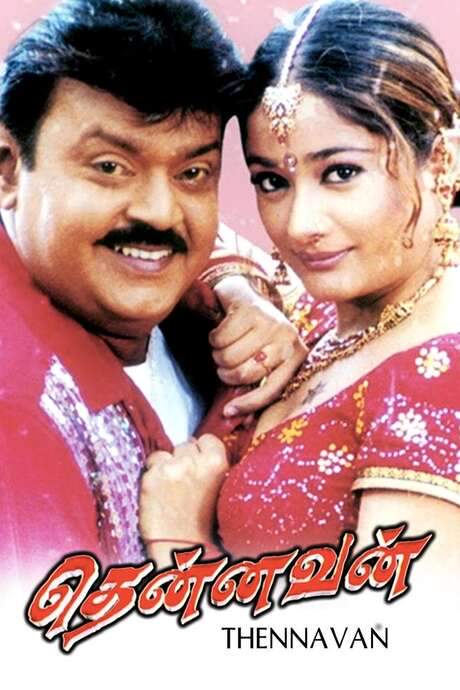
Movies about fighting corruption like Kiccha
Gripping stories of individuals taking on an entire corrupt institution.For viewers who enjoyed Kiccha's tense story of one man challenging a rigged political system, this collection offers similar films. Discover other powerful dramas about systemic injustice, revenge, and the heavy personal cost of seeking justice against overwhelming odds.

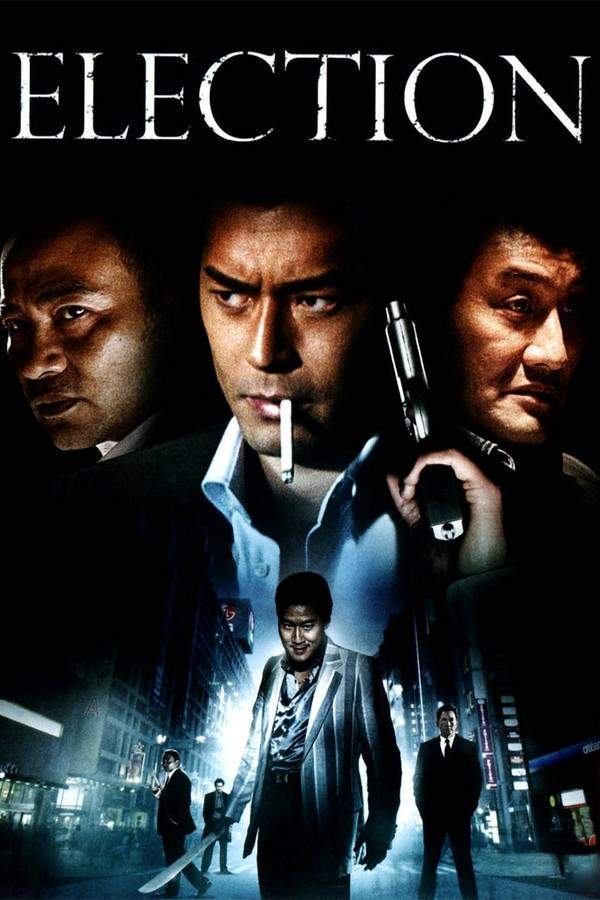
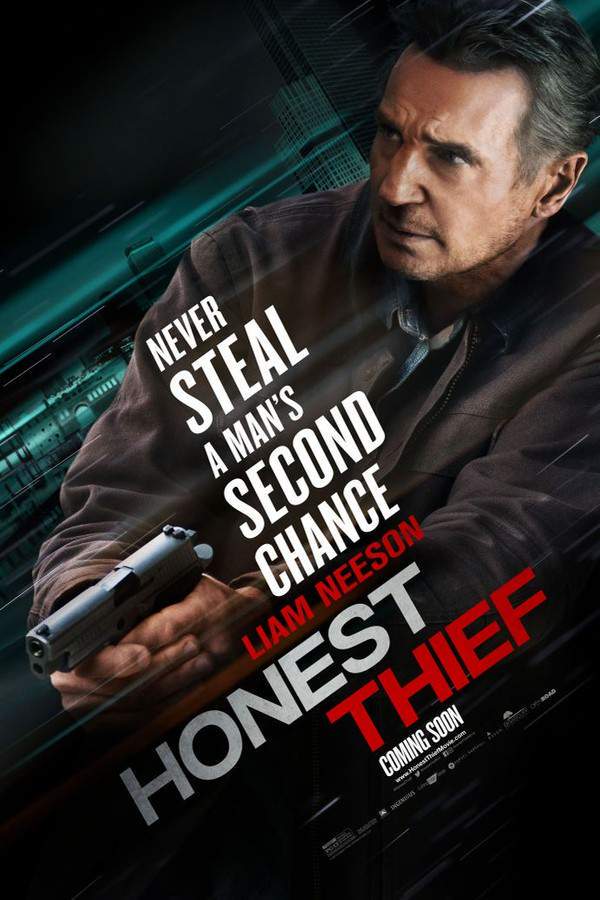
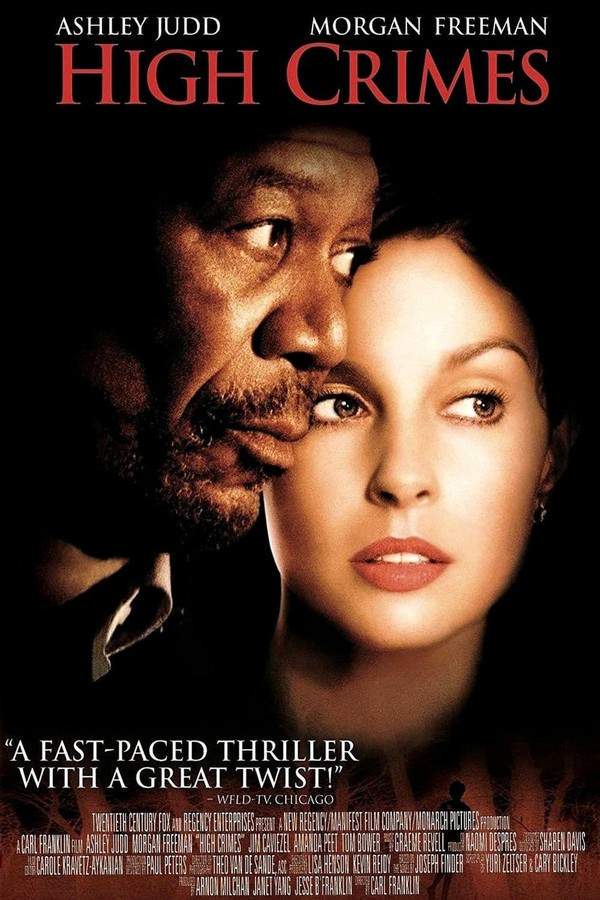
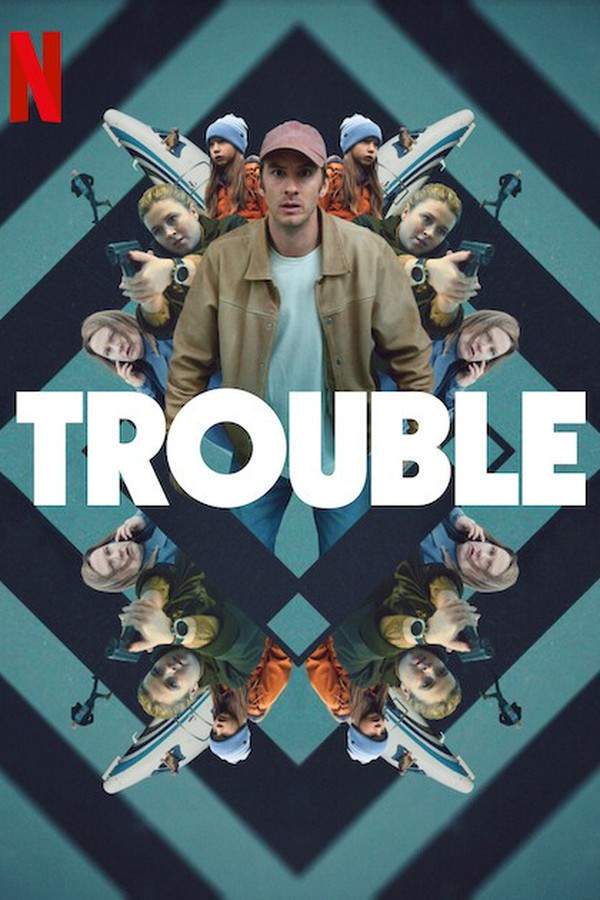
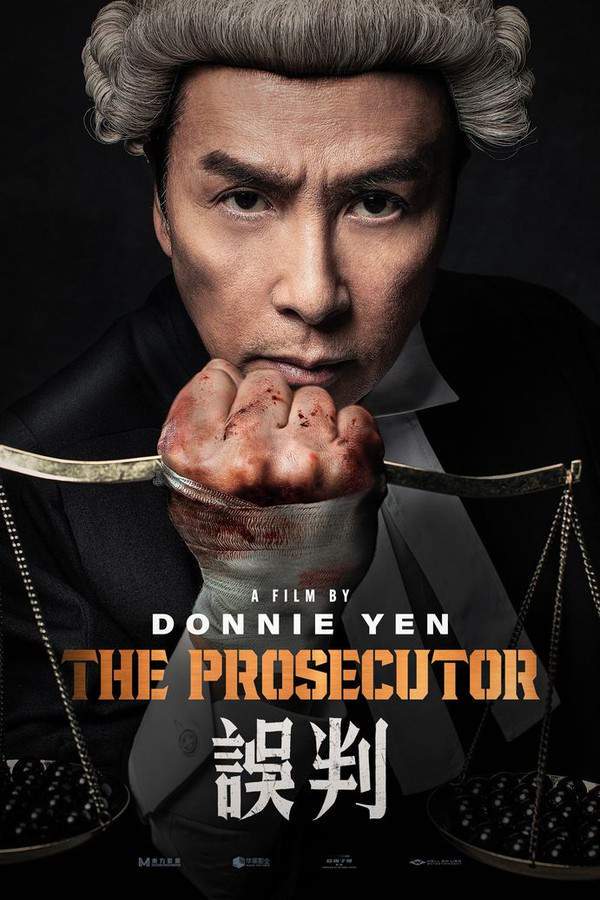



Narrative Summary
The plot structure revolves around a central conflict between an underdog and a vast, entrenched system of corruption. The story escalates through a series of calculated confrontations and setbacks, building towards a climax that exposes the system's flaws but often at a great personal sacrifice.
Why These Movies?
These films share a core conflict pattern and a specific mood. They deliver a cathartic experience of righteous anger against injustice, combined with the tension of a high-risk personal crusade and the melancholic reality that systemic change is never clean.
Unlock the Full Story of Kiccha
Don't stop at just watching - explore Kiccha in full detail. From the complete plot summary and scene-by-scene timeline to character breakdowns, thematic analysis, and a deep dive into the ending - every page helps you truly understand what Kiccha is all about. Plus, discover what's next after the movie.
Kiccha Summary
Read a complete plot summary of Kiccha, including all key story points, character arcs, and turning points. This in-depth recap is ideal for understanding the narrative structure or reviewing what happened in the movie.

Kiccha Timeline
Track the full timeline of Kiccha with every major event arranged chronologically. Perfect for decoding non-linear storytelling, flashbacks, or parallel narratives with a clear scene-by-scene breakdown.


Similar Movies to Kiccha
Discover movies like Kiccha that share similar genres, themes, and storytelling elements. Whether you’re drawn to the atmosphere, character arcs, or plot structure, these curated recommendations will help you explore more films you’ll love.





Explore More About Movie Kiccha
Kiccha (2003) Plot Summary & Movie Recap
Kiccha (2003) Scene-by-Scene Movie Timeline
Kiccha (2003) Spoiler-Free Summary & Key Flow
Movies Like Kiccha – Similar Titles You’ll Enjoy
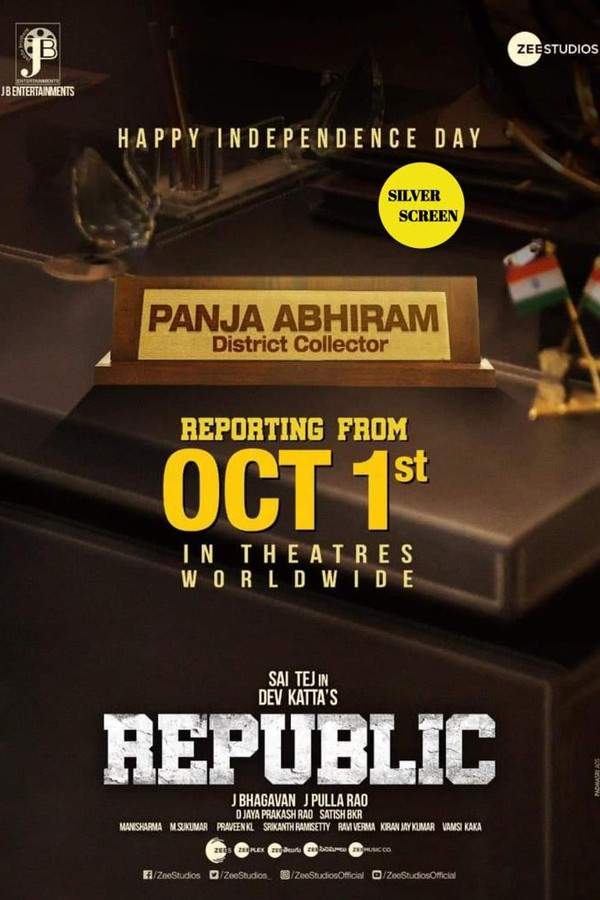
Republic (2021) Ending Explained & Film Insights
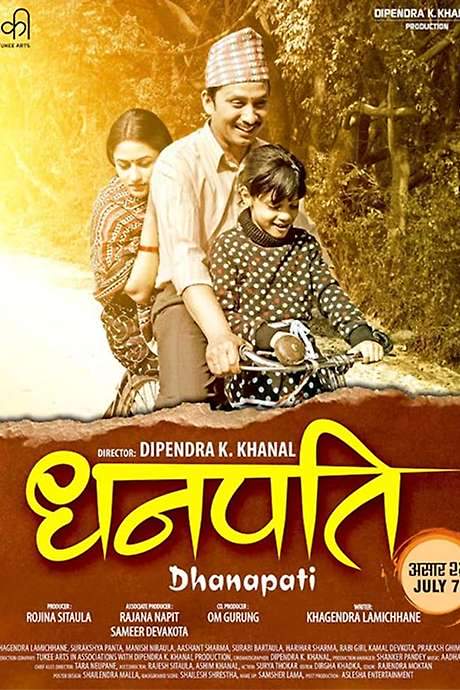
Dhanapati (2017) Story Summary & Characters
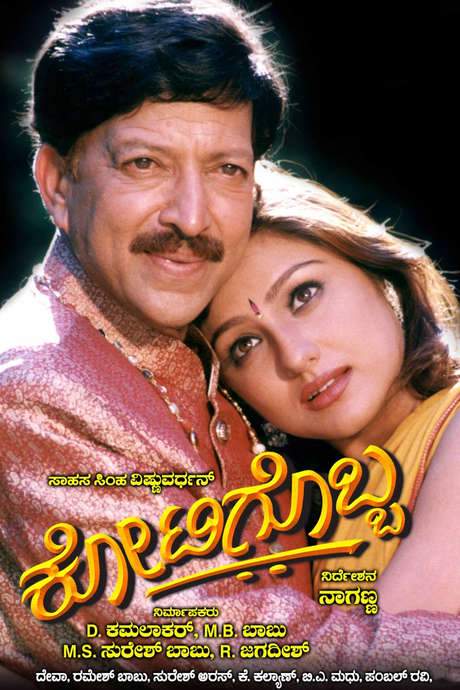
Kotigobba (2001) Story Summary & Characters
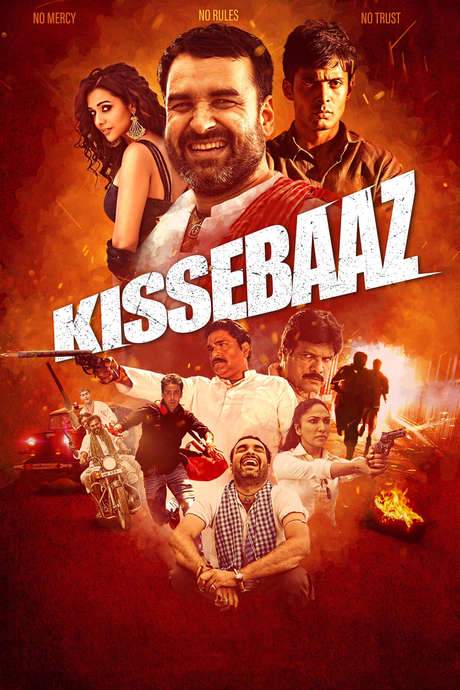
Kissebaaz (2019) Movie Recap & Themes
Kochi Rajavu (2005) Complete Plot Breakdown
Kaakki Sattai (1985) Movie Recap & Themes
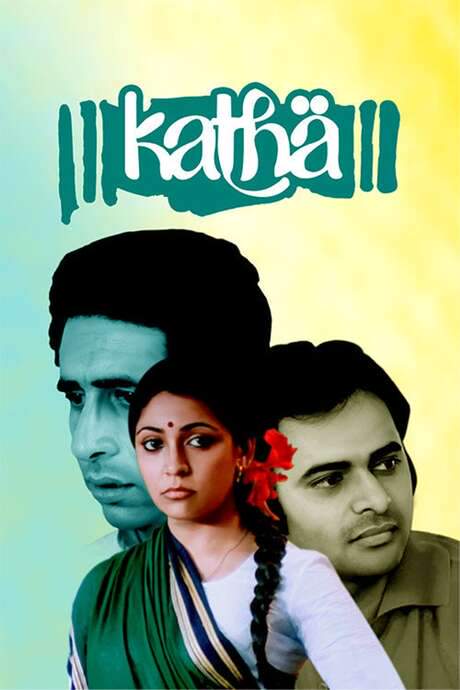
Katha (1982) Full Movie Breakdown
Kottayam Kunjachan (1990) Full Summary & Key Details
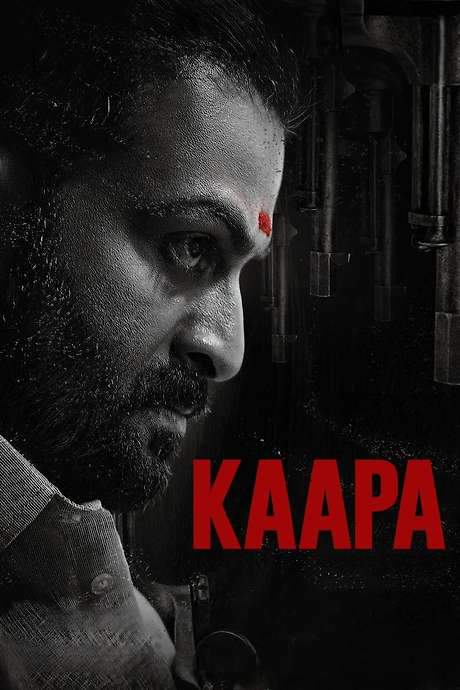
Kaapa (2022) Complete Plot Breakdown
Kaadu (1973) Movie Recap & Themes
Kadha, Samvidhanam Kunchacko (2009) Full Summary & Key Details
Kunukkitta Kozhi (1992) Full Movie Breakdown
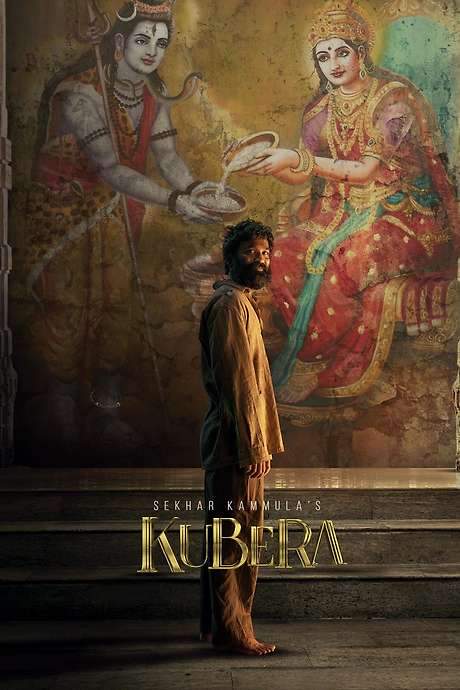
Kuberaa (2025) Full Movie Breakdown
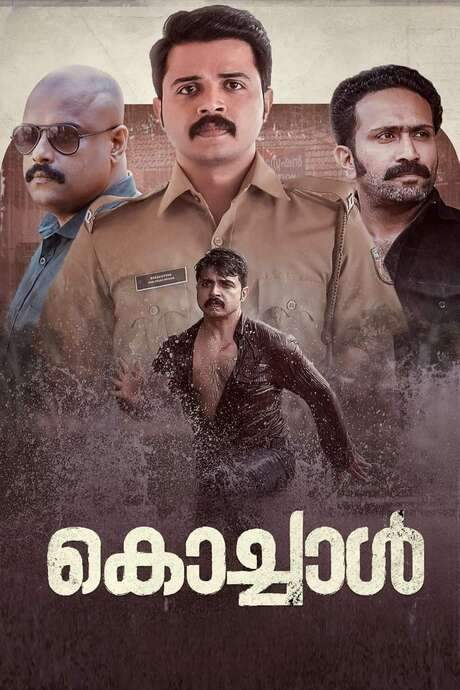
Kochaal (2022) Plot Summary & Ending Explained
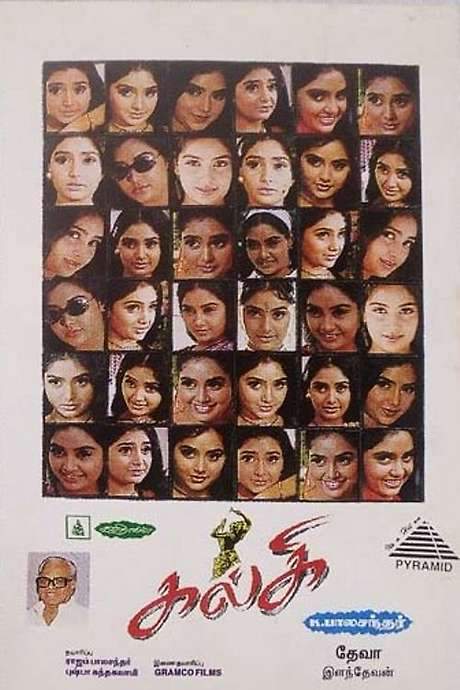
Kalki (1996) Spoiler-Packed Plot Recap