Plot Explained Spoilers guaranteed!
Plot Explained

Browse by genre

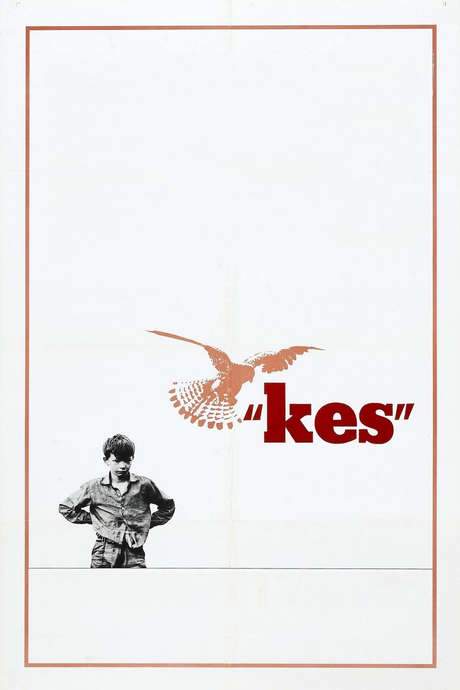
Kes (1969) movie poster

Timeline

Kes (1969) Timeline Explained – Every Event in Order

Release, runtime and language
1969 · 111 mins · English
Loading streaming availability…
Directed by
Ken Loach
Starring
David Bradley, Robert Naylor, Brian Glover, Duggie Brown, David Glover, Joe Miller

Subjected to relentless bullying at school and neglect at home from an indifferent mother and hostile older brother, 15‑year‑old Billy Casper, a working‑class Yorkshire boy, finds solace in a wounded kestrel he names Kes. With encouragement from his English teacher and classmates, Billy learns to train the bird, discovering purpose and a renewed spirit that transcends his harsh surroundings.

On this page (7)
  1. 1 Where to watch
  2. 2 Events in order (11)
  3. 3 Timeline questions answered
  4. 4 The book behind the movie
  5. 5 Movie threads
  6. 6 Movies like Kes
  7. 7 Every angle
Loading streaming availability…

11 events in order · contains spoilers

Kes Timeline: Events in Chronological Order

Every key event of Kes (1969) in order, scene by scene, with when and where it takes place. Use it to untangle flashbacks, time jumps and parallel storylines, to refresh your memory before the sequel or to find the exact scene you are thinking of.

  1. Billy Casper's bleak home life

    In the late 1960s in South Yorkshire, Billy Casper grows up in a poor community overshadowed by the coal mine. His father has left, and his mother speaks of their situation as a hopeless case while Jud, his abusive half-brother, looms over them. The home life is harsh and full of doubt about any bright future.

    When
    late 1960s
    Where
    South Yorkshire, England
  2. Easter Leaver and uncertain future

    Billy is due to leave school as an Easter Leaver, with no public examinations and thus no qualifications. Jud expects him to soon join the mine workforce, while Billy admits he doesn't know what kind of job he'll take but rejects the idea of working in the mine. The opening scenes establish the limited opportunities he faces.

    When
    just before leaving school
    Where
    School, South Yorkshire
  3. Stealing eggs and milk

    Billy steals eggs and milk from milk floats, using small thefts to cope with his grim life. He is frequently provoked in school and faces abuse from teachers and classmates. These acts reveal his stubborn resilience amid a cycle of neglect.

    When
    late 1960s
    Where
    Milk float routes, South Yorkshire
  4. Kes: taking the kestrel

    One day Billy takes a kestrel from a nest on a farm, sparking an unlikely bond. The bird becomes a focal point of his life and a source of hope he has not experienced before. He feels drawn to the possibility of training and caring for Kes.

    When
    one day
    Where
    Farm
  5. Launching falconry: book and library

    Eager to learn falconry, Billy steals a book on the subject from a secondhand shop and tries to borrow a library card, since he is underage. He invests in knowledge and dreams of training Kes properly. This pursuit signals a shift from petty acts toward a longer-term goal.

    When
    shortly after taking Kes
    Where
    Secondhand bookshop and public library
  6. First training sessions

    Training Kes begins in earnest, and the bird gradually responds to Billy's handling. The practice deepens their bond and gives Billy a new focus in life. The improving trust between boy and bird starts to brighten his outlook.

    When
    during training
    Where
    Countryside / outdoors
  7. Teacher's praise

    For the first time, Billy is praised by his English teacher after delivering an impromptu talk about training Kes. The recognition offers a rare glimpse of his potential being seen by others. The moment stands in contrast to the rest of his harsh daily life.

    When
    during school
    Where
    School classroom
  8. Jud's bet money

    Jud leaves money and instructions for Billy to place a bet on two horses, but a punter warns that the horses are unlikely to win. Billy follows the plan but ends up spending the money on fish and chips, hoping to buy meat for Kes. The butcher later gives him scrap meat for free, adding a small twist to the hardship.

    When
    after Kes training and praise
    Where
    Home
  9. The win and the revenge

    The horses win, contradicting the doubts about the bet, and a payout would be due. Jud is outraged at losing the potential money and retaliates by releasing Kes into the wild. In a brutal turn, Kes flaps toward Jud with claws and he kills the kestrel.

    When
    same day as the bet
    Where
    Near Billy's home and field
  10. Retrieving the broken body

    Billy finds Kes's broken body in a waste bin and retrieves it, showing it to Jud and his mother. He is grief-stricken by the loss, though the act also demonstrates how deeply he cared for the bird. The moment crystallizes the tragedy that has closed a window of hope.

    When
    immediately after death
    Where
    Waste bin, near home
  11. Burial on the hillside

    Grief leads Billy to bury Kes on the hillside overlooking the field where he had flown. The burial becomes a solemn ritual and a quiet farewell to what Kes represented. The event marks the end of the hopeful horizon Kes opened in his life.

    When
    shortly after death
    Where
    Hillside overlooking the field

Last updated: October 09, 2025 at 10:43

Was this helpful?

Timeline questions answered

Kes Timeline Explained: Your Questions Answered

When does it happen, and why in that order? The questions people ask about the chronology of Kes (1969): time jumps, flashbacks, cause and effect between scenes and the correct order of events, each answered with spoilers.

Q1

Why does Billy Casper take the kestrel from the nest?

Billy takes the kestrel because he's searching for something meaningful in his bleak life. Living under an abusive half-brother and facing a future as an Easter Leaver with no prospects, Billy is drawn to the idea of training a bird as a way to escape his grim reality. The kestrel represents an opportunity for responsibility, patience, and purpose, qualities he's never had a chance to develop. When he encounters the bird at the farm, he sees it as a doorway to something larger than his cramped world.

Foreshadowing: Earlier scenes show Billy stealing eggs and milk to cope with neglect, indicating he's accustomed to taking what he needs to survive.

  • billy casper
  • kestrel
  • falconry
  • hope
  • escape
Q2

Why does Billy spend Jud's bet money on fish and chips instead of placing the bet?

Billy chooses to spend the bet money on fish and chips because he prioritizes the kestrel over his brother's criminal scheme. Jud orders Billy to place a bet on two horses, but Billy uses the money to buy food for himself and ultimately gets scrap meat from a butcher for Kes. This act reflects Billy's shifting values, he's beginning to care for something beyond mere survival. The horses unexpectedly win, making Jud furious that Billy deprived him of the payout, but Billy's choice demonstrates he's no longer willing to follow Jud's path.

Foreshadowing: Billy's earlier thefts were for survival, but this time he invests in something he cares about.

  • jud
  • bet money
  • fish and chips
  • kestrel
  • choice
Q3

Why does Jud kill the kestrel?

Jud kills Kes as revenge for Billy's betrayal. When Billy fails to place the bet and the horses win anyway, Jud loses a potential payout and feels betrayed by his younger brother. In a fit of rage, Jud releases Kes into the wild hoping to destroy the one thing Billy cares about. When the bird flies back toward him, Jud strikes out in anger and kills it. This act demonstrates Jud's cruelty and his need to assert control over Billy's life, destroying the one source of hope his brother has found.

Foreshadowing: Jud's violent personality is established early through his harsh treatment of Billy at home.

  • jud
  • kestrel
  • kill
  • revenge
  • abuse
Q4

Why does the kestrel return to Jud after being released?

The kestrel returns to Jud because despite being freed, Kes has been trained by Billy and has formed a strong bond with his handler. Falconry creates a dependency, the bird has learned to associate humans with food and safety. When Jud releases Kes, the bird instinctively returns to the nearest person it recognizes, not understanding the danger. This tragic return makes Jud's act of killing the bird even more brutal, as the kestrel's loyalty to Billy inadvertently leads it back to its killer.

Foreshadowing: The training scenes show Kes responding to Billy's commands, establishing the bird's learned dependence.

  • kestrel
  • return
  • loyalty
  • training
  • fate
Q5

Why does Billy's English teacher praising him matter so much?

The teacher's praise matters because it's one of the few moments Billy experiences recognition for his abilities. After giving an impromptu talk about training Kes, his English teacher offers rare approval, this stands in stark contrast to the constant bullying and neglect Billy faces. It validates that Billy has worth and potential beyond what his harsh environment suggests. This moment fuels Billy's sense of hope and shows that someone outside his family sees promise in him, even if only briefly.

Foreshadowing: Earlier scenes establish Billy as a student who receives only criticism and taunts.

  • english teacher
  • praise
  • recognition
  • worth
  • potential
Q6

What does it mean that Billy is an Easter Leaver?

An Easter Leaver is a student who leaves school at Easter without taking public examinations, typically because they're deemed unsuitable for academic success. In Billy's case, he's marked for this path despite being capable of more, reflecting the limited social mobility in working-class Yorkshire. This label seals his fate, he'll likely join the mine workforce like Jud, with little chance of escaping poverty. The system essentially writes off kids like Billy before they even finish school, reinforcing the film's themes of social immobility.

Foreshadowing: The opening scenes show Billy's uncertain future and Jud's expectation that he'll work in the mine.

  • easter leaver
  • school
  • future
  • poverty
  • mining
Q7

What does the kestrel's death symbolize in the film?

Kes's death symbolizes the crushing of hope in a harsh world. The kestrel represented Billy's first taste of purpose, responsibility, and possibility beyond his grim circumstances. Its violent death at Jud's hands shows how quickly beauty can be destroyed by the brutal forces in Billy's life. The killing reflects how society, family, and poverty conspire to snuff out the aspirations of working-class children. The bird's death isn't just a personal loss, it's a statement about how hope is systematically denied to those born into difficult circumstances.

Foreshadowing: The film consistently contrasts brief moments of tenderness with the pervasive harshness of Billy's world.

  • symbolism
  • hope
  • death
  • loss
  • poverty
Q8

Why does Billy bury the kestrel on the hillside?

Billy buries Kes on the hillside because it's where he first flew the bird and experienced freedom. The hillside overlooking the field represents the one place where Billy and Kes were truly connected, the site of their training and hope. By burying the kestrel there, Billy performs a solemn ritual of goodbye to both the bird and what it symbolized. The location also marks a boundary between Billy's world of constraint and the wider possibility he briefly glimpsed. It's his final act of care for the one thing that gave his life meaning.

Foreshadowing: Training scenes show Billy taking Kes to the hillside to fly, establishing it as their special place.

  • burial
  • hillside
  • memory
  • farewell
  • freedom
Q9

Why is the coal mining setting important to the story?

The coal mining setting establishes the inescapable gravity of working-class life in South Yorkshire. The mine looms over everything, it's the implied destination for every boy like Billy, a future that Jud embodies. This environment creates the emotional pressure that makes Kes's presence so significant: it's the only alternative to a life underground. The mining culture also explains Jud's brutality and the limited opportunities for Billy. The industrial landscape mirrors the emotional terrain: dark, restrictive, and indifferent to individual dreams.

Foreshadowing: Early scenes establish the mine as the shadow hanging over Billy's future.

  • coal mining
  • yorkshire
  • working class
  • poverty
  • setting
Q10

What hope does the kestrel represent for Billy?

The kestrel represents Billy's first real possibility of transcending his circumstances. Through falconry, Billy discovers he's capable of patience, discipline, and nurturing something beyond himself. Kes becomes a channel for his ambitions and a refuge from the daily abuse. The bird offers a glimpse of a different kind of life, one where Billy could be a falconer, a trainer, someone with skill and purpose. This hope is fragile precisely because it's so foreign to his world, making its destruction even more devastating.

Foreshadowing: Billy's stolen books on falconry and his determination to get a library card show his investment in this new identity.

  • hope
  • falconry
  • possibility
  • transcendence
  • purpose

Movie threads

More Movies Like Kes, by Mood & Story

Curated lists built around what makes Kes tick: the same mood, the same kind of story or the same emotional payoff. Each list explains why these movies belong together.

Gritty and melancholic boyhood stories like Kes

Harsh, slow-moving dramas about young boys facing adversity in unforgiving environments. Find movies like Kes that capture the raw, emotional experience of boyhood under difficult circumstances. This collection features slow-burn dramas with heavy emotional weight, set in bleak working-class environments, focusing on young protagonists confronting neglect and finding fleeting hope.

  • gritty
  • melancholic
  • oppressive
  • lonely
  • resilient
  • hopeless
  • Tone: melancholic, gritty, bleak
  • Pacing: slow, observational
Why these movies?

The story pattern: Stories in this thread typically follow a young male protagonist trapped in a harsh, often working-class environment. The narrative is character-driven, charting his quiet struggle against systemic neglect or bullying, with a central focus on his internal world. A fragile source of hope or purpose often emerges, only to be threatened or extinguished by the oppressive reality, leading to a somber conclusion.

Why they belong together: These films are grouped by their shared commitment to an unsentimental, melancholic view of childhood adversity. They possess a similar gritty aesthetic, slow pacing that emphasizes atmosphere, and a heavy emotional core centered on themes of lost innocence and the crushing weight of circumstance.

Movies where animal companionship provides solace like in Kes

Stories where a bond with an animal provides temporary hope against a bleak backdrop. If you liked the relationship between Billy and Kes, explore these emotional stories where a bond with an animal offers a temporary escape from hardship. These films often feature lonely protagonists in tough situations, with the animal connection serving as the emotional heart of the narrative.

  • tender
  • heartbreaking
  • lonely
  • hopeful
  • bittersweet
  • resilient
  • Tone: tender, melancholic, bittersweet
  • Pacing: slow to steady, character-focused
Why these movies?

The story pattern: The narrative pattern involves an isolated or suffering individual discovering an animal and learning to care for it. This process becomes a journey of self-discovery and provides a crucial sense of purpose. The relationship is central to the emotional arc, creating a powerful contrast with the protagonist's harsh surroundings and often leading to a bittersweet or heartbreaking conclusion.

Why they belong together: These films are connected by the central, thematic role of an animal-human bond as a beacon of hope. They share a specific emotional mix: the tenderness of the connection set against a backdrop of struggle, resulting in stories that are both heartwarming and profoundly sad.

If you liked this

Movies Like Kes

Similar movies to Kes: the same genre, themes or kind of story. Each one comes with its own plot summary, timeline and ending explained.

Browse all movie summaries

Every angle

Kes (1969) Explained: Plot, Timeline & Characters

Everything about Kes in one place: what happens in the plot summary, the timeline in chronological order, the characters and meaning and a spoiler-free summary. What's After the Movie adds the cast, box office and post-credit scenes.

Coming soon on iOS and Android

The Plot Explained Movie Summary App

Plot summaries, endings explained and timelines on your phone. Catch up on any movie in minutes, save your favorites and never miss a twist again.

Be the first to know when we launch. Your email stays private, always.

Learn more about the app