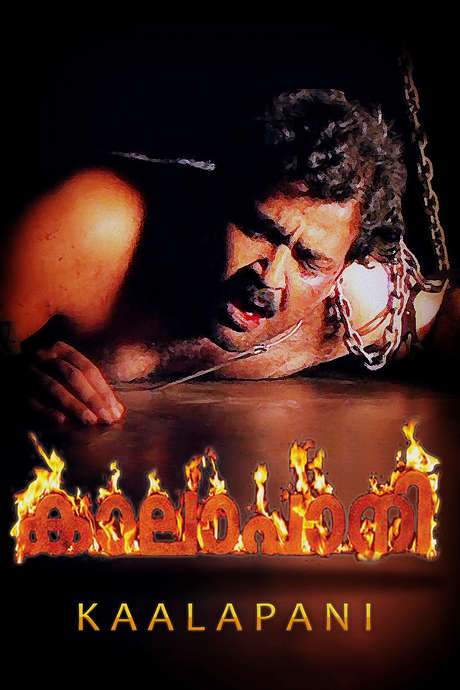
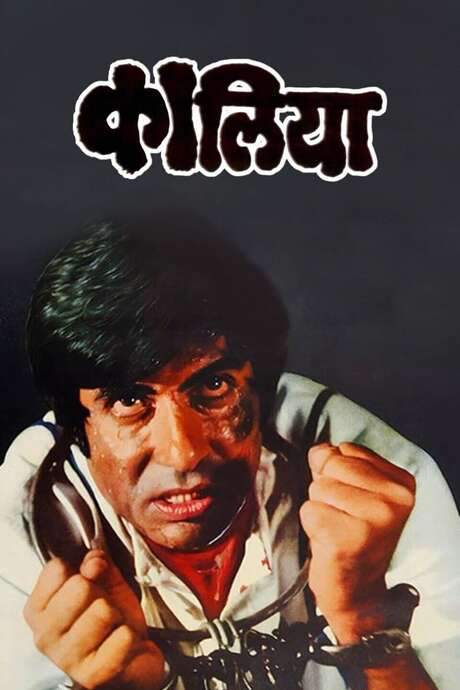
Animesh Mitra arrives in Calcutta from Jalpaiguri during the turbulent year of 1967 with a simple aim: to study Bengali literature at the Scottish Church College. Fate, however, intervenes in a sharp and painful way when a mishap on the streets leaves him injured and forcefully redirected to the Calcutta Medical College. What begins as a cruel accident soon gives way to a life that unfolds against the backdrop of political unrest, student strife, and a city on the edge. In this new environment, Animesh forges a quiet but meaningful bond with Neela, the daughter of his benefactor Debabrata, and his days at the college are gradually colored by a sense of purpose and belonging he had not anticipated.
As he settles into the campus world, Animesh’s life becomes a complex weave of academic pursuit and awakening political consciousness. He enrolls in the BA Bengali Literature program and navigates the intellectual currents that pulse through a generation hungry for meaning. Though he initially attempts to steer clear of politics, the influence of the era and the mentorship of figures like Ramen and Subash Sen begin to pull him into a fervent political milieu. What starts as idealism slowly hardens into a more radical stance as he encounters the realities of a society grappling with inequality, oppression, and the failures of authority.
The movement he embraces is not a distant ideology but a living force that unsettles his personal loyalties and tests his deepest beliefs. He aligns with a faction linked to the BP(SF) and is drawn into the harsh discipline and rigorous demands of the revolutionary project. Yet, even as he evolves into a committed activist, the inner conflict between his ideals and the tenderness of his relationships weighs heavily on him. His bond with Neela remains a steady anchor, even as the winds of change pull him toward a more uncompromising path. The portrait of Animesh thus becomes one of a young man caught between the warmth of affection and the heat of political conviction.
Love enters the story in the form of Madhabilata, a friend of Neela who, at first, stands against the intensity of Animesh’s new commitments. She believes in a boundary between romance and the higher calls of a political struggle, yet she remains hopeful that she can walk beside him without becoming a barrier to his mission. This delicate balance is shattered when Madhabilata becomes pregnant outside marriage, a consequence that deepens Animesh’s sense of duty to the movement and amplifies the friction between his personal life and public使命. He makes the painful choice to pursue a grand ideal over the more intimate obligations he has toward those closest to him, a decision that reverberates through the years to come.
Tridip, Animesh’s roommate and a dreamy poet, accompanies him on the road with visions of a nation that transcends partitions and divisions. Their conversations sketch a utopian horizon, even as practical realities and brutal force reveal the chasms in the system they strive to reform. Tridip’s presence highlights the fragility and the beauty of idealism in a world where plans for a better society collide with the harshness of state power.
The narrative moves toward a grim turning point as the brutality of the times closes in. Subash Sen and other leaders are slain by police forces during a violent crackdown, a blow that exposes the vulnerabilities of even the most principled movements. Tridip is killed, and a wave of reprisals follows: women accused of propagating Naxalite ideas are subjected to rape by police, and Animesh himself endures brutal torture that shatters his physical body. The injuries leave him numb and crippled, with his mobility compromised below the waist, a stark symbol of how the state’s violence can fissure a life and a family.
In the midst of this turmoil, Madhabilata gives birth to a baby boy named Arka, a new life that becomes a fragile beacon in the darkness. Neela remains a steadfast presence, offering support and moral strength to Madhabilata, even as Animesh’s own life spirals into hardship. Her loyalty stands in quiet contrast to the strain felt within Animesh’s own marriage and the demands of his political commitments, illustrating the personal sacrifices that accompany a collective struggle.
Time passes, and the political landscape shifts. By 1977, the Left Front government releases political prisoners, offering a measured sense of relief and a chance at reinvention for many who had been silenced. Animesh emerges from prison with a changed outlook, having endured the physical and emotional trauma of years spent in captivity. He reunites, though imperfectly, with the family he had risked so much to leave behind. The film closes on a note of cautious hope: in a slum where his wife and son live, Animesh begins to rebuild a life that blends the lessons of struggle with the promise of a more humane future. The new ideology that now guides him is tempered by the realities he has endured, suggesting a cautious return to the mainstream with a renewed sense of purpose and a belief that change, while hard-won, remains possible.
Throughout this sweeping arc, the film remains anchored in personal resilience and the enduring question of what it means to fight for a better society. It asks how far a single life can bend under the pressure of political upheaval and whether love, loyalty, and hope can endure when institutions turn against the very people they are meant to protect. In its most enduring moments, the story offers a profound meditation on sacrifice, the cost of idealism, and the search for a future where dignity and opportunity are not luxuries but shared rights.