The true story of WWII’s notorious Sobibor Nazi death camp, where a courageous inmate orchestrates and leads the escape of over 300 prisoners.
Find where to stream, rent, or buy Escape from Sobibor (1987) in the US with current JustWatch availability, up-to-date pricing, and platform listings for subscription, rental, and digital purchase options.
Warning: spoilers below!
Haven’t seen Escape from Sobibor yet? This summary contains major spoilers. Bookmark the page, watch the movie, and come back for the full breakdown. If you're ready, scroll on and relive the story!
Explore the full timeline and setting of Escape from Sobibor (1987). Follow every major event in chronological order and see how the environment shapes the story, characters, and dramatic tension.
Last updated: December 03, 2025 at 23:55
Meet the key characters of Escape from Sobibor (1987), with detailed profiles, motivations, and roles in the plot. Understand their emotional journeys and what they reveal about the film’s deeper themes.
Last updated: December 03, 2025 at 23:55
Explore the central themes of Escape from Sobibor (1987), from psychological, social, and emotional dimensions to philosophical messages. Understand what the film is really saying beneath the surface.
Last updated: December 03, 2025 at 23:55
Browse frequently asked questions about Escape from Sobibor (1987) focused on characters, relationships, themes, symbols, setting, and story context. This movie info FAQ gives spoiler-aware explanations for character arcs, world details, and thematic interpretation so readers can better understand what the film is really about.
Sobibor was a Nazi extermination camp located in occupied Poland during World War II. Its primary purpose was the systematic murder of Jews as part of the Holocaust. After the 1943 uprising, the Nazis bulldozed the camp and planted trees in an attempt to erase its existence.
The film's opening establishes Sobibor as a place of mass murder, immediately setting the stakes for the escape attempt.
The uprising at Sobibor occurs in October 1943. The film depicts the planning and execution of this mass escape attempt during World War II, illustrating the brutal conditions prisoners endured and the immense danger they faced.
Early scenes establish the relentless violence and arbitrary executions that drive prisoners toward desperate action.
The film centers on three major themes: resistance, strategy, and brutality. It depicts organized resistance as prisoners from diverse backgrounds unite against their captors. The uprising requires meticulous planning, deception, and precise timing. The brutality theme shows the constant threat of death and the moral dilemmas prisoners face regarding survival and sacrifice.
The opening sequences establish the camp's brutality, setting the emotional foundation for the themes of resistance and strategy.
The escape is organized by two primary leaders: Leon Feldhendler, a prisoner who analyzes the camp's situation and advocates for a coordinated escape, and Alexander 'Sasha' Pechersky, a Red Army prisoner who brings military tactical knowledge and helps mobilize others. Their combined leadership elevates the scale and potential success of the uprising.
Feldhendler's early analysis of camp routines establishes his role as the strategic mind behind the planning.
Alexander 'Sasha' Pechersky, a Red Army prisoner portrayed by Rutger Hauer, brings critical military experience and tactical thinking to the revolt. His involvement transforms the escape from a desperate prison break into a coordinated military-style operation, significantly increasing its chances of success.
Pechersky's arrival introduces military discipline that contrasts with the prisoners' earlier disorganized resistance attempts.
Gustav Wagner was one of the most sadistic SS officers at Sobibor, responsible for brutal acts and intimidation against prisoners. His cruelty underscores the extreme stakes of the revolt and heightens the prisoners' determination to overthrow their oppressors. The success of the escape directly challenges his authority and the terror he represents.
Wagner's introduction establishes him as a primary antagonist whose power the prisoners must overcome.
Over 300 prisoners successfully escape from Sobibor during the 1943 uprising. The escape is a monumental achievement in the context of the Holocaust, representing one of the largest successful uprisings at a Nazi death camp. However, the ending reveals that most escapees were later killed, adding a bittersweet quality to the triumph.
The careful counting of participants during planning hints at the large scale of the operation.
The film portrays resistance as a powerful thread of human dignity and courage in impossible circumstances. Prisoners from different backgrounds unite to challenge their captors, demonstrating that even in the darkest conditions, people can organize and fight back. The plan requires discipline, sacrifice, and willingness to risk everything for others, presenting resistance as both a moral imperative and a practical survival strategy.
Early scenes of prisoner solidarity foreshadow the unified action that becomes the revolt's foundation.
Strategy is central to the escape because the prisoners must overcome a well-armed SS force through careful planning rather than brute force. Leaders exploit routines and gaps in guard coverage, lure and kill officers, and coordinate the timing of the uprising. The success depends entirely on precise coordination and shared purpose among the prisoners, making strategy the difference between certain death and a chance at survival.
Feldhendler's observations of guard patterns early in the film establish the importance of strategic planning.
The Sobibor uprising holds significant historical importance as one of the most successful prisoner uprisings at a Nazi death camp. It demonstrated that organized resistance was possible even in the most horrific conditions. The Nazis' subsequent destruction of the camp reflects their fear of the uprising's symbolic and moral value. The escape and its aftermath highlighted the ongoing pursuit of survivors and the challenges faced by those who escaped.
The epilogue's mention of survivors facing further consequences underscores the historical ongoing impact.
Discover curated groups of movies connected by mood, themes, and story style. Browse collections built around emotion, atmosphere, and narrative focus to easily find films that match what you feel like watching right now.
Stories of meticulously planned rebellions against overwhelming, brutal authority.If you were captivated by the daring escape in Escape from Sobibor, find more movies like it. This collection features similar true stories and fictional thrillers about organized resistance, survival against the odds, and desperate rebellions within prisons, labor camps, and other brutal institutions.
The narrative follows a group of oppressed individuals who, faced with certain doom, shift from survival to active rebellion. The plot meticulously details the planning phase, fraught with paranoia and risk, building towards a violent, chaotic climax during the execution of the escape. The journey is defined by sacrifice, camaraderie under pressure, and a bittersweet victory tempered by loss.
Movies in this thread share a high-tension, claustrophobic mood, a steady pacing that builds to a explosive climax, and a central plot of organized resistance. They are united by themes of courage in the face of tyranny, the psychological toll of oppression, and the bittersweet nature of hard-won freedom.

Sobering stories of enduring unimaginable hardship based on true events.For viewers seeking more heavy, fact-based war dramas like Escape from Sobibor. Discover movies with a similar feel: somber, intense stories about survival during the Holocaust and other genocides, focusing on courage, tragedy, and the grim reality of historical events.
These narratives are typically straightforward, following individuals or groups as they navigate a world defined by systematic cruelty and the imminent threat of death. The emotional journey is one of enduring loss and horror, with any victory or survival coming at a profound personal cost. The stories prioritize emotional authenticity over complex plotting.
These films are grouped by their shared heavy emotional weight, grim and somber tone, and basis in real-world historical tragedies. They create a similarly intense, oppressive viewing experience focused on the themes of survival, moral courage, and the devastating impact of war crimes.
Don't stop at just watching - explore Escape from Sobibor in full detail. From the complete plot summary and scene-by-scene timeline to character breakdowns, thematic analysis, and a deep dive into the ending - every page helps you truly understand what Escape from Sobibor is all about. Plus, discover what's next after the movie.
Read a complete plot summary of Escape from Sobibor, including all key story points, character arcs, and turning points. This in-depth recap is ideal for understanding the narrative structure or reviewing what happened in the movie.
Track the full timeline of Escape from Sobibor with every major event arranged chronologically. Perfect for decoding non-linear storytelling, flashbacks, or parallel narratives with a clear scene-by-scene breakdown.
Discover movies like Escape from Sobibor that share similar genres, themes, and storytelling elements. Whether you’re drawn to the atmosphere, character arcs, or plot structure, these curated recommendations will help you explore more films you’ll love.
Escape from Sobibor (1987) Plot Summary & Movie Recap
Escape from Sobibor (1987) Scene-by-Scene Movie Timeline
Escape from Sobibor (1987) Spoiler-Free Summary & Key Flow
Movies Like Escape from Sobibor – Similar Titles You’ll Enjoy
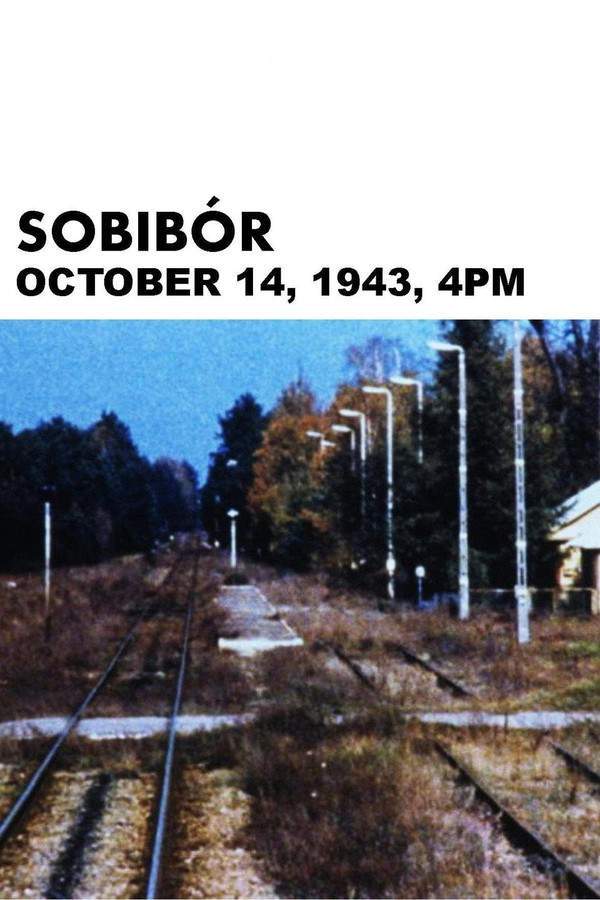
Sobibór, 14 Octobre 1943, 16 heures (2001) Full Summary & Key Details
The Great Escape (1963) Ending Explained & Film Insights
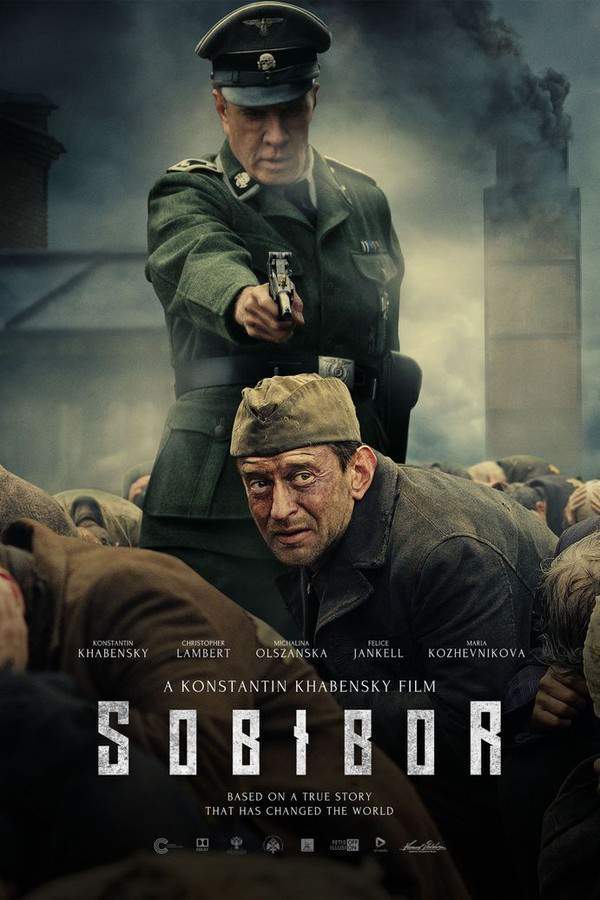
Sobibor (2019) Complete Plot Breakdown
Escape from Germany (2024) Movie Recap & Themes
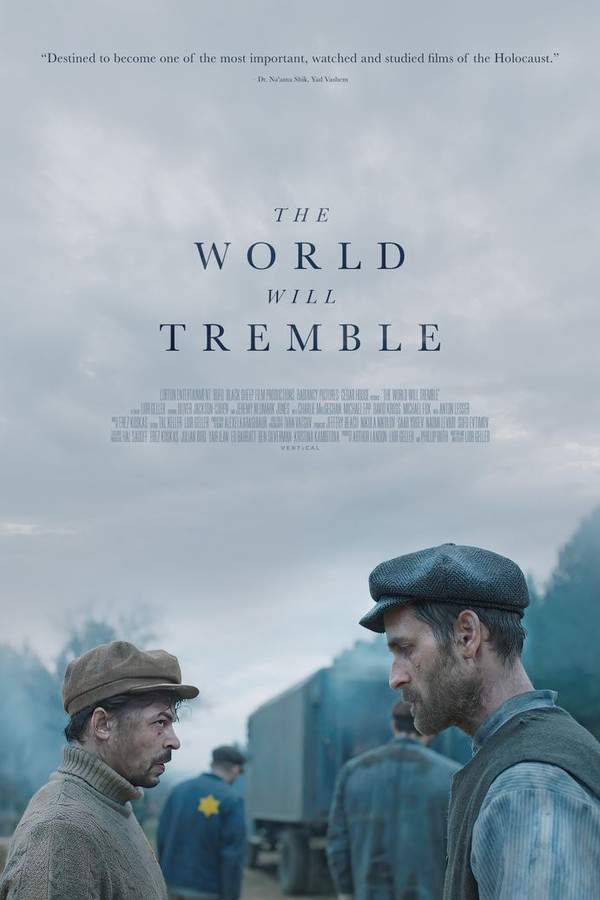
The World Will Tremble (2025) Ending Explained & Film Insights
Great Escape: The Untold Story (2001) Full Movie Breakdown
Colditz (1000) Story Summary & Characters
Escape to Victory (1981) Complete Plot Breakdown
The Escape (1987) Film Overview & Timeline
Escape from Sobibor (1987) Detailed Story Recap
Holocaust (1000) Full Summary & Key Details
The Colditz Story (1955) Full Summary & Key Details
I Escaped from the Gestapo (1943) Full Summary & Key Details
A Man Escaped (1956) Full Summary & Key Details
Escape (1940) Ending Explained & Film Insights