














Plot Explained Spoilers guaranteed!
Plot Explained

Browse by genre

Escape from Sobibor (1987) movie poster

Timeline

Escape from Sobibor (1987) Timeline Explained – Every Event in Order

Release, runtime and language
1987 · 169 mins · English
JustWatch #13,889 4
Directed by
Jack Gold
Starring
Howard K. Smith, Alan Arkin, Rutger Hauer, Sara Sugarman, Joanna Pacula, David Miller

The true story of WWII’s notorious Sobibor Nazi death camp, where a courageous inmate orchestrates and leads the escape of over 300 prisoners.

On this page (6)
  1. 1 Where to watch
  2. 2 Events in order (15)
  3. 3 Timeline questions answered
  4. 4 Movie threads
  5. 5 Movies like Escape from Sobibor
  6. 6 Every angle

Where to watch

Where to Watch Escape from Sobibor (1987)

Where can you watch Escape from Sobibor? Stream, rent or buy it in the US, including on Artiflix, FlixFling and Darkroom: current JustWatch availability with up-to-date prices.

Streaming availability powered by JustWatch

15 events in order · contains spoilers

Escape from Sobibor Timeline: Events in Chronological Order

Every key event of Escape from Sobibor (1987) in order, scene by scene, with when and where it takes place. Use it to untangle flashbacks, time jumps and parallel storylines, to refresh your memory before the sequel or to find the exact scene you are thinking of.

  1. Arrival of a new trainload and camp deception

    A fresh trainload of Polish Jews arrives at Sobibor, and the German Commandant reassures them that they are entering a work camp. The deceptive calm sets the stage for the brutal reality that follows, as the camp's true purpose remains hidden from the newcomers.

    Where
    Sobibor
  2. Selection of skilled prisoners

    SS officers pick a small number of prisoners with trades—goldsmiths, seamstresses, shoemakers, and tailors—for labor inside the camp. The rest are sent to a different section of Sobibor where a pillar of smoke rises day and night, signaling the planned extermination.

    Where
    Sobibor
  3. Sobibor revealed as a death camp

    The prisoners realize Sobibor is a death camp where Jews are exterminated in gas chambers and cremated in large ovens. The grim truth starkly contrasts with the earlier assurances of labor-only confinement.

    Where
    Sobibor
  4. Skilled prisoners’ forced labor

    The spared skilled prisoners sort the belongings of murder victims, repair shoes, recycle clothing, and melt down precious metals to make jewelry for the SS. These tasks keep the camp's operations going and feed the guards’ wealth and power.

    Where
    Sobibor
  5. Escape attempt triggers mass execution

    When two prisoners escape from a work detail, the most sadistic SS officer, Gustav Wagner, gives the remaining thirteen prisoners a cruel choice: select another prisoner to die with them, or he will kill fifty prisoners. The prisoners comply and he executes all twenty-six.

    Where
    Sobibor
  6. Feldhendler conceives a mass escape plan

    Leon Feldhendler, the prisoners’ leader, realises the camp’s usefulness will end once trains stop arriving and devises a plan for every prisoner to escape by luring SS officers into the barracks and huts one by one. After the killings are carried out, the remaining prisoners should assemble into columns and march out of Sobibor, hoping the Ukrainian guards will remain oblivious with no Germans to give orders or raise the alarm.

    Where
    Sobibor
  7. Red Army prisoners join the revolt

    A new group of Red Army prisoners, led by Sasha Pechersky, arrives and willingly joins the revolt. Their military skills prove invaluable to the plan and its execution.

    Where
    Sobibor
  8. Commandant departs with Wagner

    The camp commandant departs for several days with Gustav Wagner, ensuring the most sadistic officers are absent during the early stages of the revolt.

    Where
    Sobibor
  9. The uprising begins and officers are lured

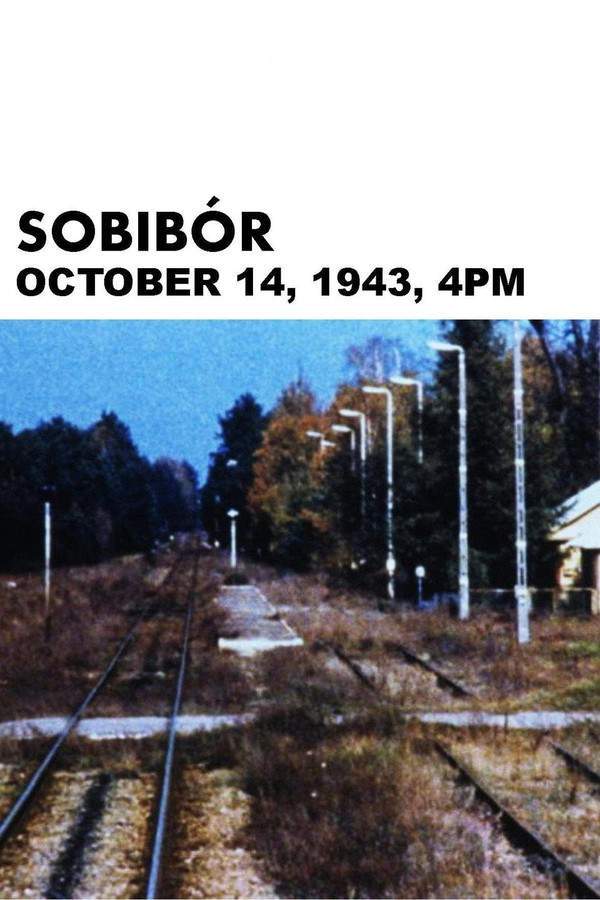
    On 14 October 1943, officers and NCOs are lured into traps and killed with knives and clubs. The plan is discovered when Karl Frenzel finds a corpse and raises the alarm, triggering chaos among the guards.

    When
    14 October 1943
    Where
    Sobibor
  10. Mass breakout toward the perimeter

    Realising the escape is unravelling, the revolt escalates as prisoners rush for the perimeter fences. Some Jews wield captured rifles to shoot at Ukrainian guards, while others push toward the forest.

    When
    14 October 1943
    Where
    Sobibor
  11. Casualties and the minefield

    Machine gun fire from the observation towers kills many of the escaping prisoners, and others are killed in the surrounding minefield. The chaos ravages the camp as guards attempt to quell the breakout.

    When
    14 October 1943
    Where
    Sobibor
  12. Escape to the forest

    Over 300 Jews reach the forest and escape into the woods, beginning a broader march toward freedom beyond Sobibor’s borders.

    When
    14 October 1943
    Where
    Forest near Sobibor
  13. Post-uprising narrations and survivors

    Newscaster Howard K. Smith later narrates the fates of some survivors, highlighting the grim outcomes for many who escaped. Of the 300 who fled, only about 50 survive to see the end of the war in 1945.

    Where
    World/News broadcast
  14. Pechersky returns to Soviet lines

    Sasha Pechersky makes it back to Soviet lines and rejoins the Red Army, surviving the war.

    Where
    Soviet Union
  15. Fate of Feldhendler and Wagner; Sobibor memory erased

    Feldhendler is killed shortly after the war by anti-Semitic Poles, and Gustav Wagner escapes to Brazil where he is stabbed to death in 1980. The camp itself is bulldozed, and trees are planted on the site to remove any sign of its existence.

    Where
    Sobibor vicinity

Last updated: December 03, 2025 at 23:58

Was this helpful?

Timeline questions answered

Escape from Sobibor Timeline Explained: Your Questions Answered

When does it happen, and why in that order? The questions people ask about the chronology of Escape from Sobibor (1987): time jumps, flashbacks, cause and effect between scenes and the correct order of events, each answered with spoilers.

Q1

Why did the prisoners plan to lure the German guards into their barracks?

The prisoners needed to neutralize the guards quietly and in small numbers. Since Sobibor had heavily armed guards stationed throughout the camp with machine-gun towers and a surrounding minefield, a direct assault would have been impossible. By luring officers into the barracks and work huts one by one under various pretexts, the prisoners could kill them with knives and clubs without raising an immediate alarm. Once most guards were eliminated, the plan called for the remaining prisoners to form columns and march out, hoping the Ukrainian guards would remain passive without German orders.

  • guard elimination plan
  • Sobibor uprising
  • prisoner strategy
Q2

What triggered the uprising to begin on October 14, 1943?

The timing was dictated by several factors coming together. The camp commandant and Gustav Wagner, the most sadistic officer, had departed for several days, reducing the immediate threat level. Additionally, a fresh group of Red Army prisoners had arrived, providing valuable military experience and leadership. Sasha Pechersky's combat skills and discipline were crucial to executing the plan. When these elements aligned, Feldhendler and Pechersky decided the moment had come to act.

Foreshadowing: Earlier in the film, the arrival of Red Army prisoners is shown as a turning point that strengthens the rebels' capabilities.

  • October 14 1943
  • Sobibor escape date
  • uprising timing
Q3

How did Karl Frenzel discover the escape plan?

Karl Frenzel uncovered the revolt when he found the body of one of the German officers who had been killed in the initial strikes. This discovery broke the prisoners' carefully orchestrated secrecy and forced them to accelerate the uprising before they had eliminated all the guards. The alarm was raised while approximately eleven Germans had already been killed, but the plan was still incomplete.

  • Karl Frenzel
  • alarm raised
  • plan discovery
Q4

How many prisoners escaped from Sobibor and how many survived the war?

Over 300 Jews successfully broke out of the camp and fled into the forest. However, the outcome was devastatingly grim, only about 50 of the escapees survived to see the war's end in 1945. Many were killed during the breakout itself by machine-gun fire from the towers or by stepping on mines in the surrounding minefield. Others were captured or died in the woods during the escape.

  • 300 escaped
  • 50 survivors
  • Sobibor casualties
Q5

Why did Leon Feldhendler initiate the mass escape plan?

Feldhendler recognized the camp's brutal utilitarian logic, once trains stopped arriving and there were no more prisoners to process, the workers would no longer be useful and would be killed. He understood that their only chance at survival lay in a coordinated, bold escape rather than waiting for individual death. His leadership focused on organizing every prisoner to have a role in the revolt.

Foreshadowing: The film establishes early on that skilled prisoners are kept alive only to keep the camp running, hinting at Feldhendler's awareness of their eventual fate.

  • Leon Feldhendler
  • escape motivation
  • camp logic
Q6

What happened to Sasha Pechersky after escaping from Sobibor?

Alexander Pechersky successfully reached Soviet lines and rejoined the Red Army. He survived the remainder of the war, making it through the conflict and living to see the Allied victory. His military background and discipline were instrumental in organizing and leading the uprising.

  • Sasha Pechersky
  • Soviet army
  • survival
Q7

What happened to Leon Feldhendler after the war?

Leon Feldhendler survived the escape from Sobibor but was killed shortly after the war ended by anti-Semitic Poles. His death came as a tragic irony, he survived the horrors of the death camp only to be murdered by civilians after liberation.

  • Leon Feldhendler death
  • post-war fate
  • anti-Semitic attack
Q8

Why were the Ukrainian guards a key part of the escape plan?

The prisoners intended to march out of the camp in columns after killing the German officers, relying on the Ukrainian guards to remain passive without German orders. The plan assumed the Ukrainian guards would be confused and lack the authority to organize a coordinated response. This proved partially effective, though some Ukrainian guards did fire on escaping prisoners.

  • Ukrainian guards
  • border crossing
  • guard confusion
Q9

Why was Gustav Wagner's departure important for the escape?

Gustav Wagner was the most sadistic officer at Sobibor and oversaw the guards with relentless precision. His departure with the commandant for several days removed the most dangerous and vigilant threat during the early stages of the revolt. This absence gave the prisoners a critical window to execute their plan with a reduced risk of detection.

  • Gustav Wagner departure
  • sadistic officer
  • timing advantage
Q10

How did the minefield around Sobibor affect the escape?

The minefield surrounding the camp created a deadly obstacle for escaping prisoners. While over 300 inmates broke through to the forest, many were killed or wounded by mines during the breakout. Combined with machine-gun fire from the observation towers, the minefield cut a deadly path through the escaping crowd, contributing to the high casualty rate.

  • minefield casualties
  • Sobibor perimeter
  • escape obstacles
Q11

Why were Red Army prisoners important to the uprising?

When a fresh wave of Red Army prisoners arrived at Sobibor, their leaders, particularly Sasha Pechersky, brought invaluable military experience and discipline to the resistance. Their combat skills, organizational ability, and galvanized resolve strengthened the revolt's chances of success. The Red Army soldiers willingly joined the planning and execution of the escape.

Foreshadowing: The arrival of Red Army prisoners is noted as a turning point that gives the rebellion 'a new dimension.'

  • Red Army prisoners
  • military skills
  • Sasha leadership
Q12

Why did the German commandant pretend Sobibor was a work camp?

The commandant maintained the grim pretense that Sobibor was a work camp to prevent panic and resistance among newly arriving prisoners. By deceiving the victims about the camp's true purpose, the Nazis could process arrivals efficiently and keep the operation running smoothly. This psychological manipulation was part of the systematic dehumanization that allowed the extermination process to function.

  • deception
  • work camp lie
  • Nazi propaganda

Movie threads

More Movies Like Escape from Sobibor, by Mood & Story

Curated lists built around what makes Escape from Sobibor tick: the same mood, the same kind of story or the same emotional payoff. Each list explains why these movies belong together.

Movies about prisoner uprisings like Escape from Sobibor

Stories of meticulously planned rebellions against overwhelming, brutal authority. If you were captivated by the daring escape in Escape from Sobibor, find more movies like it. This collection features similar true stories and fictional thrillers about organized resistance, survival against the odds, and desperate rebellions within prisons, labor camps, and other brutal institutions.

  • desperate
  • claustrophobic
  • tense
  • urgent
  • courageous
  • oppressive
  • Tone: tense, desperate, grim
  • Pacing: steady build, explosive climax
Why these movies?

The story pattern: The narrative follows a group of oppressed individuals who, faced with certain doom, shift from survival to active rebellion. The plot meticulously details the planning phase, fraught with paranoia and risk, building towards a violent, chaotic climax during the execution of the escape. The journey is defined by sacrifice, camaraderie under pressure, and a bittersweet victory tempered by loss.

Why they belong together: Movies in this thread share a high-tension, claustrophobic mood, a steady pacing that builds to a explosive climax, and a central plot of organized resistance. They are united by themes of courage in the face of tyranny, the psychological toll of oppression, and the bittersweet nature of hard-won freedom.

Grim historical survival dramas like Escape from Sobibor

Sobering stories of enduring unimaginable hardship based on true events. For viewers seeking more heavy, fact-based war dramas like Escape from Sobibor. Discover movies with a similar feel: somber, intense stories about survival during the Holocaust and other genocides, focusing on courage, tragedy, and the grim reality of historical events.

  • somber
  • grim
  • oppressive
  • anxious
  • heavy
  • historical
  • Tone: grim, somber, tense
  • Pacing: steady, deliberate
Why these movies?

The story pattern: These narratives are typically straightforward, following individuals or groups as they navigate a world defined by systematic cruelty and the imminent threat of death. The emotional journey is one of enduring loss and horror, with any victory or survival coming at a profound personal cost. The stories prioritize emotional authenticity over complex plotting.

Why they belong together: These films are grouped by their shared heavy emotional weight, grim and somber tone, and basis in real-world historical tragedies. They create a similarly intense, oppressive viewing experience focused on the themes of survival, moral courage, and the devastating impact of war crimes.

If you liked this

Movies Like Escape from Sobibor

Similar movies to Escape from Sobibor: the same genre, themes or kind of story. Each one comes with its own plot summary, timeline and ending explained.

Browse all movie summaries

Every angle

Escape from Sobibor (1987) Explained: Plot, Timeline & Characters

Everything about Escape from Sobibor in one place: what happens in the plot summary, the timeline in chronological order, the characters and meaning and a spoiler-free summary. What's After the Movie adds the cast, box office and post-credit scenes.

Coming soon on iOS and Android

The Plot Explained Movie Summary App

Plot summaries, endings explained and timelines on your phone. Catch up on any movie in minutes, save your favorites and never miss a twist again.

Be the first to know when we launch. Your email stays private, always.

Learn more about the app