Plot Explained Spoilers guaranteed!
Plot Explained

Browse by genre

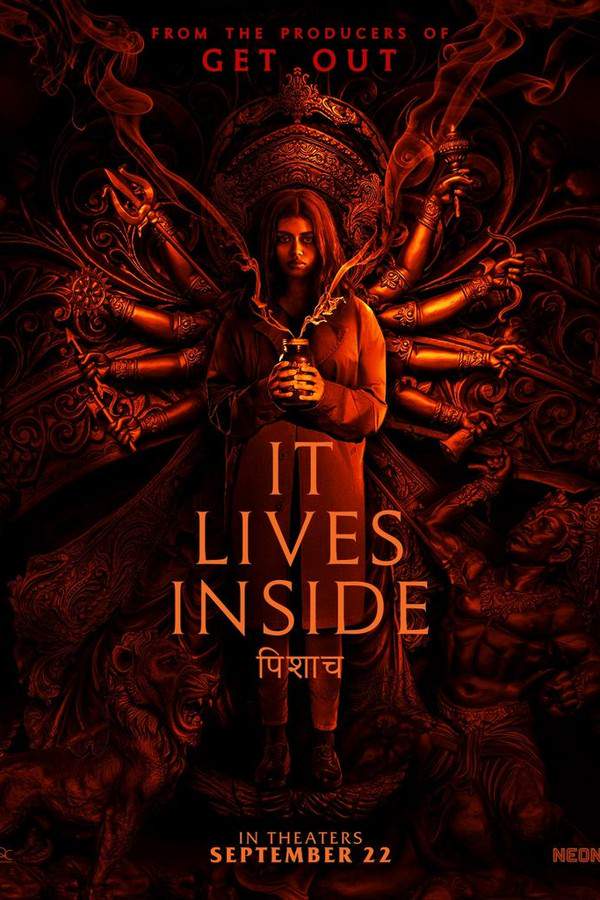
It Lives Inside (2018) movie poster

Ending Explained

It Lives Inside (2018) Ending Explained – Final Scene & Meaning

Release, runtime and language
2018 · 90 mins · English
Loading streaming availability…
Starring
Laurie Cummings, Rett Terrell, Jami Harris, Christian R. Black, Liam Rose, Alissa Rose Ford

A chronic sleepwalker discovers a mysterious book that warns of an impending demonic possession. As an ancient evil rises, he fights to protect his family and prevent it from consuming everything he holds dear. The film stars Rett Terrell, Alissa Rose Ford, Liam Rose, and others, and is directed by Jeff Hall.

On this page (7)
  1. 1 Where to watch
  2. 2 What happens at the end
  3. 3 Final events in order
  4. 4 Ending questions answered
  5. 5 Movie threads
  6. 6 Movies like It Lives Inside
  7. 7 Every angle
Loading streaming availability…

Ending explained · contains spoilers

What Happens at the End of It Lives Inside?

How It Lives Inside (2018) ends, what the final scene means, which earlier moments set it up and how to read the ending if the film leaves it open. The full ending explained, with every spoiler.

The conclusion of It Lives Inside sees Samidha making a desperate and selfless choice to save her best friend, Tamira. After a violent confrontation where her father is injured, Samidha realizes the true nature of the Pishach—a demonic entity from Hindu lore that feeds on negative energy and isolation. She deciphers Karan’s drawings and understands that the creature cannot simply be killed; it must be contained. In a moment of bravery, she allows the Pishach to enter her body, effectively becoming its vessel to ensure it harms no one else. This act is facilitated by her mother, Poorna, who marks Samidha’s hand with henna for protection, bridging the gap between Samidha's modern life and her cultural heritage.

A year later, the narrative shifts to a fragile state of normalcy. Samidha has survived, but the Pishach remains inside her, kept at bay by feeding it meat. While she assures Tamira that the creature will never escape, the final moments reveal a darker truth. Samidha sheds tears as her friend walks away, a subtle indicator that she is fighting a constant internal battle. The Pishach is a manipulative force that thrives on the host's mind, suggesting that Samidha’s struggle is far from over. She has traded physical safety for a mental prison, risking the slow erosion of her will as the entity continues to live within her thoughts.

This ending resonates deeply as a metaphor for the immigrant experience and the burden of isolation. Throughout the film, Samidha tries to distance herself from her Indian roots to fit in, while the Pishach represents the dark thoughts and depression that grow from feeling like an outsider. By accepting the Pishach, Samidha is forced to confront her heritage and her own darkness directly. She can no longer run from who she is or the negativity she feels; she must coexist with it. The creature’s presence inside her symbolizes the inescapable nature of one’s identity and the mental health struggles that often accompany the feeling of being "othered," leaving the audience with an open-ended and unsettling conclusion that suggests the war for her soul has only just begun.

Last updated: March 30, 2026 at 17:36

Was this helpful?

The last 4 events

How It Lives Inside Ends: The Final Events in Order

The last events of It Lives Inside (2018) in chronological order, the run-up to the ending explained above. The complete timeline has all 11 events, scene by scene.

Open the full timeline
  1. Encountering the supernatural entity

    Samidha experiences nightmares haunted by a mysterious entity. She confides in Joyce, who explains that the demon is a Pishach, feeding off negative energy and flesh. The entity begins to manifest more directly, terrorizing her and her friends.

    Where
    Nightmare scene and school
  2. Attempt to summon the Pishach

    Samidha and her family prepare traditional offerings to summon the Pishach, but the demon rejects the effort and attacks them, wounding Inesh and Poorna. Meanwhile, Joyce is attacked at the school, signifying the increasing threat of the demon.

    Where
    Family home and school
  3. Rescue and sacrifice

    Samidha locates Tamira in the Choudhary house. She realizes she must become the vessel for the Pishach to defeat it, allowing the demon to inhabit her body. This act of sacrifice is pivotal to stopping the malevolent force, though it leaves her permanently possessed.

    Where
    Choudhary house
  4. One year later

    A year after the confrontation, Samidha lives with her family and friends, who now know about the demon residing within her. She has learned to control the Pishach, maintaining a fragile balance between her human side and the demonic presence, ending the story on a bittersweet note.

    When
    One year later
    Where
    Family home

Ending questions answered

It Lives Inside Ending: Your Questions Answered

The questions people ask most about the ending of It Lives Inside (2018): what the final scene means, how the twist works, what happens to each character and how to read the ending. Each answer contains spoilers.

Q1

Why does Samidha allow the Pishach to enter her body?

Samidha makes the desperate choice to become the Pishach's vessel after realizing the creature cannot be killed, only contained. With her father injured and Tamira in immediate danger, she decides to sacrifice herself to save her best friend. Her mother Poorna helps by marking her hand with henna, which provides protection and connects her modern life to her cultural heritage.

Foreshadowing: Earlier drawings by Karan had shown that the Pishach must be contained rather than destroyed.

  • samidha possession
  • sacrifice
  • final act
  • demon vessel
Q2

What happens to Tamira in the ending?

Tamira survives the attack. One year later, she visits Samidha and they share a meal together. Samidha assures her that the creature will never escape, and Tamira appears to accept this new reality. However, Samidha cries as her friend walks away, revealing the hidden emotional toll of her situation.

Foreshadowing: The Pishach had been targeting Tamira throughout the film as its primary victim.

  • tamira survival
  • best friend
  • aftermath
Q3

Is Samidha still possessed at the end?

Yes, the Pishach remains inside Samidha one year after the confrontation. She keeps it contained by regularly feeding it meat, which appeases the demon. However, the final moments show her crying as Tamira leaves, suggesting the internal battle is ongoing and the Pishach's influence on her mind continues to grow.

Foreshadowing: The film establishes that the Pishach feeds on negative energy and manipulates the host's thoughts.

  • possessed
  • demon inside
  • still alive
Q4

What does the Pishach demon represent in the ending?

The Pishach represents the dark thoughts, depression, and isolation that grow from feeling like an outsider. For Samidha, who tried to distance herself from her Indian heritage to fit in, the demon embodies the negative feelings associated with being "othered." By accepting the Pishach, she can no longer run from her identity or her inner darkness.

Foreshadowing: Throughout the film, Samidha struggles with her cultural identity and feels disconnected from her heritage.

  • metaphor
  • immigrant experience
  • identity
  • mental health
Q5

Why does Samidha cry at the very end?

Samidha cries as Tamira walks away because she is fighting a constant internal battle against the Pishach. While she tells her friend that the creature will never escape, the tears reveal the heavy personal cost of her sacrifice. She has traded physical safety for a mental prison, and her struggle is far from over.

Foreshadowing: The Pishach is described as a manipulative force that thrives on the host's mind and slowly erodes their will.

  • crying
  • emotional ending
  • internal struggle
Q6

What is the significance of the henna in the ending?

The henna marking that Samidha's mother applies represents the connection between Samidha's modern life and her cultural heritage. It serves as a protective symbol during the possession ritual, bridging the gap she had tried to create between herself and her Indian roots throughout the film.

Foreshadowing: Samidha had been distancing herself from her cultural background earlier in the movie.

  • henna
  • cultural heritage
  • protection
  • indian roots
Q7

Is the ending of It Lives Inside happy or sad?

The ending is bittersweet. The immediate threat is contained and the main characters survive, but Samidha is permanently burdened by hosting the evil entity. She has won a victory over the demon but at a profound personal cost, she must live with the Pishach inside her, and the war for her soul has only just begun.

Foreshadowing: The film establishes early on that the Pishach feeds on isolation and negative energy.

  • bittersweet ending
  • emotional outcome
  • resolution
Q8

Will the Pishach escape from Samidha again?

The ending leaves this question ambiguous. Samidha tells Tamira that the creature will never escape, but her tears and the film's emphasis on the Pishach as a manipulative force suggest the struggle is ongoing. The demon thrives on the host's mind, implying it could potentially break free as it continues to erode Samidha's will.

Foreshadowing: Karan's drawings indicated the Pishach must be contained, not killed, implying containment is temporary.

  • escape
  • future threat
  • containment
Q9

What happens to Samidha's father in the ending?

Samidha's father is injured during the violent confrontation with the Pishach, but he survives. His injury becomes the catalyst that pushes Samidha to make the desperate choice to contain the demon inside herself. The ending does not specify his condition one year later.

Foreshadowing: The father's injury directly leads to Samidha's decision to sacrifice herself.

  • father injury
  • family
  • aftermath
Q10

What does the title It Lives Inside mean in context of the ending?

The title refers to the Pishach living inside Samidha after she becomes its vessel. It also carries deeper meaning, the demon represents the internal struggle with identity, cultural heritage, and mental health issues that cannot be escaped. The title reflects the film's metaphor that darkness can live inside anyone, and one must learn to coexist with their inner struggles.

Foreshadowing: The Pishach is established as a demon that feeds on negative energy and isolation.

  • title meaning
  • symbolism
  • inner struggle

Movie threads

More Movies Like It Lives Inside, by Mood & Story

Curated lists built around what makes It Lives Inside tick: the same mood, the same kind of story or the same emotional payoff. Each list explains why these movies belong together.

Supernatural horror with high personal stakes like It Lives Inside

Stories where defeating a supernatural evil comes at a devastating personal price. Explore movies like 'It Lives Inside' where characters confront ancient evils or demonic forces. These films blend intense supernatural horror with deep emotional consequences, resulting in stories where survival comes with a bittersweet or heavy cost. If you appreciated the sacrificial themes and high stakes of 'It Lives Inside', you'll find similar impactful horror here.

  • dreadful
  • desperate
  • somber
  • sacrificial
  • oppressive
  • fearful
  • Tone: dark, oppressive
  • Pacing: variable, building to frantic climax
Why these movies?

The story pattern: Narratives in this thread typically follow a character or group who must research and confront a supernatural entity. The conflict escalates to a climactic confrontation, but the resolution involves a profound sacrifice—such as a character's sanity, innocence, or future—ensuring the evil is contained but not without leaving the protagonists forever changed and carrying the weight of their victory.

Why they belong together: Movies are grouped here because they share a core structure of high-stakes supernatural conflict paired with an emotionally heavy, often bittersweet, conclusion. They mix intense horror sequences with a focus on the lasting psychological and emotional damage inflicted on the survivors, creating a cohesive experience of dread, sacrifice, and sobering resolution.


Horror movies with a slow burn pace like It Lives Inside

Atmospheric unease that gradually builds into explosive, relentless fear. Discover horror films similar to 'It Lives Inside' that start with a creeping sense of dread before accelerating into pure terror. These movies are for viewers who enjoy a tense, atmospheric build-up that pays off with intense, chaotic scares. If you liked the variable pacing and escalating fear in 'It Lives Inside', this thread is for you.

  • anxious
  • claustrophobic
  • oppressive
  • frantic
  • dreadful
  • desperate
  • Tone: tense, anxious
  • Pacing: variable, slow burn to fast
Why these movies?

The story pattern: The narrative pattern involves a gradual introduction to a mysterious threat or unsettling phenomenon. The first half is often investigative or character-focused, layering on psychological tension and a sense of impending doom. The second half shifts gears dramatically, transitioning into a survival horror scenario with rapid, intense sequences where characters are actively hunted or fighting for their lives.

Why they belong together: These movies are grouped by their distinctive pacing structure, which creates a unique viewing rhythm. The shared experience is one of being lured into a state of heightened anxiety through slow-building atmosphere, only to be thrown into a whirlwind of chaos and fear, making the payoff feel especially potent and exhausting.

If you liked this

Movies Like It Lives Inside

Similar movies to It Lives Inside: the same genre, themes or kind of story. Each one comes with its own plot summary, timeline and ending explained.

Browse all movie summaries

Every angle

It Lives Inside (2018) Explained: Plot, Ending, Timeline & Characters

Everything about It Lives Inside in one place: what happens in the plot summary, the timeline in chronological order, the characters and meaning, the ending explained and a spoiler-free summary. What's After the Movie adds the cast, box office and post-credit scenes.

Coming soon on iOS and Android

The Plot Explained Movie Summary App

Plot summaries, endings explained and timelines on your phone. Catch up on any movie in minutes, save your favorites and never miss a twist again.

Be the first to know when we launch. Your email stays private, always.

Learn more about the app