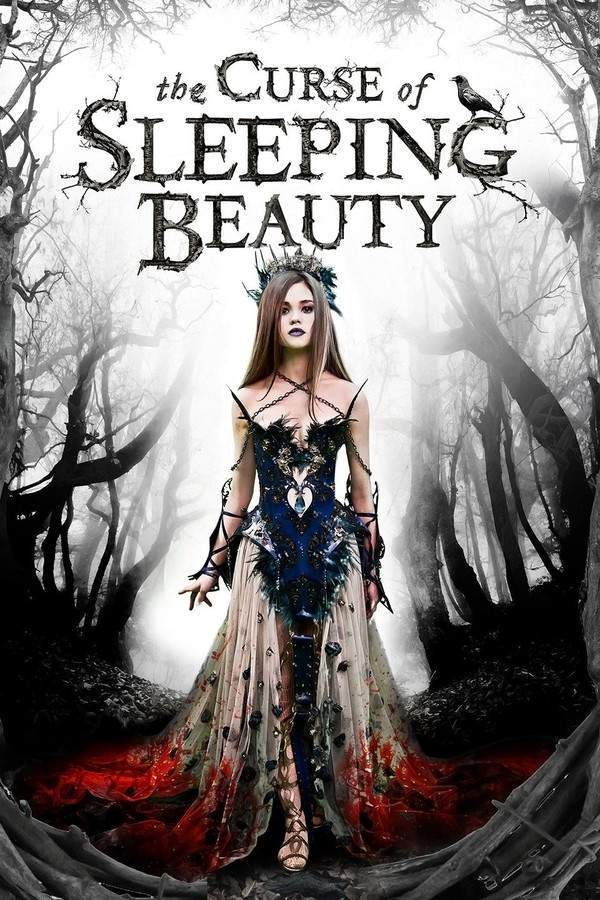
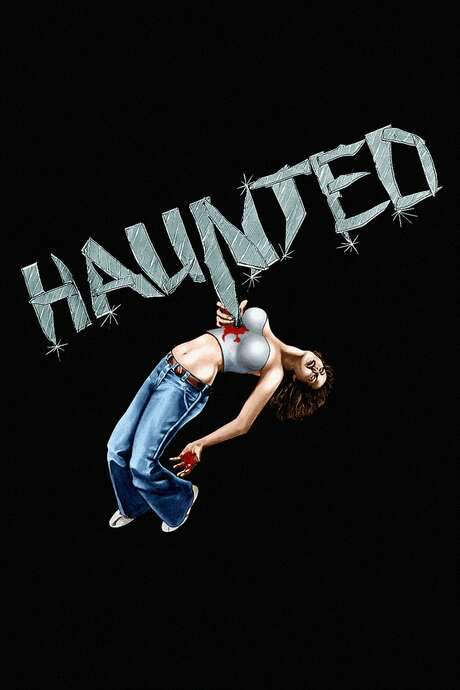
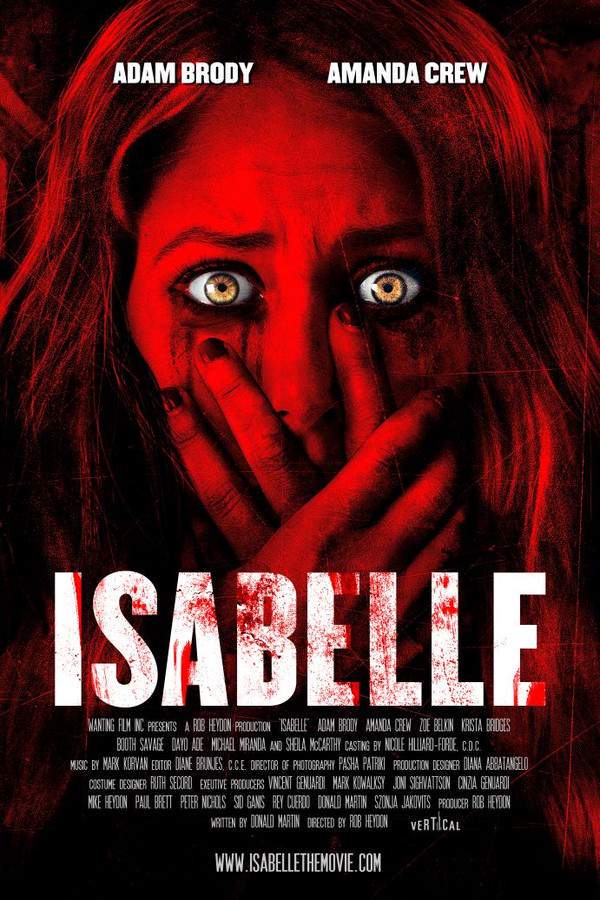
The film centers on Tara, a teenage girl who believes that her family is the target of a horrific curse that began with their ancestor, the notorious Lizzie Borden. Nightmares, murderous impulses, and visions of Lizzie herself haunt Tara, urging her toward acts she dreads but cannot fully resist. In the face of this frightening burden, Tara finds a small, steady comfort in a hobby that keeps her grounded: redesigning vintage clothing. Her mother Emily quietly helps by selling the reimagined pieces online, allowing Tara to channel her fear into something creative and tangible.
As tragedy strikes a wave through their town, several townspeople are found murdered, and the police quickly turn their attention to Tara. The pattern is chilling: all the victims had issues with her, and the killer was seen wearing one of Tara’s dresses. The fear that Tara might be the killer spreads through the community, and the weight of suspicion presses down on her shoulders, testing her trust in those around her.
Seeking guidance and answers, Tara visits her aunt Diane, who has been institutionalized after the murder of her infant child. Diane’s unsettling claim—that Emily may have experienced the same curse—adds a new layer of doubt and danger, suggesting that the danger could be closer to home than Tara realized. The notion that her own mother could be a suspected murderer unsettles Tara even further and plants seeds of confusion about who to believe.
Driven by a mix of fear and determination, Tara and her boyfriend Carl head to the Borden House in search of clarity. Inside, Tara discovers a surprising detail: Lizzie Borden was described as an excellent seamstress, which makes the idea that dresses could be a trigger feel even more plausible. This revelation deepens Tara’s resolve to understand the link between fabric, fashion, and fate. In a decisive move, she sends Suzy to her house to fetch some dresses, hoping to uncover a hidden connection that could explain the murders.
When Suzy fails to return and calls go unanswered, Tara and Carl race back to her home, only to learn that Diane has escaped from the institution. The truth that unfolds is harsher than Tara anticipated: Emily, her mother, is revealed to be the true killer, and she had previously killed Diane’s baby, believing incest between Diane and their father. In a fever of rage, Emily aligns herself with the legend of Lizzie Borden, convinced that Lizzie’s alleged acts justify her own violent choices. The math of fear becomes personal, and Emily’s madness intensifies.
The confrontation reaches a brutal peak as Emily turns on Tara, trying to slaughter her in the name of a feverish, inherited fury. Yet the police intervene, shooting Emily down just as Tara’s brother Caleb, who had wisely called for help, arrives to avert a complete catastrophe. The immediate crisis ends in a cloudy calm, but the chilling realization lingers: the legacy of the curse has not dissipated.
In the closing moments, the film hints at an unsettling continuation of the cycle. One of Tara’s brothers speaks with the spirit of Lizzie Borden, suggesting that the haunting is far from over and that Tara’s family may remain caught in a web of curse-driven violence. The final image leaves viewers unsettled, underscoring the movie’s core tension: whether history’s shadows can truly be escaped when the past bleeds into the present through fear, violence, and the fragile ties of family.