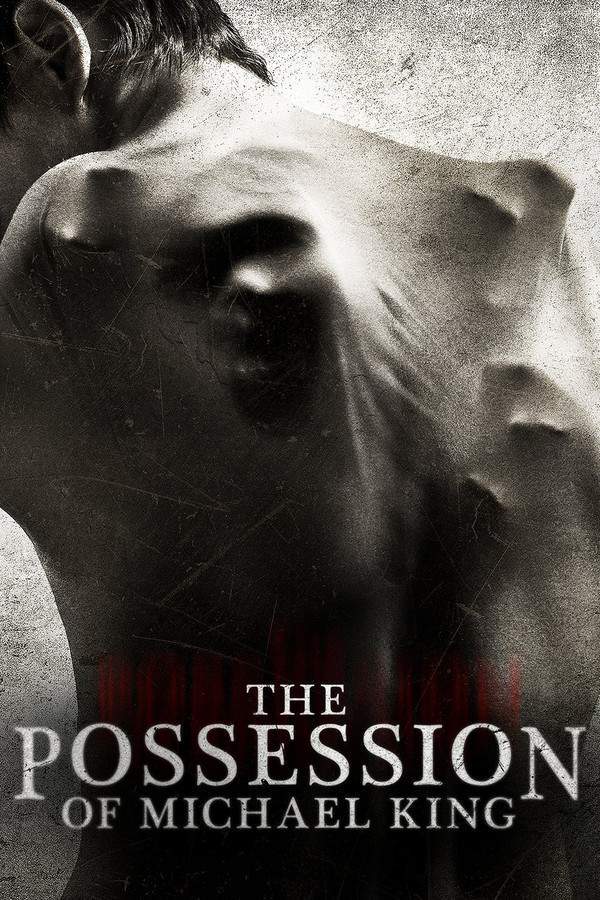
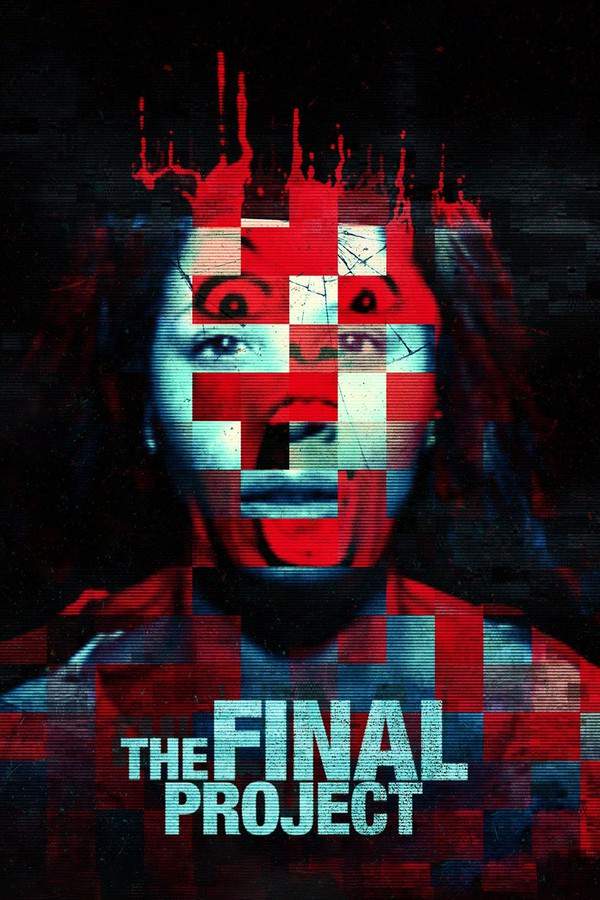
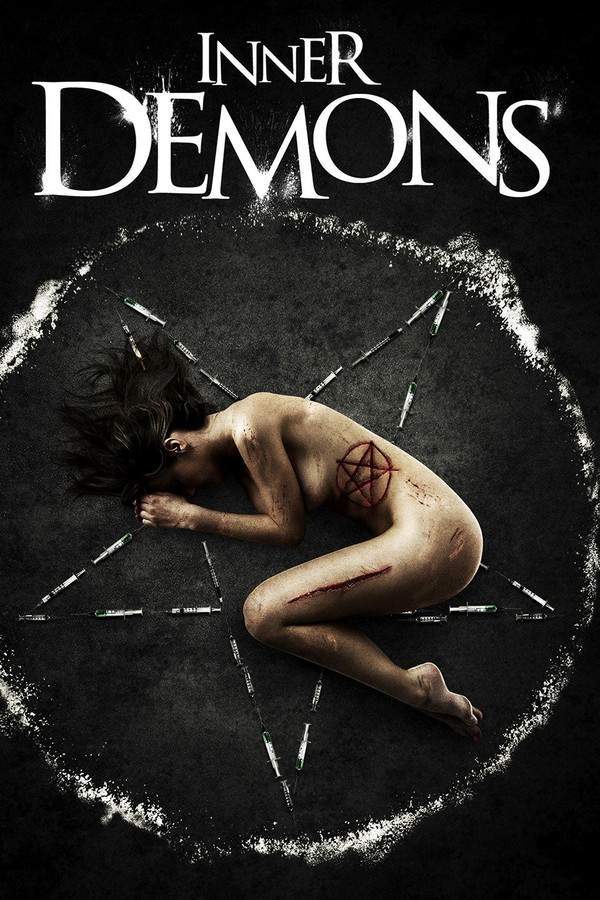
Carson Morris, once a top student at a prestigious Catholic high school, has spent the past year slipping into drug use. She agrees, albeit reluctantly, to let a film crew accompany her as she checks into a rehab clinic for a documentary-style intervention. From the outset, the atmosphere is uneasy: Carson becomes a target of ridicule among fellow patients, who view her belief that she is demonically possessed as a sign of weakness or attention-seeking. A sympathetic production assistant named Jason forms a quiet bond with her, and as her behavior grows increasingly erratic, he begins to believe there might be more to her story than a simple addiction. The crew captures eerie, unexplainable moments of behavior when Carson is alone, moments that feel almost supernatural but never fully prove they are real. The group weighs the idea of bringing in an exorcist, yet the clinic’s physician, Dean Pretiss, worries that such an approach could do more harm than good to Carson’s mental health.
When Carson attacks Jason, Suzanne, the show’s producer, pushes for an exorcist, while Pretiss argues for continuing medical treatment and even suggests transferring Carson to a mental institution to ensure her safety and care. The tension between belief and science grows as the documentary crew films the mounting conflict within the clinic.
The next day, Pretiss performs another examination and uncovers a shocking revelation: Jason had given Carson heroin while she was unconscious, a move he believes will blunt the demonic influence—an act that changes everything for Carson’s treatment. As a result, Carson is expelled from the clinic and her family withdraws their consent to be filmed, leaving the crew to reassess their approach and the truth of Carson’s experiences.
Undeterred, Jason persists, following Carson to her home and pushing to stay connected with her family. He is repeatedly turned away by her parents, who fear for her safety and well-being. Through his investigation into Carson’s circle of friends, Jason discovers that she was being bullied at her new school by a small group of peers who orchestrated a cruel prank that involved forcing her to participate in a Satanic ritual—an incident that appears to have precipitated the possession she describes.
With the house in view and the crew backing him, Jason returns to the Morris family home and breaks in, demanding to see Carson. The parents initially resist, but fear rises as Carson’s screams echo from upstairs. In a desperate moment, Jason attempts to perform an exorcism himself, but the effort fails, and the demon plunges the house into darkness as the power goes out. Carson becomes fully possessed and begins to pick off the occupants one by one, including her mother, who tearfully admits that Carson has been the victim of physical abuse.
Jason, clinging to a sliver of hope, pleads with Carson as a last-ditch effort to reach her. For a moment it seems he might succeed, but the twist comes swiftly when Carson’s father enters the room, shoots Carson in the head, and then kills himself, convinced that she remains possessed. Suzanne is then murdered by Jason, who switches off the camera, leaving the room silent except for the shock of what has unfolded. The final reveal comes in a stark, unsettling close: Jason’s eyes are now pure black—mirroring the earlier state of Carson’s eyes—hinting at a depth of possession and control that eclipses the human world and lingers beyond the screen. The documentary ends with an eerie stillness, casting doubt on what was real, what was staged, and what finally happened to the people caught in this terrifying sequence.