Plot Explained Spoilers guaranteed!
Plot Explained

Browse by genre

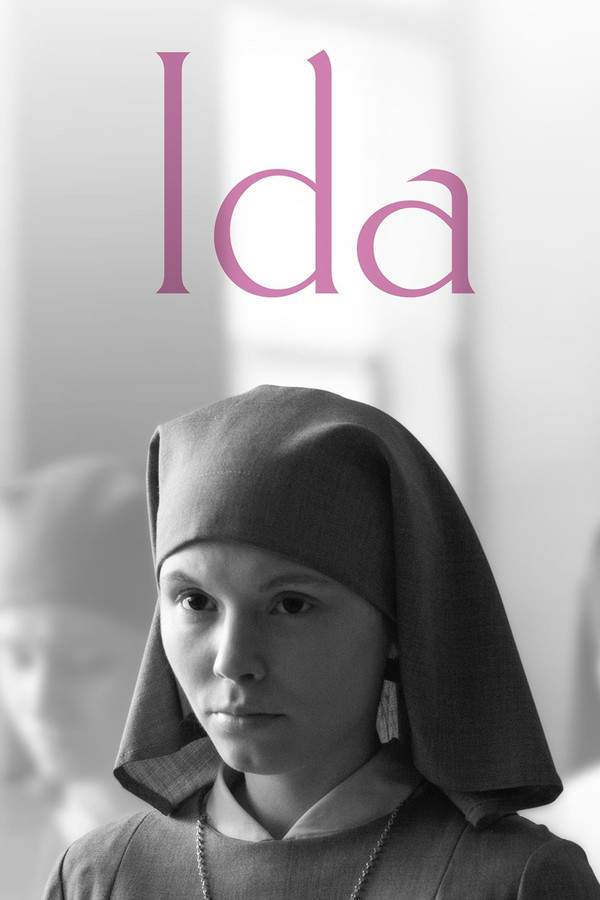
Ida (2014) movie poster

Timeline

Ida (2014) Timeline Explained – Every Event in Order

Release, runtime and language
2014 · 82 min · Polish
Loading streaming availability…
Directed by
Pawel Pawlikowski
Starring
Agata Kulesza, Agata Trzebuchowska, Dawid Ogrodnik, Jerzy Trela

In 1962 Poland, Anna is about to become a nun when a family secret dramatically alters her plans. She learns that her real name is Ida, and that she is Jewish. To uncover the truth of her origins, she embarks on a journey with her cynical and troubled aunt, confronting the complexities of their family history and the lingering shadows of the Holocaust, ultimately forcing them to examine their identities and their place in a changing world.

On this page (6)
  1. 1 Where to watch
  2. 2 Events in order (15)
  3. 3 Timeline questions answered
  4. 4 Movie threads
  5. 5 Movies like Ida
  6. 6 Every angle
Loading streaming availability…

15 events in order · contains spoilers

Ida Timeline: Events in Chronological Order

Every key event of Ida (2014) in order, scene by scene, with when and where it takes place. Use it to untangle flashbacks, time jumps and parallel storylines, to refresh your memory before the sequel or to find the exact scene you are thinking of.

  1. Nuns Gather at the Convent

    The movie opens circa 1962 with three novice nuns gathered around a Christ statue outside a snow-covered convent. This scene illustrates their friendship and the serene yet isolated life they lead within the convent's walls.

    When
    1962
    Where
    Convent
  2. Anna Receives News of Her Aunt

    Mother Superior calls Anna in to inform her that her aunt, Wanda, has requested her presence for a visit. Surprised by this news, Anna hesitates but, under the insistence of the Mother Superior, prepares to leave the convent for the first time in years.

    Where
    Convent
  3. Journey to Meet Aunt Wanda

    Anna travels by public transportation to the city, making a brief stop at another family's home. This marks her transition from the cloistered life of the convent to the bustling environment of the city as she approaches meeting her aunt.

    Where
    City
  4. Revelation of Anna's Heritage

    Meeting her aunt Wanda in her luxurious apartment, Anna learns shocking family secrets. Wanda reveals that Anna, a Catholic novice, is actually Jewish and her birth name is Ida; this alters Anna’s entire understanding of her identity.

    Where
    Wanda's Apartment
  5. Search for Family's Graves

    Driven by a desire to connect with her roots, Anna insists on finding the bodies of her parents who were killed during the war, despite Wanda's reluctance. This sparks a journey across Poland that reflects on past traumas and losses.

    Where
    Various Locations
  6. Visit to the Family Home

    Arriving at her family home, Anna and Wanda find that it is now occupied by another family. The young wife is unhelpful, denying any knowledge about Anna's past, leaving Anna feeling hopeless as she grapples with what remnants of her family remain.

    Where
    Family Home
  7. Clashing with the Homeowner

    As Wanda interrogates the hostile husband of the new family, tensions rise. Anna, feeling abandoned, wanders outside and is drawn to a barn where she notices a stained glass window, harkening back to her mother's artistic talents.

    Where
    Barn
  8. Confrontation in the Woods

    With the reluctant help of the homeowner, Anna and Wanda venture into the woods where the father of the former occupants might be hiding. Amid confusion, the truth begins to unravel as Anna realizes the real horrors faced by her family.

    Where
    Woods
  9. Uncovering the Past

    In a grim revelation, the homeowner admits to killing Anna's parents and their son, revealing the darkness of his past. This crucial moment uncovers the intertwined fates of Anna, Wanda, and their painful history.

    Where
    Forest
  10. Reburial of the Remains

    After discovering the bones of her parents, Anna collects them with Wanda to give them a proper burial. This act serves as a cathartic moment for both women as they confront their shared grief.

    Where
    Family Plot
  11. Anna's Final Vow Preparations

    Returning to the convent, Anna prepares for her vows but struggles with the implications of her newly uncovered identity. This conflict emerges as she experiences carnal desires for the first time, contrasting the life she’s known.

    Where
    Convent
  12. Aunt Wanda's Tragic End

    While leading a seemingly normal life, Wanda unexpectedly falls to her death after an intense morning routine. Her demise illustrates the fragility of life and the impact of unresolved trauma that haunted her character.

    Where
    Wanda's Apartment
  13. The Funeral and Aftermath

    At Wanda's funeral, Anna confronts her aunt's absence and her own disconnection from both her past and her present. As she explores Wanda's apartment alone, the weight of her choices begins to settle on her.

    Where
    City
  14. Reclaiming Identity

    Experimenting with alcohol and new outfits from Wanda’s closet, Anna embraces a more liberated identity. Her encounter with the sax player reflects her desire to step into a life she has never imagined before.

    Where
    City
  15. Returning to the Convent

    In a heart-wrenching decision, Anna puts her veil back on and departs with her suitcase for the convent. This final scene encapsulates her internal struggle as she chooses the path of her former life despite newfound freedom.

    Where
    Unknown Road

Last updated: May 12, 2025 at 07:04

Was this helpful?

Timeline questions answered

Ida Timeline Explained: Your Questions Answered

When does it happen, and why in that order? The questions people ask about the chronology of Ida (2014): time jumps, flashbacks, cause and effect between scenes and the correct order of events, each answered with spoilers.

Q1

Why did Wanda want to see Anna after all these years?

Wanda requested to see Anna because she was dying and wanted to reveal the family secret before it was too late. As Anna's aunt and the only living relative who knew the truth, Wanda felt obligated to tell her that she was Jewish and born as Ida. This revelation was urgent for Wanda, as she struggled with alcoholism and knew her time was limited.

Foreshadowing: Earlier in the film, Mother Superior mentions that Wanda has been requesting Anna's visit for some time, hinting at her urgency.

  • wanda
  • anna
  • family secret
  • identity
  • jewish
Q2

How did Anna's parents die during the war?

Anna's parents were murdered by the man who sheltered them during the Holocaust. After hiding the family in his house, he killed them to steal their valuables. He also killed Wanda's young son during the same incident. The family was buried in the woods, and the killer later occupied their house.

Foreshadowing: The timeline shows that the search for parents' graves leads to a forest where the truth is uncovered.

  • parents death
  • holocaust
  • murder
  • woods
  • buried
Q3

Who killed Anna's parents and Wanda's son?

The same man who sheltered Anna's family during the war killed both her parents and Wanda's son. He was the husband of the family living in Anna's childhood home when she and Wanda returned to search for the graves. He confessed to killing them for money and valuables, revealing this dark secret during the confrontation in the woods.

Foreshadowing: The hostile homeowner shows early suspicion when questioned about the previous owners, and he offers to reveal the burial site only if Anna signs over the house rights.

  • murderer
  • homeowner
  • wanda son
  • confession
  • killed
Q4

Why did Wanda fall to her death?

Wanda's death appears to be a suicide rather than an accident. After a lifetime of cynicism, alcoholism, and the emotional toll of uncovering her family's traumatic past, Wanda walked to the ledge of her apartment window and fell. The film presents this as a deliberate act, as she had been struggling with unresolved trauma and had no will to continue living after revealing the truth to Anna.

Foreshadowing: Wanda's heavy drinking, cynical worldview, and distant demeanor throughout the journey hint at her deep psychological distress.

  • wanda death
  • suicide
  • alcoholism
  • trauma
  • fall
Q5

What was the significance of the stained glass window in the barn?

The stained glass window in the barn was created by Anna's mother, who was an artist. When Anna discovered it during her visit to the family home, it served as a tangible connection to her biological mother, whom she never knew. The window, which even depicted cows, represented her mother's artistic talent and became a emotional reminder of her Jewish heritage and the life she was born into.

Foreshadowing: Wanda earlier mentions that Anna's red hair came from her artistic mother who made stained glass windows, foreshadowing this discovery.

  • stained glass
  • mother
  • art
  • jewish heritage
  • barn
Q6

Why did Anna return to the convent after experiencing freedom?

After Wanda's death, Anna briefly explored her newfound freedom by drinking, smoking, and having a passionate encounter with a saxophone player. However, she ultimately chose to return to the convent and her religious life. This decision reflects her deep-rooted identity and faith, as well as her struggle to reconcile her Jewish heritage with the Catholic upbringing she has known. The ending remains ambiguous, leaving viewers to interpret whether she truly found peace in her choice or if she simply returned from lack of other options.

Foreshadowing: Throughout the film, Anna repeatedly stops at roadside shrines to pray, showing her unwavering connection to faith even during her journey.

  • anna return
  • convent
  • faith
  • identity
  • choice
Q7

Why did Anna decide not to stay with the saxophone player?

Despite her passionate encounter with the sax player and his proposition of a domestic life together, Anna chose not to stay with him. This decision reflects her internal conflict between her newly discovered identity and her lifelong devotion to God. She may have felt that worldly desires were incompatible with her calling, or that she was not ready to abandon the only identity she has ever known. The morning after their night together, she puts her veil back on and leaves, returning to the convent.

Foreshadowing: At the party earlier in the film, Anna declines to join the festivities, showing her struggle between her sheltered life and innate desires.

  • sax player
  • anna
  • freedom
  • choice
  • passion
Q8

What was the relationship between Wanda and the man who killed her family?

Wanda's son was killed by the same man who murdered Anna's parents during the Holocaust. When Wanda confronts this man in the woods, she learns that he was the one who killed her child. This revelation adds another layer of tragedy to Wanda's character, explaining her bitterness, alcoholism, and ultimate despair. The killer was the father of the family currently living in Anna's childhood home.

Foreshadowing: Wanda's intense interrogation of the homeowner and her willingness to travel with Anna suggest she had suspicions about the family.

  • wanda son
  • killer
  • family
  • killed
  • holocaust
Q9

Why was Anna actually named Ida?

Anna's real name was Ida, not Anna. She was born Jewish and was given the name Ida by her parents. During the Holocaust, her parents were killed and she was left as an orphan. She was raised in a convent and given the name Anna, completely unaware of her Jewish heritage. Her aunt Wanda revealed this family secret, explaining that Ida was her birth name and that she came from a Jewish family.

Foreshadowing: The Mother Superior calls her Anna throughout the film, but Wanda consistently addresses her with deeper meaning.

  • ida
  • name
  • jewish
  • birth name
  • convent
Q10

Why was Wanda so cynical compared to Anna's piety?

Wanda's cynicism stemmed from her traumatic past and personal losses. She lost her son during the Holocaust and spent years as a hardened judge dealing with difficult cases. Her alcoholism and bitter demeanor were coping mechanisms for the unresolved grief and guilt she carried. In contrast, Anna grew up sheltered in the convent, unaware of her family history, allowing her to maintain a pure faith. Their contrasting worldviews clash throughout the journey, representing faith versus skepticism, innocence versus experience.

Foreshadowing: Wanda's cynical remarks about virtue and sacrifice during their hotel room conversation reveal her disillusionment with life.

  • wanda
  • cynicism
  • faith
  • trauma
  • alcoholism

Movie threads

More Movies Like Ida, by Mood & Story

Curated lists built around what makes Ida tick: the same mood, the same kind of story or the same emotional payoff. Each list explains why these movies belong together.

Movies about identity and confronting the past like Ida

Introspective pilgrimages where characters confront family secrets and redefine themselves. If you were moved by how Ida grapples with her heritage, discover more films where characters embark on quiet journeys to uncover family secrets and confront historical trauma. These movies explore similar themes of identity crisis, generational wounds, and the search for truth with a melancholic, introspective mood.

  • introspective
  • melancholic
  • somber
  • poignant
  • atmospheric
  • quiet
  • Tone: melancholic, introspective, somber
  • Pacing: slow, deliberate, contemplative
Why these movies?

The story pattern: The narrative pattern involves a protagonist, often at a life crossroads, who learns a fundamental truth about their origins. This catalyst sends them on a journey, typically accompanied by a contrasting figure, to physically and emotionally piece together the past. The story unfolds slowly, focusing on internal conflict and the weight of history rather than fast-paced action, leading to a redefinition of the self.

Why they belong together: These films are grouped by their shared focus on a deeply personal, often somber quest for truth. They prioritize mood and theme over plot, using a slow, atmospheric pace to let the emotional weight of uncovering the past resonate. The experience is defined by a melancholic tone, heavy emotional weight, and a central theme of reconciling identity with newfound knowledge.

Atmospheric and melancholic dramas with a similar mood to Ida

Slow-burn dramas where visual poetry underscores a heavy emotional journey. If you appreciated the quiet, visual poetry and somber mood of Ida, explore more films that use a slow pace and stark atmosphere to delve into heavy themes. These emotionally resonant character studies share a similar feeling of melancholy, introspection, and a focus on existential questions against a backdrop of beautiful, often bleak, imagery.

  • atmospheric
  • melancholic
  • somber
  • quiet
  • poignant
  • introspective
  • Tone: melancholic, poignant, somber
  • Pacing: very slow, atmospheric, lingering
Why these movies?

The story pattern: The narrative is often simple and linear, serving as a vessel for deep character exploration. The plot unfolds gradually, prioritizing long, quiet shots and a powerful sense of place to create an immersive mood. The central conflict is internal—a character grappling with grief, faith, or existential doubt—making the emotional journey the primary focus.

Why they belong together: Movies in this thread are connected by their overwhelming emphasis on creating a specific, somber vibe. The similarity lies in the viewing experience itself: it's slow, visually arresting, and emotionally heavy. They share a melancholic tone, a deliberate pace that allows the atmosphere to breathe, and a focus on the interior life of characters facing profound dilemmas.

If you liked this

Movies Like Ida

Similar movies to Ida: the same genre, themes or kind of story. Each one comes with its own plot summary, timeline and ending explained.

Browse all movie summaries

Every angle

Ida (2014) Explained: Plot, Timeline & Characters

Everything about Ida in one place: what happens in the plot summary, the timeline in chronological order, the characters and meaning and a spoiler-free summary. What's After the Movie adds the cast, box office and post-credit scenes.

Coming soon on iOS and Android

The Plot Explained Movie Summary App

Plot summaries, endings explained and timelines on your phone. Catch up on any movie in minutes, save your favorites and never miss a twist again.

Be the first to know when we launch. Your email stays private, always.

Learn more about the app