Plot Explained Spoilers guaranteed!
Plot Explained

Browse by genre

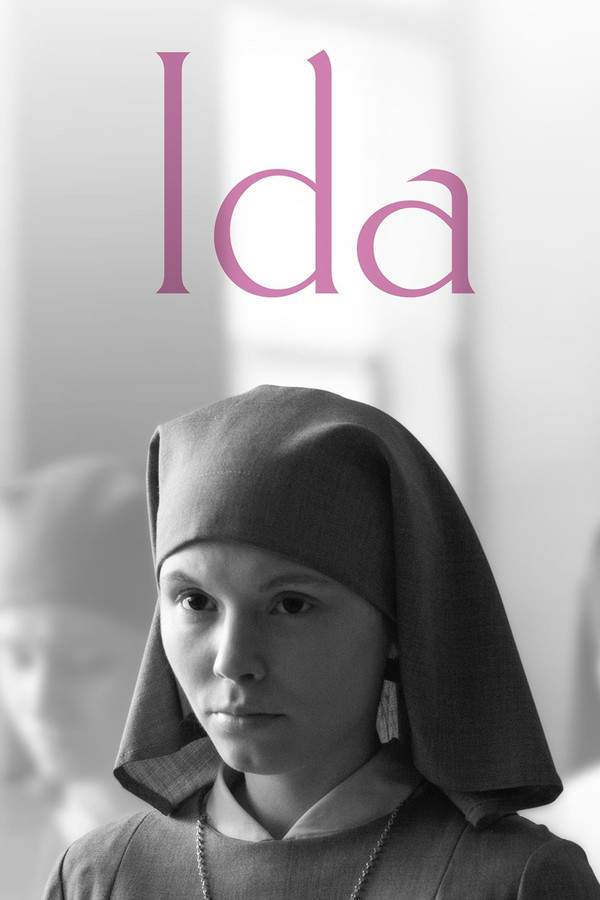
Ida (2014) movie poster

Characters & Themes

Ida (2014) Characters, Setting & Themes Explained

Release, runtime and language
2014 · 82 min · Polish
Loading streaming availability…
Directed by
Pawel Pawlikowski
Starring
Agata Kulesza, Agata Trzebuchowska, Dawid Ogrodnik, Jerzy Trela

In 1962 Poland, Anna is about to become a nun when a family secret dramatically alters her plans. She learns that her real name is Ida, and that she is Jewish. To uncover the truth of her origins, she embarks on a journey with her cynical and troubled aunt, confronting the complexities of their family history and the lingering shadows of the Holocaust, ultimately forcing them to examine their identities and their place in a changing world.

On this page (8)
  1. 1 Where to watch
  2. 2 Characters explained (3)
  3. 3 Where & when it takes place
  4. 4 Themes & meaning (3)
  5. 5 Character & meaning questions
  6. 6 Movie threads
  7. 7 Movies like Ida
  8. 8 Every angle
Loading streaming availability…

3 main characters · contains spoilers

Ida Characters Explained: Who Is Who

The main characters of Ida (2014), heroes and villains: what drives them, how they change over the course of the story and what each of them reveals about the film's bigger ideas.

  • Anna (Ida) - Agata Trzebuchowska

    Anna, also known as Ida, is a young nun on the verge of taking her final vows. Raised in a convent, she represents innocence and devotion but embarks on a life-altering journey of self-discovery. As she learns about her Jewish roots and confronts her family's dark past, Anna experiences a profound internal conflict between her religious commitments and her desire for personal fulfillment.

    • 👩‍🦰 Identity
    • 🙏 Faith
    • 💔 Loss
  • Wanda - Agata Kulesza

    Wanda is Anna's estranged aunt, a stern judge with a troubled past. Her character is marked by her alcoholism and cynicism, contrasting sharply with Anna's innocence. As they journey together, Wanda serves as a catalyst for Anna's awakening to her heritage, while also grappling with her own regrets and choices in life.

    • 👩‍⚖️ Complexity
    • 🍷 Conflict
    • 🚬 Regret
  • Hitchhiker/Sax Player - Unknown

    The hitchhiker and sax player represents the allure of a life full of experiences and choices outside the convent. His casual attitude towards life and relationships offers Anna a glimpse of a different world, challenging her views on independence and intimacy. His character serves as a symbol of potential love and adventure, contrasting with her repressive upbringing.

    • 🎷 Adventure
    • ❤️ Romance

Last updated: May 04, 2025 at 18:47

Was this helpful?

Setting

Where and When Does Ida Take Place?

The setting of Ida (2014): the year and time period, the places and locations, and how they shape the characters, the mood and the tension of the story.

Time period

1962

Set in the early 1960s, the film explores the aftermath of World War II and its lingering effects on Polish society. This period is characterized by a deep reflection on personal identities and cultural roots amid the backdrop of a recovering nation. The characters navigate their past traumas while facing the complexities of faith, family, and existential choices.

Location

Poland, Convent, Town, Family Home

The movie predominantly takes place in Poland during a snowy winter. Key locations include a convent where Anna (Ida) begins her journey, a family home that holds dark secrets of her past, and various towns along the way. The stark contrast between the cold, isolated convent and the vibrancy of the town reflects Anna's internal struggle between her religious vows and her desire to connect with her lost heritage.

  • 🏰 Setting
  • 🌲 Forest
  • 🏡 Home

Last updated: May 04, 2025 at 18:47

Was this helpful?

3 major themes

Ida Meaning: Themes & Message Explained

What is Ida (2014) really about? The emotional, social and philosophical themes the film keeps returning to, its symbolism and the message beneath the surface.

  • Identity

    The theme of identity is central to Anna's journey as she discovers her Jewish heritage and struggles with her Catholic upbringing. Her internal conflict highlights the search for self in a society marked by trauma and loss. The film poignantly captures how personal history shapes one's identity and the journey of self-discovery amidst cultural expectations.

  • Loss

    Loss permeates the narrative, as Anna grapples with the deaths of her parents and the familial bonds shattered by war. The film illustrates the emotional weight of grief and the impact of unresolved trauma on future generations. Through her journey, Anna seeks closure for her family's tragic past, highlighting the significance of remembrance in the healing process.

  • Faith vs. Desire

    The conflict between faith and personal desire is a recurring theme in Anna's story. As she prepares to take her final vows, she is torn between her spiritual commitments and a burgeoning sense of self and sexual desire. This struggle encapsulates the tension between religious obligations and the pursuit of a fulfilled life, leading to her ultimate decision at the film's conclusion.

Last updated: May 04, 2025 at 18:47

Was this helpful?

Character & theme questions

Ida Characters & Meaning: Your Questions Answered

The questions people ask about Ida (2014): who the characters really are, their relationships, what the symbols mean, where it takes place and what the movie is really about. Each answer contains spoilers.

Q1

Where is the movie Ida set?

Ida is set primarily in Poland during a snowy winter. The story unfolds across several key locations: a convent where the protagonist Anna begins her journey, a family home holding dark secrets, and various towns she travels through. The stark contrast between the cold, isolated convent and the vibrancy of the towns reflects Anna's internal struggle between her religious vows and her desire to connect with her lost heritage.

  • poland setting
  • convent
  • winter
  • locations
Q2

What year is Ida set in?

The film is set in 1962 Poland, during the early 1960s. This period is significant as it explores the aftermath of World War II and its lingering effects on Polish society. The characters navigate their past traumas while facing the complexities of faith, family, and existential choices in a nation still recovering from the war's devastation.

  • 1962
  • post-wwii
  • polish society
  • 1960s
Q3

What are the main themes in Ida?

Ida explores three core themes: Identity, as Anna discovers her Jewish heritage and struggles with her Catholic upbringing; Loss, as she grapples with her parents' deaths and the familial bonds shattered by war; and Faith vs. Desire, as she torn between her spiritual commitments and her growing sense of self and personal fulfillment. These themes interweave to create a meditation on self-discovery amid cultural expectations and historical trauma.

  • identity
  • loss
  • faith
  • desire
  • themes
  • self-discovery
Q4

Who is the main character Anna in Ida?

Anna (also known as Ida) is a young nun on the verge of taking her final vows who was raised in a convent. She represents innocence and devotion but embarks on a life-altering journey of self-discovery after learning about her Jewish roots and confronting her family's dark past. Her internal conflict centers on the tension between her religious commitments and her desire for personal fulfillment.

  • anna
  • ida
  • protagonist
  • nun
  • jewish heritage
Q5

Who is Wanda in Ida?

Wanda is Anna's estranged aunt, a stern judge with a troubled past. Her character is marked by alcoholism and cynicism, contrasting sharply with Anna's innocence. As they journey together, Wanda serves as a catalyst for Anna's awakening to her heritage while grappling with her own regrets and choices in life.

  • wanda
  • aunt
  • judge
  • alcoholic
  • cynical
Q6

What does the convent represent in Ida?

The convent represents a world of spiritual devotion, innocence, and separation from worldly concerns. It stands in stark contrast to the outside world of post-war Poland. The cold, isolated nature of the convent mirrors Anna's sheltered life and the restrictive nature of her religious vows, creating tension with her growing desire to explore her identity and heritage.

  • convent
  • faith
  • religious
  • isolation
  • nun vows
Q7

How does the Polish 1960s setting affect Ida's story?

The 1962 Polish setting is essential to the film's themes. Poland was still deeply affected by World War II and the Holocaust, with many families carrying unresolved trauma. The early 1960s represented a period of reflection on personal identities and cultural roots amid a recovering nation. This context shapes the characters' struggles with their past and their search for belonging in a changed world.

  • poland
  • 1960s
  • post-war
  • identity
  • trauma
  • recovering nation
Q8

What is the significance of the winter setting in Ida?

The snowy winter setting creates a cold, austere atmosphere that reflects the film's melancholic tone and themes of loss and isolation. The stark landscape mirrors Anna's internal struggle and the emotional weight of uncovering her family's traumatic past. The visual harshness also emphasizes the contrast between the convent's shelter and the harsh realities of the outside world she must confront.

  • winter
  • snow
  • symbolism
  • atmosphere
  • isolation
  • melancholy
Q9

How does the theme of faith versus desire play out in Ida?

The conflict between faith and personal desire is central to Anna's story. As she prepares to take her final vows, she is torn between spiritual commitments and a growing sense of self and sexual desire. The hitchhiker/sax player she encounters represents the allure of a life full of experiences outside the convent. This struggle between religious obligations and the pursuit of a fulfilled life leads to her ultimate decision at the film's conclusion.

  • faith
  • desire
  • convent
  • vows
  • religious
  • temptation
  • self-discovery
Q10

What role does the Holocaust play in Ida?

The Holocaust forms the backdrop of Anna's journey. Her discovery that she is Jewish and that her parents were killed during the war drives her quest to uncover the truth of her origins. The film explores how the lingering trauma of the Holocaust affects subsequent generations, with Anna seeking closure for her family's tragic past. The theme of remembrance and healing from generational trauma is woven throughout the narrative.

  • holocaust
  • jewish heritage
  • family secret
  • war trauma
  • historical
Q11

Who is the hitchhiker and sax player in Ida?

The hitchhiker and sax player represents the allure of a life full of experiences and choices outside the convent. His casual attitude towards life and relationships offers Anna a glimpse of a different world, challenging her views on independence and intimacy. His character serves as a symbol of potential love and adventure, contrasting with her repressive religious upbringing.

  • hitchhiker
  • sax player
  • freedom
  • adventure
  • temptation
  • outside world

Movie threads

More Movies Like Ida, by Mood & Story

Curated lists built around what makes Ida tick: the same mood, the same kind of story or the same emotional payoff. Each list explains why these movies belong together.

Movies about identity and confronting the past like Ida

Introspective pilgrimages where characters confront family secrets and redefine themselves. If you were moved by how Ida grapples with her heritage, discover more films where characters embark on quiet journeys to uncover family secrets and confront historical trauma. These movies explore similar themes of identity crisis, generational wounds, and the search for truth with a melancholic, introspective mood.

  • introspective
  • melancholic
  • somber
  • poignant
  • atmospheric
  • quiet
  • Tone: melancholic, introspective, somber
  • Pacing: slow, deliberate, contemplative
Why these movies?

The story pattern: The narrative pattern involves a protagonist, often at a life crossroads, who learns a fundamental truth about their origins. This catalyst sends them on a journey, typically accompanied by a contrasting figure, to physically and emotionally piece together the past. The story unfolds slowly, focusing on internal conflict and the weight of history rather than fast-paced action, leading to a redefinition of the self.

Why they belong together: These films are grouped by their shared focus on a deeply personal, often somber quest for truth. They prioritize mood and theme over plot, using a slow, atmospheric pace to let the emotional weight of uncovering the past resonate. The experience is defined by a melancholic tone, heavy emotional weight, and a central theme of reconciling identity with newfound knowledge.

Atmospheric and melancholic dramas with a similar mood to Ida

Slow-burn dramas where visual poetry underscores a heavy emotional journey. If you appreciated the quiet, visual poetry and somber mood of Ida, explore more films that use a slow pace and stark atmosphere to delve into heavy themes. These emotionally resonant character studies share a similar feeling of melancholy, introspection, and a focus on existential questions against a backdrop of beautiful, often bleak, imagery.

  • atmospheric
  • melancholic
  • somber
  • quiet
  • poignant
  • introspective
  • Tone: melancholic, poignant, somber
  • Pacing: very slow, atmospheric, lingering
Why these movies?

The story pattern: The narrative is often simple and linear, serving as a vessel for deep character exploration. The plot unfolds gradually, prioritizing long, quiet shots and a powerful sense of place to create an immersive mood. The central conflict is internal—a character grappling with grief, faith, or existential doubt—making the emotional journey the primary focus.

Why they belong together: Movies in this thread are connected by their overwhelming emphasis on creating a specific, somber vibe. The similarity lies in the viewing experience itself: it's slow, visually arresting, and emotionally heavy. They share a melancholic tone, a deliberate pace that allows the atmosphere to breathe, and a focus on the interior life of characters facing profound dilemmas.

If you liked this

Movies Like Ida

Similar movies to Ida: the same genre, themes or kind of story. Each one comes with its own plot summary, timeline and ending explained.

Browse all movie summaries

Every angle

Ida (2014) Explained: Plot, Timeline & Characters

Everything about Ida in one place: what happens in the plot summary, the timeline in chronological order, the characters and meaning and a spoiler-free summary. What's After the Movie adds the cast, box office and post-credit scenes.

Coming soon on iOS and Android

The Plot Explained Movie Summary App

Plot summaries, endings explained and timelines on your phone. Catch up on any movie in minutes, save your favorites and never miss a twist again.

Be the first to know when we launch. Your email stays private, always.

Learn more about the app