Hospital of the Transfiguration

Hospital of the Transfiguration

Year: 1979

Runtime: 90 mins

Language: Polish

Director: Edward Żebrowski

WarDrama

Shortly after World II begins, a compassionate, idealistic young doctor takes a post at a psychiatric hospital. He quickly discovers that his humane ideas about treating patients clash with the entrenched staff attitudes and the harsh realities imposed by the German occupation, forcing him to confront profound moral and professional dilemmas.

Warning: spoilers below!

Haven’t seen Hospital of the Transfiguration yet? This summary contains major spoilers. Bookmark the page, watch the movie, and come back for the full breakdown. If you're ready, scroll on and relive the story!

Timeline & Setting – Hospital of the Transfiguration (1979)

Explore the full timeline and setting of Hospital of the Transfiguration (1979). Follow every major event in chronological order and see how the environment shapes the story, characters, and dramatic tension.

Time period

late 1939

The narrative unfolds in the late stages of 1939, as World War II escalates and Poland endures occupation. The hospital is slated for liquidation by the occupying power, turning staff and patients into targets of political violence. The period is defined by fear, clandestine resistance, and intense moral tests for medical professionals.

Location

Closed psychiatric hospital, Nazi-occupied Poland

The setting centers on a sealed psychiatric hospital that becomes a stage for moral conflict during the Nazi occupation. The institution houses patients and medical staff under the shadow of ideology and wartime brutality. Its corridors witness experiments, power struggles, and the looming threat of liquidation as German forces tighten control.

🏥 Hospital 🕰️ War era 🧠 Psychiatry

Last updated: October 04, 2025 at 14:48

Was this helpful?

Main Characters – Hospital of the Transfiguration (1979)

Meet the key characters of Hospital of the Transfiguration (1979), with detailed profiles, motivations, and roles in the plot. Understand their emotional journeys and what they reveal about the film’s deeper themes.

Stefan (Piotr Dejmek)

A young doctor with humanitarian principles who arrives at the closed psychiatric hospital and confronts rigid, often brutal medical politics. He advocates patient welfare but is pulled between empathy and the harsh pragmatism of his colleagues. Over time, his idealism is tempered by the brutal realities of wartime medicine and institutional inertia.

🩺 Doctor 💡 Idealist 🧭 Moral conflict

Dr. Nosilewska (Ewa Dałkowska)

A physician who reveals she fled Austria after its occupation. She offers a window into the personal dangers of living under the Nazis and confesses her background to Stefan. When liquidation comes, she is arrested as a Jew, highlighting the peril faced by Jewish professionals and patients alike.

🩺 Doctor 🕊️ Survivor 🧭 Moral conflict

Dr. Rygier (Zbigniew Zapasiewicz)

A cynical senior physician who masks pro-Nazi politics behind clinical jargon. He subjects patients to humiliating experiments and questionable surgeries, embodying the perversion of medical authority under occupation.

🧪 Medical experiments ⚖️ Power abuse 🩺 Doctor-patient ethics

Dr. Kauters (Henryk Bista)

A surgeon who adheres to aggressive, surgical methods and views mental illness through a medical-gatekeeping lens. His methods illustrate the era’s reliance on decisive but often flawed interventions.

🧬 Surgery 🧭 Ethical certainty 🩺 Doctor

Dr. Marglewski (Wojciech Pszoniak)

An older doctor who reduces mental illness to possession, exhibiting pseudoscience and self-regard. His charlatanism contrasts with Stefan's humanity and foreshadows the hospital’s ethical collapse.

🔮 Possession theory 🪶 Ego 🧭 Ethical blind spot

Zygmunt Sekułowski (Gustaw Holoubek)

A drug-addicted writer seeking refuge in the hospital, whose bitterness fuels tension with Stefan. He represents the collapse of personal restraint under oppressive conditions, and he ultimately commits cyanide when arrest looms.

📝 Writer 💊 Addicted 🕯️ Despair

SS Officer Thiesdorf (Klaus Piontek)

An SS officer who arrives to liquidate the hospital, embodying the intrusion of fascist power into civilian life. His presence pushes the staff toward panic and ruthless compliance, culminating in mass arrest and execution.

🪖 Soldier ⚖️ Oppressor 🗡️ Authority

Andrzej Nowacki (Jerzy Binczycki)

A brain cancer patient whose case becomes the site of medical missteps; Rygier’s intervention nearly destroys his faculties, highlighting the cost of power plays in medical care.

🧠 Patient 🏥 Case study ⚖️ Medical risk

Józef (Ryszard Kotys)

A staff or patient figure who embodies the daily tensions and opinions shaping the hospital’s atmosphere under stress and occupation.

🗣️ Voices 🧭 Loyalties 🕊️ Resignation

Last updated: October 04, 2025 at 14:48

Was this helpful?

Major Themes – Hospital of the Transfiguration (1979)

Explore the central themes of Hospital of the Transfiguration (1979), from psychological, social, and emotional dimensions to philosophical messages. Understand what the film is really saying beneath the surface.

⚖️ Ethics

The film tests the limits of medical and professional ethics under an oppressive regime. Stefan questions the practitioners’ methods, while Rygier and peers justify coercive treatments as necessary for survival. The tension reveals how authority and ideology can distort care and erode patient dignity.

🧪 Medical Ethics

The hospital becomes a laboratory of questionable methods: humiliating procedures, experimental practices, and surgeries driven by prestige or profit rather than patient welfare. Stefan’s humane approach clashes with the others’ willingness to sacrifice patients for perceived scientific progress. The result is a critique of how medicine can be weaponized in wartime.

🪖 Occupation & Power

The arrival of SS Captain Thiesdorf marks the political pivot from clinical care to control and liquidation. The staff’s complicity and fear illuminate how occupying forces weaponize institutions. The hospital becomes a battleground where authority, loyalty, and survival collide.

🌫️ Disillusionment & Escape

Stefan’s optimism gives way to disillusionment as he witnesses medical errors and the futility of idealism under totalitarian rule. The finale, with arrests, suicides, and a boy’s death, underscores the human cost of war and the impossibility of saving everyone. The fog in the forest mirrors the fate of those trying to flee truth.

Last updated: October 04, 2025 at 14:48

Was this helpful?

Hospital of the Transfiguration (1979) Character & Theme Questions Answered – Info FAQ

Browse frequently asked questions about Hospital of the Transfiguration (1979) focused on characters, relationships, themes, symbols, setting, and story context. This movie info FAQ gives spoiler-aware explanations for character arcs, world details, and thematic interpretation so readers can better understand what the film is really about.

Q1

Where is the movie set?

A.

The film takes place in a closed psychiatric hospital in Nazi-occupied Poland. The setting centers on the institution itself, with its corridors and wards becoming a stage for moral conflict under German occupation.

settingpolandpsychiatric hospitalnazi occupation
Q2

When does the story take place?

A.

The narrative unfolds in late 1939, shortly after World War II begins. Poland is under German occupation, and the hospital faces imminent liquidation by the occupying forces.

time period1939world war 2nazi occupationpoland
Q3

What are the main themes of the movie?

A.

The film explores several interconnected themes: medical ethics under oppressive regimes, the corruption of healthcare by ideology, the impact of Nazi occupation on institutions, and the disillusionment of idealistic professionals facing totalitarian violence.

themesmedical ethicsoccupationdisillusionmentwar
Q4

Who is the main character Stefan?

A.

Stefan is a young, idealistic doctor who arrives at the psychiatric hospital with humanitarian principles. He advocates for patient welfare but confronts the brutal realities of wartime medicine and institutional politics, forcing him to reconcile his ethics with survival.

stefanmain characterdoctorprotagonist
Q5

Who is Dr. Rygier and what is his role?

A.

Dr. Rygier is a senior physician who represents the corruption of medical authority under occupation. He performs humiliating experiments and questionable surgeries on patients, masking pro-Nazi politics behind clinical jargon and justifying brutality as necessary survival.

dr rygiercharacterdoctornazi collaboratorantagonist
Q6

Who is SS Officer Thiesdorf?

A.

SS Officer Thiesdorf arrives at the hospital to carry out its liquidation, embodying the intrusion of fascist power into civilian medical life. His presence triggers panic among staff and culminates in mass arrests and executions.

ss officer thiesdorfnaziliquidationoccupation
Q7

Who is Dr. Nosilewska and why is she significant?

A.

Dr. Nosilewska is a physician who reveals she fled Austria after Nazi occupation. She represents the personal dangers faced by Jewish professionals under the regime. When liquidation occurs, she is arrested as a Jew, highlighting the persecution of medical workers.

dr nosilewskajewish doctorpersecutionarrest
Q8

How does the movie portray medical ethics?

A.

The film serves as a critique of medicine weaponized in wartime. The hospital becomes a site of experimental practices, humiliating procedures, and surgeries driven by prestige rather than patient welfare. Stefan's humane approach clashes with colleagues willing to sacrifice patients for perceived scientific progress.

medical ethicsexperimentshospitalcorruptionmedicine
Q9

Who is Zygmunt Sekułowski?

A.

Zygmunt Sekułowski is a drug-addicted writer seeking refuge in the hospital. His bitterness creates tension with Stefan and represents the collapse of personal restraint under oppressive conditions. He ultimately commits cyanide when arrest becomes imminent.

zygmund sekulowskiwriterdrug addictsuicide
Q10

What happens to the hospital by the end?

A.

The hospital is liquidated by Nazi forces. The ending is bleak, featuring arrests, suicides, and executions. Stefan's attempts at defiance fail, and the majority of characters meet tragic fates, underscoring the human cost of war and occupation.

liquidationendingtragedyarrestexecutionnazi
Q11

What is the movie's message about medicine and war?

A.

The film demonstrates how authority and ideology can distort care and erode patient dignity. It shows medical professionals facing intense moral tests, where survival often requires compromising ethics, ultimately depicting medicine as a battleground where power, loyalty, and humanity collide.

messageethicsmedicinewaroccupationmoral dilemma
Mobile App Preview

Coming soon on iOS and Android

The Plot Explained Mobile App

From blockbusters to hidden gems - dive into movie stories anytime, anywhere. Save your favorites, discover plots faster, and never miss a twist again.

Sign up to be the first to know when we launch. Your email stays private, always.

Explore Movie Threads

Discover curated groups of movies connected by mood, themes, and story style. Browse collections built around emotion, atmosphere, and narrative focus to easily find films that match what you feel like watching right now.

Movies about moral collapse in oppressive institutions like Hospital of the Transfiguration

Stories where individuals fight decaying ethics within a closed, oppressive system.If you liked the ethical dilemmas and institutional pressure in Hospital of the Transfiguration, explore these movies. These stories feature characters grappling with profound moral choices within closed, authoritarian systems, often set against a backdrop of war or societal breakdown.

claustrophobicoppressivemoral conflictsomberdesperategriminstitutional decayethical struggle

Narrative Summary

The narrative pattern follows an idealist entering a system they believe they can improve, only to discover its deeply entrenched corruption or indifference. As external pressures mount, the system's flaws are magnified, leading to a series of moral compromises and a final, often tragic, confrontation with its brutal reality.

Why These Movies?

These films are grouped by their shared focus on the conflict between individual ethics and institutional failure. They create a claustrophobic, high-stakes atmosphere where the primary tension is moral and philosophical, set within a contained, oppressive world.

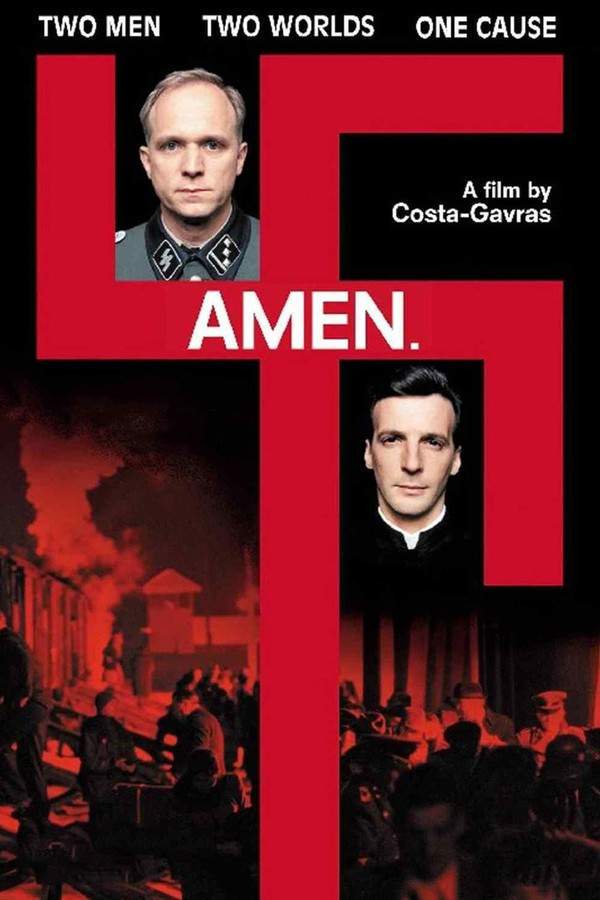
Bleak war dramas about futile resistance like Hospital of the Transfiguration

Stories of small acts of defiance that are ultimately crushed by overwhelming force.For viewers seeking movies similar to Hospital of the Transfiguration, this thread highlights bleak wartime stories centered on quiet defiance. These films explore the psychological toll of occupation and the tragic, often futile, nature of individual resistance against a brutal, overwhelming force.

somberdesperategrimtragicwar-tornpsychologicalhopelessdefiant

Narrative Summary

The narrative journey centers on a character's growing awareness of an inhuman system and their subsequent, often internal, resistance. Their efforts are portrayed as noble but ultimately insignificant against the machine-like efficiency of the oppressor, leading to a conclusion that emphasizes tragedy and the loss of innocence rather than victory.

Why These Movies?

These movies share a specific, somber mood defined by the juxtaposition of personal courage with systemic, inevitable doom. The similarity lies in the emotional experience of witnessing principled stands lead to devastating, rather than triumphant, outcomes.

Unlock the Full Story of Hospital of the Transfiguration

Don't stop at just watching - explore Hospital of the Transfiguration in full detail. From the complete plot summary and scene-by-scene timeline to character breakdowns, thematic analysis, and a deep dive into the ending - every page helps you truly understand what Hospital of the Transfiguration is all about. Plus, discover what's next after the movie.

Hospital of the Transfiguration Summary

Read a complete plot summary of Hospital of the Transfiguration, including all key story points, character arcs, and turning points. This in-depth recap is ideal for understanding the narrative structure or reviewing what happened in the movie.

Hospital of the Transfiguration Summary

Hospital of the Transfiguration Timeline

Track the full timeline of Hospital of the Transfiguration with every major event arranged chronologically. Perfect for decoding non-linear storytelling, flashbacks, or parallel narratives with a clear scene-by-scene breakdown.

Hospital of the Transfiguration Timeline

Hospital of the Transfiguration Spoiler-Free Summary

Get a quick, spoiler-free overview of Hospital of the Transfiguration that covers the main plot points and key details without revealing any major twists or spoilers. Perfect for those who want to know what to expect before diving in.

Hospital of the Transfiguration Spoiler-Free Summary

More About Hospital of the Transfiguration

Visit What's After the Movie to explore more about Hospital of the Transfiguration: box office results, cast and crew info, production details, post-credit scenes, and external links - all in one place for movie fans and researchers.

More About Hospital of the Transfiguration

Similar Movies to Hospital of the Transfiguration

Discover movies like Hospital of the Transfiguration that share similar genres, themes, and storytelling elements. Whether you’re drawn to the atmosphere, character arcs, or plot structure, these curated recommendations will help you explore more films you’ll love.