Plot Explained Spoilers guaranteed!
Plot Explained

Browse by genre

Hangmen Also Die! (1943) movie poster

Plot Summary

Hangmen Also Die! (1943) Plot Summary Explained

Release, runtime and language
1943 · 134 mins · English
JustWatch #11,169 16
Directed by
Fritz Lang
Starring
Walter Brennan, Lionel Stander, Reinhold Schünzel, George Irving, Anna Lee, Jonathan Hale

Amid the Nazi occupation of Czechoslovakia, Czech surgeon Dr. František Svoboda, a committed patriot, assassinates Reichsprotektor Reinhard Heydrich—known as the “Hangman of Europe”—and is wounded. Pursuing freedom, he flees with the aid of history professor Stephen Novotný and the professor’s courageous daughter Mascha.

On this page (6)
  1. 1 Where to watch
  2. 2 What happens: full plot
  3. 3 Plot questions answered
  4. 4 Movie threads
  5. 5 Movies like Hangmen Also Die!
  6. 6 Every angle

Where to watch

Where to Watch Hangmen Also Die! (1943)

Where can you watch Hangmen Also Die!? Stream, rent or buy it in the US, including on Amazon Prime Video, Fawesome and Hoopla: current JustWatch availability with up-to-date prices.

Streaming availability powered by JustWatch

Full plot summary · contains spoilers

What Happens in Hangmen Also Die!: Full Plot Summary

The whole story of Hangmen Also Die! (1943) explained, from the opening scene to the final frame: every key event, every twist and what it all adds up to. Read it as a quick recap before the sequel, to check a scene you missed, or to finally understand what really happened.

In Prague, under the iron shadow of the Nazi occupation, the surgeon Dr. František Svoboda [Brian Donlevy]—a member of the Czech resistance—assassinates the brutal “Hangman of Europe”, Reichsprotektor Reinhard Heydrich [Hans Heinrich von Twardowski]. Before Svoboda can slip away, his getaway car is found, and his planned safe house rejects him. A stranger named Mascha [Anna Lee] deliberately misdirects nearby German soldiers searching for him, driving Svoboda to seek shelter at her home. Her father, Professor Stephen Novotny [Walter Brennan], realizes Svoboda must be the assassin, but he is willing to risk everything to hide him.

Because the assassin cannot be found, the Nazi leadership strikes with a brutal standoff: four hundred Czech men are taken as hostages, to be executed in batches of forty unless the killer surrenders or is betrayed by his own people. Professor Novotny becomes one of the enforced prisoners. Mascha pleads that Svoboda surrender so her father might be spared, yet when Svoboda refuses, she goes to the Gestapo to denounce him. The sight of oppressed Czech citizens moves her to plead instead for her father’s release, and the Gestapo arrest Mascha and the rest of the Novotny family, even after bugging their apartment and finding no direct evidence of involvement in the assassination.

Gestapo Inspector Gruber [Alexander Granach] grows convinced that Mascha knows who the assassin is and offers the release of Professor Novotny in exchange for information. Based on staged conversations between Mascha and Svoboda, the Gestapo hierarchy starts to believe that Mascha is having an affair with Svoboda. Yet Gruber persists in gathering intelligence on Svoboda, convinced that truth lies beneath surface appearances. In the background, Emil Czaka [Gene Lockhart], a wealthy local brewer, appears to be a loyal resistance member, but in fact is a German fifth-columnist. When resistance members trick him into revealing his real allegiance, Czaka escapes while many of the others are killed or arrested by the Gestapo.

One wounded resistance leader, Dedic [Jonathan Hale], devises a plan to frame Czaka for the assassination. Acting on planted intelligence, Gruber is persuaded that Svoboda and Mascha are entangled by an affair. Mascha then stages a dramatic scene at a restaurant to bring Czaka to Gestapo headquarters, where she claims that Czaka was the man she saw fleeing after Heydrich’s assassination. The testament of many people supports her story, and Gruber’s suspicions grow only more tangled. When Gruber deduces that Svoboda’s relationship with Mascha has been staged, Svoboda and Jan Horak [Dennis O’Keefe] kill him. Czaka is then framed for this murder as well, and Gestapo agents gun him down.

Although Mascha is told that the remaining hostages will be freed, the Gestapo liquidates them all—including her father, Professor Novotny. Several weeks later, the Nazi Party concludes that Czaka could not have been the killer, but they decide that reopening the case would bring no good. The web of deceit, danger, and sacrifice leaves the family haunted by the choices forced upon them, while the city endures the grim calculus of occupation and resistance.

Last updated: October 05, 2025 at 12:36

Was this helpful?

Plot questions answered

Hangmen Also Die! Plot Explained: Your Questions Answered

The questions people ask most about Hangmen Also Die! (1943): what happens in the confusing scenes, why the characters do what they do, the twists, hidden details and what the ending means. Each answer contains spoilers.

Q1

Why does Mascha decide to help the assassin hide?

Mascha deliberately misdirects German soldiers searching for the wounded assassin because she is a patriotic Czech citizen who despises the Nazi occupation. Her father Professor Novotny also recognizes the moral duty to protect the man who struck a blow against Heydrich, and together they risk their lives to shelter him despite knowing the deadly consequences if they are discovered.

Foreshadowing: Earlier scenes establish Mascha's courage and her family's commitment to Czech patriotism, setting up their willingness to aid the resistance.

  • mascha
  • svoboda
  • resistance
  • help
  • hiding
  • nazi occupation
Q2

Why does Mascha go to the Gestapo to denounce Svoboda?

Mascha confronts Svoboda and demands he surrender to save her father, who has been taken as one of the hostages. When Svoboda refuses, she goes to the Gestapo to denounce him, hoping this will secure her father's release. However, her attempt backfires, the Gestapo arrests her and her entire family anyway, finding no evidence but keeping them imprisoned.

Foreshadowing: The escalating hostage threats create the desperation that drives Mascha to this fateful decision.

  • mascha
  • gestapo
  • denounce
  • surrender
  • hostages
  • father
Q3

How does the Nazi hostage system work in the movie?

The Nazis take 400 Czech men as hostages and threaten to execute them in batches of 40 unless the assassin surrenders or is betrayed. This brutal policy is intended to pressure the resistance into turning over the killer. Professor Novotny is among those imprisoned, which raises the stakes for Mascha and forces impossible moral choices on the civilians caught between the resistance and the occupiers.

Foreshadowing: The hostage crisis is declared immediately after Heydrich's assassination, creating the central conflict that drives much of the film's tension.

  • hostages
  • nazi
  • execution
  • batch
  • threats
  • czech men
Q4

Why are the hostages executed even after Czaka is framed for the assassination?

Despite the resistance successfully framing Emil Czaka as the assassin and the Gestapo killing him, the Nazis later liquidate all remaining hostages, including Professor Novotny. The Nazi leadership later concludes that Czaka could not have been the real killer but decides not to reopen the case. This demonstrates the regime's brutal unpredictability and the futility of trying to appease them through deception.

Foreshadowing: Throughout the film, brief moments of hope are crushed by harsh realities, foreshadowing this tragic outcome.

  • hostages
  • executed
  • czaka
  • professor novotny
  • liquidated
  • gestapo
Q5

How does the resistance plan to frame Czaka for the assassination?

Wounded resistance leader Dedic devises a plan to misdirect the Gestapo investigation. The resistance plants intelligence suggesting Czaka is involved, and Mascha stages a restaurant scene claiming she saw Czaka fleeing after Heydrich's assassination. False testimony from multiple people supports her story. When Gruber begins to suspect the truth, Svoboda and Jan kill him, and Czaka is then framed for that murder as well, leading to his execution by Gestapo agents.

Foreshadowing: Earlier scenes establish Czaka as a fifth columnist, making his transformation into a scapegoat possible.

  • czaka
  • frame
  • resistance
  • assassination
  • mascha
  • false testimony
Q6

Why does Inspector Gruber suspect Mascha is lying?

Gruber grows convinced that Mascha knows the identity of the real assassin despite her denials. He offers to release Professor Novotny in exchange for information and carefully analyzes the staged conversations between Mascha and Svoboda. Gruber suspects the apparent romance between them is a cover, and his persistent investigation eventually leads him to deduce the truth, that their relationship has been staged to mislead the Gestapo.

Foreshadowing: Gruber is established as an intelligent investigator who believes truth lies beneath surface appearances.

  • gruber
  • mascha
  • suspicion
  • investigation
  • gestapo
  • staged relationship
Q7

What happens to Professor Novotny at the end?

Professor Novotny is executed as part of the Gestapo's liquidation of all remaining hostages, several weeks after the initial hostage crisis. Despite assurances that the hostages would be freed once Czaka was framed as the assassin, the Nazis carry out the executions anyway. His death represents the tragic cost of resistance and the brutal inefficiency of trying to appease Nazi occupiers.

Foreshadowing: The narrative establishes early that the Nazi promises are unreliable and that civilian casualties are inevitable.

  • professor novotny
  • executed
  • hostages
  • mascha father
  • death
Q8

Why does Svoboda kill Inspector Gruber?

Gruber deduces that the relationship between Svoboda and Mascha has been staged to mislead the investigation. Realizing his cover is blown and that Gruber will soon expose the resistance operation, Svoboda and Jan Horak kill Gruber during a confrontation at Gestapo headquarters. This eliminates a dangerous threat but also escalates the danger for everyone involved and forces the resistance to accelerate their framing of Czaka.

Foreshadowing: Gruber's persistent investigation and his growing suspicions build throughout the middle of the film.

  • svoboda
  • gruber
  • kill
  • gestapo headquarters
  • confrontation
  • exposed
Q9

Why does the Nazi Party decide not to reopen the assassination case?

Weeks after the crisis, the Nazi Party concludes that Czaka could not have been the real assassin since he was killed before proper verification. However, they decide that reopening the case would bring no good, it would expose the Gestapo's failures, the multiple murders within their own ranks, and the embarrassing fact that they were deceived by resistance operatives. The case is closed to preserve the regime's appearance of competence.

Foreshadowing: The Nazi leadership has consistently prioritized maintaining control and avoiding public acknowledgment of failures.

  • nazi party
  • case closed
  • reopen
  • czaka
  • cover up
  • investigation ended
Q10

Why is Heydrich's assassination so significant to the resistance?

Reinhard Heydrich, known as the 'Hangman of Europe,' was the Nazi Reichsprotektor of Bohemia and Moravia. He was notorious for his brutal repression of occupied territories and was directly responsible for mass executions of Czechs. His assassination by Dr. Svoboda represents a major symbolic victory for the resistance and a significant blow to Nazi authority, which is why the occupiers react with such fury and launch the massive manhunt and hostage crisis.

Foreshadowing: The film's opening establishes Heydrich's brutal reputation and the weight of this assassination.

  • heydrich
  • assassination
  • hangman
  • europe
  • resistance
  • symbolic victory
  • reichsprotektor
Q11

Why does Mascha risk everything to help the resistance?

Mascha is motivated by deep patriotism and resistance to the Nazi occupation of Czechoslovakia. She deliberately misdirects German soldiers searching for Svoboda, stages a dangerous restaurant scene to bring Czaka into Gestapo custody, and provides false testimony. Her actions demonstrate that ordinary civilians were willing to make extraordinary sacrifices, though her choices ultimately lead to her father's execution, showing the impossible moral dilemmas faced by those under occupation.

Foreshadowing: The film establishes early that Mascha is courageous and willing to act decisively against the occupiers.

  • mascha
  • motivation
  • patriotism
  • resistance
  • sacrifice
  • civilians

Movie threads

More Movies Like Hangmen Also Die!, by Mood & Story

Curated lists built around what makes Hangmen Also Die! tick: the same mood, the same kind of story or the same emotional payoff. Each list explains why these movies belong together.

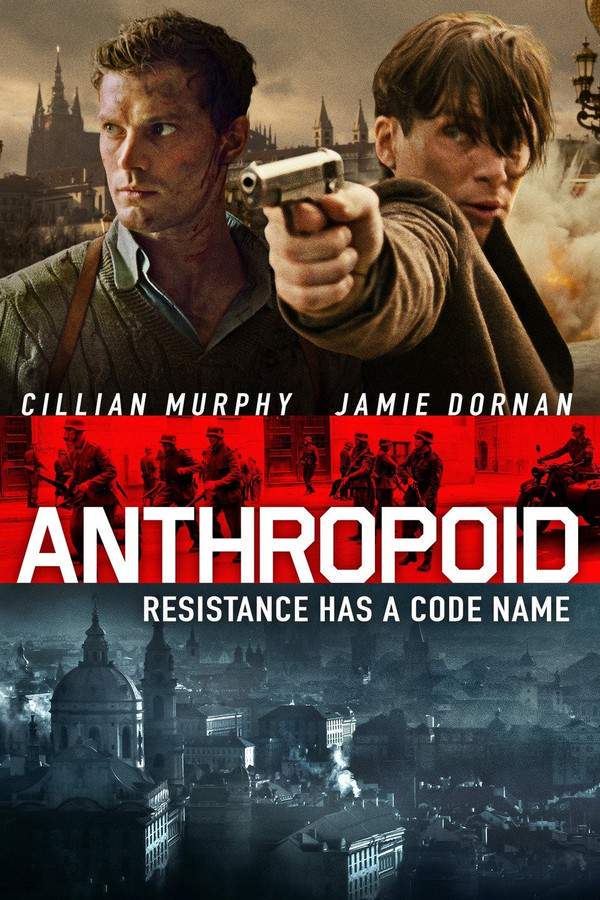
Resistance Thrillers Like Hangmen Also Die!

Ordinary people risk everything in the shadows of an authoritarian regime. If you were captivated by the high-stakes resistance plot of Hangmen Also Die!, discover more movies like it. These tense thrillers focus on ordinary people fighting back against oppressive regimes, filled with danger, sacrifice, and the heavy moral weight of rebellion.

  • tense
  • oppressive
  • desperate
  • paranoid
  • dangerous
  • somber
  • Tone: tense, somber, desperate
  • Pacing: fast, driven by pursuit
Why these movies?

The story pattern: Stories typically center on a pivotal act of defiance that triggers a relentless manhunt by the authorities. The protagonists must navigate a world of suspicion and betrayal, relying on a fragile network of allies while facing agonizing choices where the safety of the many often conflicts with personal survival.

Why they belong together: These films are grouped by their core theme of resistance against overwhelming power. They share a tense, oppressive atmosphere, high emotional stakes, and a focus on the psychological toll of living and operating under constant, life-threatening surveillance.

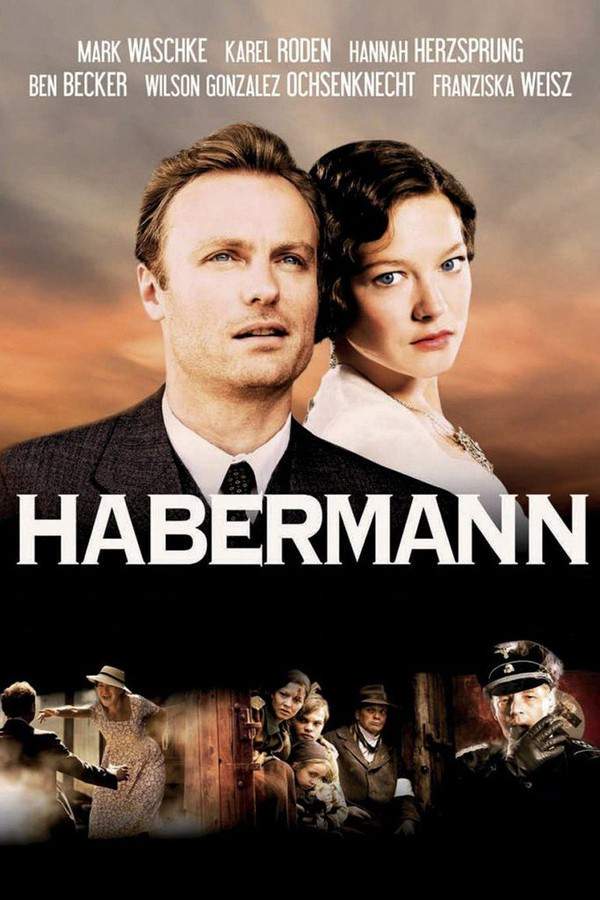
Movies with Bittersweet Endings Like Hangmen Also Die!

Stories where success is achieved, but at a devastating personal price. Fans of the heavy, bittersweet conclusion of Hangmen Also Die! will appreciate these similar movies. Explore stories where the central mission is accomplished, but the emotional cost is immense, leaving characters and viewers with a complex mix of relief and sorrow.
  • bittersweet
  • somber
  • heavy
  • sacrifice
  • costly victory
  • moral weight
  • Tone: bittersweet, heavy, somber
  • Pacing: steady, building to a emotional climax
Why these movies?

The story pattern: The narrative arc often follows a difficult, morally complex journey toward a specific objective. While the plot's central conflict may be resolved, the resolution comes with significant collateral damage—often the loss of allies, innocence, or a part of the protagonist's own humanity—resulting in an ending that feels more sobering than triumphant.
Why they belong together: These films are united by their emotionally complex conclusions. They balance narrative success with deep thematic loss, creating a powerful and resonant ending that acknowledges the heavy price of conflict and resistance, making the victory feel earned yet deeply painful.

If you liked this

Movies Like Hangmen Also Die!

Similar movies to Hangmen Also Die!: the same genre, themes or kind of story. Each one comes with its own plot summary, timeline and ending explained.

Browse all movie summaries

Every angle

Hangmen Also Die! (1943) Explained: Plot, Timeline & Characters

Everything about Hangmen Also Die! in one place: what happens in the plot summary, the timeline in chronological order, the characters and meaning and a spoiler-free summary. What's After the Movie adds the cast, box office and post-credit scenes.

Coming soon on iOS and Android

The Plot Explained Movie Summary App

Plot summaries, endings explained and timelines on your phone. Catch up on any movie in minutes, save your favorites and never miss a twist again.

Be the first to know when we launch. Your email stays private, always.

Learn more about the app