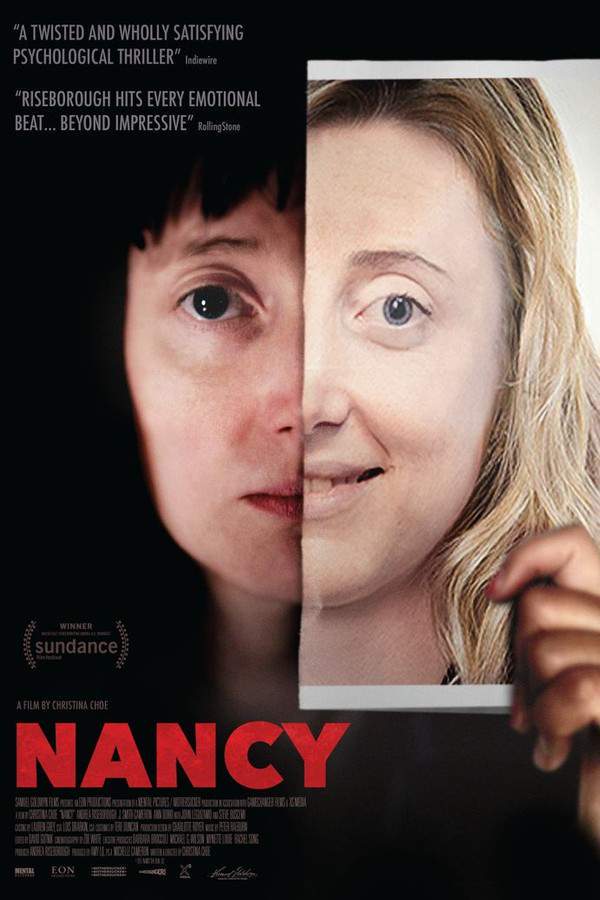
In the small Midwestern town of Holland, Michigan, the year 2000 begins with Nancy Vandergroot Nicole Kidman leading a quiet, respectable teaching life. She shares a traditional, comfortable middle‑class home with her husband, Fred Vandergroot Matthew Macfadyen, an affable optometrist, and their 13‑year‑old son, Harry Vandergroot Jude Hill. Nancy’s days are orderly, her routine predictable, and her family appears to be perfectly ordinary on the surface. Yet beneath the veneer of a stable marriage, Nancy begins to notice small, unsettling inconsistencies.
Frequent out‑of‑town conferences and unusual gaps in Fred’s schedule catch Nancy’s attention. She starts to notice odd details, like Fred keeping Polaroid photos despite their lack of a Polaroid camera, and a pattern of absences that doesn’t quite fit with his professional life. These clues plant a seed of doubt in Nancy, and she finds herself piecing together a narrative she isn’t sure she wants to confront.
Enter Dave Delgado Gael García Bernal, a fellow teacher who becomes a reluctant ally as Nancy digs deeper. Through Dave’s perspective and support, the couple’s investigations begin to uncover a chilling truth about Fred: his protective facade hides a much darker reality. Romance begins to bloom between Nancy and Dave, born out of shared risk and the strain of a marriage unraveling under suspicion. Their connection adds a humane, fragile layer to Nancy’s mounting fear, as she weighs loyalty to her family against the pull of a dangerous revelation.
As Nancy and Dave’s inquiry progresses, a disturbing detail comes to light: the train model Fred built in their home mirrors specific scenes of past crimes against women. The model isn’t mere hobby craftsmanship; it’s a map of murders that turns Nancy’s world inside out. Determined to confirm his infidelity and to protect her children, Nancy presses forward, and Dave follows Fred to a lake house, hoping to obtain undeniable proof.
What Dave discovers shocks them both: Fred is a serial killer. He confronts Fred, a confrontation that ends with Dave stabbing him, convinced he has neutralized the threat. In a subsequent conversation, Dave tells Nancy that he merely confronted Fred and that Fred chose to abandon his family—he relays a version of events that is later proven false, but it underscores the tension between truth and perception that threads through the couple’s crisis.
Fred returns to Holland during the tulip festival, a time when the town is alive with color and community activity, unaware that the secret he left behind is threatening to spill over into the open. Nancy and Harry flee to a motel for safety, while Dave reveals the truth about his encounter with Fred. The tension between Nancy’s desire to protect her family and the reality of Fred’s atrocities intensifies, and Dave’s push to involve the authorities culminates in a struggle that leaves him injured.
Back in the motel, Nancy confronts the grim possibility that her husband’s choices will pull the family apart or pull them back toward a dangerous status quo. With Harry nearby, the suspense reaches a breaking point. In a tense moment inside the family car, Nancy creates a distraction by commenting that Harry’s seat belt is not fastened, prompting Fred to slow or stop. Seizing the opportunity, Harry slips away from the car, and Nancy—faced with a direct threat and driven by a fierce, protective resolve—kills Fred Vandergroot Matthew Macfadyen in the ensuing struggle.
The film closes on a note that is both resolute and unsettling: a family’s life is forever altered by the truth Nancy can no longer ignore, and a mother’s decisive act becomes the fulcrum on which their future turns. The emotional ripple effects of deceit, fear, and a desperate bid for safety linger, highlighting the delicate balance between maintaining the appearance of normalcy and confronting a brutal reality that can shatter it.