Plot Explained Spoilers guaranteed!
Plot Explained

Browse by genre

The Unfaithful Wife (1969) movie poster

Plot Summary

The Unfaithful Wife (1969) Plot Summary Explained

Release, runtime and language
1969 · 98 mins · French
Loading streaming availability…
Directed by
Claude Chabrol
Starring
Stéphane Audran, Maurice Ronet, Michel Bouquet, Michel Duchaussoy, Dominique Zardi, Henri Attal

Insurance executive Charles suspects his wife Hélène of playing the field, so he has a private detective locate his wife’s lover, author Victor Pegala.

On this page (6)
  1. 1 Where to watch
  2. 2 What happens: full plot
  3. 3 Plot questions answered
  4. 4 Movie threads
  5. 5 Movies like The Unfaithful Wife
  6. 6 Every angle
Loading streaming availability…

Full plot summary · contains spoilers

What Happens in The Unfaithful Wife: Full Plot Summary

The whole story of The Unfaithful Wife (1969) explained, from the opening scene to the final frame: every key event, every twist and what it all adds up to. Read it as a quick recap before the sequel, to check a scene you missed, or to finally understand what really happened.

Insurance broker Charles Desvallées, Michel Bouquet, lives in a beautiful house in the countryside near Paris with his wife Hélène Desvallées, Stéphane Audran, and their young son. Hélène often travels to Paris for shopping, beauty treatments, and cinema sessions, and Charles quietly grows more uneasy as he notices discrepancies in her stories. When a hair-raising suspicion takes hold, he hires a private investigator to watch her movements. The inquiry soon reveals a troubling pattern: his wife regularly visits a writer named Victor Pégala, Maurice Ronet, at his Neuilly-sur-Seine home, far from the innocent explanations she offers.

On a day when Hélène is busy hosting their son's birthday, Charles confronts Pégala directly. He begins the encounter with a calm, almost cheerful line about an open marriage, then quickly shifts to a tense, unsettling mood as he examines the writer’s living space. He tours the small flat, notices a bed that triggers painful memories, and spots a large cigarette lighter—the third anniversary gift he had given to his wife. In a sudden, brutal moment, he grabs a heavy bust and delivers two violent blows to Pégala’s head, killing him. He then meticulously cleans the scene, erases fingerprints, and hauls the body away in his car, disposing of it in a pond.

In the days that follow, Hélène starts to seem unwell, and two detectives arrive to question her about Pégala, who has gone missing. His ex-wife has reported him, and Hélène’s name appears in his address book, but she pretends their contact was merely that of distant acquaintances. The interrogation continues with Charles and Hélène denying any familiarity with the man. Later, a photograph of Pégala is found in Charles’s jacket pocket, and Hélène burns it before rejoining her family in the garden, a tender gaze lingering on Charles. When the detectives return, Charles tells Hélène that he loves her and steps out to speak with them. In the final shot, the camera pulls away from Hélène and their son, moving closer to Charles’s face before drifting away, hinting that he has surrendered to the police for the murder. The scene leaves audiences with a chilling sense of ownership and consequence, showing how a seemingly calm life can unravel under the weight of secrecy and fear.

Last updated: October 09, 2025 at 11:03

Was this helpful?

Plot questions answered

The Unfaithful Wife Plot Explained: Your Questions Answered

The questions people ask most about The Unfaithful Wife (1969): what happens in the confusing scenes, why the characters do what they do, the twists, hidden details and what the ending means. Each answer contains spoilers.

Q1

Why does Charles kill Victor Pégala?

Charles kills Pégala after discovering evidence of his wife's affair during a confrontation at the writer's apartment. When he sees the large cigarette lighter, the anniversary gift he gave Hélène, lying beside Pégala's bed, it confirms his worst suspicions and triggers a violent rage. The killing is sudden and brutal; he grabs a bust and strikes Pégala twice on the head, killing him instantly. The discovery of this personal gift in the lover's bedroom shatters any remaining composure.

Foreshadowing: Earlier, Charles notices small inconsistencies in Hélène's stories about her Paris trips, planting seeds of suspicion that build throughout the film.

  • charles
  • pegala
  • murder
  • cigarette lighter
  • jealousy
  • infidelity
Q2

Why does Charles clean up the murder scene so meticulously?

Charles meticulously cleans Pégala's apartment to erase all evidence linking him to the murder. He removes fingerprints, straightens the room, and carefully disposes of the body in a pond. His thorough cleanup stems from a desire to protect himself from legal consequences, but also to maintain the facade of normalcy with Hélène and preserve his family's quiet life in the countryside.

Foreshadowing: Charles is established as a careful, methodical insurance broker, his professional precision carries over to his criminal act.

  • cleanup
  • fingerprints
  • evidence
  • disposal
  • body
  • pond
Q3

What happens at the end of the film?

In the final sequence, the camera pulls away from Hélène and their son in the garden, then moves closer to Charles's face before drifting away. This visual implies that Charles has surrendered to the police for Pégala's murder. The ending leaves the family's fate uncertain but suggests Charles cannot live with the guilt, choosing confession over continued secrecy.

Foreshadowing: The uneasy tenderness between Charles and Hélène after she burns the photo hints at the strain that will ultimately break him.

  • ending
  • confession
  • police
  • surrender
  • guilt
  • family
Q4

Why does Hélène burn the photograph of Pégala?

Hélène discovers the photograph of Pégala in Charles's jacket pocket and burns it to destroy evidence that could connect her husband to the missing writer. By removing this link, she protects Charles and implicitly acknowledges her knowledge of his crime. The act also signals a tentative reconciliation, she chooses her marriage over the truth, at least temporarily.

Foreshadowing: Hélène's earlier denial to detectives about knowing Pégala well establishes her willingness to conceal the affair and protect the family image.

  • helene
  • photograph
  • burn
  • evidence
  • protection
  • marriage
Q5

Why does Charles confront Pégala on his son's birthday?

Charles chooses his son's birthday to confront Pégala, likely intending to direct his rage into action while the family is occupied with the celebration. This timing adds psychological depth, he transforms what should be a joyful family day into one of violence. The birthday serves as both a practical cover for his absence and a dark irony: his personal life shatters on a day meant for celebration.

Foreshadowing: The birthday party is shown as a normal family event, making Charles's departure more striking and his subsequent violence more jarring.

  • birthday
  • confrontation
  • timing
  • family
  • irony
Q6

What is the significance of the cigarette lighter?

The large cigarette lighter is the third anniversary gift Charles gave to Hélène. Finding it in Pégala's bedroom next to the bed serves as damning proof of the affair and is the final trigger for Charles's violent outburst. The personal nature of the object, meant for his wife, now in his rival's possession, makes the betrayal emotionally unbearable.

Foreshadowing: Charles specifically notices the lighter during his tour of the flat, and his demeanor shifts immediately from cordial to disturbed.

  • cigarette lighter
  • gift
  • anniversary
  • evidence
  • affair
  • pegala
Q7

Why does Hélène deny knowing Pégala well to the detectives?

Hélène maintains to the detectives that she barely knows Pégala, despite their regular meetings, to protect herself and her marriage. Admitting the affair would expose her to scrutiny and potentially link her to the murder investigation. Her denial also preserves the family facade she values, even as her husband has committed a crime to silence the affair.

Foreshadowing: Hélène's earlier lies about the purpose of her Paris trips establish her pattern of concealment.

  • helene
  • detectives
  • denial
  • affair
  • lie
  • interrogation
Q8

How does Charles dispose of Pégala's body?

Charles loads Pégala's body into his car after the murder and disposes of it in a pond, hiding the corpse in water to prevent discovery. This method reflects his careful, calculated approach to eliminating evidence. The disappearance creates the central mystery that drives the detectives' investigation in the film's second half.

Foreshadowing: Charles's insurance broker profession suggests he thinks methodically about risk and consequences.

  • body
  • pond
  • disposal
  • car
  • evidence
  • murder
Q9

Why does Charles hire a private investigator to watch his wife?

Charles hires a private investigator because his suspicions about Hélène's fidelity have grown beyond manageable proportions. He notices inconsistencies in her stories about Paris trips for shopping and beauty treatments. Rather than confront her directly, he seeks concrete evidence through surveillance, which confirms his worst fears when the investigator reports regular visits to Victor Pégala's home.

Foreshadowing: The film opens with Charles observing small details about Hélène's schedule, establishing his watchful, suspicious nature.

  • private investigator
  • surveillance
  • infidelity
  • suspicion
  • evidence
Q10

Why does Charles tell Hélène he loves her before speaking to the detectives?

Charles tells Hélène he loves her as the detectives return, revealing a complex mix of guilt, devotion, and resignation. Despite everything, her affair and his crime, there remains love between them. This moment also functions as a goodbye, as he may know his confession is imminent. It underscores the tragic irony: their marriage survives the affair only after murder has destroyed it.

Foreshadowing: The uneasy tenderness after Hélène burns the photo hints at a fragile reconnection under tremendous strain.

  • charles
  • helene
  • love
  • confession
  • detectives
  • marriage

Movie threads

More Movies Like The Unfaithful Wife, by Mood & Story

Curated lists built around what makes The Unfaithful Wife tick: the same mood, the same kind of story or the same emotional payoff. Each list explains why these movies belong together.

Movies about family facades shattered by crime like The Unfaithful Wife

Seemingly perfect households crumble under the weight of a violent secret. If you liked the tense unraveling of domestic life in The Unfaithful Wife, explore more movies where a seemingly stable family is destroyed by a hidden crime. These dramas and thrillers focus on the psychological toll of maintaining a facade after a violent act, leading to bleak consequences.

  • suspenseful
  • claustrophobic
  • uneasy
  • melancholic
  • chilling
  • psychological tension
  • Tone: tense, bleak, oppressive
  • Pacing: steady, methodical
Why these movies?

The story pattern: Stories in this thread typically begin with a seemingly normal, often affluent, domestic setting. A single, brutal act—often a murder motivated by jealousy or betrayal—shatters this illusion. The plot then follows the intricate and psychologically draining efforts to conceal the truth, as the characters' guilt and paranoia eat away at their carefully constructed lives, usually culminating in a collapse.

Why they belong together: Movies are grouped here by their shared focus on the corrosive effect of a violent secret on a domestic unit. They share a high intensity, a tense and bleak tone, and a heavy emotional weight, creating a cohesive experience of watching a family or marriage implode from within.
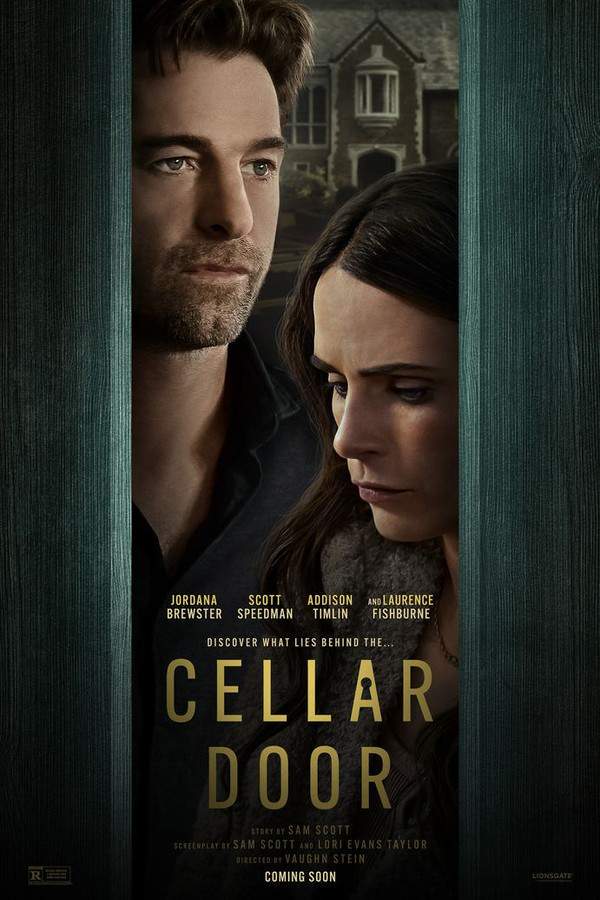
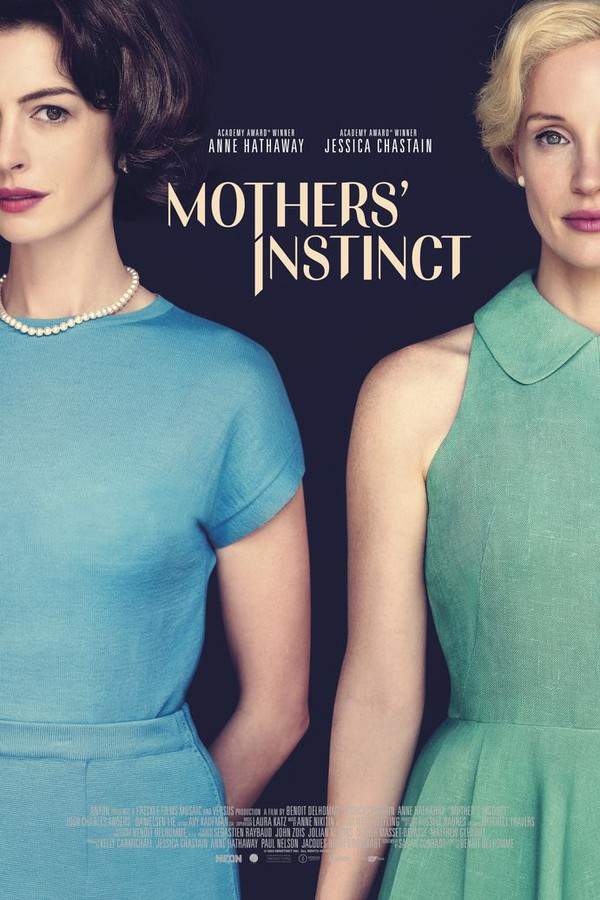
Movies with a slow burn of suspicion like The Unfaithful Wife

A character's growing distrust methodically poisons their reality and relationships. For viewers who appreciated the methodical build-up of dread in The Unfaithful Wife, this collection features movies driven by a character's obsessive jealousy or paranoia. These stories masterfully create a claustrophobic and oppressive atmosphere as suspicion takes hold, leading to devastating consequences.

  • suspenseful
  • oppressive
  • claustrophobic
  • uneasy
  • psychological
  • obsessive
  • Tone: tense, uneasy, melancholic
  • Pacing: steady, slow burn
Why these movies?

The story pattern: The narrative pattern follows a single point of view, typically that of someone who becomes fixated on proving a betrayal or uncovering a hidden truth. The story unfolds at a steady pace, layering small details and ambiguous events that fuel the protagonist's—and the audience's—growing anxiety. This internal focus creates a deeply claustrophobic experience, culminating in an act that often confirms their worst fears.

Why they belong together: These films are united by their specific narrative engine: the destructive power of suspicion. They share a steady, deliberate pacing that allows tension to simmer, a consistently high intensity derived from psychological tension, and a melancholic or bleak undertone as relationships are irreparably damaged.

If you liked this

Movies Like The Unfaithful Wife

Similar movies to The Unfaithful Wife: the same genre, themes or kind of story. Each one comes with its own plot summary, timeline and ending explained.

Browse all movie summaries

Every angle

The Unfaithful Wife (1969) Explained: Plot, Timeline & Characters

Everything about The Unfaithful Wife in one place: what happens in the plot summary, the timeline in chronological order, the characters and meaning and a spoiler-free summary. What's After the Movie adds the cast, box office and post-credit scenes.

Coming soon on iOS and Android

The Plot Explained Movie Summary App

Plot summaries, endings explained and timelines on your phone. Catch up on any movie in minutes, save your favorites and never miss a twist again.

Be the first to know when we launch. Your email stays private, always.

Learn more about the app