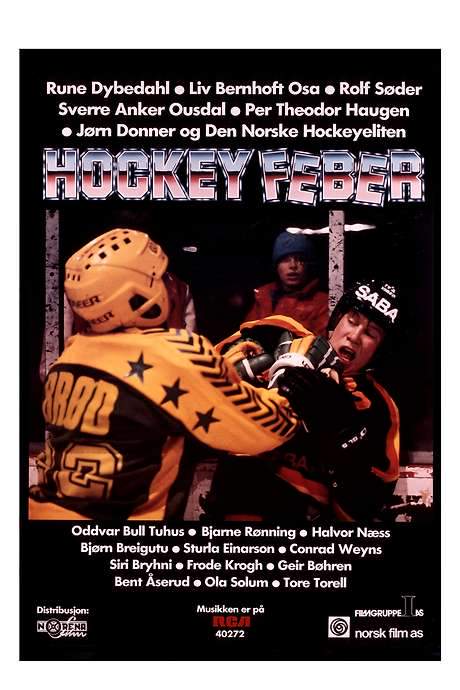
Hockeyfeber pulls you into a world where the battles on the ice are only part of the story, and the real drama unfolds in the harsh, unglamorous environment that amateur sport often inhabits. The Manglerud Star hockey team is sliding down from the first division, and the season soon reveals that talent alone isn’t enough to survive when budgets tighten, sponsors demand results, and every choice is measured against the clock and the cash register.
At the heart of the film is a quiet, stubborn romance between Ricky Rune Dybedahl and Vera Liv Bernhoft Osa. Ricky’s devotion to the game is palpable, but his love for Vera adds a personal pressure that complicates his training schedule and his ability to keep pace with escalating expectations. The two characters must navigate the collision between personal happiness and the brutal discipline required to qualify for the next season, a tension that many players in similar situations will recognize. Ricky’s struggle is not just about time management; it’s about balancing a budding relationship with the all-consuming grind of practice, drills, and the constant push to prove oneself.
The film does not shy away from depicting the club’s internal climate. The management, after all, is hungry for change: they dream of fresh fundraising methods and a coach with an international reputation who can lift the team back to its former prestige. These ambitions bring a new energy to the rink, but they also expose the fragility of the team’s cohesion. The pursuit of sponsorships, the recruitment of new players, and the lure of a high-profile coach highlight a growing cynicism that can creep into any sports organization when money and status threaten to overshadow teamwork and shared joy. The atmosphere becomes a study in how ambition and commerce can reshape a sport that is, at its core, about community and camaraderie.
As the season unfolds, the film threads in the darker facets of the sports world—money pressures, the omnipresent specter of violence in competition, and the way private lives collide with public expectations. These elements are not sensationalized; they are presented in a grounded, almost documentary-like manner that makes the hockey environment feel real and lived-in. The players are shown wrestling with fear, fatigue, and the creeping sense that their identities as athletes are inseparable from their identities as people with hopes, dreams, and responsibilities beyond the rink.
The supporting figures populate this world with a mix of authority, ambiguity, and vulnerability. Haukland Sverre Anker Ousdal stands as a presence within the club’s evolving hierarchy, while the enigmatic Mr. Big Wilfred Breistrand embodies the financial forces that push the team toward riskier bets and brighter futures. Frank Hansen Rolf Søder and Gunnar Per Theodor Haugen anchor the story with their seasoned perspectives, reminding viewers that behind every decision on sponsorship, coaching, or player recruitment lies a human history of loyalty, disappointment, and hard-won wisdom. Each character adds a layer to the tapestry of the team, illustrating how many lives orbit a single season of sport.
Throughout, the film remains faithful to its central thesis: the hockey world can be as cutthroat as it is passionate, and the true test lies not only in athletic prowess but in resilience, integrity, and the stubborn ability to find joy in the game even when the odds are stacked against you. The narrative respects the sport’s rhythms—the late-night practices, the quiet moments before a game, the tension of a season hanging in the balance—while offering a compassionate look at the people who play, coach, sponsor, and support it.
In the end, Hockeyfeber is less a simple sports story and more a humane portrait of how a community negotiates fame, funding, and friendship under pressure. It invites audiences to witness the emotional weather of a team that must endure both the cold of the rink and the warmer but more volatile heat of ambition. It’s a portrayal that honors the sport’s joys while never shying away from its challenges, leaving viewers with a clear sense of why the ice remains the most honest stage for people who believes in a team, a dream, and a season worth fighting for.