
True Blue
Year: 1996
Runtime: 118 mins
Language: English
Director: Ferdinand Fairfax
To be second is to be last. The story of the year the Oxford and Cambridge boat race changed from a gentleman’s race to one where winning was everything.
Warning: spoilers below!
Haven’t seen True Blue yet? This summary contains major spoilers. Bookmark the page, watch the movie, and come back for the full breakdown. If you're ready, scroll on and relive the story!
True Blue (1996) – Full Plot Summary & Ending Explained
Read the complete plot breakdown of True Blue (1996), including all key story events, major twists, and the ending explained in detail. Discover what really happened—and what it all means.
True Blue is a low-budget film adaptation of Topolski’s book of the same name, telling the story of the 1987 Oxford-Cambridge Boat Race from the perspectives of Daniel Topolski and Dominic West portraying Donald MacDonald. The film presents a grounded, real-world sports drama that centers on discipline, rivalry, and the pressure of living up to a storied tradition, all framed through the eyes of the two guiding forces behind the crew.
The opening scene drops us into a tense moment: the Oxford crew is defeated by Cambridge by almost seven lengths. Donald MacDonald, [Dominic West], and Ross (a sobriquet for the real-life Chris Clark) are shown among the losing boat, their reactions ranging from shock to determination. The mood is immediate and intimate, emphasizing the fragility of success and the weight of expectation that sits on every rower’s shoulders.
As the story moves forward, Ross pledges to bring some American oarsmen into the fold to shake things up, setting in motion a push-pull dynamic that will test the team’s loyalties and goals. The following year introduces Daniel Warren, the recent world champion, Josh Lucas, who arrives in Oxford with a cadre of American teammates. Not everyone welcomes the newcomers, and there is clear concern about who will hold the seats in the boats as the pressure to perform grows. The tension underscores a broader theme: the clash between prestige and progress, tradition and talent.
A montage of grueling training sequences follows, leading up to the Fours Head of the River Race. In a bold move, Warren pushes for a last-minute change of the top boat, a decision that sparks anger from the ejected crew member and stirs controversy about leadership and strategy within the squad. The result is a sobering 28th-place finish, a far cry from the hopes of a Varsity crew and a reminder that everything worth pursuing comes with a price.
Back on the sidelines, Topolski berates the squad, and the other coaches voice concerns about the team’s form, with particular attention drawn to Ross. The atmosphere is thick with scrutiny, as everyone asks whether the current direction will lead to success or collapse. Topolski then examines the outcomes of the Trial Eights race, which starts with promise but is soon marred by a clash of blades that echoes the internal discord threatening to derail the season.
The American involvement becomes a flashpoint: the Americans threaten to walk out if Ross is not selected, intensifying the internal rift and forcing hard choices about who will represent Oxford on race day. In the end, none of the Americans row, and the team is guided toward a different path, with a less experienced crew stepping forward to carry the boat forward. The decision is controversial, but it marks a turning point as the group refocuses and rebuilds.
Despite the early strain, the crew begins to come together. After initial tensions, they train with renewed purpose, tightening bonds and learning to synchronize under pressure. The story moves toward the late stages of preparation, emphasizing grit, teamwork, and the quiet moments of resilience that often decide long races.
When race day arrives, the crew delivers a disciplined and cohesive performance, overcoming doubt and fatigue to win by around four lengths. The victory comes not just from physical strength, but from a deeper resolve forged through adversity, shared ambition, and the stubborn belief that a team can redefine its limits when it stays true to its collective purpose. The film closes on a note of measured triumph, highlighting how leadership, loyalty, and perseverance can steer a crew to success even in the face of mounting scrutiny and changing tides.
Last Updated: October 09, 2025 at 09:29

Explore Movie Threads
Discover curated groups of movies connected by mood, themes, and story style. Browse collections built around emotion, atmosphere, and narrative focus to easily find films that match what you feel like watching right now.
Gritty Sports Dramas About Team Cohesion Like True Blue
Stories of disciplined athletes forging unity to overcome intense rivalry and pressure.For viewers who liked True Blue, this section collects sports movies with a similar vibe: tense, grounded stories centered on teamwork, rivalry, and immense pressure. If you enjoy films about disciplined athletes overcoming internal conflicts to achieve a collective goal, you'll find more movies like True Blue here.
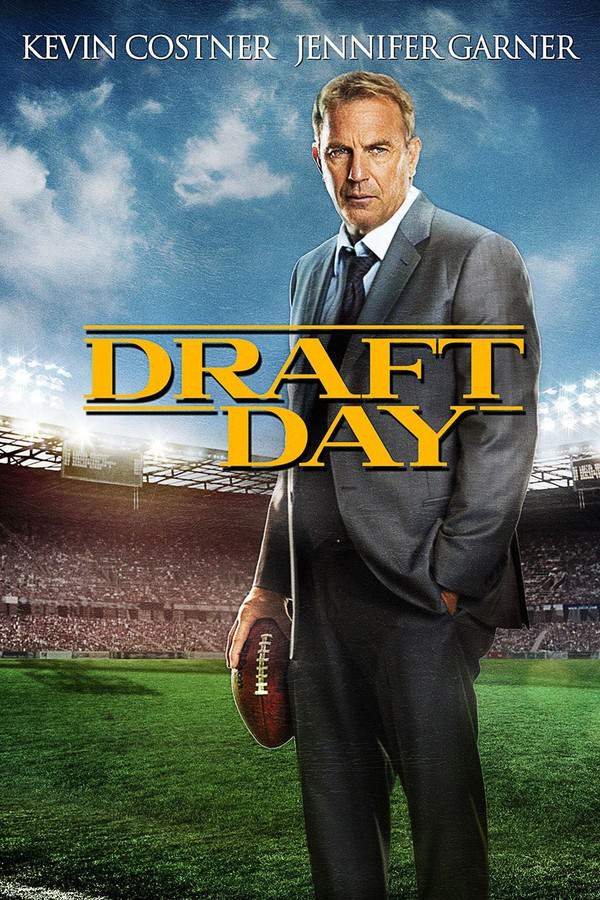
Draft Day
2014
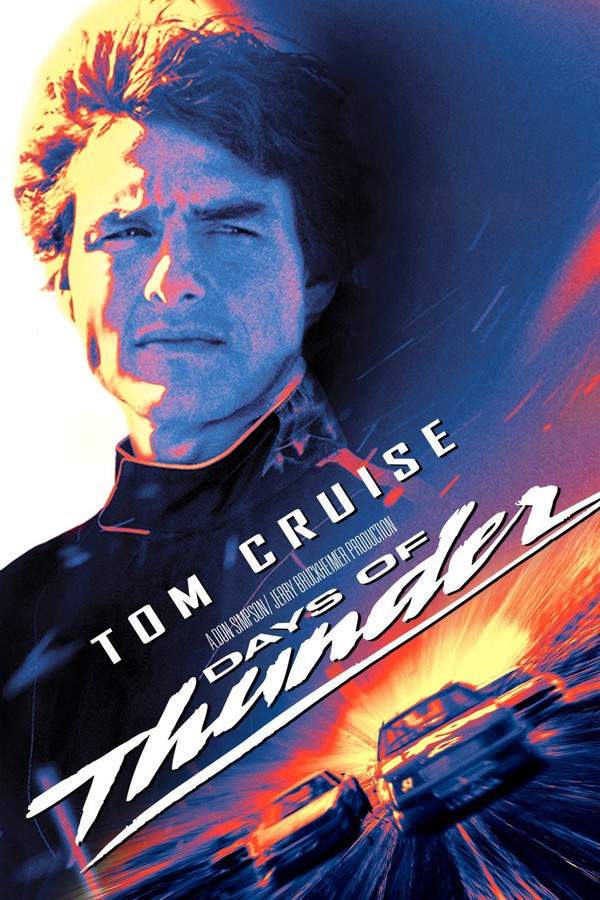
Days of Thunder
1990
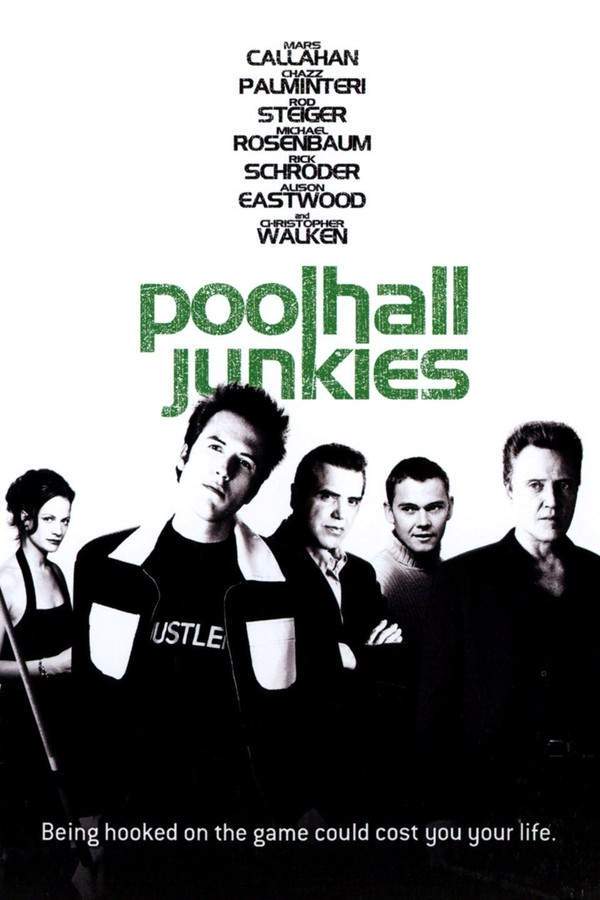
Poolhall Junkies
2003
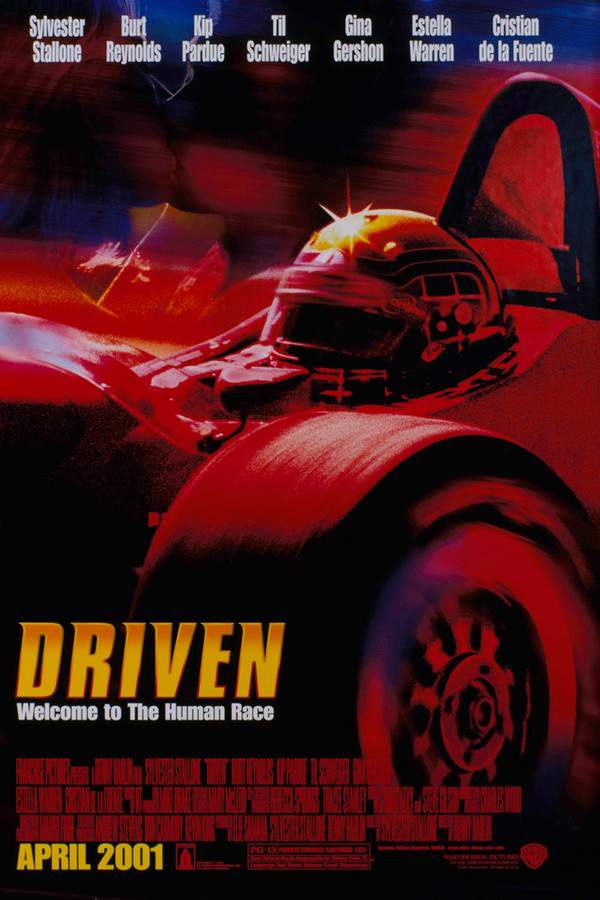
Driven
2001
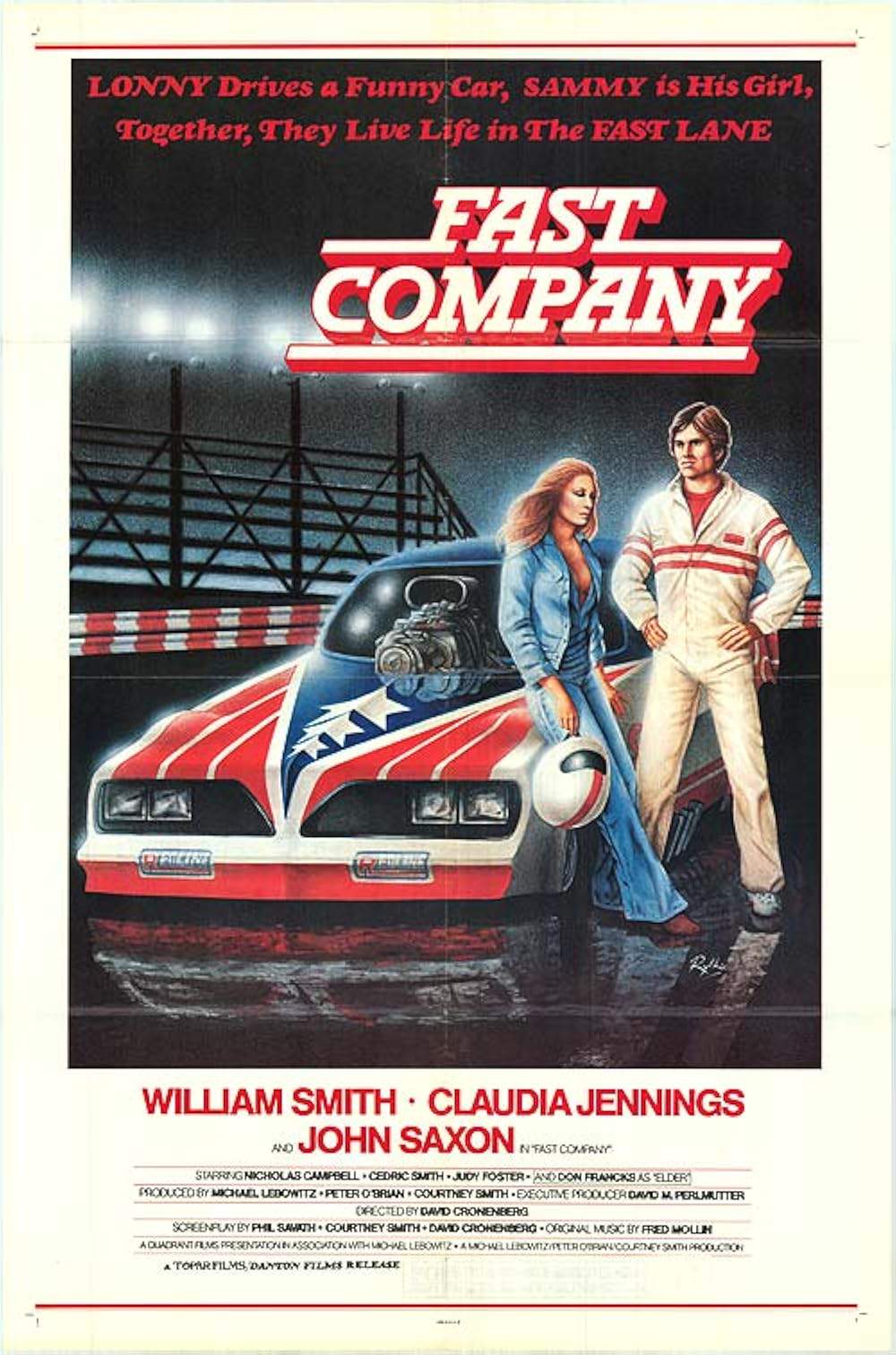
Fast Company
1979
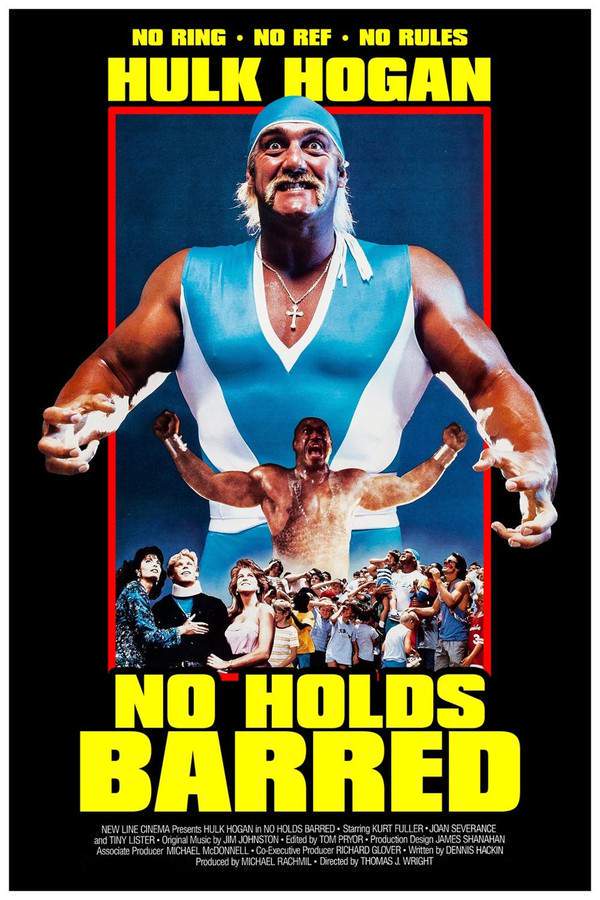
No Holds Barred
1989

Speed Angels
2011

Fast Girls
2012

Never Back Down: No Surrender
2016

Stickmen
2001

Cagefighter: Worlds Collide
2020

Proud and Confident
1989

Death on the Diamond
1934
True Blue
1996

Days of Thunder
2023
Narrative Summary
These narratives typically follow a linear path from a significant defeat or internal dysfunction, through strenuous training and character-building conflicts, to a final, decisive event where teamwork ultimately triumphs. The journey emphasizes perseverance, leadership challenges, and the sacrifice required for collective success.
Why These Movies?
Movies are grouped here for their shared focus on the procedural and emotional aspects of team sports. They balance tense interpersonal drama with the physical and mental demands of training, creating a steady, suspenseful build towards a cathartic and happy conclusion rooted in collective achievement.
Steady Procedural Dramas with a Tense Vibe Like True Blue
Methodical stories where focused effort and resilience lead to a satisfying payoff.If you appreciated the methodical, tense pace of True Blue, this section features similar movies that build suspense steadily. These stories share a determined vibe, following a linear journey where focused effort and resilience overcome challenges, leading to a happy and satisfying ending.




Narrative Summary
The narrative pattern involves a clear, straightforward goal and a step-by-step journey to achieve it. The pacing is consistent, avoiding major lulls or frantic shifts, and instead builds tension gradually through setbacks and procedural details. The emotional journey is one of sustained focus and grit culminating in success.
Why These Movies?
These films are united by their specific blend of steady pacing, tense tone, and medium intensity. They offer a viewing experience that is engaging and suspenseful without being overwhelming, focusing on a determined protagonist or group working methodically towards a clear, positive outcome.
Unlock the Full Story of True Blue
Don't stop at just watching — explore True Blue in full detail. From the complete plot summary and scene-by-scene timeline to character breakdowns, thematic analysis, and a deep dive into the ending — every page helps you truly understand what True Blue is all about. Plus, discover what's next after the movie.
True Blue Timeline
Track the full timeline of True Blue with every major event arranged chronologically. Perfect for decoding non-linear storytelling, flashbacks, or parallel narratives with a clear scene-by-scene breakdown.

Characters, Settings & Themes in True Blue
Discover the characters, locations, and core themes that shape True Blue. Get insights into symbolic elements, setting significance, and deeper narrative meaning — ideal for thematic analysis and movie breakdowns.



Similar Movies to True Blue
Discover movies like True Blue that share similar genres, themes, and storytelling elements. Whether you’re drawn to the atmosphere, character arcs, or plot structure, these curated recommendations will help you explore more films you’ll love.





Explore More About Movie True Blue
True Blue (1996) Scene-by-Scene Movie Timeline
True Blue (1996) Movie Characters, Themes & Settings
True Blue (1996) Spoiler-Free Summary & Key Flow
Movies Like True Blue – Similar Titles You’ll Enjoy
Cobalt Blue (2021) Plot Summary & Ending Explained
Midday Black Midnight Blue (2023) Detailed Story Recap
Oxford Blues (1984) Full Movie Breakdown
The Blue Room (2002) Detailed Story Recap
Blue days (2006) Full Summary & Key Details
Running Brave (1983) Complete Plot Breakdown
The Big Blue (1988) Ending Explained & Film Insights
Blue Movie (1971) Spoiler-Packed Plot Recap
Three (1969) Full Summary & Key Details
if… (1968) Full Movie Breakdown
The Blue Hour (1992) Ending Explained & Film Insights
The Boat Race (2009) Full Movie Breakdown
Blue Nude (1978) Plot Summary & Ending Explained
Coxless Pair (2008) Detailed Story Recap
Navy Blue and Gold (1937) Movie Recap & Themes