Plot Explained Spoilers guaranteed!
Plot Explained

Browse by genre

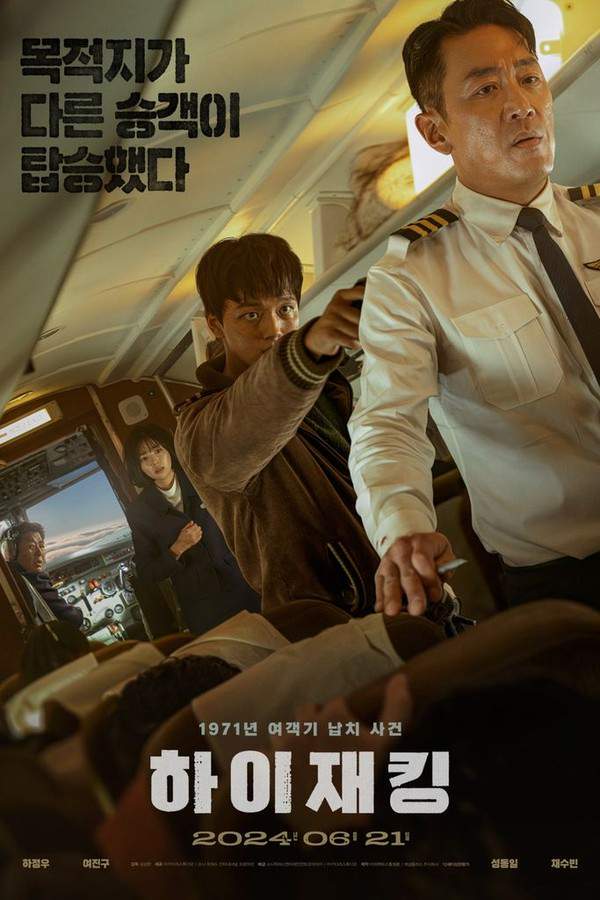
Hijack 1971 (2024) movie poster

Timeline

Hijack 1971 (2024) Timeline Explained – Every Event in Order

Release, runtime and language
2024 · 1 h 40 m · Korean
Echo score 80
Loading streaming availability…
Directed by
Kim Sung-han-I
Starring
Dong-il Sung, Chae Soo-bin, Yeo Jin-gu, Ha Jung-woo
Budget
$13.4M

During a flight, a homemade bomb explodes, plunging the plane into chaos. Two pilots, Tae-in and Gyu-sik, struggle to maintain control while dealing with panicked passengers. Flight attendant Ok-soon's resourcefulness proves crucial as they fight to prevent a catastrophic disaster high above the ground.

On this page (6)
  1. 1 Where to watch
  2. 2 Events in order (15)
  3. 3 Timeline questions answered
  4. 4 Movie threads
  5. 5 Movies like Hijack 1971
  6. 6 Every angle
Loading streaming availability…

15 events in order · contains spoilers

Hijack 1971 Timeline: Events in Chronological Order

Every key event of Hijack 1971 (2024) in order, scene by scene, with when and where it takes place. Use it to untangle flashbacks, time jumps and parallel storylines, to refresh your memory before the sequel or to find the exact scene you are thinking of.

  1. Hijacking Incident Begins

    In December 1969, a North Korean agent hijacks an airliner, taking control of the flight. South Korean fighter pilot Tae-in is ordered to intercept the hijacked plane and make a critical decision regarding his response.

    When
    December 1969
  2. Pilot's Dilemma

    Tae-in identifies the pilot of the hijacked airplane as his friend and mentor, Young-sook. In a moment of moral conflict, he decides not to fire on the plane, prioritizing the safety of the passengers over following orders.

  3. Consequences of Disobedience

    After the hijacked plane reaches North Korean airspace, Tae-in faces severe repercussions for his actions. He is expelled from the air force, reflecting the gravity of his decision and the political tension of the era.

  4. Passenger Repatriation

    Following the incident, 39 out of the 46 passengers are returned to South Korea. However, the fate of the remaining seven passengers and the four crew members, including Young-sook, remains uncertain as they are left in North Korea.

  5. New Beginnings

    After leaving the air force, Tae-in finds employment as a pilot with Korean Air. This marks a new chapter in his life as he strives to move on from the traumatic events of the hijacking.

  6. Fokker F27 Flight

    In January 1971, Tae-in, along with Captain Gyu-Sik, commands a Fokker F27 flight from Sokcho Airport to Gimpo International Airport in Seoul. The flight represents another responsibility for Tae-in as a pilot post-hijacking.

    When
    January 1971
    Where
    Sokcho Airport
  7. Terror Strikes Again

    Shortly after takeoff, passenger Yong-dae detonates two improvised explosive devices on the plane. This results in panic as a hole is blown in the cabin floor, injuring several passengers and creating chaos in the aircraft.

  8. Cockpit Control Seized

    Following the explosions, Yong-dae forces his way into the cockpit, threatening the pilots with a knife and an explosive device. His demands to divert the plane to North Korea heighten the tension onboard.

  9. Struggle for Control

    As turbulence strikes, several brave passengers attempt to confront Yong-dae to regain control of the plane. However, he manages to seize the air marshal's gun, escalating the threat level significantly.

  10. Desperate Measures

    Tae-in attempts to land the plane on a remote airstrip but is thwarted by Yong-dae's threats of destruction. In a physical struggle, Yong-dae shoots Tae-in in the leg, causing severe injuries to the pilot.

  11. Intercepted by Fighter Jets

    South Korean fighter jets, led by Tae-in's former comrade Dong-cheol, approach the hijacked flight. They communicate the imminent threat from North Korean fighters, raising the stakes for all involved.

  12. Decision to Crash Land

    Faced with dire circumstances, Tae-in and Gyu-Sik resolve to crash land the plane on a beach. This decision marks a pivotal moment as they grapple with their dwindling options and time.

  13. Final Struggle and Sacrifice

    As they attempt the crash landing, Yong-dae is shot and killed but triggers an explosive device before he dies. In a heroic act, Tae-in uses his body to shield the passengers from the blast, sustaining fatal injuries in the process.

  14. Successful Landing

    Gyu-Sik manages to land the plane safely on the beach with assistance from a flight attendant. All passengers are evacuated safely, but the victory is bittersweet as Tae-in succumbs to his wounds shortly thereafter.

    Where
    Beach
  15. Tae-in's Last Moments

    In his final moments, Tae-in sits in the cockpit, reflecting on the events that transpired. He is a hero, having sacrificed his life for the safety of others, leaving behind a legacy marked by courage and moral conviction.

Last updated: May 13, 2025 at 20:30

Was this helpful?

Timeline questions answered

Hijack 1971 Timeline Explained: Your Questions Answered

When does it happen, and why in that order? The questions people ask about the chronology of Hijack 1971 (2024): time jumps, flashbacks, cause and effect between scenes and the correct order of events, each answered with spoilers.

Q1

Why didn't Tae-in fire on the hijacked plane in 1969?

Tae-in recognized the pilot of the hijacked plane as his close friend and former mentor, Young-sook. Despite receiving orders to shoot down the aircraft, he couldn't bring himself to fire, knowing his mentor was at the controls. This decision prioritized the lives of the passengers over military orders, but it came at a steep personal cost.

  • tae-in
  • 1969 hijacking
  • young-sook
  • pilot dilemma
  • military orders
Q2

What happened to the passengers from the 1969 hijacking?

Of the 46 passengers, 39 were eventually returned to South Korea. However, seven passengers and all four crew members, including pilot Young-sook, remained trapped in North Korea indefinitely following the incident.

  • passengers
  • north korea
  • 1969
  • young-sook
  • repatriation
Q3

Why did Yong-dae hijack the 1971 flight?

Yong-dae revealed that he was discriminated against and shunned because he had a brother who defected to North Korea. Believing he would find sanctuary in North Korea, he hijacked the plane to force the pilots to divert there.

  • yong-dae
  • hijacking motivation
  • north korea
  • brother
  • discrimination
Q4

How were Yong-dae's bombs able to cause so much damage?

Yong-dae used improvised explosive devices (IEDs) he brought aboard as a passenger. One bomb exploded in the cabin, blowing a hole in the floor and injuring multiple passengers and a sky marshal. The second bomb targeted the cockpit door, momentarily blinding co-pilot Gyu-Sik and creating an entry point for Yong-dae to seize control.

  • bomb
  • ied
  • yong-dae
  • explosion
  • cockpit
Q5

Why did Yong-dae shoot Tae-in in the leg?

When Tae-in attempted to land the plane at a remote airstrip to subdue Yong-dae, the hijacker responded by shooting him in the leg. This was meant to prevent Tae-in from regaining control of the aircraft and to keep the pilots compliant with his demands to fly toward North Korea.

  • yong-dae
  • shooting
  • tae-in leg injury
  • landing attempt
Q6

How did the pilots manage to crash land safely on the beach?

With Tae-in severely wounded and Yong-dae killed in the struggle, Gyu-Sik took primary control of the aircraft. He managed to land the Fokker F27 on a beach with critical assistance from a flight attendant and the injured Tae-in, who remained in the cockpit. Despite the precarious circumstances, the plane touched down successfully, allowing all surviving passengers to evacuate.

  • crash landing
  • beach
  • gyu-sik
  • flight attendant
  • safe landing
Q7

Why did South Korean fighter jets intercept the hijacked plane?

Upon learning of the hijacking, South Korean military dispatched fighter jets to intercept the civilian aircraft. Tae-in's former Air Force comrade Dong-cheol led the fighter squadron. The situation became even more critical when they warned Tae-in that North Korean fighter jets were also approaching, adding another layer of danger to the already chaotic situation.

  • fighter jets
  • dong-cheol
  • interception
  • north korean jets
  • military response
Q8

How did Tae-in die at the end?

After Yong-dae was killed but triggered one final explosive device, Tae-in made the ultimate sacrifice by throwing himself over the passengers to shield them from the blast. He sustained fatal injuries in the explosion and died shortly after the successful landing, remaining seated in the cockpit as a hero.

Foreshadowing: The 1969 incident established Tae-in's pattern of prioritizing civilian lives over military orders, foreshadowing his willingness to sacrifice himself.

  • tae-in death
  • sacrifice
  • explosion
  • hero
  • passengers
Q9

Why did Yong-dae specifically demand to go to North Korea?

Yong-dae's motivation stemmed from personal persecution in South Korea due to his brother's defection to North Korea. He faced social ostracism and discrimination, which led him to believe he would find acceptance and refuge in North Korea instead.

  • north korea demand
  • yong-dae motivation
  • refugee
  • brother defection
Q10

What happened to Tae-in after the 1969 hijacking?

Tae-in was expelled from the South Korean Air Force for defying orders to shoot down the hijacked plane. Despite his honorable intentions, the military authorities treated his disobedience as a serious transgression. He later found work as a commercial pilot for Korean Air.

  • tae-in
  • air force expelled
  • korean air
  • pilitary consequences
  • pilot career
Q11

Why were North Korean fighter jets approaching the hijacked plane?

When the hijacked plane entered or approached North Korean airspace, North Korea scrambled its own fighter jets to intercept what they perceived as a potential incursion or to defend their territory. This created a dangerous two-front situation for the hijacked flight, with jets from both Koreas closing in.

  • north korean jets
  • airspace
  • two-front situation
  • interception
Q12

Did anyone die in the 1971 hijacking?

While several passengers and a sky marshal were injured during the explosions and struggle, all passengers survived the 1971 hijacking. However, the victory came at a great cost: Tae-in succumbed to his injuries from shielding passengers from the final explosion, and Yong-dae was killed during the confrontation.

  • casualties
  • deaths
  • yong-dae
  • passengers survived
  • tae-in sacrifice

Movie threads

More Movies Like Hijack 1971, by Mood & Story

Curated lists built around what makes Hijack 1971 tick: the same mood, the same kind of story or the same emotional payoff. Each list explains why these movies belong together.

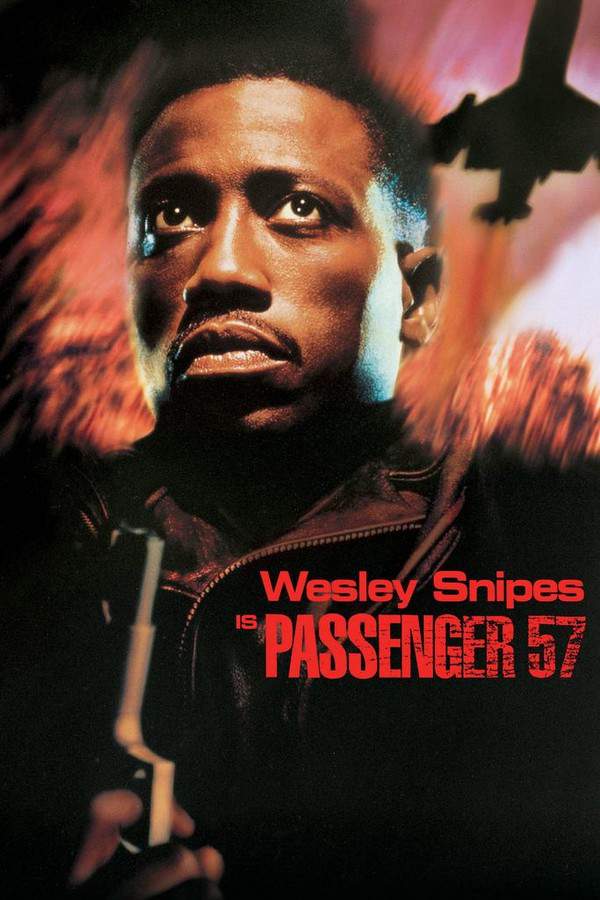
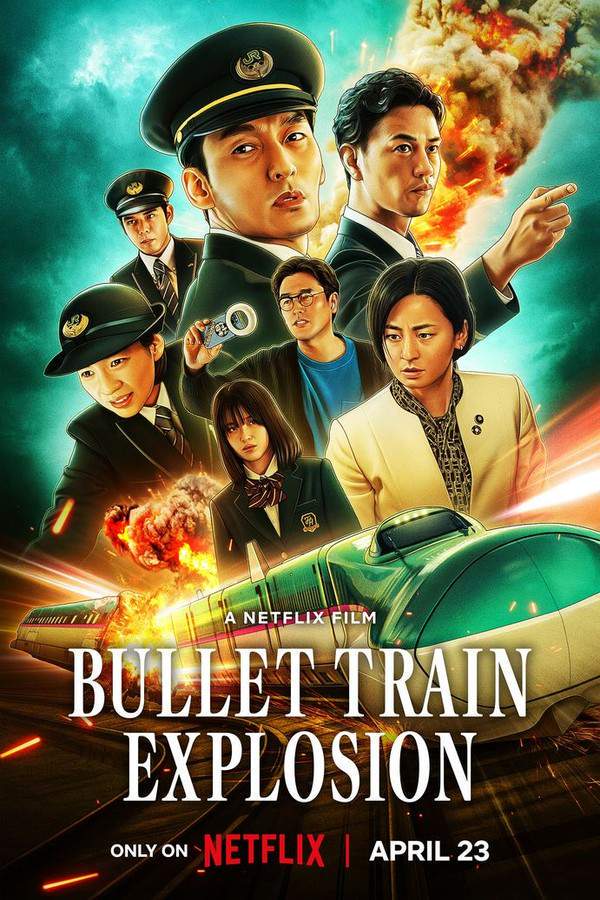
Tense real-time survival movies like Hijack 1971

High-stakes disaster scenarios that unfold under relentless pressure. If you enjoyed the claustrophobic tension and high-stakes disaster of Hijack 1971, this thread features similar movies where survival hangs in the balance. These stories often take place in confined locations like planes, trains, or submarines, creating an immersive and desperate race against time with similar fast pacing and high intensity.

  • tense
  • claustrophobic
  • anxious
  • gripping
  • desperate
  • urgent
  • Tone: tense, desperate
  • Pacing: fast, urgent
Why these movies?

The story pattern: The narrative pattern follows a linear, high-pressure crisis from inciting incident to final outcome, often unfolding in a compressed time frame. Characters are thrown into immediate peril and must use ingenuity and courage to navigate escalating threats, with a focus on teamwork and sacrifice under duress.

Why they belong together: These movies are grouped together for their shared core experience: a relentless, tense, and confined disaster scenario. They prioritize pacing and situational tension over complex plotting, creating a gripping and anxious viewing experience centered squarely on survival.
Movies with bittersweet heroic endings like Hijack 1971

Stories where victory is achieved only through profound personal loss. For viewers moved by the poignant and sacrificial ending of Hijack 1971, this thread highlights films with a similar bittersweet emotional conclusion. These are stories where the central conflict is resolved, but the victory feels weighted by loss, featuring heavy emotional themes and heroic characters who pay the ultimate price.

  • tragic
  • heroic
  • bittersweet
  • heavy
  • solemn
  • sacrificial
  • Tone: heavy, bittersweet
  • Pacing: steady, building to climax
Why these movies?

The story pattern: The narrative pattern centers on a major conflict where a protagonist or key character makes a conscious, selfless choice that leads to a positive outcome for the group, but results in their own demise or profound suffering. The ending delivers a complex mix of relief and sorrow, leaving a lasting emotional impact.

Why they belong together: These films are united by their exploration of sacrifice and their specific bittersweet emotional payoff. They resonate not just with the thrill of survival, but with the poignant cost associated with it, creating a deeply impactful and memorable viewing experience.

If you liked this

Movies Like Hijack 1971

Similar movies to Hijack 1971: the same genre, themes or kind of story. Each one comes with its own plot summary, timeline and ending explained.

Browse all movie summaries

Every angle

Hijack 1971 (2024) Explained: Plot, Ending, Timeline & Characters

Everything about Hijack 1971 in one place: what happens in the plot summary, the timeline in chronological order, the characters and meaning, the ending explained and a spoiler-free summary. What's After the Movie adds the cast, box office and post-credit scenes.

Coming soon on iOS and Android

The Plot Explained Movie Summary App

Plot summaries, endings explained and timelines on your phone. Catch up on any movie in minutes, save your favorites and never miss a twist again.

Be the first to know when we launch. Your email stays private, always.

Learn more about the app