Plot Explained Spoilers guaranteed!
Plot Explained

Browse by genre

High Wall (1947) movie poster

Timeline

High Wall (1947) Timeline Explained – Every Event in Order

Release, runtime and language
1947 · 99 mins · English
Loading streaming availability…
Directed by
Curtis Bernhardt
Starring
John Beck, Vince Barnett, Moroni Olsen, Jonathan Hale, Herbert Marshall, Audrey Totter

Steven Kenet, who suffers from recurring brain injury, appears to have strangled his wife and confesses the crime. He is placed in an understaffed county asylum teeming with difficult inmates, where the claustrophobic environment heightens the tension. Dr. Ann Lorrison, skeptical of his story and his refusal of treatment, begins to doubt his guilt.

On this page (6)
  1. 1 Where to watch
  2. 2 Events in order (15)
  3. 3 Timeline questions answered
  4. 4 Movie threads
  5. 5 Movies like High Wall
  6. 6 Every angle
Loading streaming availability…

15 events in order · contains spoilers

High Wall Timeline: Events in Chronological Order

Every key event of High Wall (1947) in order, scene by scene, with when and where it takes place. Use it to untangle flashbacks, time jumps and parallel storylines, to refresh your memory before the sequel or to find the exact scene you are thinking of.

  1. Car crash to cover wife's murder

    Steven Kenet's car plummets into a river as he tries to stage a suicide and conceal the strangulation murder of his wife. He survives but suffers memory gaps from a wartime brain injury aggravated by a Burma crash. He is sent to a county psychiatric hospital for a sanity evaluation related to the murder.

    Where
    river
  2. Hospital evaluation begins

    Kenet falls under the scrutiny of the county psychiatric hospital where doctors assess his mental state and fitness to stand trial. Dr. Ann Lorrison takes a personal and professional interest in his case. A potential brain-injury surgery is discussed as a possible remedy.

    Where
    county psychiatric hospital
  3. Surgery refused; mental fight to stall

    Doctors propose surgery to relieve the brain injury, but Kenet refuses to consent and begins stalling. He hopes to buy time to clear his name and protect his six-year-old son. The standoff sets the stage for a high-stakes legal and medical struggle.

    Where
    hospital
  4. Mother's death spurs a life-changing decision

    Lorrison informs Kenet that his mother has died, ostensibly doom­ing his son to a county orphanage. Convinced this will ruin his ability to care for his child, Kenet agrees to undergo the surgery to secure custody.

    Where
    hospital
  5. Crucial blackmail attempt unfolds

    Henry Cronner, the janitor of Whitcombe's building, tries to blackmail Kenet over his potential involvement in his wife's death. After being rebuffed, Cronner hints he can 'save' Kenet but demands payment for details. The tension hints at a larger web of danger surrounding Whitcombe.

    Where
    Whitcombe's building
  6. Cronner is murdered by elevator shaft

    Whitcombe effectively silences Cronner by sending him plummeting to his death down the building's elevator shaft. The murder demonstrates Whitcombe's willingness to eliminate anyone who might threaten his position. Kenet remains unaware of Cronner's fate at this point.

    Where
    Whitcombe's building elevator shaft
  7. Narcosynthesis unlocks buried memory

    Kenet undergoes narcosynthesis with a light dose of sodium pentothal to jog his memory. He recalls blacking out just as his hands clenched around his wife's neck and later waking to find her dead. The procedure provides crucial, if fragmentary, clarity about the night of the murder.

    Where
    hospital
  8. Escape attempt: hides in the doctor’s car

    Following the procedure, Kenet hides in Dr. Lorrison's car to escape from the hospital grounds. He begins to chart a path toward Whitcombe, intent on uncovering the truth and seeking resolution. The escape marks a turning point in his fight for freedom.

    Where
    hospital grounds
  9. Reenactment begins at Whitcombe's apartment

    Kenet breaks into Whitcombe's apartment and recreates a scene resembling what he recalled under the drug. The act is a bold bid to trigger a reaction and pressure Whitcombe. He returns to the hospital after the break-in, hoping to stay under the radar.

    Where
    Whitcombe's apartment
  10. Back at the hospital, waiting for a call

    Kenet returns to the hospital, unnoticed and unbetrayed by Dr. Lorrison, and waits for Whitcombe to contact him. The quiet interlude heightens the tension as both men circle the truth. The next move could decide his fate.

    Where
    hospital
  11. Whitcombe provokes Kenet into rage

    Whitcombe shows up and deliberately provokes Kenet into a murderous rage by confessing his two killings. The confrontation pushes Kenet toward a desperate decision that could expose Whitcombe's guilt. The dynamic between the men shifts dramatically in that moment.

    Where
    Whitcombe's apartment
  12. Escape again and head to Whitcombe's apartment

    In a burst of action, Kenet steals Lorrison's car and escapes the hospital again, making his way to Whitcombe's apartment. He is determined to confront the truth and force Whitcombe to confess. Lorrison accompanies him, insisting on staying by his side.

    Where
    hospital parking lot
  13. Fight, then truth serum on Kenet

    A brutal fistfight dazes Whitcombe, creating a window for the truth. Seizing the moment, Lorr Morrison administers sodium pentothal to Kenet to draw out further truth and confessions. The sequence uncovers deeper layers of Whitcombe's guilt.

    Where
    Whitcombe's apartment
  14. Full confession reaches the authorities

    Whitcombe's complete confession is presented before a waiting group of policemen and the district attorney, who tells Kenet he is free to go. Although the drugged statements may be inadmissible, the truth begins to surface through other channels. The legal resolution appears within reach.

    Where
    police station
  15. Reunion and new beginnings

    Kenet and Lorr Morrison go to her home, where she has custody of his son the entire time. Kenet is reunited with his child, and the couple finally feel free to pursue their romantic future together. A new life begins for the small family.

    Where
    Lorr Morrison's home

Last updated: October 09, 2025 at 11:03

Was this helpful?

Timeline questions answered

High Wall Timeline Explained: Your Questions Answered

When does it happen, and why in that order? The questions people ask about the chronology of High Wall (1947): time jumps, flashbacks, cause and effect between scenes and the correct order of events, each answered with spoilers.

Q1

Why did Steven Kenet crash his car into the river after his wife's murder?

Kenet crashed his car into the river to stage his wife's death as a suicide and cover up the strangulation. He had no memory of committing the murder due to his wartime brain injury aggravated by a recent crash in Burma, so he genuinely believed he was concealing a suicide rather than his own crime.

Foreshadowing: Earlier scenes establish Kenet's memory gaps from his brain injury, making his confused attempts to cover up the crime plausible.

  • car crash
  • river
  • cover up
  • suicide
  • memory loss
  • brain injury
Q2

Why does Kenet refuse the brain surgery offered by Dr. Lorrison?

Kenet refuses surgery because he fears that undergoing anesthesia and recovery time would delay his legal case indefinitely. He needs to clear his name and prove his innocence before he can be a fit guardian for his six-year-old son.

Foreshadowing: The film establishes early on that Kenet's primary motivation is protecting his child's future.

  • brain surgery
  • refuse treatment
  • son
  • custody
  • legal case
Q4

How does Willard Whitcombe kill Henry Cronner the janitor?

Whitcombe silences Cronner by pushing him down the building's elevator shaft, making it appear as an accident or suicide. Cronner had been blackmailing Whitcombe over his possible involvement in Kenet's wife's death.

Foreshadowing: Cronner's earlier threat to expose Whitcombe establishes clear motive for eliminating him.

  • elevator shaft
  • Cronner murder
  • Whitcombe
  • blackmail
  • janitor
Q5

What is narcosynthesis and what does it reveal about the murder?

Narcosynthesis is a light dose of sodium pentothal (truth serum) used to help Kenet recall the night of the murder. Under the drug, he remembers blacking out just as his hands tightened around his wife's neck, confirming he was the one who strangled her, though he has no memory of consciously doing so.

Foreshadowing: The film hints at Kenet's violent episodes stemming from his brain injury throughout the asylum scenes.

  • narcosynthesis
  • sodium pentothal
  • truth serum
  • memory
  • flashback
Q6

Did Steven Kenet actually kill his wife?

Yes, under the influence of his brain injury causing a blackout episode, Kenet strangled his wife. However, Willard Whitcombe goads Kenet later by confessing that he also killed Kenet's wife and the janitor Cronner, revealing he bears full moral responsibility for orchestrating the deaths.

Foreshadowing: The narrative's complexity lies in Kenet's amnesia, making his guilt ambiguous until the confession.

  • wife murder
  • guilt
  • Kenet
  • Whitcombe
  • confession
  • blackout
Q7

Why does Willard Whitcombe confess to killing Kenet's wife and Cronner?

During the confrontation at Whitcombe's apartment, Kenet overpowers him in a fistfight. While Whitcombe is dazed, Dr. Lorrison administers sodium pentothal to Kenet, and the drug induces Whitcombe to give a complete confession of his crimes, believing he is still under interrogation.

Foreshadowing: The earlier scene where Kenet breaks into Whitcombe's apartment to reenact the crime foreshadows this climactic confrontation.

  • Whitcombe confession
  • truth serum
  • fistfight
  • murders
  • Lorrison
Q8

Why does Dr. Lorrison have custody of Kenet's son throughout the film?

The film reveals at the end that Lorrison had been caring for Kenet's son the entire time he was in the hospital. This explains her deep personal investment in his case beyond professional duty, she was already acting as a surrogate mother to his child.

Foreshadowing: Lorrison's unusual interest in Kenet's case and his son's welfare hints at her hidden involvement.

  • son
  • custody
  • Lorrison
  • hidden
  • reunion
  • family
Q9

Why does Kenet escape from the psychiatric hospital?

Kenet escapes twice to pursue his own investigation of Whitcombe. First, after narcosynthesis reveals fragmentary memories, he hides in Lorrison's car to break into Whitcombe's apartment. Later, after Whitcombe provokes him into a rage, Kenet steals Lorrison's car again to confront Whitcombe directly and force a confession.

Foreshadowing: The escape attempts mark turning points where Kenet shifts from passive patient to active investigator.

  • escape
  • hospital
  • Whitcombe
  • investigation
  • manhunt
  • car
Q10

What was Willard Whitcombe's motive for killing Kenet's wife?

The film implies Whitcombe had personal motives connected to his position as Kenet's wife's boss, though the exact reason is not fully detailed. His willingness to kill both Cronner and Helen Kenet suggests he wanted to eliminate anyone who threatened his secrets or could expose his crimes.

Foreshadowing: Cronner's blackmail attempt hints at dark secrets connecting Whitcombe to the murder.

  • Whitcombe motive
  • wife death
  • boss
  • blackmail
  • secrets
Q11

How does Kenet clear his name if Whitcombe's confession was made under truth serum?

While confessions obtained under sodium pentothal would be inadmissible in court, Kenet tells the district attorney that he is confident of building his defense the old-fashioned way, implying he will use the confession as leads to gather physical evidence and witness testimony to prove his innocence.

Foreshadowing: The film's resolution leaves Kenet's legal future hopeful but realistic about the challenges ahead.

  • confession inadmissible
  • trial
  • defense
  • evidence
  • freedom
  • DA

Movie threads

More Movies Like High Wall, by Mood & Story

Curated lists built around what makes High Wall tick: the same mood, the same kind of story or the same emotional payoff. Each list explains why these movies belong together.

Wrongfully accused thrillers like High Wall

Desperate characters fight to prove their innocence against overwhelming odds. If you liked the tension of High Wall, explore more movies like it where an innocent person must clear their name. These films share a similar dark tone, heavy emotional weight, and a steady investigative pace, focusing on psychological pressure and the fight for justice.

  • tense
  • anxious
  • suspenseful
  • desperate
  • paranoid
  • hopeful
  • Tone: dark, tense, desperate
  • Pacing: steady, investigative
Why these movies?

The story pattern: These narratives typically begin with a false accusation or damning evidence, thrusting the protagonist into a confined or oppressive situation. The plot revolves around a tense investigation, often aided by an unlikely ally, as the hero uncovers the truth while grappling with their own psychological state and the threat of permanent injustice.

Why they belong together: Movies in this thread are united by their core premise of a protagonist battling a miscarriage of justice. They share a consistently high-tension, dark tone, and a feeling of claustrophobia—whether physical or psychological—driven by a steady, investigative pacing that builds towards a hopeful resolution.
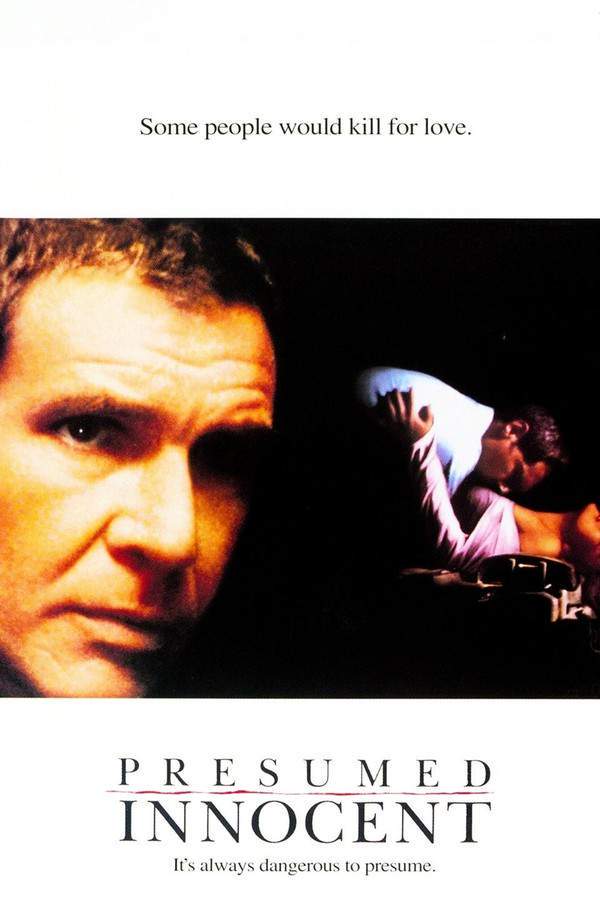
Claustrophobic noir dramas set in asylums like High Wall

Dark psychological dramas set within the oppressive walls of a mental institution. For viewers seeking movies like High Wall, this collection focuses on dark crime stories within mental institutions. These films share a claustrophobic, tense atmosphere, themes of psychological trauma and murder, and a mix of thriller and drama genres, delivering a heavy, suspenseful experience.

  • claustrophobic
  • tense
  • anxious
  • paranoid
  • suspenseful
  • melancholic
  • Tone: dark, anxious, melancholic
  • Pacing: steady, building tension
Why these movies?

The story pattern: Stories in this thread unfold within the restrictive environment of a mental hospital, often featuring a protagonist—either a patient or a doctor—investigating a hidden truth. The narrative uses the setting's inherent tension to create a mood of uncertainty, where danger comes from both within and outside the institution's walls, leading to revelations about crime and the human mind.

Why they belong together: These movies are grouped by their distinctive setting and the resulting mood. The asylum provides a built-in sense of claustrophobia and anxiety, which pairs perfectly with noir themes of crime, moral ambiguity, and psychological unraveling, creating a uniquely intense and suspenseful viewing experience.

If you liked this

Movies Like High Wall

Similar movies to High Wall: the same genre, themes or kind of story. Each one comes with its own plot summary, timeline and ending explained.

Browse all movie summaries

Every angle

High Wall (1947) Explained: Plot, Timeline & Characters

Everything about High Wall in one place: what happens in the plot summary, the timeline in chronological order, the characters and meaning and a spoiler-free summary. What's After the Movie adds the cast, box office and post-credit scenes.

Coming soon on iOS and Android

The Plot Explained Movie Summary App

Plot summaries, endings explained and timelines on your phone. Catch up on any movie in minutes, save your favorites and never miss a twist again.

Be the first to know when we launch. Your email stays private, always.

Learn more about the app