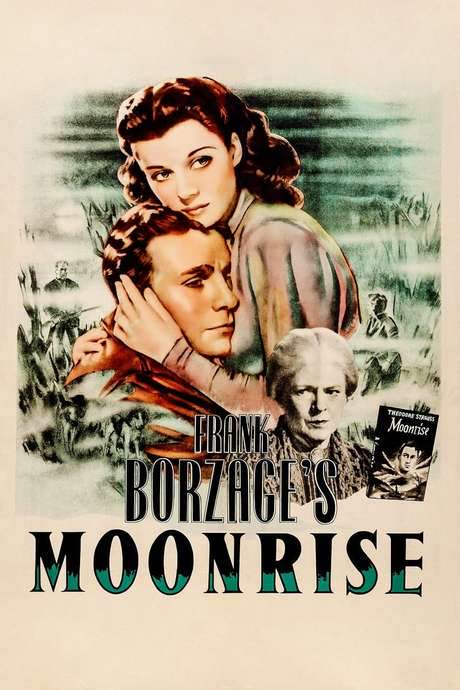
On a desolate city street, Walt Sherrill, a brilliant rocket scientist, finds his car out of gas just as a speeding car full of well-dressed young men swerves into view and hits him with brutal force. The assault leaves him battered and furious, but even more disturbing is the sense that the police, including the investigating officer Sergeant Koleski, are slow to act, overwhelmed by the case and more focused on procedure than pursuit. Frustration grows into obsession as Sherrill resolves to find his attackers himself, a choice that blurs the line between justice and vengeance.
What begins as a personal crusade soon gnaws at his job and his marriage, pushing him toward a dangerous brink. He stocks a gun and spends long hours at the range, pounding tin cans as if training for a confrontation that might never end. His wife, Tracey, portrayed with quiet fear, watches the man she knows slip away into a vigilante resolve. The tension at home sharpens when a threatening ball bearing is hurled through their window, a stark reminder that the gang’s cruelty has entered their private space.
One night, Sherrill spots a convertible that resembles one belonging to the attackers and tails it at reckless speed. The driver turns out to be a frightened teenage girl who phones the police, and the ensuing ordeal lands Sherrill in jail for a night, until Sergeant Koleski has him released. The incident underscores how personal this feud has become and how little protection there is from a system that seems to move with glacial tempo.
To get answers, Sherrill hires Finney, a relentless private investigator, whose work begins to crack the case open. Finney’s findings point toward Chuck Landry, the gang’s cunning leader, a discovery that reshapes the hunter into a hunted man. The pursuit grows more perilous: a member of the gang commits suicide under the mounting pressure, and Finney’s high-speed tailing of Landry ends in tragedy as Landry’s car plunges into a ravine and Finney is killed.
With Landry now directly linked to Sherrill’s life, the stakes surge to a boiling point. Landry infiltrates Sherrill’s world, menacing Tracey and plotting to shoot the husband when he returns home. He evades capture in a tense game with the authorities, leaving behind his abandoned car as a breadcrumb. Waiting at Landry’s address, Sherrill executes his plan with a quiet, grim force. The confrontation in the Landry house ends with a brutal beating, a near-drowning in the pool, and a moment of moral reckoning. In the end, Sherrill makes a decisive choice to hand Landry over to Sergeant Koleski, stepping back from the edge and letting the law take its course.
The film builds a tense atmosphere through a relentless, methodical march toward vengeance, while continually probing the costs of that path on a man’s career, his marriage, and his sense of reality. It is a study in obsession that never excuses violence but asks how far one man will go when the system seems slow, and the danger feels all too personal.