Plot Explained Spoilers guaranteed!
Plot Explained

Browse by genre

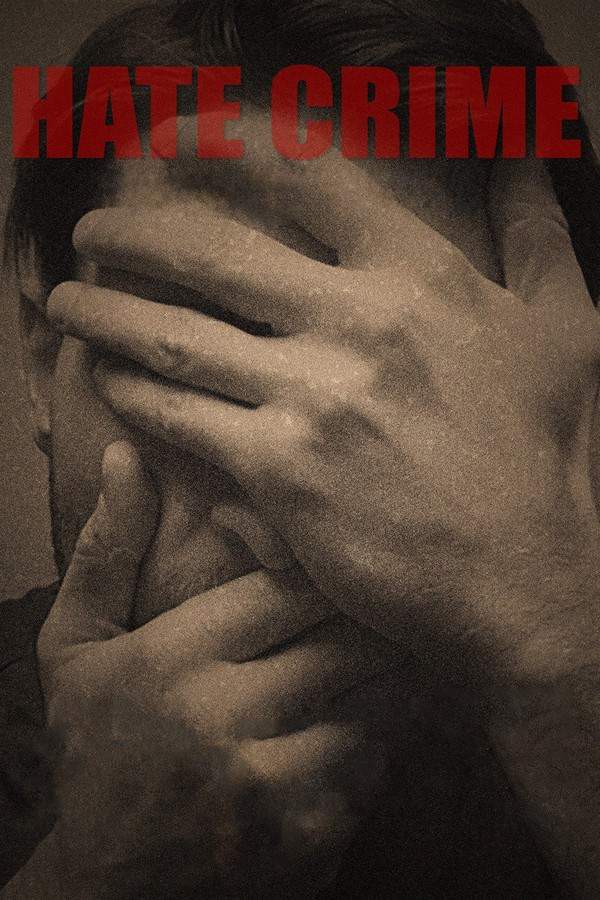
Hate Crime (2006) movie poster

Plot Summary

Hate Crime (2006) Plot Summary Explained

Release, runtime and language
2006 · 103 min · English
JustWatch #16,270 10
Directed by
Tommy Stovall

When a brutal, hate-fueled attack shatters the peaceful life of a gay couple, suspicion immediately turns to their neighbor, the son of a fundamentalist preacher with a known history of intolerance. As the investigation progresses, Robbie finds himself entangled in a complicated network of hidden truths and escalating tensions. He must confront dangerous secrets and engage in a perilous game of cat-and-mouse, ultimately leading to devastating consequences for everyone involved.

On this page (6)
  1. 1 Where to watch
  2. 2 What happens: full plot
  3. 3 Plot questions answered
  4. 4 Movie threads
  5. 5 Movies like Hate Crime
  6. 6 Every angle

Where to watch

Where to Watch Hate Crime (2006)

Where can you watch Hate Crime? Stream, rent or buy it in the US, including on Amazon Prime Video, Fawesome and Hoopla: current JustWatch availability with up-to-date prices.

Streaming availability powered by JustWatch

Full plot summary · contains spoilers

What Happens in Hate Crime: Full Plot Summary

The whole story of Hate Crime (2006) explained, from the opening scene to the final frame: every key event, every twist and what it all adds up to. Read it as a quick recap before the sequel, to check a scene you missed, or to finally understand what really happened.

Robbie Levinson and Trey McCoy, Seth Peterson and Brian J. Smith respectively, are an openly gay couple living in a quiet suburban home near friend and next-door neighbor Kathleen Slansky, Lin Shaye. They’re planning a commitment ceremony to exchange rings, a step that fills their daily life with anticipation and a sense of permanence. Trey's mother Barbara, Cindy Pickett, suggests to Trey that the couple consider raising a child, a proposal that adds a new dimension to their hopes for the future and stirs quiet debates about family, responsibility, and belonging.

Tension rises when Chris Boyd, Chad Donella, arrives next door with a moving truck, accompanied by his friend Alton Kachim, Luke King. They watch Trey kiss Robbie with a mix of surprise and discomfort, and Alton’s crude homophobic jokes only deepen the unease. Chris, a youth pastor and the son of Pastor Boyd, Bruce Davison condemns homosexuality with a fervor that reverberates through the neighborhood. After Kathleen refuses a church pamphlet, Chris delivers it anyway and warns of consequences if he gets involved, while Robbie begins to learn about the church his neighbor supports and the complex history surrounding Pastor Boyd, who is angered by the scandalous estrangement from his supposed daughter-in-law.

Tragedy strikes when Trey is brutally attacked with a baseball bat while walking his Boston Terrier and is left in a hospital bed, unconscious and eventually slipping into a coma. With a criminal investigation opening, the Boyd family conspires to craft an alibi for Chris, even as Robbie resolves to commit to Trey, wearing their rings as a symbol of their bond. Yet Trey’s condition worsens, suffering a severe brain hemorrhage, and he dies without ever waking. At Trey's viewing, Robbie wears the rings as a quiet, painful vow to keep Trey’s memory alive.

The case is reassigned to homicide Detective Esposito, Giancarlo Esposito, who questions Robbie and points out the troubling fingerprint evidence on the murder weapon, casting doubt on Robbie’s innocence. Robbie is briefly arrested and given a restraining order after a failed attempt to obtain a secretly recorded confession from Chris. Undeterred, Robbie later enters Chris’s home and discovers gay pornography in his internet bookmarks, a detail that begins to unravel the night’s tangled motives.

Pastor Boyd confronts Chris with photographs from a private investigator showing Chris meeting for anonymous gay sex on multiple occasions, revealing that Chris was with a lover on the night of the murder. Detective Fisher, Farah White, contacts Alton, who surmises that Chris killed Trey as the night’s alibi collapses. Pastor Boyd finally confronts his son and confesses to the murder, a confession that Robbie records on a tape and hands to Esposito. Esposito hesitates to pursue the pastor, confiscating the tape, but Barbara recovers it, keeping the evidence alive.

Chris laments his fate, considering suicide, but he refuses to testify against his father, and he even leaves Robbie his father’s gun. Driven to seek justice and truth, Robbie, Kathleen, and Barbara devise a plan to break into the Boyd home in disguise to retrieve the tape-recording. With Chris’s testimony against his dead father, Esposito reluctantly accepts the staged break-in as a legitimate path to truth, and the case threads toward its tense, morally fraught resolution.
Last updated: November 22, 2025 at 15:58

Was this helpful?

Plot questions answered

Hate Crime Plot Explained: Your Questions Answered

The questions people ask most about Hate Crime (2006): what happens in the confusing scenes, why the characters do what they do, the twists, hidden details and what the ending means. Each answer contains spoilers.

Q1

Who actually attacked Trey and why?

Pastor Boyd, Chris's father, was the one who actually attacked Trey with a baseball bat, not Chris as initially suspected. Pastor Boyd committed the murder to protect his family's reputation after discovering that Chris was secretly meeting men for anonymous gay sex. He wanted to prevent a scandal that would expose his son's homosexuality and ruin his pastoral career.

Foreshadowing: Earlier scenes show Pastor Boyd's extreme reaction to the scandal of his son being estranged from a presumed daughter-in-law, hinting at his obsession with family image.

  • pastor boyd
  • trey attack
  • murderer
  • hate crime motive
Q2

Why was Robbie initially suspected of killing Trey?

Detective Esposito suspected Robbie because his fingerprints were found on the alleged murder weapon, and he had recently taken out a large insurance policy on Trey. These circumstantial pieces of evidence made Robbie the primary suspect, despite his obvious grief and lack of motive.

Foreshadowing: The investigation begins with Esposito focusing on the most obvious suspect before deeper evidence emerges.

  • robbie arrest
  • fingerprints
  • insurance policy
  • detective esposito
Q3

Why did Pastor Boyd confess to the murder?

Pastor Boyd confessed to protect his son Chris from being exposed as gay. A private investigator had photographed Chris meeting men for anonymous sexual encounters, and Pastor Boyd discovered these photos. Rather than let the truth destroy his family's reputation and his church's standing, he chose to kill Trey and frame it as a hate crime, believing this would be less shameful than his son's homosexuality becoming public.

Foreshadowing: The film establishes early on that Pastor Boyd is obsessed with maintaining a respectable public image and is angered by anything that threatens his family's reputation.
  • pastor boyd confession
  • protect son
  • family reputation
  • hidden homosexuality
Q4

What did the gay pornography found in Chris's home reveal?

The gay pornography Robbie discovered in Chris's internet bookmarks revealed that Chris was living a double life, he was secretly gay but publicly presented himself as a homophobe and youth pastor. This discovery was crucial because it explained Chris's extreme hostility toward Robbie and Trey as internalized homophobia, and it eventually led to Pastor Boyd's motive for the murder.

Foreshadowing: Chris's aggressive reactions to the couple from the moment he moved in were disproportionate, hinting at personal conflict.

  • chris boyd
  • gay porn
  • secret life
  • internal homophobia
  • hidden identity
Q5

Why did Robbie, Kathleen, and Barbara break into the Boyd home?

They broke into the Boyd home to retrieve the tape recording of Pastor Boyd's confession, which Esposito had confiscated and refused to use. With the pastor dead and Chris refusing to testify against his father, they staged the break-in as a way to get Chris to testify truthfully about what happened, forcing Esposito to accept the evidence and achieve justice.

Foreshadowing: Esposito's refusal to pursue the pastor after confiscating the tape created the necessity for desperate measures.

  • break-in
  • retrieve tape
  • confession evidence
  • staged plan
  • legal workaround
Q6

Why did Detective Esposito hesitate to pursue the case against Pastor Boyd?

Esposito hesitated because Pastor Boyd was a well-respected community figure and the pastor of a large church. Pursuing the case would have been politically difficult and unpopular. When Robbie handed over the confession tape, Esposito confiscated it rather than use it, showing reluctance to take action against someone of the pastor's standing.

Foreshadowing: The film establishes early on how Pastor Boyd's position in the community gives him power and protection.
  • detective esposito
  • pastor boyd
  • corruption
  • community standing
  • refused evidence
Q7

Why did Chris give Robbie his father's gun?

Chris gave Robbie his father's gun as he contemplated suicide, feeling trapped between his father's crimes and his refusal to testify against him. By giving Robbie the gun, he was essentially giving up and allowing Robbie to use it to get justice or even take revenge. This act symbolized Chris's complete breakdown and surrender to the situation.

Foreshadowing: Chris's emotional state deteriorates throughout the film as the truth about his father and his own secrets unravel.

  • chris gun
  • suicide attempt
  • emotional breakdown
  • burden of secret
Q8

What was the significance of the commitment rings?

The commitment rings symbolized Robbie and Trey's planned commitment ceremony and their permanent bond as a couple. Robbie wore them throughout Trey's hospitalization and at his viewing, making a painful vow to keep Trey's memory alive. The rings represented their love and the future they were planning before the attack.

Foreshadowing: The commitment ceremony planning is introduced early in the film as a source of hope and anticipation.

  • commitment rings
  • robbie trey
  • love symbol
  • wedding rings
  • remembrance
Q9

Why did Barbara help Robbie after Trey's death?

Barbara, Trey's mother, helped Robbie because she wanted justice for her son's murder and recognized that the real culprit was getting away with it. She also felt betrayed by Pastor Boyd's crime and the way the Boyd family had concealed the truth. Her motivation was both personal grief and moral outrage at the cover-up.
Foreshadowing: Barbara's earlier suggestion about raising a child showed her investment in the couple's future together.

  • barbara
  • trey mother
  • help robbie
  • justice
  • support
Q10

What did Alton know about the attack?

Alton was Chris's friend who initially made homophobic jokes and hinted that something should be done about the gay couple. When Detective Fisher contacted him, Alton deduced that Chris must have killed Trey because he knew Chris wasn't at home the night of the murder, he had no alibi. His testimony helped point the investigation toward the truth.

Foreshadowing: Alton's early threats and uncomfortable reactions to the couple suggested he was aware of more than he let on.

  • alton kachim
  • witness
  • chris alibi
  • detective fisher
  • testimony
Q11

What was Kathleen's role in the investigation?

Kathleen was Robbie and Trey's neighbor and friend who initially refused the church pamphlet from Chris. She later helped Robbie and Barbara execute the plan to break into the Boyd home to retrieve the confession tape. Her involvement showed solidarity with Robbie and a willingness to risk everything for justice.

Foreshadowing: Kathleen's conflict with Chris over the pamphlet established her as an ally from the beginning.

  • kathleen slansky
  • neighbor
  • break-in
  • support
  • plan

Movie threads

More Movies Like Hate Crime, by Mood & Story

Curated lists built around what makes Hate Crime tick: the same mood, the same kind of story or the same emotional payoff. Each list explains why these movies belong together.

Movies about Avenging a Loss like Hate Crime

Stories where a profound loss ignites a dangerous and morally fraught quest for justice. If you were gripped by the grief-fueled investigation in Hate Crime, explore these movies where a profound personal tragedy sparks a dangerous quest for justice. These stories often feature morally complex protagonists navigating a world of secrets and violence, driven by love and loss.

  • grieving
  • suspenseful
  • angry
  • investigative
  • somber
  • tense
  • Tone: tense, somber, heavy
  • Pacing: steady, driven
Why these movies?

The story pattern: The narrative follows a protagonist shattered by a sudden, violent loss, typically of a loved one. Their grief transforms into a driving force for an investigation that is both personal and perilous. The journey is marked by escalating tension, moral compromises, and the uncovering of hidden truths, often leading to a resolution that brings more somber closure than happy victory.

Why they belong together: These films are grouped by their central emotional engine: a quest for justice born from deep personal grief. They share a heavy emotional weight, high tension, and a focus on the psychological cost of revenge and the search for truth in the face of overwhelming loss.

Thrillers with Heavy Moral Conflict like Hate Crime

Thrillers where characters are trapped in agonizing ethical dilemmas with high stakes. If the complex ethical dilemmas in Hate Crime captivated you, discover more thrillers that put characters in intense moral crucibles. These movies explore the gray areas of justice, where right and wrong are blurred, and every choice carries devastating consequences.

  • tense
  • unsettling
  • oppressive
  • moral conflict
  • suspenseful
  • somber
  • Tone: tense, unsettling, morally complex
  • Pacing: steady, escalating
Why these movies?

The story pattern: The plot revolves around a central ethical dilemma that forces the protagonist to make a difficult, often morally ambiguous, decision. The narrative tension is sustained by the consequences of this choice, exploring themes of justice, hypocrisy, and the cost of compromising one's principles. The endings are typically bittersweet or bleak, reflecting the Pyrrhic nature of the victory.

Why they belong together: These films are united by their exploration of weighty moral questions within a thrilling framework. They share a tense tone, high intensity, and a narrative structure that prioritizes ethical conflict as the primary source of drama and suspense.

If you liked this

Movies Like Hate Crime

Similar movies to Hate Crime: the same genre, themes or kind of story. Each one comes with its own plot summary, timeline and ending explained.

Browse all movie summaries

Every angle

Hate Crime (2006) Explained: Plot, Timeline & Characters

Everything about Hate Crime in one place: what happens in the plot summary, the timeline in chronological order, the characters and meaning and a spoiler-free summary. What's After the Movie adds the cast, box office and post-credit scenes.

Coming soon on iOS and Android

The Plot Explained Movie Summary App

Plot summaries, endings explained and timelines on your phone. Catch up on any movie in minutes, save your favorites and never miss a twist again.

Be the first to know when we launch. Your email stays private, always.

Learn more about the app