Plot Explained Spoilers guaranteed!
Plot Explained

Browse by genre

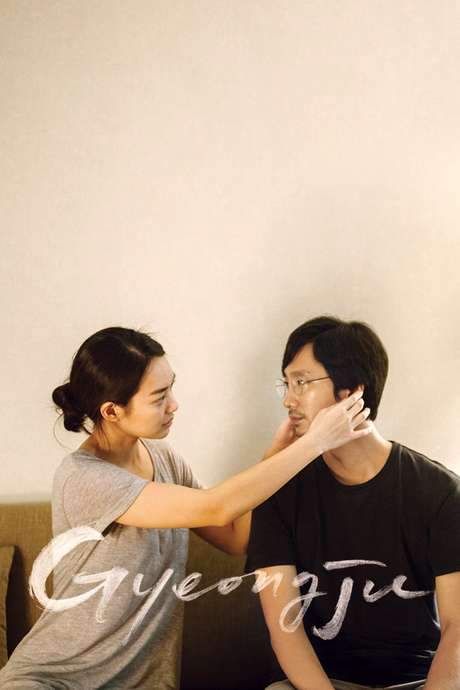
Gyeongju (2014) movie poster

Timeline

Gyeongju (2014) Timeline Explained – Every Event in Order

Release, runtime and language
2014 · 145 mins · Korean
Loading streaming availability…
Directed by
Zhang Lu
Starring
Kim Tae-hun, Yoon Jin-seo, Park Hae-il, Lee Choon-yun, Kwak Ja-hyung, Ryoo Seung-wan

A Beijing professor travels back to his hometown for a friend’s funeral, prompting a journey of reflection on his past. There, he encounters a tea shop owner, and an unexpected connection blossoms amidst grief and bittersweet memories, offering a chance for love and healing.

On this page (5)
  1. 1 Where to watch
  2. 2 Events in order (15)
  3. 3 Timeline questions answered
  4. 4 Movie threads
  5. 5 Every angle
Loading streaming availability…

15 events in order · contains spoilers

Gyeongju Timeline: Events in Chronological Order

Every key event of Gyeongju (2014) in order, scene by scene, with when and where it takes place. Use it to untangle flashbacks, time jumps and parallel storylines, to refresh your memory before the sequel or to find the exact scene you are thinking of.

  1. Arrival in Korea to pay respects

    Choi Hyeon travels to Korea to pay his respects to his recently deceased friend Kim Chang-hee. He meets their mutual friend Kang, setting the stage for the visit. The trip also introduces Hyeon's reputation as a China-based history professor who is frequently mistaken for odd by locals.

    When
    Day 1, morning
    Where
    Korea
  2. Reunion with Kang

    Hyeon and Kang reconnect during the visit, exchanging memories and observations about their shared past. The interaction hints at a quiet, complex friendship rather than overt warmth. This meeting helps anchor Hyeon's emotional landscape as he moves through the city.

    When
    Day 1, afternoon
    Where
    Korea
  3. Hyeon as an outsider

    In conversations with locals, Hyeon is often mistaken for a weirdo, a misreading that underscores his aloof, enigmatic presence. He politely avoids deeper connections when people try to reach out, yet maintains a carefully cultivated outward closeness. The dynamic emphasizes his role as observer rather than social participant.

    When
    Day 1, late afternoon
    Where
    Korea
  4. Post-visit wandering in Gyeongju

    After paying his respects, Hyeon wanders through Gyeongju, a city famed for its tombs and tumuli from the Silla Kingdom. The ancient landscape sparks reflections on memory and history as he moves along the streets. The mood blends reverie with a sense of being a stranger in a storied past.

    When
    Day 2, morning
    Where
    Gyeongju
  5. Return to the teahouse from seven years past

    Hyeon visits a teahouse that he, Kim, and Kang had frequented seven years earlier. The familiar space stirs memories and a sense of unfinished business from the past. He feels drawn to the place as if time loops back to previous conversations.

    When
    Day 2, afternoon
    Where
    Gyeongju teahouse
  6. Curiosity about the vanished erotic art

    Inside the teahouse, Hyeon becomes curious about an erotic artwork that had once been displayed there and has since vanished. The missing piece becomes a focal point for his introspection and for the mystery surrounding the teahouse. The artwork’s absence heightens the tension between memory and reality.

    When
    Day 2, afternoon
    Where
    Gyeongju teahouse
  7. Interest in Gong Yun-hee

    Hyeon notices the current teahouse owner, Gong Yun-hee, and his interest expands beyond the physical space. Their interaction hints at a potential connection, driven by shared curiosity about the art and its history. The day unfolds with a subtle, evolving attraction.

    When
    Day 2, afternoon
    Where
    Gyeongju teahouse
  8. An invitation and an unsettled answer

    Gong invites Hyeon to her bed, but he remains preoccupied with his thoughts and the missing artwork. He gives only a distracted response, prioritizing his internal preoccupations over immediate intimacy. The scene deepens his portrayal as a man haunted by memory.

    When
    Day 2, night
    Where
    Gyeongju teahouse
  9. Morning departure and ominous news

    He leaves the teahouse in the morning, aware that some people he saw yesterday have died. The news unsettles him and reinforces the theme of mortality. His wandering continues as he pieces together what his visit means.

    When
    Day 3, morning
    Where
    Gyeongju
  10. Continued wandering after dawn

    Hyeon spends more time wandering, letting his thoughts guide him through the city’s quiet spaces. The day’s drift mirrors his inner detachment and curiosity about the living and the dead. The city’s history serves as a mirror for his own unsettled state.

    When
    Day 3, late morning
    Where
    Gyeongju
  11. The next morning’s wallpapered art curiosity

    The next morning at the teahouse, Gong Yun-hee grows curious about the erotic art, which she has since covered with wallpaper. The concealment adds to the painting’s enigmatic aura and raises questions about ownership and memory. Hyeon’s earlier fascination lingers in the air.

    When
    Day 3, morning
    Where
    Gyeongju teahouse
  12. Flashback to the teahouse table

    A flashback unfolds showing Hyeon and his friends seated at the teahouse table and commenting on the erotic painting. The painting bears the provocative message, 'Lets have a drink and then each other,' connecting past conversations to present longing. The memory deepens the mystery surrounding the teahouse.

    When
    Day 3, afternoon
    Where
    Gyeongju teahouse
  13. Kim Chang-hee’s widow as former owner

    It is revealed that Kim Chang-hee’s widow appears to have been the teahouse’s previous owner. The revelation reframes the space as a site of personal histories and unresolved ties. The teahouse thus stands as a crossroads between friendship, love, and legacy.

    When
    Day 3, afternoon
    Where
    Gyeongju teahouse
  14. Memory as a living presence

    As events unfold, Hyeon contemplates that the teahouse is more than a setting; it seems to carry the memories of Kim Chang-hee and Kang. The place acts as a conduit for past relationships to intersect with present curiosity. This realization adds a melancholic layer to the narrative.

    When
    Day 3, afternoon
    Where
    Gyeongju teahouse
  15. Legacy and unfinished business

    With the widow’s appearance and the teahouse’s ownership history, the film hints at unresolved affairs threading through generations. Hyeon’s visit becomes less about the museum-like past of Gyeongju and more about what remains unspoken between friends. The ending leaves questions about memory, art, and mortality.

    When
    Day 3, afternoon
    Where
    Gyeongju teahouse

Last updated: February 24, 2026 at 14:12

Was this helpful?

Timeline questions answered

Gyeongju Timeline Explained: Your Questions Answered

When does it happen, and why in that order? The questions people ask about the chronology of Gyeongju (2014): time jumps, flashbacks, cause and effect between scenes and the correct order of events, each answered with spoilers.

Q1

Why is Choi Hyeon so distant and aloof throughout the film?

Hyeon maintains emotional distance as a coping mechanism for grief. Having lost his close friend Kim Chang-hee, he processes his loss through quiet observation rather than open emotion. His career as a history professor in China has also contributed to his detached demeanor, as he has spent years as an outsider looking in. The film shows him avoiding deeper connections with locals who try to engage him, preferring to wander the ancient streets of Gyeongju alone with his thoughts.

Foreshadowing: Early scenes establish Hyeon as someone who maintains a polite but closed exterior when others attempt to reach out.

  • emotional detachment
  • grief
  • coping mechanism
  • professor character
Q2

What is the significance of the missing erotic painting at the teahouse?

The painting serves as a symbol of the past and lost intimacy among Hyeon and his friends. It once bore the provocative text "Let's have a drink and then each other," representing a carefree chapter in their youth. Its disappearance marks how much has changed in seven years, the friends have scattered, Kim Chang-hee has died, and the teahouse has changed ownership. Hyeon's fixation on finding the painting reflects his desire to reconnect with that past and understand what has been lost.

Foreshadowing: The flashback reveals the painting was a focal point of conversation among the friends, establishing its emotional weight.

  • painting
  • symbolism
  • memories
  • teahouse
  • erotic art
Q3

Why does Gong Yoon-hee invite Hyeon to her bed?

Gong Yoon-hee's invitation stems from both genuine attraction and a deeper curiosity about Hyeon. She senses he is troubled and haunted by something, and she offers intimacy as a form of connection and healing. However, Hyeon is too preoccupied with his thoughts about the missing painting and his grief to accept. This moment highlights the contrast between Gong's willingness to live in the present and Hyeon's entrapment in the past.

Foreshadowing: Earlier interactions show Gong observing Hyeon with curiosity, suggesting she is drawn to his mysterious nature.

  • intimacy
  • connection
  • gong yoon-hee
  • offer
Q4

What happens to the people Hyeon encounters on his first day?

The people Hyeon encounters on his first day in Gyeongju die the following morning. This tragic news reaches him as he prepares to leave the teahouse, adding an ominous layer to his journey. The film does not specify their identities or the exact cause of death, but the event reinforces the themes of mortality and the fragile nature of life that permeate Hyeon's reflections throughout the film.

Foreshadowing: The encounters feel somewhat random and disconnected, suggesting these characters exist on the periphery of Hyeon's experience.

  • death
  • mortality
  • ominous
  • encounters
Q5

Who owned the teahouse before Gong Yoon-hee?

Kim Chang-hee's widow, Lee Na-ra, was the previous owner of the teahouse before Gong Yoon-hee took over. This revelation comes late in the film and connects the space to Hyeon's lost friend in a more personal way. The teahouse becomes not just a place of nostalgic回忆 but also a site tied to Kim Chang-hee's family and legacy, adding layers of meaning to Hyeon's emotional journey.

Foreshadowing: The film hints at connections between the teahouse and Kim Chang-hee throughout, with the widow's appearance finally confirming the link.

  • teahouse ownership
  • lee na-ra
  • kim chang-hee widow
Q6

Why is Hyeon so fixated on finding the missing painting?

Hyeon's fixation on the painting goes beyond casual curiosity, it represents his attempt to hold onto something tangible from his past. The painting was a fixture during his formative years with Kim Chang-hee and Kang, symbolizing their friendship and a more carefree time. Its absence mirrors the larger losses he has experienced: his friend is gone, the group has scattered, and the teahouse itself has changed. Finding the painting would mean recovering a piece of himself that he fears is lost forever.

Foreshadowing: The teahouse visit triggers memories of happier times, and the painting becomes the focal point of his longing.

  • obsession
  • past
  • memory loss
  • friendship
Q7

What do the ancient tombs and ruins of Gyeongju represent for Hyeon?

The tombs and ancient ruins of Gyeongju serve as a mirror for Hyeon's internal state. As a history professor, he is drawn to the Silla-era sites, but their significance goes deeper, they represent the passage of time, the inevitability of death, and the persistence of memory across centuries. Wandering among these ancient graves, Hyeon contemplates his own mortality, his unresolved grief, and how his life will be remembered. The tombs embody the film's themes of impermanence and legacy.

Foreshadowing: His choice to wander the ancient city rather than engage with the present signals his preoccupation with what has already passed.

  • tombs
  • history
  • gyeongju
  • reflection
  • mortality
Q8

What is the meaning of the painting's text "Let's have a drink and then each other"?

The provocative text on the painting represents the carefree, youthful camaraderie that existed between Hyeon, Kim Chang-hee, and Kang. It captures a time when their bond was expressed through shared drinks and easy intimacy. The phrase also hints at the deeper emotional connection they shared, something that has now been severed by death and time. The flashback scene shows them debating the painting's meaning, revealing how these moments defined their friendship.

Foreshadowing: The flashback directly shows the friends discussing the painting, establishing its importance to their shared history.

  • painting text
  • youth
  • friendship
  • camaraderie
Q9

Why does Hyeon avoid forming connections with people he meets?

Hyeon's pattern of avoiding deeper connections stems from his emotional guardedness, which was likely intensified by his friend's death. He maintains a polite exterior but actively deflects when people try to engage him more deeply. This behavior reflects his belief that getting close to others leads to loss. His choice to wander Gyeongju alone rather than spend time with old friends or new acquaintances demonstrates his fear of experiencing grief again.

Foreshadowing: From the first scene, locals perceive him as odd because of his reluctance to engage authentically.

  • emotional isolation
  • avoidance
  • fear of loss
  • grief
Q10

What was the nature of Hyeon's friendship with Kim Chang-hee?

Hyeon and Kim Chang-hee shared a deep, meaningful friendship that formed the foundation of Hyeon's emotional world. The teahouse they frequented together represents this bond, and Kim's death leaves a significant void in Hyeon's life. Despite their closeness, Hyeon's grief manifests as withdrawal rather than outward mourning. The fact that he travels to Korea specifically to pay respects shows how important this friendship was, even as he struggles to express his emotions openly.

Foreshadowing: The funeral sets the entire narrative in motion, and Hyeon's wandering through Gyeongju is implicitly driven by memories of his friend.

  • friendship
  • kim chang-hee
  • death
  • bond
Q11

Why does Gong Yoon-hee become curious about the painting she covered with wallpaper?

Gong Yoon-hee's curiosity about the painting emerges when she notices Hyeon's intense interest in it. Having covered the erotic artwork with wallpaper, she begins to question what significance it held and why a stranger would be so fascinated by its absence. This curiosity reflects her growing emotional investment in Hyeon and her desire to understand him. It also represents her own connection to the teahouse's mysterious past and the history she has inherited along with the space.

Foreshadowing: Gong observes Hyeon's fascination during their initial meeting, which prompts her to investigate further.

  • curiosity
  • painting
  • gong yoon-hee
  • wallpaper
Q12

Does Hyeon find healing or closure by the end of the film?

The film ends on a bittersweet note suggesting the possibility of healing without guaranteeing it. Hyeon's journey through Gyeongju allows him to confront his grief indirectly through the places and memories connected to his friend. His interactions with Gong Yoon-hee open a door to new connection, even though he is not yet ready to fully embrace it. The ending leaves questions about whether he will return to his detached ways or allow himself to move forward, embodying the film's themes of loss and the slow process of healing.

Foreshadowing: The film's melancholic tone and Hyeon's continued wandering suggest healing is a distant possibility rather than a certainty.

  • ending
  • closure
  • healing
  • bittersweet
  • closure

Movie threads

More Movies Like Gyeongju, by Mood & Story

Curated lists built around what makes Gyeongju tick: the same mood, the same kind of story or the same emotional payoff. Each list explains why these movies belong together.

Movies about melancholic homecomings like Gyeongju

Characters return to their past, finding solace and new beginnings amidst grief. If you appreciated the quiet, reflective journey in Gyeongju, explore these films. This list features character-driven stories where a return to the past prompts introspection and a gentle, healing connection, capturing a similar melancholic and nostalgic vibe.

  • nostalgic
  • contemplative
  • gentle
  • melancholic
  • reflective
  • quiet
  • Tone: melancholic, reflective, bittersweet
  • Pacing: slow, deliberate, contemplative
Why these movies?

The story pattern: Stories in this thread follow a linear, straightforward narrative where a character, often feeling detached or lost, is drawn back to a formative location by a personal loss. The plot revolves less around external events and more on their internal reflection, often leading to a meaningful, understated encounter that offers a chance for emotional resolution.

Why they belong together: These movies are grouped together because they share a specific emotional mix: a melancholic tone driven by themes of memory and loss, combined with a slow, contemplative pacing that allows for deep character immersion. The central experience is one of quiet reflection leading to a subtle, often bittersweet, emotional shift.

Movies with gentle, unexpected romance like in Gyeongju

Love stories that bloom quietly amidst themes of grief and reflection. For viewers who enjoyed the subtle, healing connection in Gyeongju, this list highlights films where romance blossoms quietly amidst a melancholic atmosphere. These stories prioritize emotional authenticity over conventional plotlines, featuring relationships that develop from shared introspection.

  • gentle
  • bittersweet
  • sincere
  • melancholic
  • hopeful
  • quiet
  • Tone: melancholic, hopeful, sincere
  • Pacing: slow, naturalistic
Why these movies?

The story pattern: The narrative pattern involves two characters meeting during a period of emotional vulnerability, often linked to loss or transition. Their connection builds slowly through quiet conversations and shared moments, serving as a counterpoint to the dominant somber mood. The romance provides a path toward healing without overshadowing the film's reflective core, resulting in a realistically understated and bittersweet emotional arc.

Why they belong together: These films are united by their portrayal of romance as a subtle, healing force within a larger dramatic context. They share a medium emotional weight, a melancholic tone punctuated by hopeful moments, and a slow pacing that allows the relationship to feel earned and authentic, rather than rushed or idealized.

Every angle

Gyeongju (2014) Explained: Plot, Timeline & Characters

Everything about Gyeongju in one place: what happens in the plot summary, the timeline in chronological order, the characters and meaning and a spoiler-free summary. What's After the Movie adds the cast, box office and post-credit scenes.

Coming soon on iOS and Android

The Plot Explained Movie Summary App

Plot summaries, endings explained and timelines on your phone. Catch up on any movie in minutes, save your favorites and never miss a twist again.

Be the first to know when we launch. Your email stays private, always.

Learn more about the app