Plot Explained Spoilers guaranteed!
Plot Explained

Browse by genre

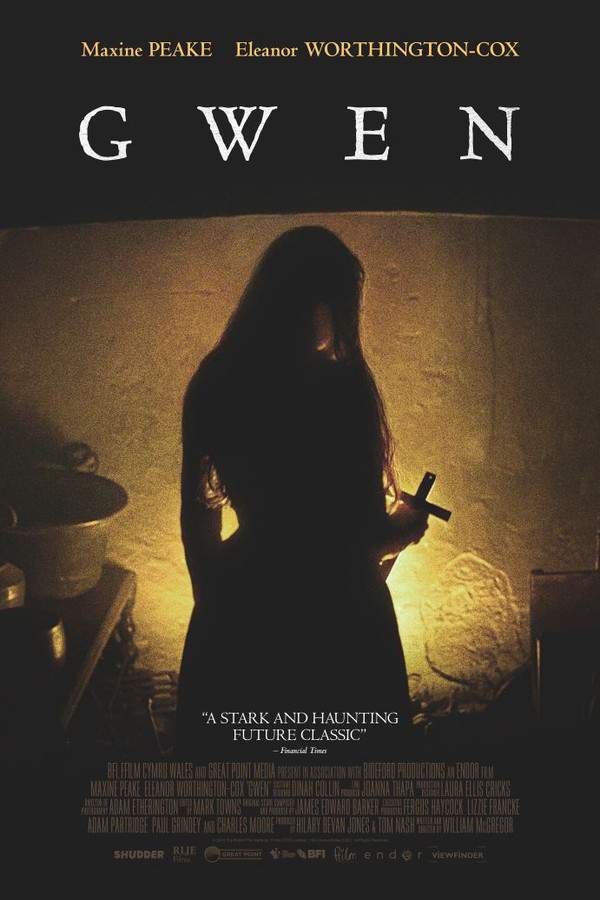
Gwen (2019) movie poster

Plot Summary

Gwen (2019) Plot Summary & Ending Explained

Release, runtime and language
2019 · 84 min · English
Echo score 70
Loading streaming availability…
Directed by
William McGregor
Starring
Maxine Peake, Mark Lewis Jones, Richard Elfyn, Dyfrig Evans, Eleanor Worthington-Cox, Gwion Glyn
Budget
$2M

Set in 19th-century Snowdonia, Wales, this film follows a young woman struggling to keep her family together. Her mother suffers from a mysterious illness, and her father is largely absent. Facing the threat of a mining company and a growing sense of dread, the family finds themselves increasingly isolated. As a mysterious force takes hold, Gwen and her loved ones become the target of suspicion and fear from the local community.

On this page (7)
  1. 1 Where to watch
  2. 2 What happens: full plot
  3. 3 Plot questions answered
  4. 4 How it ends
  5. 5 Movie threads
  6. 6 Movies like Gwen
  7. 7 Every angle
Loading streaming availability…

Full plot summary · contains spoilers

What Happens in Gwen: Full Plot Summary

The whole story of Gwen (2019) explained, from the opening scene to the final frame: every key event, every twist and what it all adds up to. Read it as a quick recap before the sequel, to check a scene you missed, or to finally understand what really happened.

In the 19th century, nestled in North Wales, a young farm girl named Gwen lives with her mother and younger sister, Mari. One day, while playing outside, the girls pass by a neighboring farmhouse, where they observe a group of men attending to what appears to be several dead bodies. The local doctor, Dr. Wren, attributes these deaths to cholera.

The following morning, the family goes to church. After the service, Gwen's mother engages in a brief conversation with a stranger. However, upon returning home, they are confronted with a horrifying sight: an animal heart has been nailed to their front door. The next day brings more trouble as Gwen discovers that their crops have spoiled unexpectedly. Curious about the man her mother spoke to, Gwen inquires whether they might be selling their home, but her mother dismisses the idea.

Soon after, Gwen witnesses her mother in the pasture, distraught over their sheep that have been mutilated and killed. Determined to uncover what is happening, Gwen investigates the cholera-infected house nearby and observes signs that suggest a struggle has occurred, connecting the patterns of violence to their farm's plight. When she shares her findings with her mother, she is scolded and told to stop.

The situation escalates when Gwen's mother suffers a violent seizure, which grabs the attention of Dr. Wren during church. He prescribes a tonic wine, subtly indicating that his medical practice is financially tied to the local quarry company. Meanwhile, as Gwen sells vegetables at the market, she notices the villagers giving her unsettling looks or outright ignoring her, further intensifying her sense of isolation.

The tensions rise when men from the quarry arrive at their farm to negotiate with Gwen's mother, insisting on purchasing their land. After a hostile conversation, her mother sends them away, but the confrontation has severe consequences. As punishment for eavesdropping, Gwen is forced to butcher their dead horse, a task her mother insists upon until she ultimately resorts to violence.

Later, while reading a letter at her mother's request, Gwen uncovers the painful truth: their father will never return home, something her mother had kept secret. Tragedy strikes when a man armed with a dagger approaches their farmhouse, leading to a violent encounter where Gwen and her mother must defend themselves. In the chaos that follows, Gwen's mother orders the girls to flee, just as the quarry men overpower her and set their home ablaze.

In the aftermath, Gwen and Mari escape into the hills, watching their home burn to the ground. As they grapple with their uncertain future, Mari asks where they will go next, to which Gwen resolutely responds that they will begin a search for their father, hoping to find safety and security in a world now filled with darkness and despair.

Last updated: September 18, 2026 at 08:59

Was this helpful?

Plot questions answered

Gwen Plot Explained: Your Questions Answered

The questions people ask most about Gwen (2019): what happens in the confusing scenes, why the characters do what they do, the twists, hidden details and what the ending means. Each answer contains spoilers.

Q1

Why are the villagers turning against Gwen and her family?

As misfortunes accumulate on the farm, spoiled crops, mutilated livestock, and a mysterious illness affecting Gwen's mother, the community begins treating the family as a source of bad luck. Dr. Wren publicly attributes nearby deaths to cholera, and the villagers channel their fear into suspicion of Gwen's household rather than the quarry company or the disease itself. This scapegoating is amplified by the animal heart nailed to their door, which signals that someone is deliberately marking them as cursed.

Foreshadowing: The men handling the dead bodies at the neighboring farmhouse early on establish the village's willingness to treat unexplained death as something to be feared and assigned blame for.

  • villagers
  • hostility
  • scapegoating
  • cholera
  • suspicion
Q2

What is causing Gwen's mother's seizures and illness?

The film deliberately leaves the mother's condition ambiguous. Her violent seizures appear to be triggered or worsened by stress, fear, and physical hardship, but there is also a strong implication of something supernatural or poisonous at work, possibly connected to the same force responsible for the dead livestock and spoiled crops. Dr. Wren's prescription of a tonic wine tied to the quarry company rather than real medicine suggests the official explanation cannot be trusted, leaving the true cause unresolved.

Foreshadowing: The mother's secret conversation with the stranger at church, immediately followed by the animal heart on their door, hints that her condition is entangled with forces beyond ordinary illness.

  • mother
  • illness
  • seizures
  • supernatural
  • tonic wine
Q3

Is the illness spreading through the village really cholera?

Dr. Wren claims the deaths at the neighboring farmhouse are caused by cholera, but the evidence in Gwen points in other directions. The pattern of violence, mutilated animals, spoiled crops, a heart nailed to a door, does not match a natural epidemic. The film uses the cholera diagnosis as a convenient cover that allows the community to blame a known disease instead of confronting the quarry's role in poisoning the land or the possibility of a supernatural force targeting Gwen's family.

Foreshadowing: Gwen notices signs of a struggle inside the infected house that contradict a simple disease outbreak, hinting the official story is incomplete.

  • cholera
  • disease
  • Dr. Wren
  • cover-up
  • epidemic
Q4

Who nailed the animal heart to Gwen's front door?

The film never identifies a specific culprit, which is part of what makes the threat feel pervasive. The heart appears right after Gwen's mother speaks to a stranger at church, suggesting it is either a warning from someone connected to the quarry, a ritualistic act by locals who believe the family is cursed, or a manifestation of the same mysterious force driving the other aggressions. Its purpose is to mark the family as outsiders or victims, escalating their isolation.

Foreshadowing: The unease the girls feel passing the neighboring farmhouse, where dead bodies are being collected, foreshadows the violence being directed at Gwen's own home.

  • animal heart
  • door
  • threat
  • ritual
  • warning
Q5

Why won't Gwen's father ever come back home?

The letter Gwen reads reveals only that he will not return, without explaining why. Given the era and setting, the most likely explanations are that he has died, been imprisoned, or abandoned the family entirely, possibly to escape the same pressures the quarry and the village bring to bear. The mother's decision to hide this truth for so long suggests she believed the girls needed the hope of his return to survive, even as the family was falling apart.

Foreshadowing: The father's absence is felt from the opening scenes, when Gwen shoulders chores and responsibilities that suggest no adult man is present in the household.

  • father
  • letter
  • absence
  • abandonment
  • secret
Q6

Why does Dr. Wren prescribe a tonic wine instead of proper medicine?

Dr. Wren's prescription is not really about healing, his medical practice is financially dependent on the local quarry company. By offering the mother a tonic that keeps her dependent and quietly indebted, he protects the quarry's interests and avoids investigating the real source of the family's suffering. His diagnosis of cholera serves the same function, keeping the village focused on a familiar illness rather than the quarry's encroachment on their land.

Foreshadowing: When Dr. Wren first attributes the nearby deaths to cholera, Gwen's silence already signals that she does not fully accept his explanation.

  • Dr. Wren
  • tonic wine
  • quarry
  • corruption
  • medicine
Q7

Why are the quarry men so determined to buy Gwen's family land?

The quarry company needs to expand its operations to keep exploiting the mineral wealth of Snowdonia, and Gwen's farm sits in the way of that expansion. Because the mother refuses to sell, the company uses a combination of economic pressure, social isolation, and ultimately violence to force them out. The film frames this corporate encroachment as the structural cause behind nearly every misfortune the family suffers.

Foreshadowing: Dr. Wren's ties to the quarry company, established early through the tonic prescription, hint that local institutions are already aligned against the family.

  • quarry
  • land
  • mining company
  • industrial
  • expansion
Q8

Why did Gwen's mother force her to butcher the dead horse?

The mother's punishment is a brutal attempt to teach Gwen the harsh realities of their situation and to harden her against the hardships ahead. With their father gone and the quarry closing in, the mother knows Gwen will need to be capable of survival tasks she has never faced. The act also channels the mother's own grief and rage, and when Gwen resists, her mother takes over violently, underscoring how fear is breaking the family apart from within.

Foreshadowing: Earlier, Gwen is already shown taking on adult chores while her mother grows weaker, foreshadowing this forced transition into harder labor.

  • horse
  • butchering
  • punishment
  • mother
  • survival
Q9

Who was the man with the dagger, and why did he attack the family?

The film does not clearly identify the intruder, but he appears to be acting on the same hostile impulse that has been building throughout the film, either sent by the quarry, driven by villagers' belief that the family is cursed, or compelled by the mysterious force haunting them. The violent encounter forces Gwen and her mother into a desperate act of self-defense, killing the man and sealing the family's fate, since the quarry men soon arrive to finish what he started.

Foreshadowing: The escalating aggressions, animal heart, spoiled crops, mutilated sheep, each function as a step toward this direct, armed attack on the household.

  • intruder
  • dagger
  • attack
  • self-defense
  • violence
Q10

Why did the quarry men burn down the family's home?

After the family kills the intruder, the quarry men use the act of violence as justification to finish what their land negotiations failed to achieve. Burning the home eliminates the family as an obstacle, destroys evidence of the confrontation, and sends a message to anyone else who might resist the quarry's expansion. For Gwen's mother, it is the final defeat, she orders the girls to flee because there is nothing left to defend.

Foreshadowing: The quarry men's initial visit ends with a visibly hostile exchange, foreshadowing that a polite negotiation was never their only option.

  • burning
  • home
  • quarry men
  • arson
  • destruction
Q11

Why did Gwen's mother hide the truth about their father's absence?

The mother concealed the letter to protect her daughters from despair at a time when the family was already under enormous pressure from the quarry and the spreading fear in the village. Admitting that their father was never coming back would have removed the last source of hope the girls had. The reveal is timed to a moment when Gwen is old enough to share the burden, but it also deepens the family's tragedy by confirming they are truly alone.

Foreshadowing: Gwen's quiet attempts to ask about selling the house suggest she already senses that something about their future is being kept from her.

  • mother
  • secret
  • father
  • letter
  • truth
Q12

Is the threat facing Gwen's family supernatural or human?

Gwen deliberately blurs this line. On one level, every misfortune can be explained by the quarry company's greed and the villagers' fear-driven scapegoating. On another level, the ritualistic nature of the animal heart, the timing of the aggressions, and the mother's inexplicable seizures suggest something beyond ordinary malice. The film never confirms either reading, instead using the ambiguity to make the family's isolation feel total, attacked by people, by institutions, and possibly by something unseen.

Foreshadowing: The cholera diagnosis early on sets up two competing explanations, one rational, one suspicious, that the film never fully resolves.

  • supernatural
  • ambiguity
  • folk horror
  • force
  • explanation

Ending explained

What Happens at the End of Gwen?

How Gwen (2019) ends, in short: the final scene, the last twist and what it means for the characters. The full ending explained, with every spoiler, lives on its own page.

Read the full ending explained

Gwen Stacy ends up forming her own team of Spider-People to help rescue Miles Miles from danger after the chaos caused by The Spot and the multiverse's instability. Her team is made up of various Spider-Man variants introduced throughout the series, including Peter B. Parker, Spider-Punk, Peni Parker, Spider-Man Noir, Spider-Ham, Pavitr Prabhakar, and Spider-Byte. This diverse group is assembled using a special device that Gwen receives, allowing her to travel across the multiverse. Their mission is to locate Miles on Earth-42, save him from being held hostage by a different version of himself, and then return to prevent his father’s death at the hands of The Spot.

This team-up is vital because The Spot, who was initially perceived as a minor villain, becomes incredibly powerful—posing a serious threat not just in animation but across all Spider-Man stories—by the end of the film. Gwen’s team plays a crucial role in the narrative, especially in terms of enabling Miles’ survival and potentially altering the course of the multiverse. The team’s composition hints that it may expand further in future installments, possibly including live-action Spider-Man actors or other versions introduced in the wider franchise.

Continue reading the ending (1 more paragraphs)

Gwen’s leadership and her team’s efforts underscore her importance in the story’s continued development, as her actions directly contribute to setting up future conflicts and alliances. The film’s ending suggests that her team will be central in the next chapter, helping Miles to correct the multiverse’s chaos and ultimately shaping the future of the Spider-Verse saga. Her role as a leader reflects her growth from a side character to a key figure in the ongoing battle to preserve the multiverse’s integrity.

Gwen ending explained in full

Movie threads

More Movies Like Gwen, by Mood & Story

Curated lists built around what makes Gwen tick: the same mood, the same kind of story or the same emotional payoff. Each list explains why these movies belong together.

Rural folk horror like in Gwen

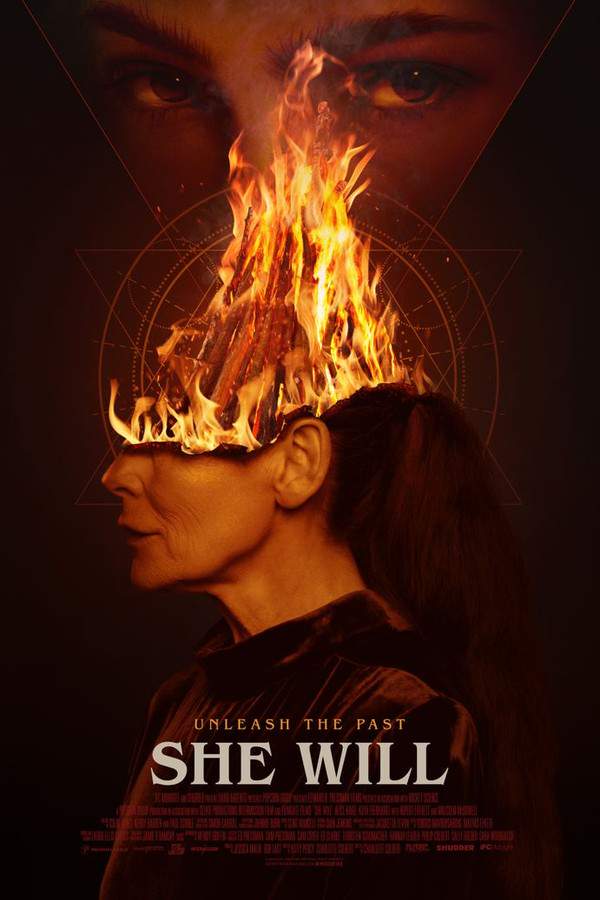
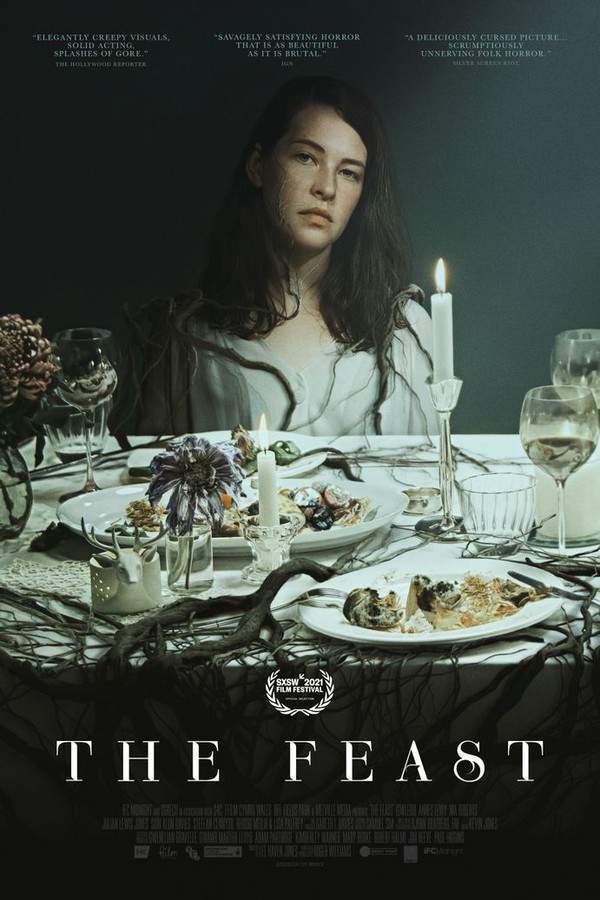
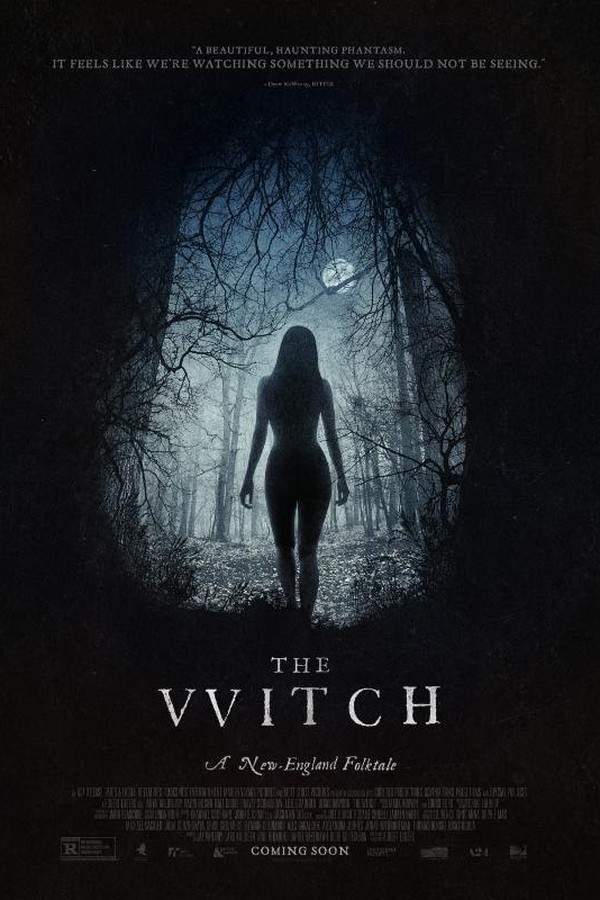
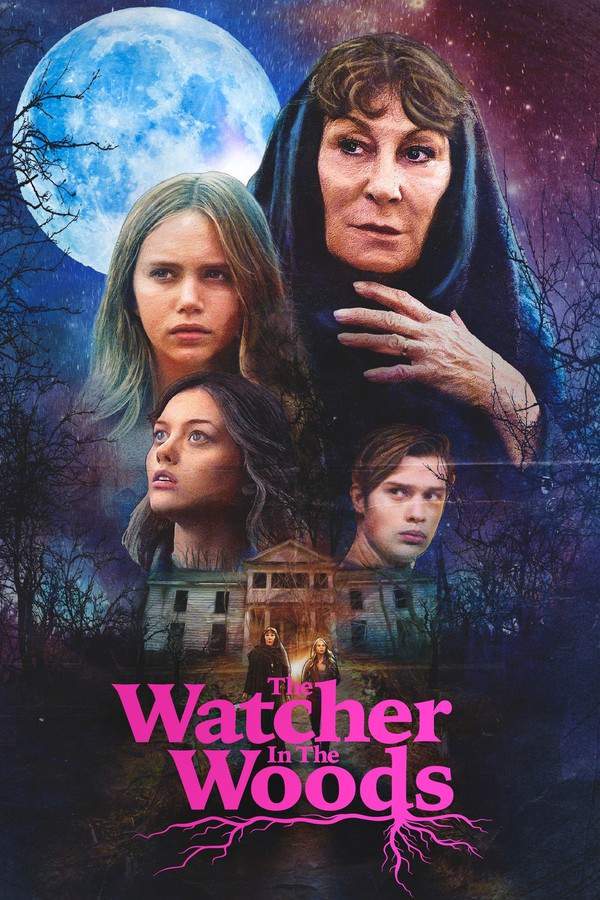
Atmospheric horror built on superstition, isolation, and rituals that close in around the vulnerable. If you liked Gwen and want more movies like it, this thread gathers slow burn folk horror set in remote rural landscapes. Expect eerie atmosphere, ritualistic violence, superstition clashing with ordinary life, and bleak endings where the land and its old ways win. Perfect for fans of oppressive historical horror with heavy emotional weight and no easy answers.

  • folk horror
  • rural dread
  • slow burn
  • eerie
  • oppressive
  • ritualistic
  • Tone: bleak, ominous
  • Pacing: slow burn
Why these movies?

The story pattern: These stories typically follow one or two protagonists who become increasingly unwelcome in their own community. The plot advances through a series of escalating, often inexplicable aggressions: mutilated animals, poisoned crops, whispered accusations, violent rituals that blur the line between social persecution and genuine supernatural force. A central character, often a young woman or marked outsider, must survive both human cruelty and an ancient, unknowable presence. The story rarely resolves cleanly: the supernatural threat stays ambiguous, and the human cost is total.

Why they belong together: These films share Gwen's commitment to atmosphere over action, building dread through visual composition, silence, and the steady erosion of safety. They rely on rural isolation, period or pre-industrial settings, and a deep sense that the land carries old wounds. Endings tend to be bleak or ambiguous, refusing the catharsis of conventional horror. The folk horror tradition draws from national mythologies across Britain, Scandinavia, Eastern Europe, and Indigenous cultures, so each film feels rooted in a specific place and history.
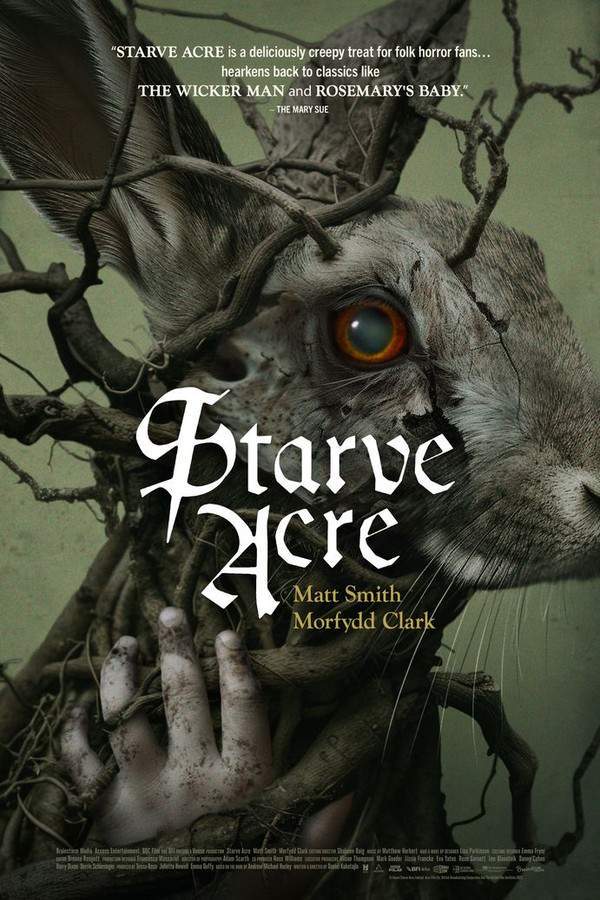
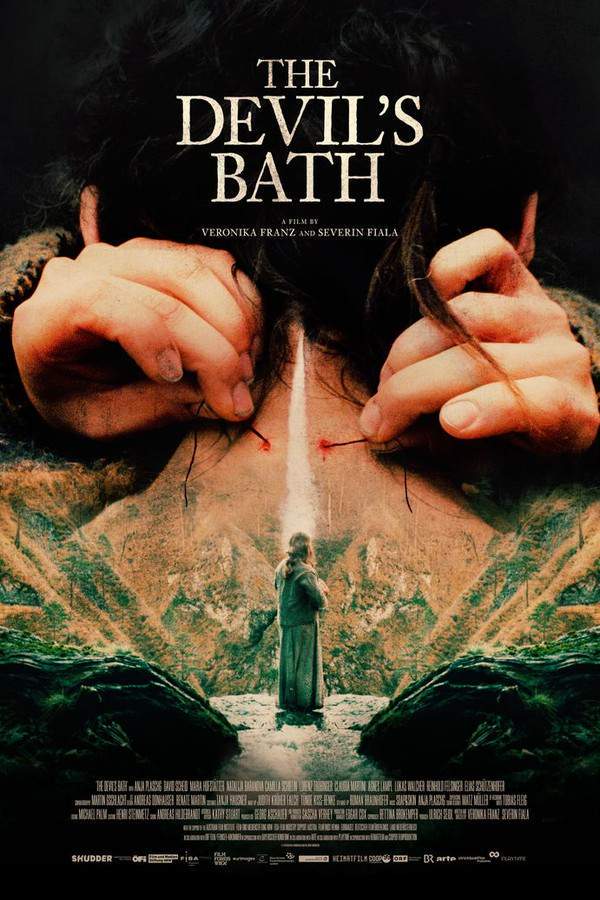
Bleak historical family stories like in Gwen

Period stories of families crushed by poverty, illness, and forces beyond their control. Looking for movies like Gwen that focus on a family falling apart in a past era? This thread collects heavy period dramas where poverty, illness, and social cruelty leave no room for hope. Ideal for viewers who want slow, devastating stories about mothers, daughters, and ordinary people crushed by the world around them, with bleak endings and no redemption in sight.

  • bleak
  • family tragedy
  • historical
  • poverty
  • mother daughter
  • devastating
  • Tone: bleak, mournful
  • Pacing: slow and patient
Why these movies?

The story pattern: A small family, often a mother and her children, sometimes a single parent holding things together, struggles against forces they cannot name or defeat. The plot unfolds through small, accumulating tragedies: a sick parent, an absent spouse, an empty larder, a community turning hostile. Historical context provides the inescapable weight: industrial change, rigid class systems, gendered oppression, or grinding rural poverty. The emotional arc moves from determined endurance through slow dread to total loss, with no catharsis and rarely any villain to blame, just an indifferent or openly hostile world.

Why they belong together: These films share Gwen's bleakness and its refusal to offer comfort. They treat the family unit as something sacred and fragile, then dismantle it in full view of the audience. The historical setting adds moral weight: viewers understand the characters had no safety net, no welfare, no escape route. Pacing is slow and observational, with long passages of daily labor and quiet suffering. Emotional weight is heavy, violence (when present) is unflinching, and endings tend toward devastation rather than resolution.

If you liked this

Movies Like Gwen

Similar movies to Gwen: the same genre, themes or kind of story. Each one comes with its own plot summary, timeline and ending explained.

Browse all movie summaries

Every angle

Gwen (2019) Explained: Plot, Ending, Timeline & Characters

Everything about Gwen in one place: what happens in the plot summary, the timeline in chronological order, the characters and meaning, the ending explained and a spoiler-free summary. What's After the Movie adds the cast, box office and post-credit scenes.

Coming soon on iOS and Android

The Plot Explained Movie Summary App

Plot summaries, endings explained and timelines on your phone. Catch up on any movie in minutes, save your favorites and never miss a twist again.

Be the first to know when we launch. Your email stays private, always.

Learn more about the app