Plot Explained Spoilers guaranteed!
Plot Explained

Browse by genre

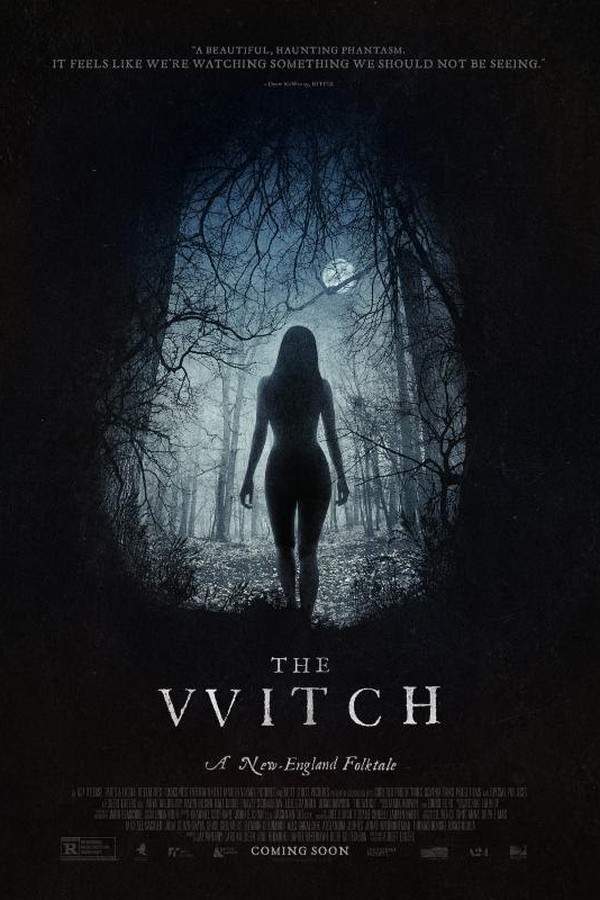
The Witch (2016) movie poster

Plot Summary

The Witch (2016) Plot Summary & Ending Explained

Release, runtime and language
2016 · 92 min · English
JustWatch #69 30
Directed by
Robert Eggers
Starring
Ralph Ineson, Anya Taylor-Joy, Julian Richings, Kate Dickie, Harvey Scrimshaw
Budget
$4M

In 17th-century New England, a family seeking refuge from religious persecution establishes a farm near a dense, ominous forest. As unsettling events unfold – livestock die mysteriously, crops fail, and their infant son vanishes – paranoia and dread grip the family. Fingers point towards Thomasin, a young woman, who vehemently denies any involvement in the escalating misfortunes. The family's faith and unity are tested as they confront a growing sense of evil.

On this page (7)
  1. 1 Where to watch
  2. 2 What happens: full plot
  3. 3 Plot questions answered
  4. 4 How it ends
  5. 5 Movie threads
  6. 6 Movies like The Witch
  7. 7 Every angle

Where to watch

Where to Watch The Witch (2016)

Where can you watch The Witch? Stream, rent or buy it in the US, including on Amazon Prime Video, Kanopy and Fandango at Home Free: current JustWatch availability with up-to-date prices.

Streaming availability powered by JustWatch

Full plot summary · contains spoilers

What Happens in The Witch: Full Plot Summary

The whole story of The Witch (2016) explained, from the opening scene to the final frame: every key event, every twist and what it all adds up to. Read it as a quick recap before the sequel, to check a scene you missed, or to finally understand what really happened.

The film opens in the 1630s New England, centering on William, the patriarch played by Ralph Ineson, who stands trial for heresy. He vehemently insists that those around him are false Christians, while the court accuses him of speaking against God. William's family, which includes his wife Katherine, portrayed by Kate Dickie, their eldest daughter Thomasin, played by Anya Taylor-Joy, son Caleb, portrayed by Harvey Scrimshaw, and the twins Mercy and Jonas, set out to establish their own farm after being expelled from their New England plantation. The twins develop a peculiar friendship with a large black goat they name Black Phillip.

One fateful afternoon, while playing Peek-A-Boo with her baby brother Samuel, Thomasin tragically loses him. When she looks down, she finds that he has vanished. We then witness a chilling scene deep in the woods, where an ancient, haggard woman is seen preparing what seems to be Samuel's remains before disappearing into the darkness. Katherine becomes heartbroken over the baby's disappearance, believing that a wolf is responsible. As Caleb joins William for a hunt, he grows distracted by Thomasin's burgeoning femininity and becomes haunted by the notion that their misfortunes are a punishment for sin.

During their hunting trip, William suffers an injury, which leads them back home where an enraged Katherine awaits. After an unsettling encounter at the river, where Mercy accuses Thomasin of witchcraft, the tension escalates. Thomasin, half-jokingly, claims to be a witch, terrifying Mercy with her words. With their crops failing, she and Caleb venture into the woods, only to become separated. Caleb stumbles upon a small, isolated cottage, leading to a disturbing encounter with a beautiful woman, played by Sarah Stephens, whose intentions are far from innocent.

Eventually, Thomasin finds Caleb in a vulnerable state, prompting the family to fear an evil presence is corrupting them. The children’s terrifying accusations against Thomasin ramp up to a point where even Katherine starts to believe them. As the family prays over an ailing Caleb, he succumbs to what seems like possession, ultimately dying with a smile, much to Thomasin's horror.

Accusations fly, leading William to confine his surviving children in the barn with their goats. There, they witness a horrifying sight involving a pale figure and blood, causing sheer terror. Meanwhile, Katherine, convinced of Thomasin's culpability, approaches what she believes to be Caleb, only to find herself ensnared in a gruesome illusion.

The following day, with the goats slaughtered and the twins missing, a chaotic confrontation occurs between Thomasin and William, which leads to a tragic end for Katherine. In a fit of rage and desperation, Thomasin kills her mother, only to seek solace in a dark pact with Black Phillip. When she finally encounters him, she strips herself of inhibitions, drawn into the woods where she finds a coven of witches, all engaged in an ecstatic dance around a fire. Amidst the chaos, Thomasin embraces the darkness and ascends, floating high above the trees, fully accepting her fate.
Last updated: November 04, 2024 at 06:33

Was this helpful?

Plot questions answered

The Witch Plot Explained: Your Questions Answered

The questions people ask most about The Witch (2016): what happens in the confusing scenes, why the characters do what they do, the twists, hidden details and what the ending means. Each answer contains spoilers.

Q1

Why was William's family expelled from the New England plantation?

William was tried for heresy after speaking out against the church, accusing other settlers of being false Christians. The court condemned him for blasphemy, and the family was forced to leave the plantation as a result of his religious beliefs.

Foreshadowing: William's defiant stance at his trial establishes his rebellious nature and sets the stage for the family's isolation.

  • heresy
  • blasphemy
  • expulsion
  • william
  • new england colony
Q2

What happened to the baby Samuel while Thomasin was watching him?

While Thomasin played Peek-A-Boo with infant Samuel, he mysteriously vanished from her arms. Later, the family witnesses an old woman deep in the woods appeared to be preparing what looked like Samuel's remains, suggesting he was taken and possibly killed.

Foreshadowing: The mysterious loss of Samuel early in the film sets the family's paranoia in motion and fuels Katherine's grief.

  • samuel
  • baby
  • thomasin
  • woods
  • disappearance
Q3

Why does Caleb smile when he dies?

Caleb was enticed by a witch in the woods who tempted him with forbidden knowledge and possibly sexual allure. His smile at death suggests he experienced some form of ecstatic vision or spiritual corruption, indicating the witch's influence over him before he succumbs.

Foreshadowing: Caleb's distraction by Thomasin's femininity during the hunting trip hints at his vulnerability to temptation.

  • caleb
  • smile
  • death
  • possession
  • witch
Q4

What is Black Phillip and why is he important?

Black Phillip is the large black goat that the twins befriend throughout the film. He is revealed to be the Devil himself in goat form, who tempts Thomasin at the film's climax. The goat serves as the embodiment of the film's central evil presence.

Foreshadowing: The twins' peculiar friendship with Black Phillip throughout the film foreshadows his true identity as a demonic entity.

  • black phillip
  • goat
  • devil
  • satan
  • twins
Q5

Why does Thomasin turn to witchcraft at the end?

After enduring relentless accusations from her family, watching her brother die, losing her baby brother, and ultimately killing her own mother in a moment of rage and desperation, Thomasin has nothing left. She chooses to embrace the darkness offered by Black Phillip as an escape from her shattered life and unbearable grief.

Foreshadowing: Thomasin's earlier joke about being a witch when scaring Mercy hints at her eventual acceptance of that identity.

  • thomasin
  • witchcraft
  • deal
  • black phillip
  • acceptance
Q6

Why does Katherine start believing Thomasin is a witch?

Katherine is grief-stricken over Samuel's disappearance and Caleb's strange death. Mercy's persistent accusations, the family's mounting misfortunes, and the general atmosphere of paranoia cause Katherine's faith to crumble. She projects her fear and grief onto Thomasin, especially after Caleb is found in a vulnerable state following time in the woods with her.

  • katherine
  • thomasin
  • accusation
  • witchcraft
  • faith
Q7

What happens to Caleb in the woods at the cottage?

Caleb becomes separated from Thomasin and discovers an isolated cottage occupied by a beautiful woman (a witch in disguise). She entices him inside, likely with supernatural temptation. When Thomasin later finds Caleb, he is in a highly disturbed state, leading to his possession and death.

Foreshadowing: Caleb's growing awareness of Thomasin's femininity and his guilt about sin make him susceptible to the witch's temptation.

  • caleb
  • woods
  • cottage
  • witch
  • temptation
Q8

Why does Thomasin kill her mother Katherine?

During a chaotic confrontation after the family's deterioration, Thomasin is pushed to her breaking point by relentless accusations and the loss of everyone she loved. In a fit of rage and desperation, she kills Katherine, an act that represents the complete destruction of the family unit.

Foreshadowing: The escalating tensions and accusations throughout the film build to this violent confrontation.

  • thomasin
  • katherine
  • kill
  • mother
  • rage
Q9

Why do the family's crops fail and livestock die?

The film implies that supernatural forces are at work against the family. The witch coven appears to be causing the misfortunes as part of their plan to corrupt and destroy the family from within, beginning with taking Samuel and culminating in the family's complete unraveling.

Foreshadowing: The mysterious events begin immediately after the family's arrival, suggesting they were targeted from the start.

  • crops
  • livestock
  • death
  • failure
  • supernatural
Q10

Why do the twins Mercy and Jonas befriend Black Phillip?

The twins, being young and impressionable, develop a peculiar friendship with the large black goat. Their innocent connection with Black Phillip is later revealed to be the Devil's manipulation, using the children as vessels for his influence over the family.

Foreshadowing: The twins' strange behavior and affinity for Black Phillip sets them apart as already influenced by evil.

  • mercy
  • jonas
  • twins
  • black phillip
  • goat
Q11

Why is Caleb distracted by Thomasin during the hunting trip?

Caleb is experiencing the onset of puberty and is becoming aware of Thomasin's growing femininity. This distracts him during the hunt and haunts him with guilt, as he believes their family hardships are divine punishment for sinful thoughts.

Foreshadowing: Caleb's guilt and confusion about his feelings for Thomasin make him vulnerable to the witch's temptation.

  • caleb
  • thomasin
  • hunt
  • distraction
  • puberty
Q12

What does Thomasin see in the barn that terrifies the children?

The children witness a horrifying vision in the barn involving a pale figure and blood. This traumatic sight contributes to the family's complete mental unraveling, though the exact nature of the vision remains ambiguous, possibly a witch's illusion or demonic manifestation.

Foreshadowing: The vision in the barn marks a turning point where reality begins to blur completely for the family.

  • barn
  • vision
  • blood
  • pale figure
  • terror
Q13

What happens to Katherine when she approaches who she thinks is Caleb?

Driven by grief and desperation to see her dead son, Katherine approaches what appears to be Caleb but is actually a witch's illusion. She falls into a gruesome trap, suggesting the witches have been actively hunting the family members one by one.

Foreshadowing: Katherine's earlier grief over Samuel and desperate desire to reclaim her lost children makes her vulnerable to this illusion.

  • katherine
  • illusion
  • caleb
  • trap
  • witches
Q14

What does Thomasin's floating ascension at the end mean?

After making her pact with Black Phillip, Thomasin undergoes a transformation. Her ascension represents her complete acceptance of witchcraft and her liberation from the oppressive religious world that destroyed her family. She gains supernatural powers and joins the coven.

Foreshadowing: The entire film traces Thomasin's gradual corruption from innocent victim to willing participant in evil.

  • thomasin
  • ascend
  • float
  • witches
  • coven

Ending explained

What Happens at the End of The Witch?

How The Witch (2016) ends, in short: the final scene, the last twist and what it means for the characters. The full ending explained, with every spoiler, lives on its own page.

Read the full ending explained

The ending of "The Witch: Revenge" is both intense and symbolic. After the brutal execution of the soldiers—who meet horrifying, gruesome fates that include blood, worms, and violent mutilation—Olena’s revenge is complete. However, her actions come with a heavy price. The movie reveals that Olena is pregnant, which serves as a beacon of hope amidst the chaos and violence. This pregnancy signifies that Olena is holding onto a part of her lost loved one, Andril, and her desire for a future beyond revenge. Instead of killing the ruthless Russian commander, Olena chooses mercy, letting him go after learning that she is pregnant and she has Ozzy safe at her side. This act of mercy suggests a hope for redemption and healing, even in the face of overwhelming darkness. The film concludes with Olena cuddling her newborn son, whom she names Andril, symbolizing her survival, resilience, and the possibility of new beginnings. The ending feels conclusive, emphasizing that despite her vengeance and the horrors she endured, Olena is embodying the hope for a future she can still shape, free from the cycle of violence. The movie hints that this new life, borne out of tragedy, might be the beginning of something better—something worth fighting for, even after the depths of chaos.
The Witch ending explained in full

Movie threads

More Movies Like The Witch, by Mood & Story

Curated lists built around what makes The Witch tick: the same mood, the same kind of story or the same emotional payoff. Each list explains why these movies belong together.

Atmospheric folk horror movies like The Witch

Stories where ancient folklore and superstition manifest terrifying realities. If you liked the primal dread and folklore-based terror of The Witch, explore these movies where ancient superstitions and rural isolation breed supernatural horror. Discover similar stories of folk mythology turning into terrifying reality.

  • folk horror
  • atmospheric
  • supernatural
  • isolating
  • dreadful
  • primordial
  • Tone: dark, dreadful
  • Pacing: slow, deliberate
Why these movies?

The story pattern: These narratives typically follow individuals or families confronting supernatural forces rooted in local legend or pagan belief systems. The horror is often slow to reveal itself, intertwined with the landscape and the characters' own growing belief in the folklore, leading to a confrontation with an ancient, often inescapable, evil.

Why they belong together: Movies in this thread share a foundation in folk mythology and a setting removed from modern society, which amplifies the fear of the unknown. They prioritize atmosphere and a specific, earthy brand of supernatural horror over jump scares, creating a cohesive experience for viewers seeking this niche.

Slow burn paranoid siege movies like The Witch

Narratives where isolation breeds paranoia and fractures family bonds from within. For viewers who appreciated the slow-building paranoia and family breakdown in The Witch, this list features movies where isolation turns characters against each other. Find similar stories of psychological siege and self-destruction.

  • slow burn
  • paranoid
  • psychological
  • claustrophobic
  • family breakdown
  • isolation
  • Tone: dark, tense, paranoid
  • Pacing: slow burn
Why these movies?

The story pattern: The story arc focuses on a closed system—like a remote farm or an isolated location—where an external pressure (real or perceived) causes the group's internal dynamics to unravel. The plot is driven by escalating accusations, secrets, and a loss of faith in one another, often making the internal collapse more terrifying than the external menace.

Why they belong together: These films are grouped by their shared focus on psychological horror born from confinement and mistrust. They utilize a slow pacing to meticulously build tension from interpersonal drama and paranoia, creating a deeply unsettling experience that resonates with viewers who enjoy watching characters psychologically unravel.

If you liked this

Movies Like The Witch

Similar movies to The Witch: the same genre, themes or kind of story. Each one comes with its own plot summary, timeline and ending explained.

Browse all movie summaries

Every angle

The Witch (2016) Explained: Plot, Ending, Timeline & Characters

Everything about The Witch in one place: what happens in the plot summary, the timeline in chronological order, the characters and meaning, the ending explained and a spoiler-free summary. What's After the Movie adds the cast, box office and post-credit scenes.

Coming soon on iOS and Android

The Plot Explained Movie Summary App

Plot summaries, endings explained and timelines on your phone. Catch up on any movie in minutes, save your favorites and never miss a twist again.

Be the first to know when we launch. Your email stays private, always.

Learn more about the app