Plot Explained Spoilers guaranteed!
Plot Explained

Browse by genre

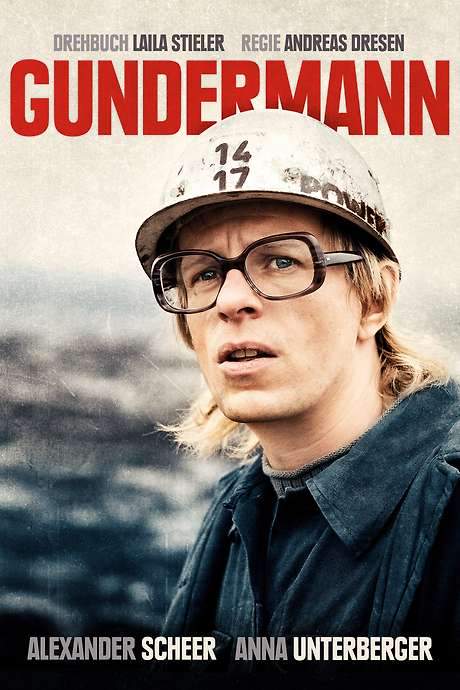
Gundermann (2018) movie poster

Timeline

Gundermann (2018) Timeline Explained – Every Event in Order

Release, runtime and language
2018 · 128 mins · German
Directed by
Andreas Dresen
Starring
Thorsten Merten, Alexander Scheer, Bjarne Mädel, Anna Unterberger, Milan Peschel, Peter Schneider

This film explores the life of Gerhard Gundermann, a celebrated but complex figure in East German music. It portrays his experiences as a coal miner, his passionate songwriting, and the complicated relationship he had with the Stasi, the GDR’s secret police. The movie delves into his personal struggles and artistic journey within the confines of a divided Germany.

On this page (5)
  1. 1 Events in order (12)
  2. 2 Timeline questions answered
  3. 3 Movie threads
  4. 4 Movies like Gundermann
  5. 5 Every angle

12 events in order · contains spoilers

Gundermann Timeline: Events in Chronological Order

Every key event of Gundermann (2018) in order, scene by scene, with when and where it takes place. Use it to untangle flashbacks, time jumps and parallel storylines, to refresh your memory before the sequel or to find the exact scene you are thinking of.

  1. Gundermann's Stasi unmasking

    The film opens with the 1992 revelation that Gerhard Gundermann was an unofficial collaborator of the Stasi. This unmasking frames the narrative and signals the moral complexity of his life. Viewers understand that his public persona will be tested by a painful past.

    When
    1992
    Where
    Germany
  2. Early political involvement and meeting Conny

    Earlier episodes show Gundermann engaging in GDR politics and meeting his wife Conny. These moments reveal how personal relationships intersect with ideological commitments. They set up the tension between his artistic ambitions and the demands of his political world.

    When
    1980s
    Where
    GDR
  3. Family fracture

    His father breaks ties with him after the cutbacks and political choices, creating a painful family rift. The act underlines how private loyalties are strained by public pressures. This moment foreshadows the heavy costs of his path.

    When
    1980s
    Where
    GDR
  4. Art in a mining world

    Gundermann finds inspiration for his music while operating the bucket-wheel excavator that digs coal. His songs celebrate nature even as his work destroys it, creating a poignant contradiction. This tension between craft and conscience remains central to his life.

    When
    1980s–1990s
    Where
    GDR coal mining region
  5. Becoming an IM to help workers

    He takes on unofficial collaboration in the hope of improving working conditions and safety for his fellow workers. The move is framed as pragmatic rather than purely political. It complicates his image as a committed communist.

    When
    late 1980s
    Where
    GDR
  6. Conformism vs. candor

    His directness and willfulness clash with the conformism of the GDR, leading to his exclusion from the Socialist Unity Party. This isolation pushes him further into the margins of the system he supports. It marks a turning point in how he is perceived by others.

    When
    late 1980s
    Where
    GDR
  7. Collapse and personal reckoning

    With the collapse of the GDR, Gundermann comes to see how his past actions could have harmed others. He learns that he was spied on by friends and acquaintances, turning suspicion inward. His Stasi file, oddly, has disappeared from the Stasi Records Agency, leaving questions about memory and accountability.

    When
    1990s
    Where
    Germany
  8. A difficult, honest refusal

    In an interview after reunification, he refuses to apologize in the customary formulaic way. He explains that reading his reports makes forgiveness feel like an evasion of truth. He argues that he must bear the weight of his actions rather than offer a hollow apology.

    When
    1990s
    Where
    Germany
  9. Confession to colleagues and band

    He reaches out to several colleagues and band members, confessing that he was once an IM. This confession reframes his relationships and invites others to reckon with the past alongside him. It marks a shift from secrecy to accountability.

    When
    1990s
    Where
    Germany
  10. Family life and promises

    Gundermann becomes a father, and his wife expects him to spend less time on tour and more at home. He promises to improve and balance his musical life with family responsibilities. The personal stakes add urgency to his public confession.

    When
    1990s
    Where
    Germany
  11. Reconciliation with band and audience

    He reconciles with his band members and the audience after his genuine confession about his ties to the Stasi. The reconciliation suggests a possible peace between art, memory, and truth. It closes his arc with a sense of earned understanding rather than simple vindication.

    When
    Late 1990s
    Where
    Germany
  12. Legacy and memory

    The film ends with a nuanced reflection on legacy, guilt, and memory as Gundermann continues his work with a more complex self-awareness. He remains an artist who cannot escape the past, yet seeks honesty with his peers and fans. The conclusion emphasizes how truth-telling can heal relationships, even if it cannot erase history.

    When
    Late 1990s–present
    Where
    Germany

Last updated: February 18, 2026 at 23:43

Was this helpful?

Timeline questions answered

Gundermann Timeline Explained: Your Questions Answered

When does it happen, and why in that order? The questions people ask about the chronology of Gundermann (2018): time jumps, flashbacks, cause and effect between scenes and the correct order of events, each answered with spoilers.

Q1

Why did Gerhard Gundermann become a Stasi informant?

He became an unofficial Stasi collaborator (IM) in the late 1980s to improve working conditions and safety measures for his fellow coal miners. Unlike many informants who acted out of self-preservation, Gundermann believed he could achieve practical reforms from within the system, viewing his collaboration as a pragmatic way to help workers despite the political risks.

  • stasi informant
  • motivation
  • workers
  • collaboration
  • gdr
Q2

Why did Gundermann's father break ties with him?

His father severed their relationship after Gerhard made political choices and compromises during the GDR era, including cutbacks that affected workers. The fracture represented how private family loyalties were strained by public political pressures, marking a painful turning point that deeply affected Gundermann's sense of belonging.

  • father
  • family
  • conflict
  • breakup
Q3

Why did Gundermann refuse to give a formulaic apology for his Stasi work?

In a pivotal interview after reunification, he refused the standard apology because he felt that simply asking for forgiveness would evade the truth of what he had done. He insisted on bearing the full weight of his actions rather than offering what he saw as a hollow, formulaic gesture that would allow both himself and others to avoid genuine reckoning.

  • apology
  • confession
  • stasi
  • accountability
Q4

What happened to Gundermann's Stasi file after the GDR collapsed?

After the GDR fell, Gundermann discovered that his Stasi file had mysteriously vanished from the Stasi Records Agency. This disappearance left unanswered questions about his past and the extent of his collaboration, adding to the mystery surrounding his role and making definitive accountability difficult.

  • stasi file
  • records
  • missing
  • accountability
Q5

How did working in mining influence Gundermann's music?

While operating the massive bucket-wheel excavator that dug coal, Gundermann found creative inspiration in the very landscapes his work was destroying. His songs celebrated nature's beauty even as his job threatened to erase it, creating a central contradiction that fueled his art and reflected his inner conflict between labor and idealism.

  • mining
  • music
  • inspiration
  • bucket-wheel excavator
  • nature
Q6

Why was Gundermann excluded from the Socialist Unity Party?

His directness and willfulness clashed with the GDR's demand for conformity. Despite being a committed communist, he refused to moderate his opinions or behavior to fit party expectations, ultimately leading to his exclusion from the SED and pushing him further to the margins of a system he still believed in.

  • sed party
  • exclusion
  • conformity
  • communism
Q7

How did bandmates and colleagues react to Gundermann's confession about being an IM?

After his confession, Gundermann reached out to several colleagues and band members, opening difficult but necessary conversations. Rather than condemning him entirely, many chose to engage with him in a process of reckoning, eventually leading to reconciliation. This marked a shift from secrecy to accountability and allowed relationships to be rebuilt on more honest terms.

  • confession
  • bandmates
  • colleagues
  • reaction
  • reconciliation
Q8

What role did confession and reconciliation play in Gundermann's later life?

After the GDR collapsed, Gundermann chose to honestly confront his past rather than hide from it. His genuine confession to friends and bandmates, combined with his refusal of a formulaic apology, allowed him to rebuild trust. This process of telling the truth, even when painful, became the foundation for reconciling with both his music and the people who helped shape it.

  • confession
  • reconciliation
  • truth
  • healing
Q9

Why did Gundermann promise to spend more time at home after becoming a father?

When his wife Conny became pregnant, she expected him to balance his touring schedule with family life. Gundermann pledged to change and be more present at home, demonstrating his commitment to repairing trust and prioritizing personal relationships over his musical career during this period of personal reckoning.

  • family
  • father
  • wife
  • promises
  • balance
Q10

What was the 1992 unmasking and how does it shape the film's narrative?

The film opens with the 1992 revelation that Gerhard Gundermann was a former unofficial collaborator of the Stasi. This unmasking frames the entire narrative, signaling the moral complexity that will be explored. Viewers understand from the start that his public persona as a celebrated East German artist will be tested by this painful hidden past.

  • unmasking
  • 1992
  • stasi
  • revelation
Q11

How did living under Stasi surveillance affect Gundermann and those around him?

The constant atmosphere of surveillance created psychological tension throughout the GDR era. Gundermann discovered after reunification that friends and acquaintances had spied on him, turning suspicion inward and revealing how pervasive state monitoring fractured personal relationships and trust within the East German system.

  • surveillance
  • stasi
  • friends
  • trust
  • psychological

Movie threads

More Movies Like Gundermann, by Mood & Story

Curated lists built around what makes Gundermann tick: the same mood, the same kind of story or the same emotional payoff. Each list explains why these movies belong together.

Movies about Artists Under Oppression like Gundermann

Stories of creators navigating the treacherous waters of state control. If you were captivated by Gundermann's portrayal of an artist's difficult path in East Germany, discover more movies about creators navigating repressive regimes. These films explore the moral compromises and personal costs of making art under political oppression.

  • political oppression
  • artist's struggle
  • moral conflict
  • psychological tension
  • melancholic
  • introspective
  • Tone: melancholic, heavy, conflicted
  • Pacing: steady, deliberate
Why these movies?

The story pattern: Narratives in this thread typically follow a creator's journey as they attempt to express themselves within a restrictive system. The central conflict arises from the tension between artistic integrity and the need to survive, often involving compromises, secret lives, and the heavy burden of complicity or collaboration.

Why they belong together: These films are grouped by their shared focus on the psychological toll of creation within an oppressive framework. They share a melancholic, heavy tone and explore themes of moral conflict, loyalty, and the personal cost of art, creating a coherent viewing experience for those interested in this specific struggle.

Bittersweet Confessional Dramas like Gundermann

Character studies where confronting a painful past brings a complex, redemptive peace. If you appreciated Gundermann's journey towards confronting his past with the Stasi, explore more movies about characters facing difficult truths. These films share a heavy emotional weight and a bittersweet ending, focusing on the painful but necessary process of coming to terms with one's own history.

  • bittersweet
  • confession
  • reckoning
  • moral conflict
  • grief
  • reflective
  • Tone: melancholic, bittersweet, reflective
  • Pacing: steady, character-driven
Why these movies?

The story pattern: The plot follows a character who has lived with a secret or a history of moral failure. Through a series of reflections or external pressures, they are compelled to confront this past. The climax is a moment of painful revelation that doesn't erase the damage but allows for a form of troubled, realistic peace, leading to a bittersweet conclusion.

Why they belong together: These films are united by their shared emotional arc: a heavy, melancholic tone building towards a pivotal confession. They prioritize psychological realism over tidy endings, offering a cathartic experience centered on the complex, often painful, process of achieving self-awareness and acceptance.

If you liked this

Movies Like Gundermann

Similar movies to Gundermann: the same genre, themes or kind of story. Each one comes with its own plot summary, timeline and ending explained.

Browse all movie summaries

Every angle

Gundermann (2018) Explained: Plot, Timeline & Characters

Everything about Gundermann in one place: what happens in the plot summary, the timeline in chronological order, the characters and meaning and a spoiler-free summary. What's After the Movie adds the cast, box office and post-credit scenes.

Coming soon on iOS and Android

The Plot Explained Movie Summary App

Plot summaries, endings explained and timelines on your phone. Catch up on any movie in minutes, save your favorites and never miss a twist again.

Be the first to know when we launch. Your email stays private, always.

Learn more about the app