Plot Explained Spoilers guaranteed!
Plot Explained

Browse by genre

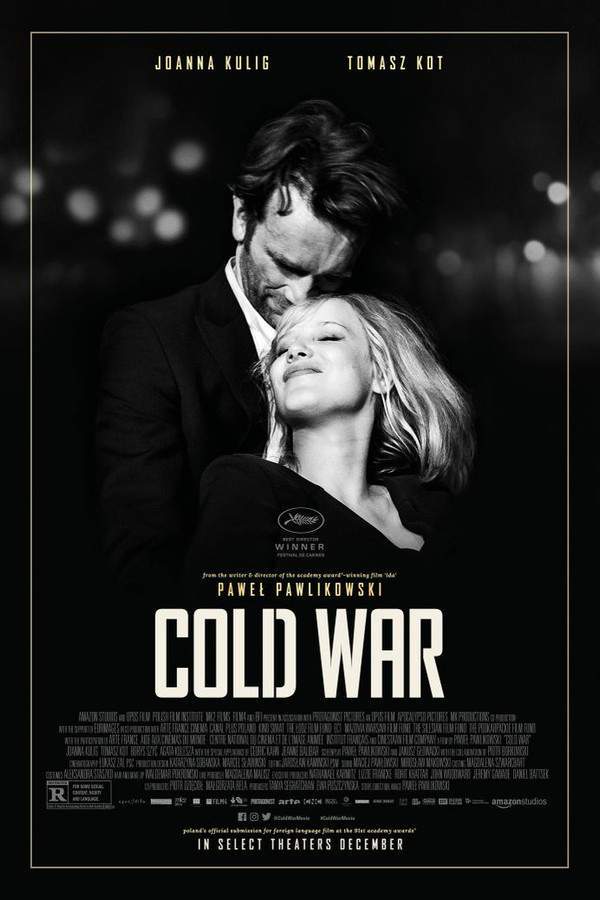
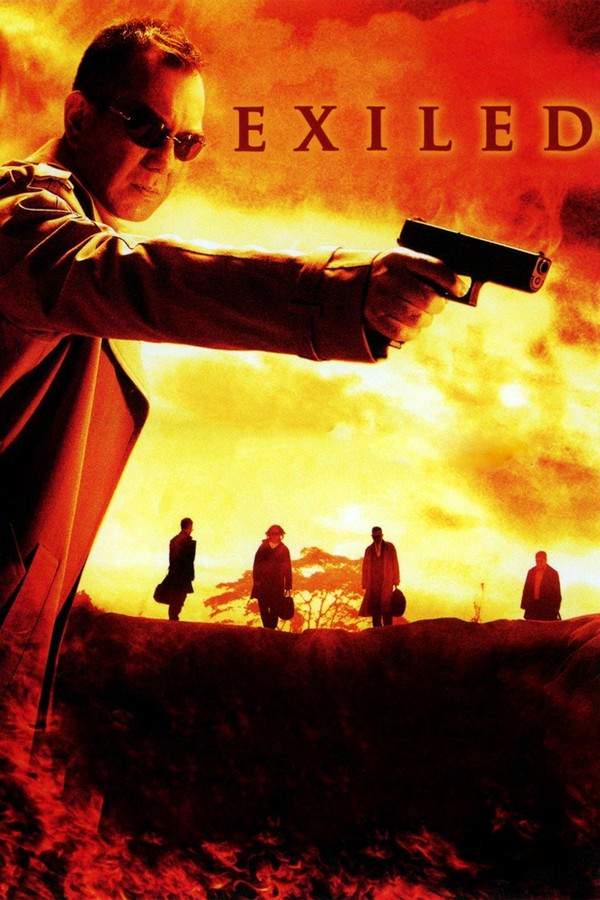
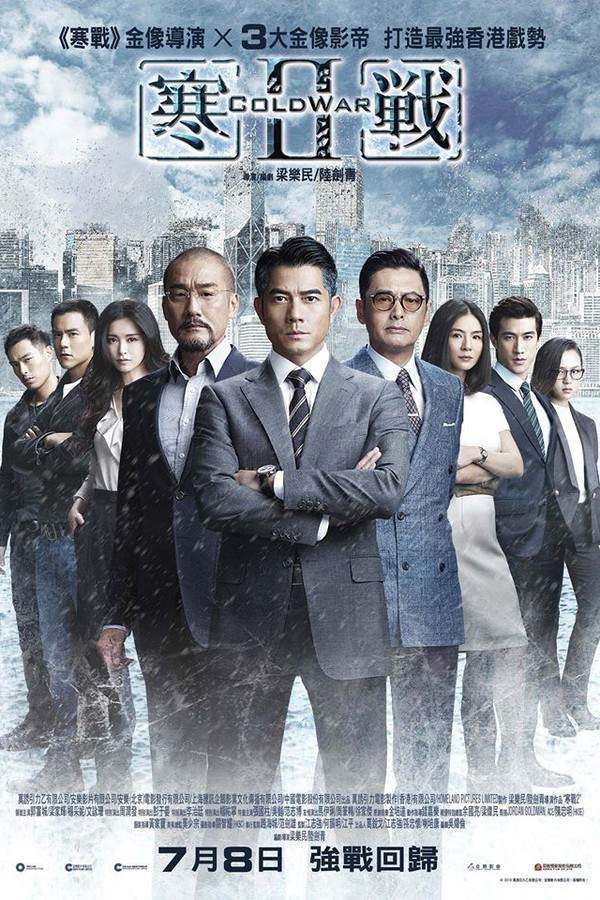
Cold War 2 (2016) movie poster

Plot Summary

Cold War 2 (2016) Plot Summary Explained

Release, runtime and language
2016 · 110 min · Chinese
JustWatch #13,214 5
Directed by
Kim-Ching Luk, Lok Man Leung

Following a failed Cold War mission, Hong Kong is thrown into turmoil when a dangerous killer remains at large. The incident triggers a fierce internal conflict within the police force as officers grapple with mistrust and suspicion while desperately pursuing the fugitive. The escalating tensions and power struggles threaten to consume the city, exposing a dark side to the metropolis and testing the loyalty of those sworn to protect it.

On this page (6)
  1. 1 Where to watch
  2. 2 What happens: full plot
  3. 3 Plot questions answered
  4. 4 Movie threads
  5. 5 Movies like Cold War 2
  6. 6 Every angle

Where to watch

Where to Watch Cold War 2 (2016)

Where can you watch Cold War 2? Stream, rent or buy it in the US, including on Amazon Prime Video, Amazon MX Player and Amazon Prime Video Free: current JustWatch availability with up-to-date prices.

Streaming availability powered by JustWatch

Full plot summary · contains spoilers

What Happens in Cold War 2: Full Plot Summary

The whole story of Cold War 2 (2016) explained, from the opening scene to the final frame: every key event, every twist and what it all adds up to. Read it as a quick recap before the sequel, to check a scene you missed, or to finally understand what really happened.

In Poland 1949, the remnants of World War II cast a long shadow over the landscape as a trio embarks on a cultural journey. Comprising the music composer and pianist [Wiktor](#/actor/tomasz-kot), the dance choreographer [Irena](#/actor/agata-kulesza), and the manager [Kaczmarek](#/actor/borys-szyc), they traverse the Polish countryside, seeking to capture the soulful essence of folk songs and dances. Encountering numerous locals, they record traditional melodies and rhythms but face skepticism from Kaczmarek, who doubts the commercial viability of songs sung in regional dialects. Following their recording sessions, auditions are held for singers and dancers to create a folk dance troupe in an abandoned lavish estate. It is here that Wiktor meets Zula ([Joanna Kulig](#/actor/joanna-kulig)), whose enchanting voice captivates him during her audition. As rehearsals progress, Wiktor learns about Zula’s troubled past, including her time in jail for defending herself against an abusive father.

Fast forward to Warsaw, Poland 1951, the dance troupe's efforts culminate in a spectacular performance that garners acclaim. A passionate encounter occurs between Wiktor and Zula in a restroom immediately after the show. However, a meeting with a high-ranking government official soon shifts their trajectory, as he demands they craft a play glorifying the communist regime and its policies. Irena's protests are overruled by Kaczmarek, leading to discontent among the artists. Feeling constrained, Wiktor decides it’s time to escape Poland, but Zula bursts his bubble by revealing that she has been reporting on him to Kaczmarek due to her probation requirements. Despite her love for him, she hesitates when Wiktor proposes they meet at a border checkpoint in East Berlin. Alone, he crosses over, leaving her behind.

In Paris, France 1954, Wiktor finds himself working at a jazz bar named L'Eclipse, where he receives an unexpected letter from Zula, now in Paris and wanting to reconnect. Their reunion at a café is charged with emotion, but Zula expresses self-doubt about her artistry and language skills in France, leading to a bittersweet farewell after a brief but passionate kiss.

By Yugoslavia 1955, Wiktor travels to see Zula performing with her dance troupe. While standing in line for the show, he crosses paths with Kaczmarek, who discreetly updates him on Zula’s career. Unfortunately, their chance meeting is cut short when police, alerted by Kaczmarek, detain Wiktor, leading to his deportation back to France.

Paris, France 1957 sees Wiktor immersed in composing film scores. Zula's arrival at his studio rekindles their chemistry, as she reveals her legal departure from Poland via marriage to an Italian while yearning to be with him instead. Their connection rekindles as they share intimate moments; however, Zula struggles with jealousy over Wiktor's previous lover, Juliette, who writes songs for her. During a gathering, Wiktor introduces Zula to Michel ([Cédric Kahn](#/actor/cedric-kahn)), a music executive aiming to elevate her singing career. However, Zula faces challenges, including Juliette’s condescending remarks and her growing frustration regarding Wiktor's honesty about her past. As she succumbs to alcohol, Wiktor guides her back home, but their relationship strains further when she admits infidelity with Michel. In a fit of anger, Wiktor strikes Zula, resulting in her abrupt departure for Poland. Desperate to win her back, he seeks a visa but is hindered by the embassy’s demands for espionage, which he refuses.

In Poland 1959, Wiktor’s mission to reunite with Zula lands him in trouble, as he is apprehended while trying to cross the border illegally and sentenced to 15 years in prison. Enduring severe hardships and losing his piano-playing ability due to brutal treatment, he receives a visit from Zula, who promises to free him no matter the cost.

By 1964, Wiktor emerges from prison, only to discover Zula has built a new life with Kaczmarek and has a child. It is revealed that her intervention from a deputy minister, who admired her talent, led to his release. After a poignant performance, Zula requests Wiktor’s help in escaping for good. They elude their past and marry in a dilapidated church, but the film closes with ambiguity as their fate hangs in the balance, hinting at a tragic conclusion as they seemingly choose to end their lives with sleeping pills, leaving their love story steeped in both passion and despair.
Last updated: November 03, 2024 at 20:26

Was this helpful?

Plot questions answered

Cold War 2 Plot Explained: Your Questions Answered

The questions people ask most about Cold War 2 (2016): what happens in the confusing scenes, why the characters do what they do, the twists, hidden details and what the ending means. Each answer contains spoilers.

Q1

Why did Zula report on Wiktor to Kaczmarek?

Zula reported on Wiktor because she was still on probation from her jail sentence for defending herself against her abusive father. Her probation required her to cooperate with the authorities, and Kaczmarek used this leverage to turn her into an informant. Despite genuinely loving Wiktor, she had no choice but to provide information about his activities to keep herself out of prison.

Foreshadowing: Earlier in the film, we learn Zula spent time in jail for a violent act against her father, which establishes her vulnerable legal status.

  • zula
  • kaczmarek
  • probation
  • informant
  • betrayal
Q2

Why did Wiktor leave Zula behind at the border?

Wiktor left Zula behind because she hesitated to commit to escaping with him. When he proposed they meet at the border checkpoint in East Berlin, Zula did not give a clear answer, she was conflicted due to her probation and fear of the consequences. Wiktor, desperate for freedom and believing she had chosen to stay, crossed alone. He later discovered she did want to come but was paralyzed by her circumstances.

Foreshadowing: The tension between Zula's love for Wiktor and her legal entrapment was established when she admitted to reporting on him.

  • wiktor
  • zula
  • border
  • escape
  • -east berlin
Q3

Why did Wiktor strike Zula in Paris?

Wiktor hit Zula after she confessed to having an affair with Michel, the music executive who was helping advance her career. The revelation that Zula slept with another man, particularly someone Wiktor had trusted to help her, triggered a violent outburst. This moment highlights the toxicity that has developed in their relationship after years of separation, mistrust, and personal struggles.

Foreshadowing: Earlier tensions were visible when Zula expressed jealousy over Wiktor's former lover Juliette, showing her vulnerability to infidelity.

  • wiktor
  • zula
  • michel
  • affair
  • violence
  • paris
Q4

How did Zula secure Wiktor's release from prison?

Zula secured Wiktor's release by appealing to a deputy minister who was a fan of her singing. Using her connections and influence within the communist system, despite being married to Kaczmarek, she intervened at a high level to obtain his freedom. This explains how someone with no political power could successfully release a prisoner after five years.

Foreshadowing: The deputy minister's interest in Zula's talent was hinted at earlier when government officials took note of her performances.

  • zula
  • prison
  • release
  • deputy minister
  • kaczmarek
Q5

Why did Zula marry Kaczmarek while Wiktor was in prison?

Zula married Kaczmarek as a practical arrangement. After Wiktor was imprisoned in 1959, Zula needed stability and protection in communist Poland. Kaczmarek, who had always been interested in her, offered security and the ability to help her maintain her performing career. She also used this position to eventually help free Wiktor, though the marriage was likely more convenience than love.

Foreshadowing: Kaczmarek's interest in Zula was evident throughout the earlier timeline, and his availability made him a practical choice.

  • zula
  • kaczmarek
  • marriage
  • prison
  • practical
Q6

What happens at the end of the film?

The film ends with Wiktor and Zula marrying in a dilapidated church, seemingly achieving the freedom and togetherness they pursued for years. However, the final shot shows them lying together in bed, with empty pill bottles nearby, strongly implying they chose to end their lives together. The exact fate remains ambiguous, but the visual cues suggest a tragic double suicide rather than a hopeful new beginning.

Foreshadowing: The entire film builds toward the impossibility of their happiness, the constant political obstacles, betrayals, and personal wounds made their love unsustainable.

  • ending
  • tragic
  • pills
  • suicide
  • church
  • ambiguity
Q7

Why was Wiktor denied a visa to see Zula?

Wiktor was denied a visa because the French embassy required him to provide information about Soviet espionage activities in exchange for travel documents. He refused to become an informant, choosing instead to attempt an illegal border crossing, which led to his arrest and 15-year prison sentence. This demonstrates how the political climate directly prevented their reunion.

Foreshadowing: Earlier scenes showed the constant surveillance and political pressure artists faced under communist rule.

  • visa
  • espionage
  • embassy
  • prison
  • border crossing
Q8

How did Zula manage to leave Poland legally?

Zula left Poland legally by marrying an Italian man. This marriage provided her with the necessary documentation to obtain a passport and exit the country. She then used this freedom to eventually reach Paris, where she sought out Wiktor again. This explains how she escaped the communist regime without risking the dangerous illegal border crossings Wiktor attempted.

Foreshadowing: The film hints at Zula's resourcefulness and willingness to make sacrifices to advance her career and freedom.

  • zula
  • poland
  • marriage
  • italy
  • passport
  • escape
Q9

Why did the government demand the troupe create propaganda?

The communist government demanded the folk troupe create a propaganda play glorifying the regime because they wanted to use art as a tool for political control. After the troupe's successful Warsaw performance attracted attention, officials saw an opportunity to appropriate their talent for ideological purposes. This pressure to create state-sanctioned art is what ultimately convinced Wiktor that escape was necessary.

Foreshadowing: The troupe's initial success was directly tied to their authentic folk performances, which the government wanted to corrupt.

  • government
  • propaganda
  • communist
  • art
  • pressure
  • regime
Q10

What happened to Wiktor's ability to play piano?

Wiktor lost his ability to play piano due to the brutal treatment he endured in the Polish prison. The physical hardships and possibly deliberate injury destroyed the dexterity he needed to perform. This loss represents another devastating consequence of his imprisonment, his identity as a composer and pianist was fundamentally compromised.

Foreshadowing: The harsh conditions of Polish prisons during the Stalinist era were established earlier in the narrative.

  • wiktor
  • piano
  • hands
  • prison
  • torture
  • injury

Movie threads

More Movies Like Cold War 2, by Mood & Story

Curated lists built around what makes Cold War 2 tick: the same mood, the same kind of story or the same emotional payoff. Each list explains why these movies belong together.

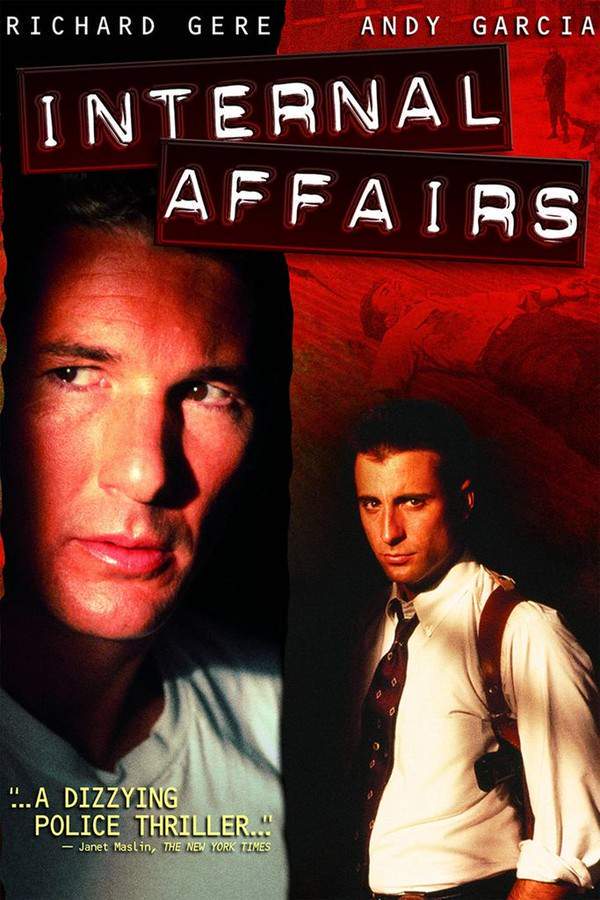
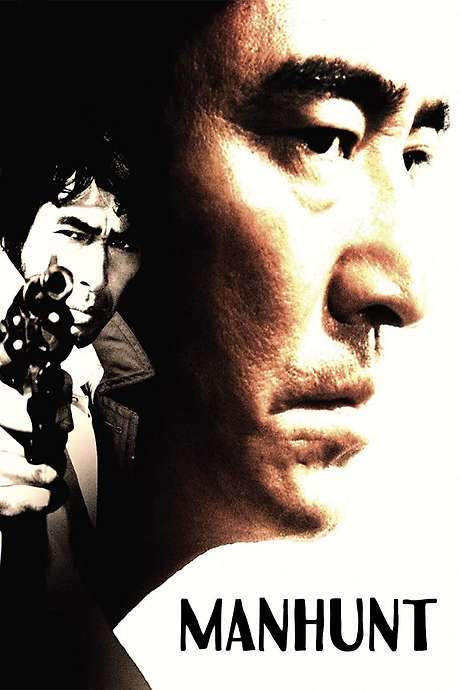
Police corruption thrillers with desperate manhunts like Cold War 2

Thrillers where institutional mistrust fuels a high-stakes chase. If you liked the internal conflict and high-stakes chase in Cold War 2, you'll find similar tension in these movies about police corruption and desperate manhunts. These crime dramas and thrillers feature officers grappling with mistrust within their own ranks while pursuing a dangerous target, creating a deeply oppressive and suspenseful experience.

  • tense
  • oppressive
  • desperate
  • suspenseful
  • corrupt
  • mistrust
  • Tone: tense, melancholic, oppressive
  • Pacing: steady, methodical
Why these movies?

The story pattern: The narrative typically follows a law enforcement agency thrown into turmoil by a major incident, triggering a fierce internal conflict. The pursuit of a fugitive is paralleled by a struggle for power and truth within the institution, often testing the loyalty of the protagonists and exposing systemic flaws.

Why they belong together: These movies are grouped together because they share a high-intensity, oppressive mood driven by institutional decay. They combine the procedural elements of a manhunt with a psychological thriller focused on betrayal and moral ambiguity, resulting in a steady-paced, heavy emotional experience.

Bleak city dramas with themes of sacrifice like Cold War 2

Stories where a city's turmoil mirrors the characters' internal despair. For viewers who appreciated the melancholic tone and heavy themes of sacrifice within a troubled Hong Kong in Cold War 2, this collection features similar movies. These dramas use a city in crisis as a backdrop for exploring desperate survival, moral choices, and the high cost of loyalty.

  • melancholic
  • tragic
  • oppressive
  • desperate
  • yearning
  • fractured
  • Tone: melancholic, tragic, oppressive
  • Pacing: steady, atmospheric
Why these movies?

The story pattern: These narratives often use a city—whether real or metaphorical—as a central character, its oppression or decay reflecting the protagonists' internal struggles. The plot unfolds steadily, focusing on the emotional toll of survival and the tragic sacrifices demanded by a broken world.

Why they belong together: They are united by a consistently melancholic and oppressive tone, a steady pacing that emphasizes mood over action, and a focus on the heavy emotional weight of sacrifice and survival within a fractured societal setting. The experience is defined by a feeling of tragic inevitability.

If you liked this

Movies Like Cold War 2

Similar movies to Cold War 2: the same genre, themes or kind of story. Each one comes with its own plot summary, timeline and ending explained.

Browse all movie summaries

Every angle

Cold War 2 (2016) Explained: Plot, Timeline & Characters

Everything about Cold War 2 in one place: what happens in the plot summary, the timeline in chronological order, the characters and meaning and a spoiler-free summary. What's After the Movie adds the cast, box office and post-credit scenes.

Coming soon on iOS and Android

The Plot Explained Movie Summary App

Plot summaries, endings explained and timelines on your phone. Catch up on any movie in minutes, save your favorites and never miss a twist again.

Be the first to know when we launch. Your email stays private, always.

Learn more about the app