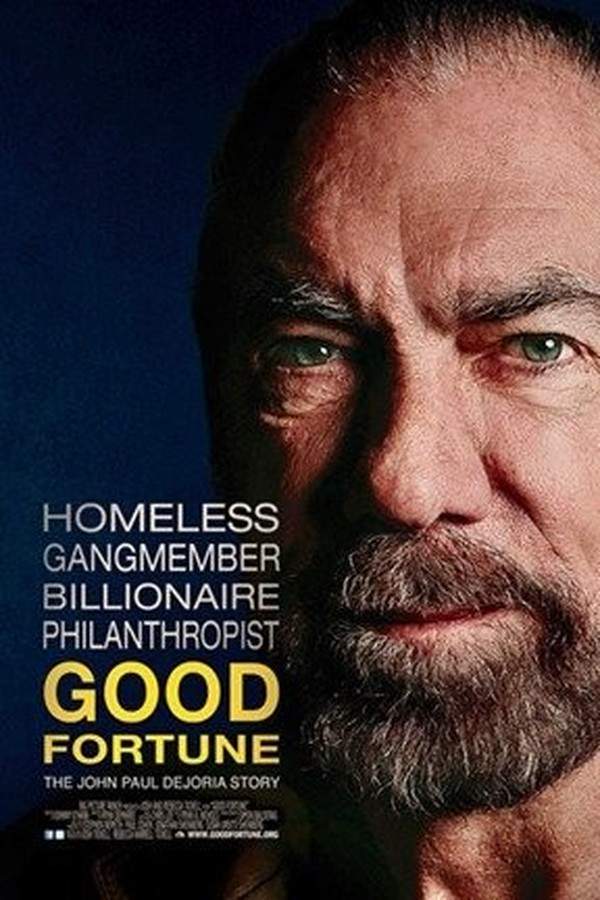
Year: 2017
Runtime: 86 min
Language: English
Directors: Josh Tickell, Rebecca Harrell
Echo Score: 69Good Fortune follows the remarkable journey of John Paul DeJoria, who overcame homelessness to become a hugely successful entrepreneur. The film explores how JP redefined wealth, embracing the idea that success should be shared. He built a significant hair care and tequila empire, always prioritizing people, the environment, and financial responsibility. DeJoria’s philosophy, “Success unshared is failure,” highlights his commitment to a triple bottom line approach and cements his reputation as a modern-day hero.
Warning: spoilers below!
Haven’t seen Good Fortune yet? This summary contains major spoilers. Bookmark the page, watch the movie, and come back for the full breakdown. If you're ready, scroll on and relive the story!
Trace every key event in Good Fortune (2017) with our detailed, chronological timeline. Perfect for unpacking nonlinear stories, spotting hidden connections, and understanding how each scene builds toward the film’s climax. Whether you're revisiting or decoding for the first time, this timeline gives you the full picture.
Last updated: December 04, 2025 at 15:33
Find frequently asked questions about the Good Fortune (2017) timeline, including chronological order, nonlinear jumps, cause-and-effect links, and scene sequence clarifications. This timeline FAQ helps explain when key events happen, how moments connect, and why the story unfolds in that specific order.
Gabriel feels overlooked among the celestial ranks. He watches higher-ranked angels like Azrael receive more respect and visibility, while he remains a minor helper tasked with keeping people from texting while driving. His desire for promotion stems from wanting to be seen as more than a minor celestial figure.
Jeff fires Arj because he used the company credit card for personal expenses. The dinner with Elena cost over $300, and when Jeff discovers Arj used the company card for this personal splurge, he terminates Arj's employment immediately. This marks a turning point where Arj's desperation leads him to cross an ethical line.
Gabriel uses his celestial powers to alter Arj's reality while he sleeps in the parking lot. When Arj wakes up, he finds himself in Jeff's position - driving Jeff's nicer car, with Jeff now working as his assistant. Gabriel manipulates the circumstances to show Arj what his life could look like with wealth, essentially trading their social positions.
Martha strips Gabriel of his wings as punishment for meddling in Arj's life. Gabriel crossed a celestial boundary by altering a human life that wasn't his to change. This violates the rules of angelic intervention, and Martha's decision raises the stakes about the limits of celestial help.
Arj's car accident is caused by texting while driving. The irony is deliberate - Gabriel's entire celestial job is to prevent exactly this kind of distracted driving. The accident happens during a period of strain in Arj and Elena's relationship, when Arj is distracted by his conflicted feelings about wealth and their future together.
Earlier scenes establish Gabriel's mission to keep people from texting while driving.
Arj pretends to have amnesia when Jeff visits because he's afraid of losing the life he's grown accustomed to. After the life swap, Arj has tasted wealth and doesn't want to return to his previous struggles. The memory loss act is an attempt to maintain his new position while avoiding confrontation about the switch.
Elena's union proposal at Hardware Heaven fails. Despite delivering a rousing speech about workers' rights, the union vote doesn't pass due to widespread dissent among the workers. This represents a setback for Elena's activism but also shows the real challenges of organizing labor movements.
Arj and Jeff mutually decide to return to their original lives shaped by fear, hope, and love. Arj realizes that genuine connections and purpose matter more than wealth, while Jeff learns humility through his experiences. Their choice represents growth and acceptance of their authentic paths rather than chasing material success.
After losing his wings, Gabriel discovers the realities of human labor working multiple jobs at a Korean restaurant, a motel, and elsewhere. He gains a new appreciation for human struggles, forming connections with people like Felipe who balance work and family. He also finds joy in simple human pleasures like junk food, fundamentally shifting his perspective on what matters.
After the switch, Jeff finds himself in Arj's former position, struggling with gig economy work through TaskSergeant. He eventually loses his tech company when it switches to robot deliveries. Jeff must navigate the precariousness of gig work that Arj once experienced, including working jobs that pay at week's end and facing the instability Arj knew firsthand.
Arj reconnects with his father after returning to his original life, discovering truths about his brother's tax trouble. This family reconciliation represents Arj's growth - he now values genuine relationships over wealth. The news about his brother oddly brings relief, suggesting family bonds have been mended despite the financial stress.
Discover curated groups of movies connected by mood, themes, and story style. Browse collections built around emotion, atmosphere, and narrative focus to easily find films that match what you feel like watching right now.
True stories of overcoming adversity to achieve success without losing your values.Explore a collection of movies like Good Fortune that showcase inspiring true stories of overcoming adversity. These films follow determined individuals on their path to success, often highlighting the importance of giving back and staying true to one's values.
Narratives in this thread typically follow a biographical arc, starting with a protagonist facing significant hardship—such as poverty or homelessness. The story charts their determination, business acumen, and often unconventional path to building an empire, with a strong emphasis on their humanitarian or ethical principles.
These movies are grouped by their shared focus on authentic, character-driven journeys of triumph. They blend the emotional weight of real-life struggle with the uplifting payoff of success, creating a hopeful and often thought-provoking viewing experience centered on redefining what it means to be wealthy.
Stories where an unexpected guide or event reveals a deeper meaning to life.Find movies similar to Good Fortune that blend a playful, whimsical tone with thoughtful explorations of life's purpose. If you enjoyed the quirky yet heartfelt journey of redefining success, you'll find more uplifting stories here.
These stories often involve a protagonist who is disillusioned or lost, encountering an unexpected force—an angel, a magical event, or an eccentric character—that forces them to reevaluate their priorities. The journey is characterized by humorous situations and a reflective pace, leading to a positive personal transformation.
Movies in this thread share a unique tonal blend: they are fundamentally hopeful and lighthearted, yet they tackle serious themes like class, purpose, and fulfillment. The 'whimsical' element acts as a narrative catalyst for growth, creating a distinct feel that is both entertaining and meaningful.
Don't stop at just watching - explore Good Fortune in full detail. From the complete plot summary and scene-by-scene timeline to character breakdowns, thematic analysis, and a deep dive into the ending - every page helps you truly understand what Good Fortune is all about. Plus, discover what's next after the movie.
Read a complete plot summary of Good Fortune, including all key story points, character arcs, and turning points. This in-depth recap is ideal for understanding the narrative structure or reviewing what happened in the movie.
Discover the characters, locations, and core themes that shape Good Fortune. Get insights into symbolic elements, setting significance, and deeper narrative meaning - ideal for thematic analysis and movie breakdowns.