Year: 2017
Runtime: 86 min
Language: English
Directors: Josh Tickell, Rebecca Harrell
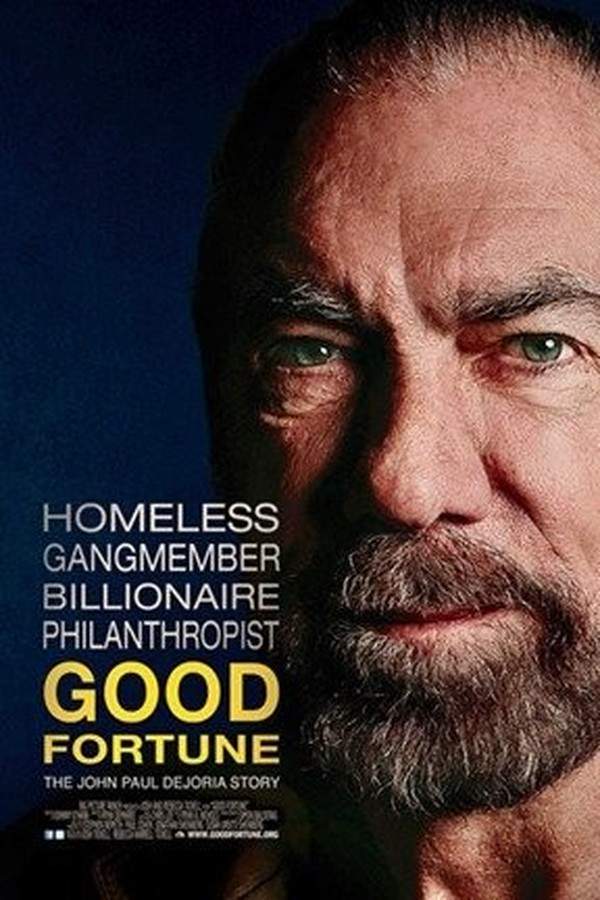
Echo Score: 69Good Fortune follows the remarkable journey of John Paul DeJoria, who overcame homelessness to become a hugely successful entrepreneur. The film explores how JP redefined wealth, embracing the idea that success should be shared. He built a significant hair care and tequila empire, always prioritizing people, the environment, and financial responsibility. DeJoria’s philosophy, “Success unshared is failure,” highlights his commitment to a triple bottom line approach and cements his reputation as a modern-day hero.
Warning: spoilers below!
Haven’t seen Good Fortune yet? This summary contains major spoilers. Bookmark the page, watch the movie, and come back for the full breakdown. If you're ready, scroll on and relive the story!
Explore the full timeline and setting of Good Fortune (2017). Follow every major event in chronological order and see how the environment shapes the story, characters, and dramatic tension.
Last updated: December 04, 2025 at 15:27
Meet the key characters of Good Fortune (2017), with detailed profiles, motivations, and roles in the plot. Understand their emotional journeys and what they reveal about the film’s deeper themes.
Last updated: December 04, 2025 at 15:27
Explore the central themes of Good Fortune (2017), from psychological, social, and emotional dimensions to philosophical messages. Understand what the film is really saying beneath the surface.
Last updated: December 04, 2025 at 15:27
Browse frequently asked questions about Good Fortune (2017) focused on characters, relationships, themes, symbols, setting, and story context. This movie info FAQ gives spoiler-aware explanations for character arcs, world details, and thematic interpretation so readers can better understand what the film is really about.
The film spans multiple environments, from humble urban settings like a working hardware store (Hardware Heaven), downtown parking lots, and casual diners to the glittering world of Jeff's mansion. It also travels to Paris for a weekend and to Texas, using these diverse locations to highlight social stratification and Arj's journey through different worlds.
The movie is set in the present day with hints of near-future technology. It specifically references the gig economy through the TaskSergeant platform, robotics, and a culture of rapid job turnover, anchoring the story in contemporary urban life and modern anxieties about financial precarity.
Good Fortune explores three core themes: Wealth vs Fulfillment (money buys conveniences but not happiness; fulfillment comes from relationships and community), Empathy (compassion for ordinary workers and learning from others' hardships), and Purpose (what counts as a meaningful life beyond status and appearances). The film's philosophy emphasizes that success unshared is failure.
Arj (played by Aziz Ansari) is a hard-working, underemployed man who takes odd jobs via TaskSergeant while dreaming of a brighter future. He struggles with financial precarity and temptation, serving as the film's protagonist who learns through Gabriel's interventions that happiness isn't guaranteed by wealth alone.
Gabriel (played by Keanu Reeves) is an angel assigned to watch over Arj and guide his choices, though his powers are limited by celestial rules. He discovers human joys and regrets throughout the film and ultimately gains a mortal perspective after his wings are affected by human consequences.
Elena (played by Keke Palmer) is Arj's coworker at Hardware Heaven who champions workers' rights and questions corporate priorities. She challenges Arj's complacency and fights for a union, illustrating the tension between personal ambitions and collective wellbeing.
The theme argues that while money can buy conveniences, it cannot buy happiness. Arj's ascent into wealthier life reveals that fulfillment comes from relationships, purpose, and community, not from the ability to pay for meals or fancy cars. The film suggests the pursuit of wealth can mask deeper dissatisfaction unless balanced by human connection.
Jeff (played by Seth Rogen) is a tech-obsessed wealthy householder who hires Arj and later faces consequences when their lives become intertwined. His plan to reclaim his life leads him to steal and confront the fragility of his status, serving as a foil to explore wealth and privilege.
The angels (Gabriel, Martha, and Azrael) serve as guides who intervene in human lives but are bound by rules. Gabriel's mission is to help Arj find purpose, while Martha leads the celestial hierarchy with order and accountability. The angelic framework adds a whimsical tone while exploring themes of compassion, judgment, and human connection from a supernatural perspective.
The film suggests that purpose arises from choices that affect others, not merely from personal gain. Arj's oscillation between two worlds tests his sense of purpose, and guidance from characters like Martha pushes him to reflect on his motives. The arc indicates that a meaningful life goes beyond status and appearances.
The film uses TaskSergeant (a gig economy platform) to show the reality of precarious employment, rapid job turnover, and financial instability faced by modern workers. This backdrop shapes Arj's struggles and highlights the film's commentary on contemporary urban life and the pursuit of wealth as a quick fix.
Discover curated groups of movies connected by mood, themes, and story style. Browse collections built around emotion, atmosphere, and narrative focus to easily find films that match what you feel like watching right now.
True stories of overcoming adversity to achieve success without losing your values.Explore a collection of movies like Good Fortune that showcase inspiring true stories of overcoming adversity. These films follow determined individuals on their path to success, often highlighting the importance of giving back and staying true to one's values.
Narratives in this thread typically follow a biographical arc, starting with a protagonist facing significant hardship—such as poverty or homelessness. The story charts their determination, business acumen, and often unconventional path to building an empire, with a strong emphasis on their humanitarian or ethical principles.
These movies are grouped by their shared focus on authentic, character-driven journeys of triumph. They blend the emotional weight of real-life struggle with the uplifting payoff of success, creating a hopeful and often thought-provoking viewing experience centered on redefining what it means to be wealthy.
Stories where an unexpected guide or event reveals a deeper meaning to life.Find movies similar to Good Fortune that blend a playful, whimsical tone with thoughtful explorations of life's purpose. If you enjoyed the quirky yet heartfelt journey of redefining success, you'll find more uplifting stories here.
These stories often involve a protagonist who is disillusioned or lost, encountering an unexpected force—an angel, a magical event, or an eccentric character—that forces them to reevaluate their priorities. The journey is characterized by humorous situations and a reflective pace, leading to a positive personal transformation.
Movies in this thread share a unique tonal blend: they are fundamentally hopeful and lighthearted, yet they tackle serious themes like class, purpose, and fulfillment. The 'whimsical' element acts as a narrative catalyst for growth, creating a distinct feel that is both entertaining and meaningful.
Don't stop at just watching - explore Good Fortune in full detail. From the complete plot summary and scene-by-scene timeline to character breakdowns, thematic analysis, and a deep dive into the ending - every page helps you truly understand what Good Fortune is all about. Plus, discover what's next after the movie.
Read a complete plot summary of Good Fortune, including all key story points, character arcs, and turning points. This in-depth recap is ideal for understanding the narrative structure or reviewing what happened in the movie.
Track the full timeline of Good Fortune with every major event arranged chronologically. Perfect for decoding non-linear storytelling, flashbacks, or parallel narratives with a clear scene-by-scene breakdown.