Year: 2017
Runtime: 86 min
Language: English
Directors: Josh Tickell, Rebecca Harrell
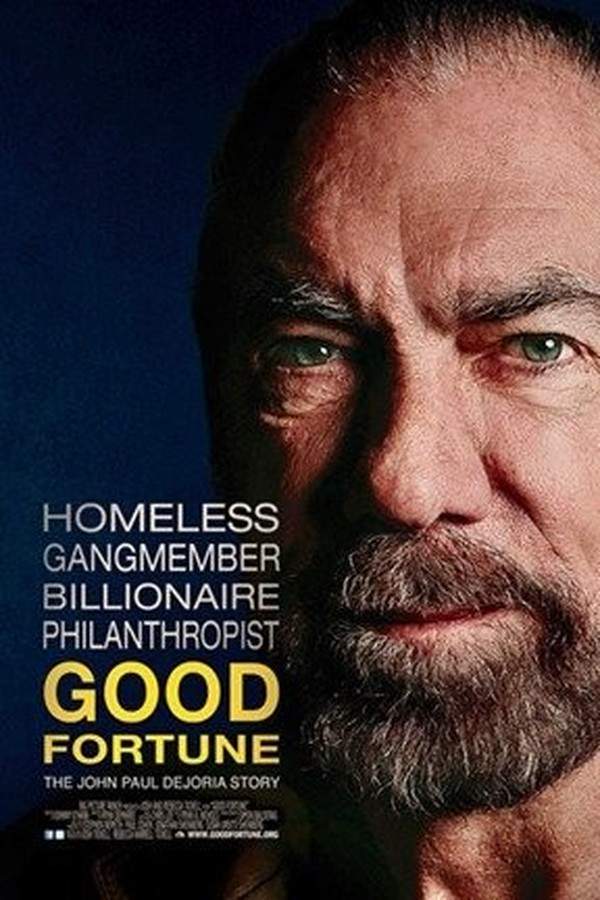
Echo Score: 69Good Fortune follows the remarkable journey of John Paul DeJoria, who overcame homelessness to become a hugely successful entrepreneur. The film explores how JP redefined wealth, embracing the idea that success should be shared. He built a significant hair care and tequila empire, always prioritizing people, the environment, and financial responsibility. DeJoria’s philosophy, “Success unshared is failure,” highlights his commitment to a triple bottom line approach and cements his reputation as a modern-day hero.
Warning: spoilers below!
Haven’t seen Good Fortune yet? This summary contains major spoilers. Bookmark the page, watch the movie, and come back for the full breakdown. If you're ready, scroll on and relive the story!
Read the complete plot breakdown of Good Fortune (2017), including all key story events, major twists, and the ending explained in detail. Discover what really happened, and what it all means.
A celestial helper named Gabriel watches over humans with a simple, stubborn mission: keep people from texting behind the wheel and crashing into life’s bigger wrecks. The story centers on Arj, a man scraping by on odd jobs from an app called TaskSergeant, waiting in line for cinnamon buns, and spinning together enough gigs to stay afloat. His main stop is Hardware Heaven, a home-improvement store where he strikes up a friendship with Elena, a coworker who is fearless about workers’ rights. Their sparks of camaraderie form a counterpoint to Arj’s uncertainty about his own future. After a casual taco run, Arj opens up about editing documentaries, and we glimpse a life that could be more than deadline-driven chaos. From the sky, Gabriel looks on with a few more wings than Arj has earned, and the angel feels the weight of being overlooked among the other celestial ranks.
Arj’s day-to-day grind collides with a larger cosmic plan as Gabriel’s colleagues, led by Martha, monitor humanity’s path. Gabriel fumbles with the idea of a promotion, confiding in Martha that he yearns to be seen as more than a minor helper. In the meantime, Arj’s struggle to land consistent work persists, and his conversations with his father reveal a family dynamic built on pride and subtle disappointment. Arj crashes in his car in an empty parking lot, a quiet moment that underscores the fragile line between hope and hardship.
Then a new thread enters: Jeff, a flashy, affluent tech entrepreneur who has noticed Arj because of those cinnamon buns. Jeff hires him to tidy up a garage and, after a few successful days, elevates Arj to an assistant role with a company credit card at his disposal. The shift is transformative but precarious, and Arj soon finds himself arrested by the lure of wealth, while Elena’s life remains rooted in a more principled, collective vision at the store. A dinner date with Elena, arranged with Jeff’s help, ends up a splurge—more than $300 on the bill—prompting Jeff to fire Arj after discovering the use of the company card for personal indulgence. The glow of Jeff’s world begins to cast a longer shadow over Arj’s choices.
Desperation pushes Arj toward familiar quick fixes: he donates plasma to earn some cash, and his car is towed due to unpaid tickets. To top it off, TaskSergeant terminates his account for inactivity and a saturated market. It’s then that Gabriel steps into view, revealing himself as more than a distant observer. He shows Arj a possible future where wealth replaces struggle: a life as a delivery driver for a company that runs on blind deadlines and the peculiar requirement of carrying a “pee bottle.” Elena and Arj move in with Elena’s mom, and their world expands to include a dog they cannot afford to save. Arj’s first instinct is to crave the shiny life Jeff has offered, but Gabriel nudges him to consider what really makes life worth living.
In a startling reversal, Arj wakes in a nicer car in the same emptied parking lot—this time, the security guard who once booted him out is friendlier, and Jeff is now playing the role of Arj’s assistant. Gabriel senses a moment of recognition, yet Arj’s feelings are complicated: he enjoys the luxuries, the ability to buy time, and the ease of avoiding despair, but he also has to reintroduce Elena to the new life he has claimed. The couple returns to a fancy restaurant, and this time the waitress is impressed enough to comp their meal. Yet the consequences are swift: Martha strips Gabriel of his wings for meddling with a life that wasn’t his to alter, a punishment that heightens the celestial stakes and forces a reckoning about the limits of intervention.
A party follows, and Gabriel becomes visible to others, though with only partial power left. His lingering goal is to push Arj back toward his original path, but Arj’s attachment to the high life remains stubborn. Jeff’s memories start to return, shocking the partygoers and revealing the true cost of the swap. Jeff learns the truth about Arj’s life-change and demands restitution, but Arj refuses to hand back the life he’s briefly tasted. The situation escalates to a stalemate, and when the dust settles, Gabriel is left with nowhere to go, while Jeff finds himself navigating the fallout of a world without stable leverage.
The return to a semblance of normalcy is not swift. Jeff, facing the fragility of his own livelihood in a world edging toward automation, lurches from one plan to another, trying to keep afloat on TaskSergeant gigs that pay at week’s end. Arj, meanwhile, contemplates a weekend in Paris with Elena, a trip that might seal a future together. But Elena’s energy is directed toward organizing a union at Hardware Heaven, a move that threatens to redefine the balance of power at her workplace. Arj’s reaction feels careless, and their relationship strains under the weight of divergent priorities. A car accident while texting—an irony not lost on the film—serves as a brutal reminder of how fragile choices can be.
In the hospital, Arj learns that Jeff and Gabriel have been frantically searching for him, and the truth about the switch threatens to be a permanent rift. Gabriel is fired by Martha for failing to restore Arj’s life, and his own status sinks from guardian angel to mortal helper with a taste for human pleasures, including junk food and the small joys of eating chickens’ nuggies. Arj awakens to the news that his world has hung in limbo, and he tries to bluff his way through a memory loss act when Jeff visits with food, hoping to protect his own fragile rationalizations. The plan to reverse the switch becomes more complicated as the hospital and the couple’s lives intertwine with a broader look at the gig economy’s flaws.
As Elena pushes for workers’ rights at Hardware Heaven, an intense internal debate reveals deep convictions about what workers deserve. A manager named Felipe—a figure who embodies the real-world costs of balancing work and family—reflects the humanity that Gabriel learns to relate to, which culminates in a salsa-night scene where human resilience and solidarity shine through. Arj’s party, meant to celebrate Jeff’s birthday, ends up exposing what truly matters: the people who stand with each other when the money and status are uncertain. Elena’s stance—that richness is not the end goal but a path to empowering others—wins a quiet victory that leaves room for future change.
In the end, the choice to return to their old lives becomes a mutual decision shaped by fear, hope, and love. Arj and Jeff wake up in their familiar roles, and Arj’s heart begins to mend as he reconnects with his father and uncovers truths about his brother’s tax trouble—news that oddly brings a measure of relief. Jeff’s act of goodwill—paying the impound fees and ordering living wages for delivery drivers—signals a partial victory for the people Arj had left behind. Arj resumes his life with Elena, now more committed to genuine change—pursuing a documentary about the gig economy and continuing to share tacos with friends old and new. When the final bites are shared, a quiet nudge—Gabriel’s invisible hand on a taco—signals that the human connections forged through both hardship and abundance are what give this story its true flavor.
Last updated: December 04, 2025 at 15:33
Explore frequently asked questions about Good Fortune (2017) with spoiler-rich answers covering the full plot summary, major story beats, character motivations, hidden details, and ending meaning. This movie summary FAQ helps explain confusing scenes, plot twists, and narrative decisions in clear, searchable detail.
Gabriel feels overlooked among the celestial ranks. He watches higher-ranked angels like Azrael receive more respect and visibility, while he remains a minor helper tasked with keeping people from texting while driving. His desire for promotion stems from wanting to be seen as more than a minor celestial figure.
Jeff fires Arj because he used the company credit card for personal expenses. The dinner with Elena cost over $300, and when Jeff discovers Arj used the company card for this personal splurge, he terminates Arj's employment immediately. This marks a turning point where Arj's desperation leads him to cross an ethical line.
Gabriel uses his celestial powers to alter Arj's reality while he sleeps in the parking lot. When Arj wakes up, he finds himself in Jeff's position - driving Jeff's nicer car, with Jeff now working as his assistant. Gabriel manipulates the circumstances to show Arj what his life could look like with wealth, essentially trading their social positions.
Martha strips Gabriel of his wings as punishment for meddling in Arj's life. Gabriel crossed a celestial boundary by altering a human life that wasn't his to change. This violates the rules of angelic intervention, and Martha's decision raises the stakes about the limits of celestial help.
Arj's car accident is caused by texting while driving. The irony is deliberate - Gabriel's entire celestial job is to prevent exactly this kind of distracted driving. The accident happens during a period of strain in Arj and Elena's relationship, when Arj is distracted by his conflicted feelings about wealth and their future together.
Earlier scenes establish Gabriel's mission to keep people from texting while driving.
Arj pretends to have amnesia when Jeff visits because he's afraid of losing the life he's grown accustomed to. After the life swap, Arj has tasted wealth and doesn't want to return to his previous struggles. The memory loss act is an attempt to maintain his new position while avoiding confrontation about the switch.
Elena's union proposal at Hardware Heaven fails. Despite delivering a rousing speech about workers' rights, the union vote doesn't pass due to widespread dissent among the workers. This represents a setback for Elena's activism but also shows the real challenges of organizing labor movements.
Arj and Jeff mutually decide to return to their original lives shaped by fear, hope, and love. Arj realizes that genuine connections and purpose matter more than wealth, while Jeff learns humility through his experiences. Their choice represents growth and acceptance of their authentic paths rather than chasing material success.
After losing his wings, Gabriel discovers the realities of human labor working multiple jobs at a Korean restaurant, a motel, and elsewhere. He gains a new appreciation for human struggles, forming connections with people like Felipe who balance work and family. He also finds joy in simple human pleasures like junk food, fundamentally shifting his perspective on what matters.
After the switch, Jeff finds himself in Arj's former position, struggling with gig economy work through TaskSergeant. He eventually loses his tech company when it switches to robot deliveries. Jeff must navigate the precariousness of gig work that Arj once experienced, including working jobs that pay at week's end and facing the instability Arj knew firsthand.
Arj reconnects with his father after returning to his original life, discovering truths about his brother's tax trouble. This family reconciliation represents Arj's growth - he now values genuine relationships over wealth. The news about his brother oddly brings relief, suggesting family bonds have been mended despite the financial stress.
Discover curated groups of movies connected by mood, themes, and story style. Browse collections built around emotion, atmosphere, and narrative focus to easily find films that match what you feel like watching right now.
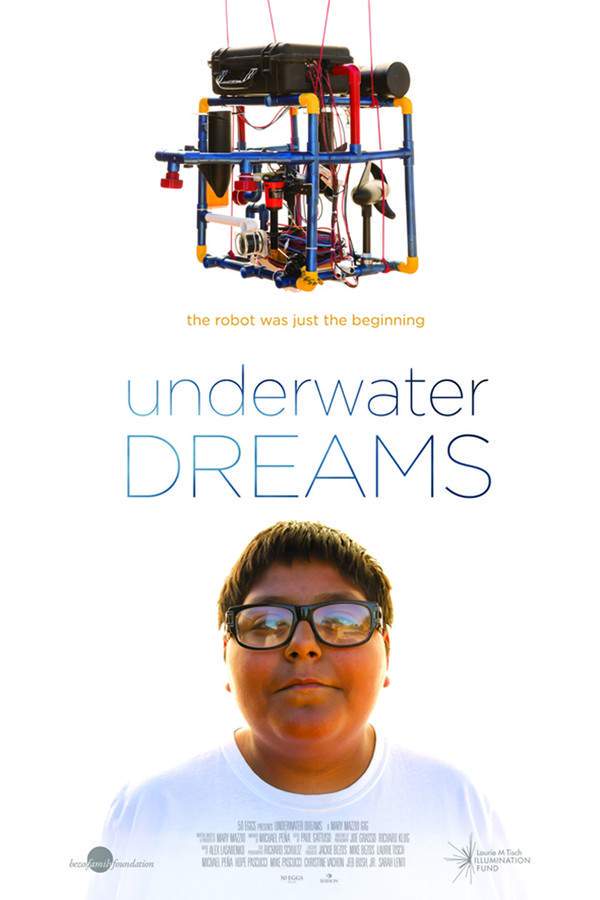
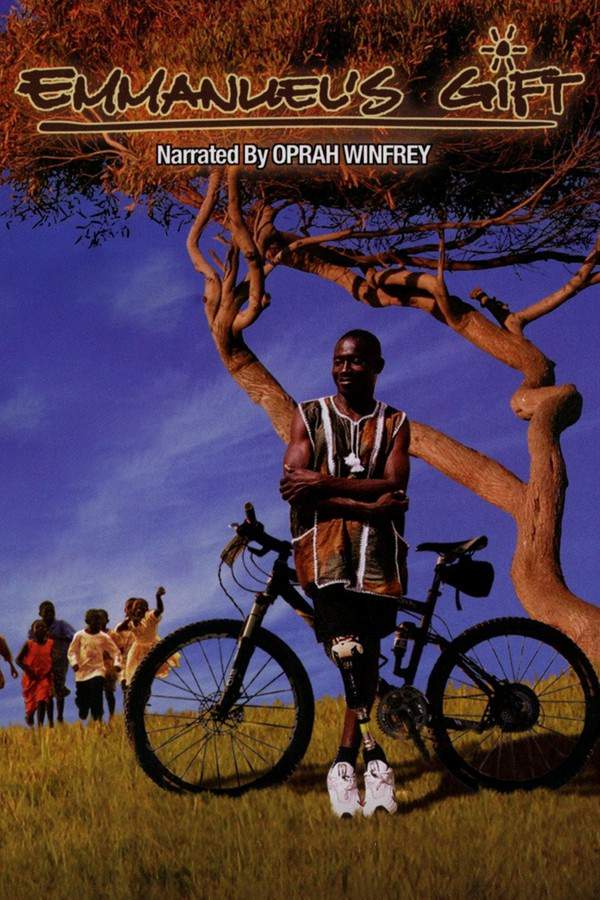
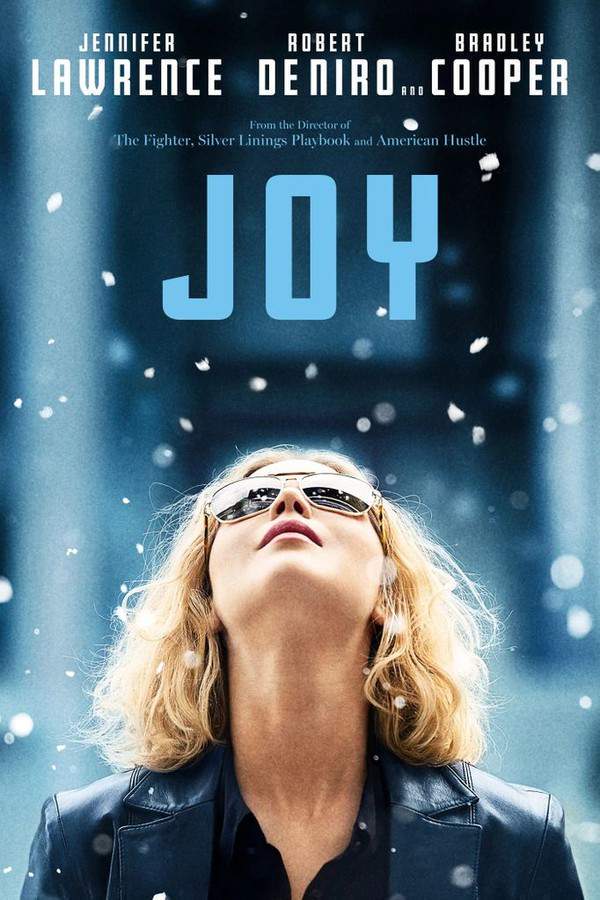
True stories of overcoming adversity to achieve success without losing your values.Explore a collection of movies like Good Fortune that showcase inspiring true stories of overcoming adversity. These films follow determined individuals on their path to success, often highlighting the importance of giving back and staying true to one's values.
Narratives in this thread typically follow a biographical arc, starting with a protagonist facing significant hardship—such as poverty or homelessness. The story charts their determination, business acumen, and often unconventional path to building an empire, with a strong emphasis on their humanitarian or ethical principles.
These movies are grouped by their shared focus on authentic, character-driven journeys of triumph. They blend the emotional weight of real-life struggle with the uplifting payoff of success, creating a hopeful and often thought-provoking viewing experience centered on redefining what it means to be wealthy.
Stories where an unexpected guide or event reveals a deeper meaning to life.Find movies similar to Good Fortune that blend a playful, whimsical tone with thoughtful explorations of life's purpose. If you enjoyed the quirky yet heartfelt journey of redefining success, you'll find more uplifting stories here.
These stories often involve a protagonist who is disillusioned or lost, encountering an unexpected force—an angel, a magical event, or an eccentric character—that forces them to reevaluate their priorities. The journey is characterized by humorous situations and a reflective pace, leading to a positive personal transformation.
Movies in this thread share a unique tonal blend: they are fundamentally hopeful and lighthearted, yet they tackle serious themes like class, purpose, and fulfillment. The 'whimsical' element acts as a narrative catalyst for growth, creating a distinct feel that is both entertaining and meaningful.
Don't stop at just watching - explore Good Fortune in full detail. From the complete plot summary and scene-by-scene timeline to character breakdowns, thematic analysis, and a deep dive into the ending - every page helps you truly understand what Good Fortune is all about. Plus, discover what's next after the movie.
Track the full timeline of Good Fortune with every major event arranged chronologically. Perfect for decoding non-linear storytelling, flashbacks, or parallel narratives with a clear scene-by-scene breakdown.
Discover the characters, locations, and core themes that shape Good Fortune. Get insights into symbolic elements, setting significance, and deeper narrative meaning - ideal for thematic analysis and movie breakdowns.